

Author: Gabrielle Strzalkowski - Page 3

What Is Medication Adherence vs. Compliance and Why It Matters

Medication adherence means actively working with your provider to stay on track with treatment-while compliance is just following orders. Adherence saves lives, cuts costs, and respects your choices. Here's why it matters more than ever.

Read more

Sleep Aids: Understanding Interactions and Cognitive Side Effects

Sleep aids can help with insomnia, but many carry hidden risks to memory and thinking. Learn which drugs increase dementia risk, which are safer, and what alternatives actually work.

Read more

Emergency Use of Sub-Potent Expired Medications: When It’s Safe and When It’s Not

Most expired medications are still safe and effective years past their label date-but not all. Learn which drugs you can use in emergencies, which ones to avoid, and how storage and potency affect your choices.

Read more

Coronary Calcium Score: What CT Scans Reveal About Plaque Buildup in Your Arteries

A coronary calcium score reveals hidden plaque buildup in heart arteries through a quick CT scan. It's the most accurate way to assess heart attack risk before symptoms appear - and can change your treatment plan.

Read more

Opioids During Pregnancy: Risks, Withdrawal, and What You Need to Know

Opioid use during pregnancy carries risks for both mother and baby, but medication-assisted treatment with methadone or buprenorphine is the safest approach. Learn about neonatal withdrawal symptoms, breastfeeding safety, and how integrated care improves outcomes.

Read more

Skin of Color Dermatology: Managing Hyperpigmentation and Keloids

Hyperpigmentation and keloids are common, stubborn skin conditions in people with darker skin tones. Learn what causes them, how to treat them safely, and why sun protection and expert care are essential for lasting results.

Read more

Hypersensitivity Pneumonitis: When Cough and Breathlessness Come from Airborne Triggers, Not Medications

Hypersensitivity pneumonitis causes cough and breathlessness from inhaled environmental triggers-not medications. Learn the real causes, how to spot it early, and how to prevent permanent lung damage.

Read more

Bioequivalence Studies: What the FDA Requires Generic Drug Manufacturers to Prove

The FDA requires generic drug manufacturers to prove bioequivalence through rigorous studies showing their product absorbs at the same rate and extent as the brand-name version. This ensures safety, effectiveness, and therapeutic equivalence.

Read more

Severe Hypertensive Crisis from Drug Interactions and Reactions

Severe hypertensive crises from drug interactions are preventable but often missed. Learn which medications and OTC products can trigger dangerous blood pressure spikes-and what to do if it happens.

Read more

Sterile Manufacturing for Injectables: Key Requirements and Industry Standards

Sterile manufacturing for injectables demands zero contamination to prevent life-threatening infections. Learn the key requirements, regulatory standards, and real-world risks behind producing safe injectable drugs.

Read more

Physical Dependence vs Addiction: Clarifying Opioid Use Disorder

Physical dependence on opioids is a normal physiological response to long-term use, not addiction. Learn how to tell the difference between dependence and Opioid Use Disorder - and why confusing them harms patients.

Read more

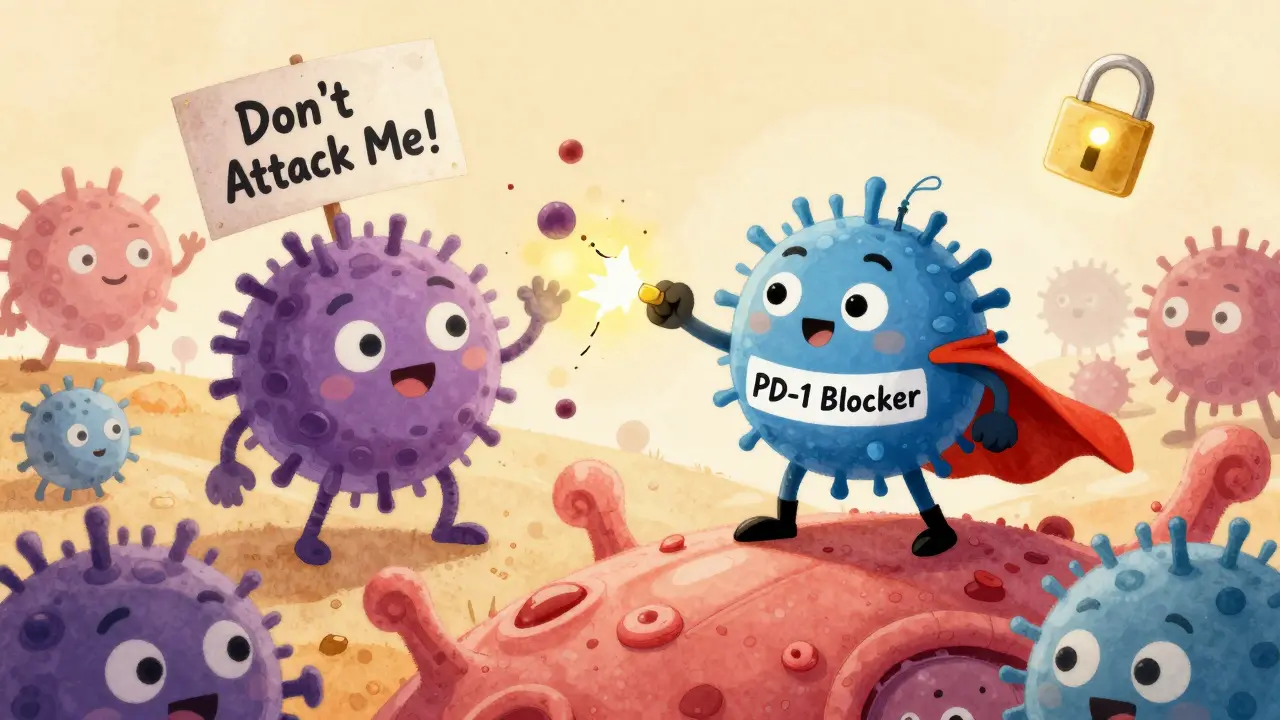
DMARDs and Biologic Medications: What You Need to Know About Immunosuppressive Therapy

DMARDs and biologic medications are key treatments for autoimmune diseases like rheumatoid arthritis. They don't just ease pain-they stop joint damage. Learn how they work, their side effects, costs, and what to expect on therapy.

Read more