

MAOI Dietary Safety Checker
Check if foods, beverages, or medications are safe to consume while taking MAOIs (monoamine oxidase inhibitors). The tool identifies potential risks based on tyramine content and drug interactions.
Why MAOIs Are Still Used Despite the Risks
Most people start antidepressants with the hope of feeling better without major lifestyle changes. But if you’ve tried SSRIs, SNRIs, or other common meds and nothing worked, you might end up hearing about MAOIs-monoamine oxidase inhibitors. These aren’t your typical antidepressants. They’re older, more dangerous, and come with strict rules. But for some people, they’re the only thing that works.
MAOIs were the first antidepressants ever developed. In the 1950s, doctors noticed that tuberculosis patients on iproniazid started feeling happier. That accidental discovery led to the first real antidepressant. Today, MAOIs like phenelzine (Nardil) and tranylcypromine (Parnate) are prescribed to only about 1 in 150 people taking antidepressants in the U.S. Why? Because they work differently-and they carry risks most other meds don’t.
Unlike SSRIs that mainly boost serotonin, MAOIs stop the enzyme monoamine oxidase from breaking down serotonin, norepinephrine, and dopamine. That means all three mood chemicals build up at once. For people with treatment-resistant depression-those who’ve tried four or more other meds without success-this can be life-changing. Studies show 50-60% of these patients see real improvement on MAOIs, compared to around 30% with other drugs. That’s why psychiatrists still reach for them, even though they’re not first-line.
The Tyramine Trap: Why Your Cheese Could Be Dangerous
One of the biggest reasons MAOIs scare doctors and patients is tyramine. It’s a naturally occurring compound in aged, fermented, or spoiled foods. Normally, your body breaks it down with the same enzyme MAOIs block. But when that enzyme is shut down, tyramine floods your system. And that can trigger a hypertensive crisis-your blood pressure spikes so fast and high it can cause a stroke or heart attack.
Here’s what you need to avoid:
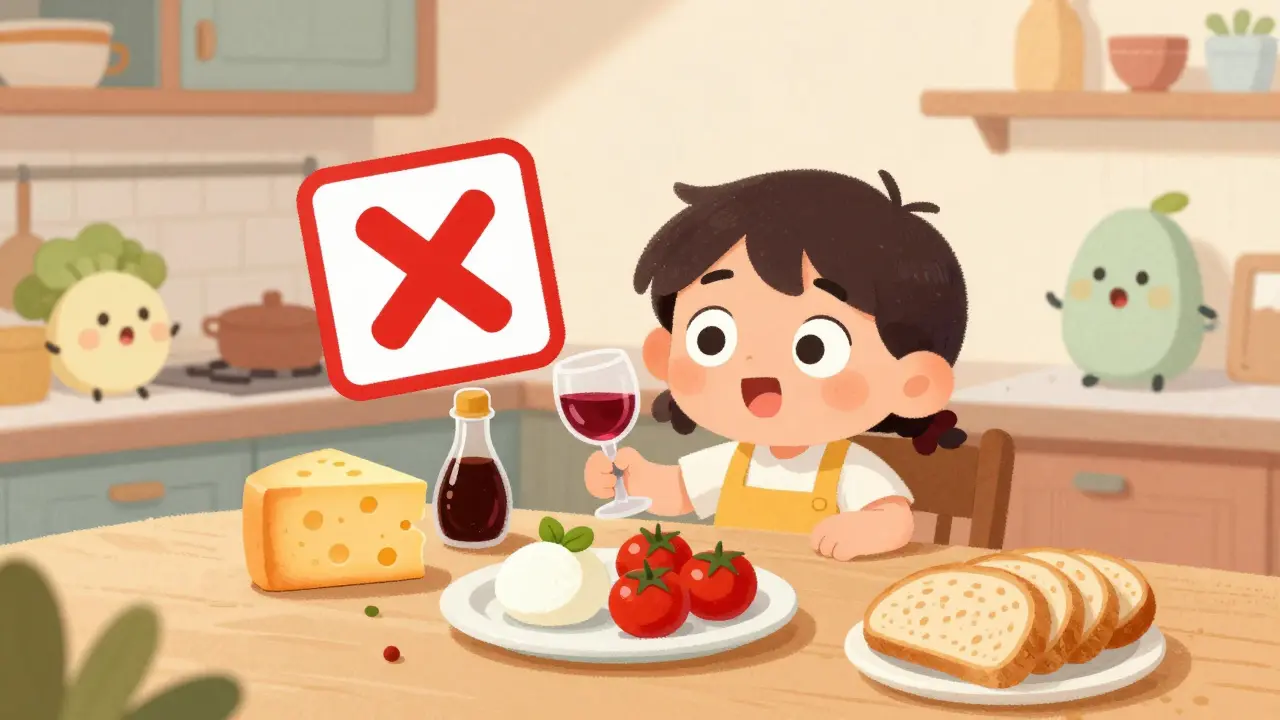
- Aged cheeses: Cheddar, blue, parmesan, brie, camembert (anything aged more than 48 hours)
- Cured meats: Salami, pepperoni, pastrami, corned beef
- Fermented soy: Soy sauce, miso, tempeh, tofu that’s been stored over a week
- Tap beer, homebrewed beer, and red wine (especially Chianti or Burgundy)
- Overripe fruits: Bananas, avocados, figs left at room temperature
- Yeast extracts: Marmite, Vegemite, concentrated bouillon cubes
It’s not about eating one slice of cheese. It’s about cumulative exposure. A single serving of aged cheese can have over 6 mg of tyramine-the safety limit. Fresh mozzarella, cottage cheese, or cream cheese? Generally safe. Leftover spaghetti with tomato sauce? Fine. But if that sauce sat in the fridge for five days? Skip it.
Real people have ended up in the ER because they didn’t know. One Reddit user shared that a simple soy sauce stir-fry sent their blood pressure to 220/110. Another had a crisis after eating leftover pizza with blue cheese. These aren’t rare. About 28% of new MAOI users report at least one accidental exposure in their first year.
Drug Interactions: What You Can’t Mix With MAOIs
It’s not just food. Mixing MAOIs with other drugs can be deadly. The most dangerous combo? SSRIs or SNRIs. Taking an SSRI like fluoxetine or sertraline too soon after stopping an MAOI can cause serotonin syndrome-a condition where your brain gets flooded with serotonin. Symptoms include confusion, rapid heart rate, muscle rigidity, fever, and seizures. In 15-20% of cases with improper washout periods, it happens.
Here’s what else to avoid:
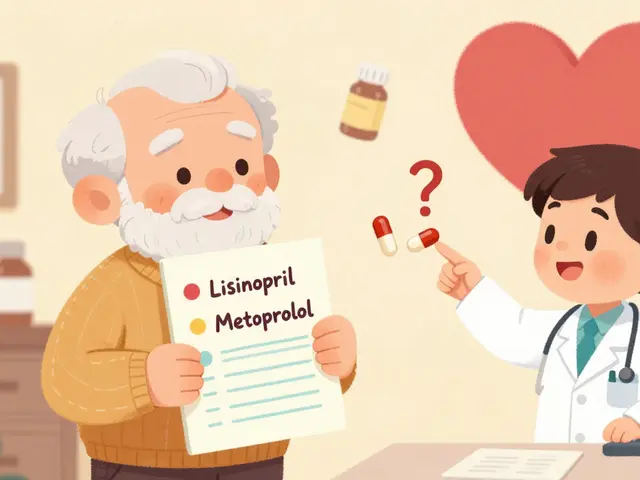
- Decongestants: Pseudoephedrine (Sudafed), phenylephrine (DayQuil)
- Over-the-counter cough meds: Dextromethorphan (Robitussin DM)
- Stimulants: Adderall, methylphenidate, even energy drinks
- Other antidepressants: Any SSRI, SNRI, tricyclic, or even St. John’s Wort
- Illicit drugs: MDMA, cocaine, LSD
Washout periods are non-negotiable. After stopping an MAOI, you must wait at least 14 days before starting an SSRI. For fluoxetine (Prozac), which stays in your system longer, wait five weeks. Many patients don’t know this. One 2022 study found nearly 40% of people switching meds didn’t get clear instructions from their doctor.
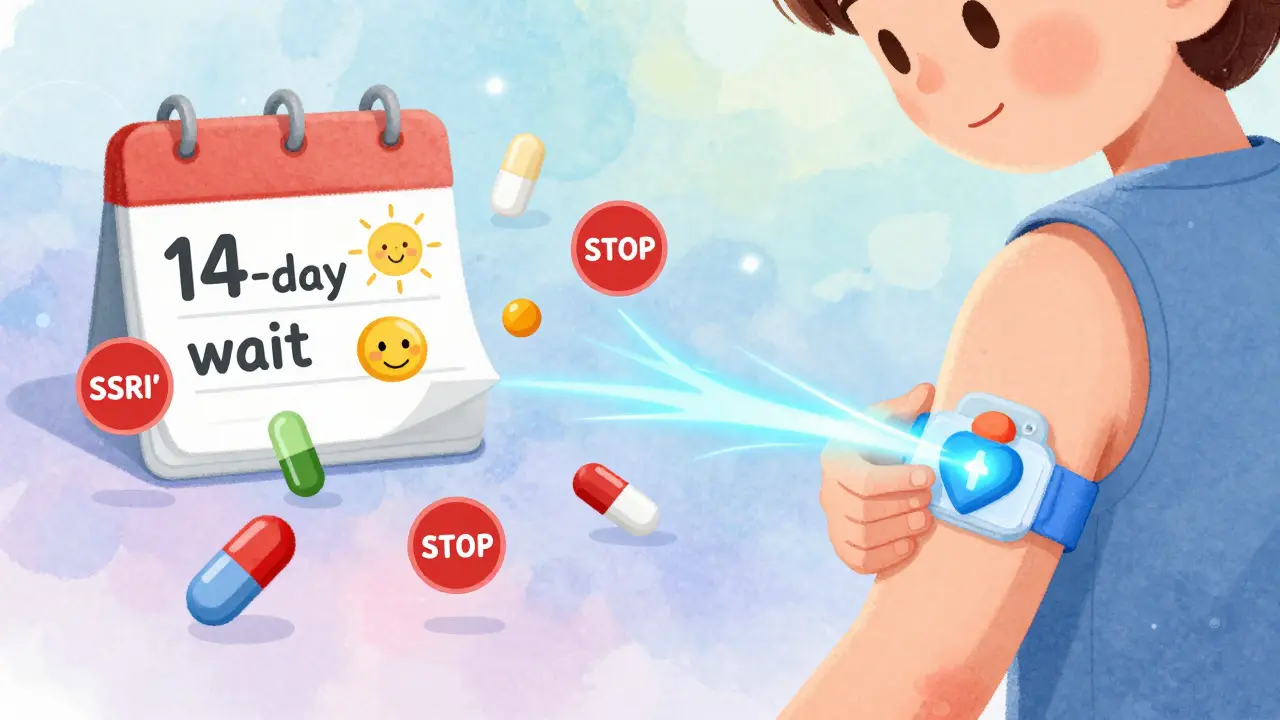
The Patch That Changed Everything: Emsam
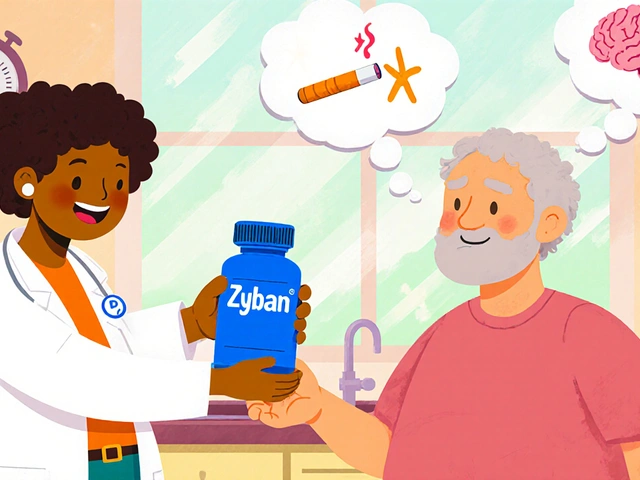
Not all MAOIs are the same. The transdermal patch, Emsam, delivers selegiline through the skin instead of swallowing a pill. At the lowest dose (6 mg/24 hours), it doesn’t require dietary restrictions at all. That’s because the patch bypasses the gut, where tyramine normally triggers the problem. You can eat cheese, drink wine, and have soy sauce-no problem.
At higher doses (9 mg and 12 mg), dietary limits kick in again. But for many, the 6 mg patch is a game-changer. Clinical trials show only 8% of users on the lowest dose need to change their diet, compared to 92% on oral MAOIs. It’s not cheap-$850 to $1,200 a month-but for people who’ve tried everything else, it’s worth it.
Still, it’s not perfect. Skin irritation is common. And if you forget to change the patch, or if it falls off during a shower, your drug levels drop. You need to be consistent.
Who Actually Benefits From MAOIs?
MAOIs aren’t for everyone. But they shine in specific cases:
- Atypical depression: Symptoms include oversleeping, overeating, heavy limbs, and mood reactivity (you feel better when something good happens). MAOIs are the most effective treatment for this subtype-better than SSRIs.
- Treatment-resistant depression: If you’ve tried three or more antidepressants with no results, MAOIs have the highest success rate.
- Anxiety disorders: Some patients with social anxiety or panic disorder respond better to MAOIs than to other meds.
On Reddit’s r/antidepressants, users who’ve been on MAOIs for years often say the same thing: “It didn’t fix everything, but it gave me back my life.” One person wrote, “I went from lying on the couch for 10 hours a day to working full-time again. The diet is hard, but I’d rather be alive and careful than dead and free.”
But the flip side? Many quit. A 2022 survey found that 63% of negative reviews on Drugs.com cited “constant food anxiety” as the main reason. Dating, travel, holidays-all become minefields. One user said, “I canceled my wedding reception because I couldn’t trust the caterer not to use soy sauce.”

Living With an MAOI: Practical Tips
If you’re on an MAOI, you’re not alone. There are support groups, apps, and dietitians who specialize in this. Here’s what actually helps:
- Get a dietitian. Don’t rely on Google. Find someone who’s trained in MAOI nutrition. They’ll teach you how to read labels, spot hidden tyramine, and plan meals.
- Use a food diary. Write down everything you eat. Note the brand, expiration date, and how long it’s been stored. You’ll spot patterns.
- Carry emergency meds. Ask your doctor for phentolamine (5-10 mg sublingual). If your head pounds, vision blurs, or you feel like you’re having a stroke, take it immediately. It can save your life.
- Wear a medical alert bracelet. In an emergency, paramedics need to know you’re on an MAOI. They might give you a decongestant or painkiller that kills you.
- Plan ahead for travel. Pack your own food. Avoid restaurants with fermented sauces. Call ahead and ask if they use soy sauce or aged cheese.
It’s not easy. But for many, it’s the only way out of depression.
What’s Next for MAOIs?
Researchers are working on safer versions. A new experimental drug, AZD7325, showed a 70% drop in tyramine sensitivity in early trials. The National Institute of Mental Health is funding studies to see if MAOIs can help with bipolar depression. If these work, we might see a new generation of MAOIs that don’t require a diet.
For now, though, MAOIs remain a tool for the toughest cases. They’re not outdated-they’re specialized. Like a scalpel instead of a hammer. Used right, they can cut through depression where other tools fail. Used wrong, they can be deadly.
The key isn’t fear. It’s knowledge. And if you’re considering an MAOI, make sure you’re getting the full picture-not just the benefits, but the real, daily challenges too.
Can I drink alcohol while on MAOIs?
No. Alcohol, especially red wine, tap beer, and fermented drinks, can trigger dangerous blood pressure spikes. Even small amounts can be risky. Some people report headaches or flushing after just one drink. It’s not worth the risk. Stick to non-alcoholic options.
How long does it take for MAOIs to work?
Unlike SSRIs, which can take 4-6 weeks, MAOIs often start working in 2-3 weeks. Some people notice improved energy and mood within days. But full benefits usually take 6-8 weeks. Don’t give up too soon-but also don’t delay the diet and safety education.
Are MAOIs addictive?
No. MAOIs don’t cause physical dependence or cravings like opioids or benzodiazepines. But stopping them suddenly can cause withdrawal symptoms: dizziness, nausea, flu-like feelings, and mood swings. Always taper off slowly under medical supervision.
Can I take MAOIs if I have high blood pressure?
Not usually. MAOIs raise blood pressure, so if you already have uncontrolled hypertension, they’re too risky. Your doctor will check your blood pressure before prescribing and monitor it closely. If your BP is stable and well-managed, you might still qualify-but only under strict supervision.
Is there a generic version of MAOIs?
Yes. Phenelzine and tranylcypromine are available as generics and cost $30-$50 a month. The Emsam patch is brand-only and costs over $800. Insurance often covers the oral versions, but rarely the patch unless you’ve tried everything else.
10 Comments
I was on Nardil for two years. The diet was brutal, but I went from not being able to get out of bed to hiking weekends with my dog. I still avoid blue cheese, but now I make my own pesto with fresh basil and pine nuts. It’s a trade-off, but worth it.
MAOIs saved my life 💪🧀🚫🍷
I’ve had patients on MAOIs who’ve told me they feel like they’ve been given back their personality. The diet restrictions are no joke, but the relief from treatment-resistant depression? That’s not something you can put a price on. Still, I wish more providers took the time to explain it properly.
Just want to say the Emsam patch is a game changer for people who hate pills or can't handle the diet. I started on 6mg and now I eat sushi and drink wine like a normal person. My dermatologist says my skin's a little irritated but I'd rather have a rash than a stroke. Also, always carry phentolamine. Seriously.
Honestly, if you’re going to take an MAOI, you should at least know what tyramine is before you start. I’ve seen so many people treat this like a casual antidepressant. It’s not. You’re playing Russian roulette with your cardiovascular system. If you can’t be bothered to read a food label, maybe you shouldn’t be on this med.
I used to think people who said 'I can't eat cheese' were being dramatic. Then I met a guy who had a hypertensive crisis after eating a slice of cheddar on his pizza. He didn't even know it was aged. We all think we're the exception until we're in the ER with a BP of 230. The diet isn't a suggestion. It's a survival manual.
I'm pretty sure the 'tyramine trap' is just Big Pharma's way of keeping you docile. I ate blue cheese for three years on MAOIs and never had an issue. Maybe it's just the placebo effect that makes people think they're in danger. Also, I've had three glasses of red wine and still went to work. #FakeDanger
People who take MAOIs and still eat fermented soy are just asking for a stroke. You think you're being cool? You're being a liability to your own family. If you can't follow basic food rules, you don't deserve to be alive. Stop being selfish.
There is a critical error in the post: the phrase 'aged more than 48 hours' is imprecise. Tyramine accumulation is not a function of time alone but of microbial activity, pH, and storage temperature. A cheese aged 49 hours under refrigerated conditions may have lower tyramine than one aged 47 hours at ambient temperature. Precision matters when lives are at stake.
I'm from the Philippines and my mom still makes fermented shrimp paste for our dishes. I used to panic every time she cooked. Then I found a local dietitian who taught me how to rinse it 3x and cook it at high heat for 15+ minutes. Now I can have my childhood food safely. Knowledge + community = survival. Also, wear the bracelet. My cousin didn't. They had to intubate him.