

When someone says they take medication for depression or anxiety, the reaction isn’t always understanding. Sometimes it’s silence. Sometimes it’s a raised eyebrow. Other times, it’s a comment like, “Aren’t those just pills for people who can’t handle life?” This isn’t just rude-it’s harmful. And it’s more common than most people realize. Mental health medication stigma isn’t just about judgment; it’s a barrier that keeps people from getting the care they need. In fact, nearly one in three adults who don’t seek treatment for mental illness say they’re afraid of being judged for taking medication. That’s not fear of the illness-it’s fear of what others think about the treatment.
Why Mental Health Medications Are Treated Differently
Think about how people talk about insulin for diabetes or blood pressure pills for heart disease. Rarely does anyone say, “You’re weak for needing that.” But ask someone if they take antidepressants, and suddenly it’s a conversation about character, willpower, or addiction. Why the double standard? The truth is, psychiatric medications are no different from any other medication. They correct chemical imbalances in the brain, just like insulin corrects glucose levels. Yet, because we can’t see brain chemistry, many assume these drugs are “not real medicine.” Some believe they change your personality. Others think they’re addictive like street drugs. None of that is true for most prescribed psychiatric medications. SSRIs, for example, don’t create euphoria or dependence. They help restore balance-like a hearing aid helps you hear, not make you hear differently. The stigma doesn’t just come from the public. A 2021 study found that 22% of primary care doctors hold negative views about patients who ask for psychiatric meds. That means the person you trust to help you get better might be judging you before you even finish speaking. When that happens, people stop talking. They stop asking. They stop taking their pills.How Language Shapes Perception
Words matter. A lot. The National Institute of Mental Health found that using terms like “meds,” “pills,” or “drugs” increases negative attitudes by 41% compared to saying “medication” or “treatment.” Say “I’m on antidepressants” instead of “I’m on pills.” Say “I take medication for my brain health” instead of “I’m on drugs.” Small changes. Big impact. In clinical settings, switching from “Are you taking your meds?” to “How’s your medication working for you?” makes patients feel seen, not scolded. When providers use respectful language, patients are 27% more likely to stay on treatment, according to the American Psychiatric Association. That’s not just polite-it’s clinical. Even in casual conversation, how you phrase things changes the tone. Instead of saying, “I’m on anxiety pills,” try: “I take a daily medication to help manage my anxiety, kind of like how someone might take a daily pill for thyroid issues.” Comparisons to well-understood physical conditions make mental health treatments feel less foreign.Normalizing Medication Through Shared Experience
One of the most powerful tools against stigma isn’t a pamphlet or a poster-it’s a person telling their story. Research shows that when people hear firsthand accounts of medication helping someone live better, their attitudes shift. A 2023 study with over 700 college students found that after listening to peers share their experiences with psychiatric medication, 22% more students said they’d consider taking it if they needed it. You don’t need to be a public figure to make a difference. On Reddit’s r/mentalhealth, a simple post titled “How I talk about my medication without shame” got over 1,200 upvotes. People shared lines like: “I take it for my brain like others take it for their heart.” Or: “It’s not a weakness-it’s a tool.” These aren’t grand speeches. They’re quiet, honest statements that chip away at shame. Even public figures help. John Green, a well-known author and YouTuber with millions of followers, has openly talked about his SSRI use since 2017. His audience surveys show that 68% of viewers felt less ashamed about their own medication after watching his videos. Why? Because when someone you respect talks about it casually, it becomes normal.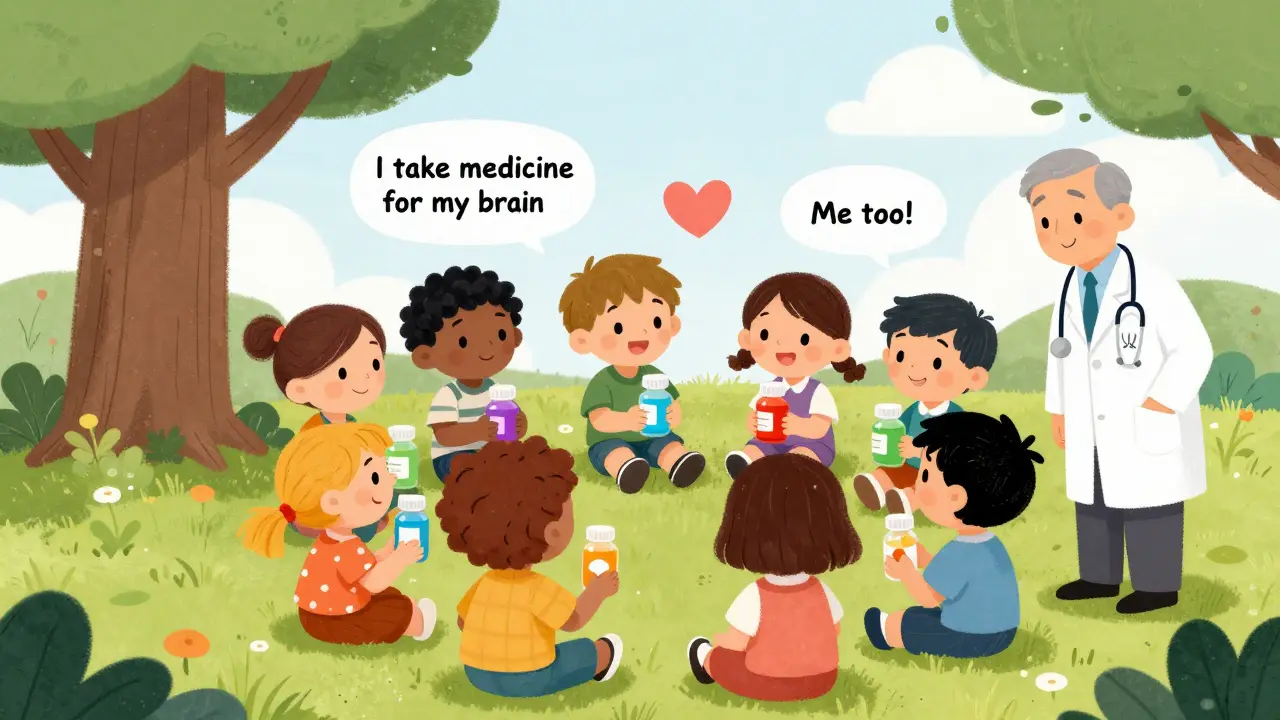
What Providers Can Do-And What They Should Avoid
Healthcare providers are on the front lines. They’re often the first-and sometimes only-person a patient talks to about mental health meds. So how do they help reduce stigma instead of reinforcing it? Start with two simple questions: “How do you feel about taking medication for your condition?” and “What concerns do you have about these medications?” This approach, used in a 2023 study, led to 33% higher medication adherence. Why? Because it invites dialogue instead of giving orders. Avoid assumptions. Don’t say, “You’ll feel better soon,” if the patient hasn’t started yet. Don’t minimize concerns with “It’s not that bad.” Don’t say, “Lots of people take this,” without explaining why it helps. Instead, use the three-step framework recommended by the Mayo Clinic:- Normalize: “Many people take medication for mental health-just like people take pills for high blood pressure.”
- Educate: “This medication helps your brain chemistry return to balance. It doesn’t make you numb-it helps you feel like yourself again.”
- Personalize: “For me, it meant I could finally go to work without crying in the bathroom.”
When Stigma Comes From Inside
Sometimes the loudest voice of stigma isn’t outside-it’s inside your own head. A 2022 study of 1,842 college students found that 57% felt embarrassed carrying their medication in a pill case. That’s not about others’ opinions-it’s about internalized shame. If you’re struggling with this, start small. Swap the pill bottle for a plain container. Put it in your bag instead of your pocket. Tell one trusted person. Write down why you take it-just for yourself. These aren’t fixes, but they’re steps toward reclaiming your story. Remember: needing medication doesn’t mean you failed. It means you’re doing what’s necessary to get better. Just like wearing glasses doesn’t mean you failed at seeing.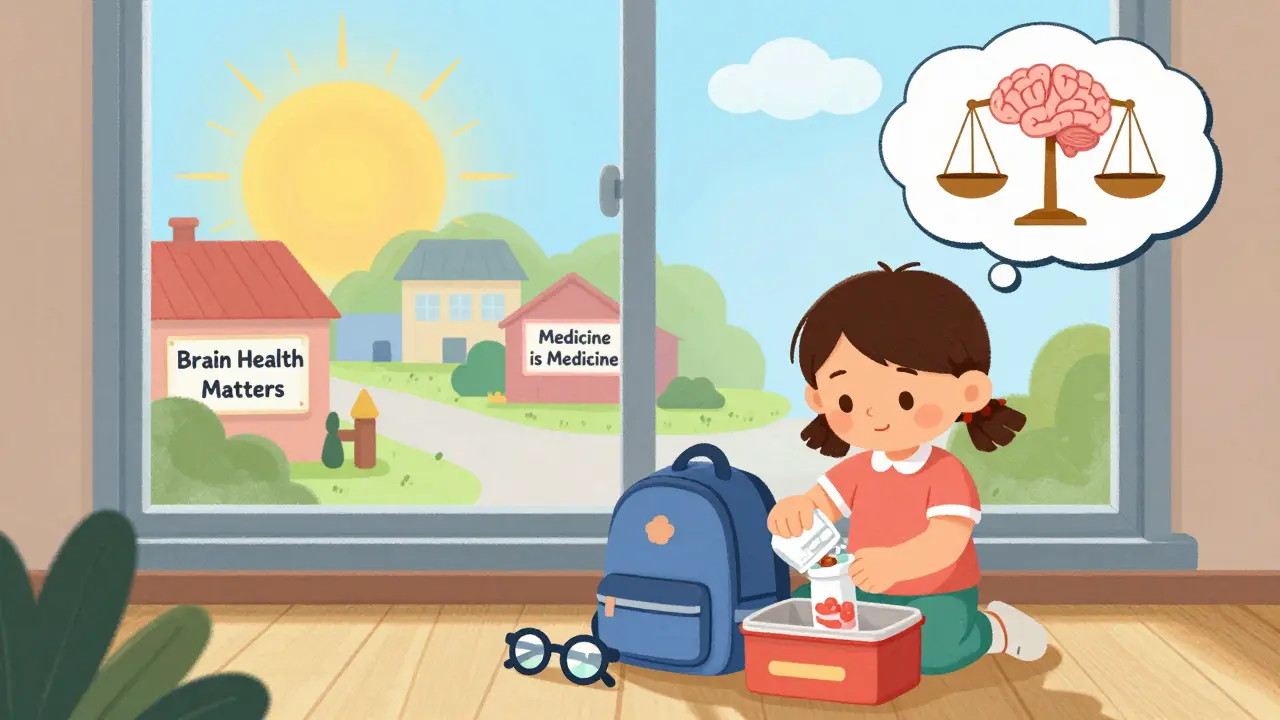
What’s Working-And What’s Not
Not all anti-stigma efforts work. A 2023 study found that some empathy-building exercises-like simulating hallucinations to help people understand psychosis-actually increased stigma by 15% when not paired with education. Why? Because without context, people confuse symptoms with identity. The most effective strategies are simple, factual, and human:- Comparing psychiatric meds to insulin, thyroid meds, or asthma inhalers
- Sharing real stories-not stereotypes
- Using precise language: “medication,” not “drugs”
- Integrating mental health care into primary care settings
What Comes Next
The future of reducing stigma isn’t in big campaigns-it’s in everyday conversations. By 2026, 65% of antidepressant prescriptions in the U.S. are expected to come from primary care doctors, not psychiatrists. That means more people will get these meds in the same place they get their flu shot or blood pressure check. And that’s a win. Telehealth is a double-edged sword. While it increases access, 41% of patients say they feel less comfortable talking about meds over video. That means providers need to be even more intentional-asking open questions, using affirming language, and giving space for silence. The most powerful change won’t come from legislation or ads. It’ll come from someone saying, “I take medication for my mental health,” and someone else responding with, “That makes sense.” No judgment. No surprise. Just understanding.Why is mental health medication stigma worse than general mental health stigma?
Mental health medication stigma targets the treatment itself-not just the condition. People often confuse psychiatric meds with recreational drugs, believe they’re addictive, or think they’re a sign of weakness. Unlike general stigma, which may focus on labels like “crazy” or “unstable,” medication stigma questions the legitimacy of the treatment. Over 75% of people don’t see mental health conditions requiring medication as chronic illnesses like diabetes, which makes it harder to accept the need for ongoing treatment.
Can talking about my medication make things worse?
It can-if you’re not prepared. Some people may react with judgment, especially in workplaces or social circles where misinformation is common. But research shows that when you frame your experience clearly and calmly-using normalizing language like “I take medication for my brain health”-negative reactions drop by about 60%, according to user reports on mental health forums. The key is choosing who you tell and how you say it. You don’t owe anyone an explanation, but when you do speak up, clarity reduces fear.
Are psychiatric medications really as effective as people say?
Yes. For moderate to severe depression, medications like SSRIs have a 40-60% effectiveness rate, which is comparable to many treatments for physical conditions like high blood pressure or asthma. When combined with therapy, effectiveness rises to 70-80%. The American Psychiatric Association notes that nearly half of patients with moderate depression need medication to achieve meaningful improvement. These aren’t “magic pills”-they’re tools that help restore balance, just like insulin helps regulate blood sugar.
How can I help someone who’s ashamed of taking mental health medication?
Start by listening without judgment. Don’t try to fix it. Just say, “That sounds really hard,” or “I’m glad you’re taking care of yourself.” Avoid phrases like “You don’t need that” or “Have you tried therapy instead?” Instead, normalize: “Lots of people take meds for their mental health-it’s like taking medicine for any other health issue.” Share facts gently: “It helps balance brain chemicals, not change who you are.” And if they’re open to it, suggest resources like NAMI’s workshops or SAMHSA’s conversation starter app. Your support matters more than you know.
Is it true that doctors judge patients for asking for psychiatric meds?
Unfortunately, yes. A 2021 study found that 22% of primary care doctors hold negative attitudes toward patients who request psychiatric medications. That doesn’t mean all providers do-but it’s common enough to make patients hesitant. The good news? Training reduces this bias. Doctors who complete 8+ hours of cultural competency training show a 29% drop in stigma-related attitudes. If you feel judged, it’s okay to seek a second opinion or ask for a referral to a provider trained in mental health care.
What’s the best way to respond if someone says, “You don’t need meds-you just need to try harder”?
You can say something like: “It’s not about trying harder. It’s about my brain chemistry. Just like someone with diabetes can’t just ‘try harder’ to lower their blood sugar, I can’t just ‘think positive’ to fix this. The medication helps my body do what it can’t on its own.” Keep it simple. You don’t need to convince them-just state the facts. If they keep pushing, it’s okay to say, “I appreciate your concern, but this is part of my health plan.” Your treatment isn’t up for debate.
12 Comments
I get it. I take something for my anxiety, and my uncle once said, "Why not just pray harder?" I didn't argue. Just smiled and said, "I also take insulin for my pancreas-should I pray for that too?" He never brought it up again. Sometimes you just gotta let people be wrong, and keep living your life.
lol so antidepressants are like insulin now? next u’ll say my coffee is a ‘brain glucose regulator’
Okay, but-wait-this is actually really important. I mean, seriously. We treat physical health like science, and mental health like a moral failing. It’s not just outdated-it’s dangerous. And the language thing? Huge. Saying "meds" vs. "medication"? That’s not semantics. That’s stigma in a nutshell.
Oh wow, so now we’re comparing SSRIs to hearing aids? Next thing you know, we’ll be calling depression a ‘glitch’ and prescribing TikTok dances as therapy. I’m just saying-maybe the problem isn’t the meds, it’s the way we’ve turned medicine into a personality test.
When I first started taking my medication, I hid the bottle in my sock drawer. I felt like I’d failed. But then I realized-I didn’t fail. My brain just needed a little extra support. Like a broken arm in a cast. No one judges someone for wearing a cast. Why should we judge someone for taking a pill that helps them breathe again?
Yet, in the ontological framework of pharmaceutical phenomenology, the very notion of "chemical imbalance" is a reductive anthropomorphism of neurochemical flux-indeed, one might argue that the metaphysical weight of "medication" as a social construct is predicated upon a Cartesian dualism that has long since been deconstructed by contemporary neuroscience…
…but also, yeah, I take Lexapro. It helps. So there.
i took my pill today and i felt like a warrior 💪 not because i'm 'strong' but because i showed up for myself when no one else was looking. also my cat sat on my lap while i took it and that was the best part.
This is one of the most well-reasoned and empirically grounded discussions on mental health stigma I’ve seen in a long time. The comparison to insulin and thyroid medication is particularly effective. The data on provider bias is alarming, but the solutions presented are actionable. Well done.
Just because someone says "I take pills for my brain" doesn’t mean they’re broken. It means they’re doing the work. And if you think that’s weak, maybe you should ask yourself why you’re so scared of people healing.
It’s not about being brave to take meds. It’s about being smart. Your brain is part of your body. If your knee hurts, you go to a doctor. If your mind hurts, you go to a doctor too. Simple. No drama. No shame. Just care.
Oh please. You think calling it 'brain health' makes it real? You're just trading one delusion for another. The real issue is people are too lazy to fix their lives. Pills are a crutch for people who don't want to meditate, journal, or move out of their parents' basement.
lol i take mine with my chai and my dog licks my hand after 😎