


When your kidneys aren't working well, what you eat becomes just as important as any medication. A renal diet isn't about losing weight or eating 'clean'-it's a targeted way to reduce the strain on your kidneys and avoid life-threatening imbalances in your blood. For people with chronic kidney disease (CKD), managing sodium, potassium, and phosphorus isn't optional. It’s a daily necessity that can delay dialysis, prevent heart problems, and keep you feeling better longer.
Why Sodium Matters More Than You Think
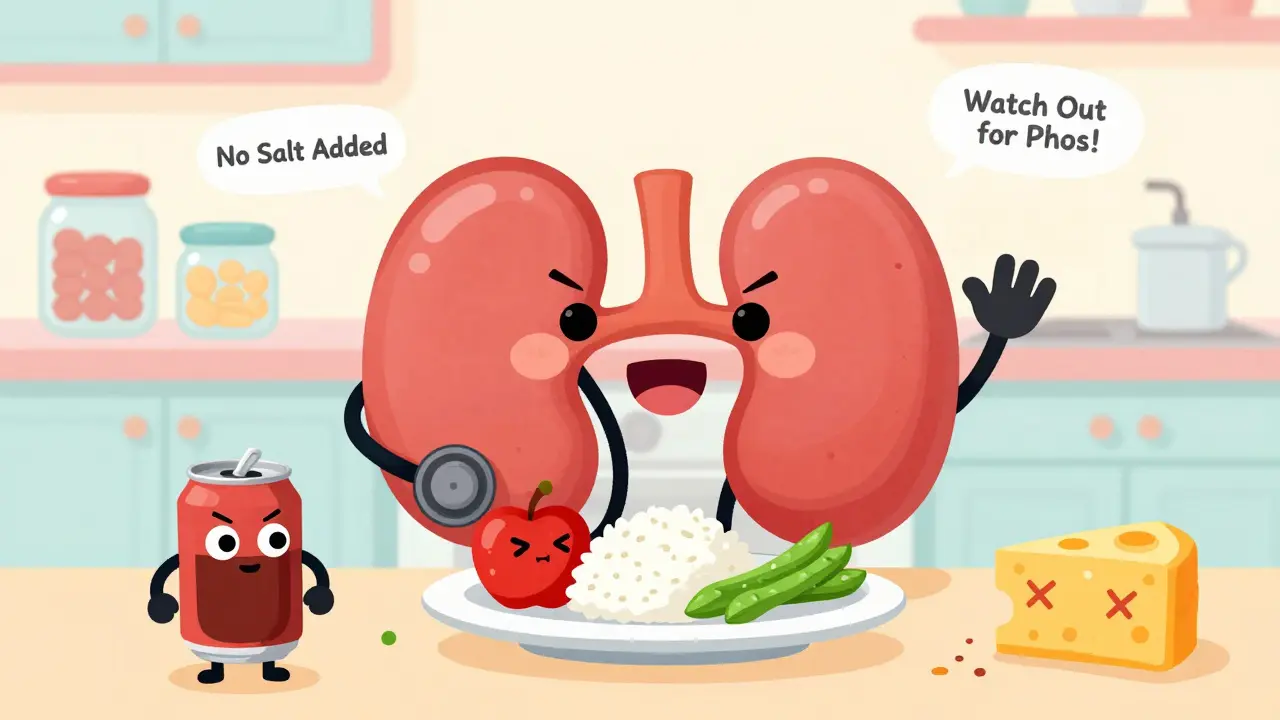
Sodium doesn’t just make food taste good-it pulls water into your bloodstream. When your kidneys can’t filter properly, that extra fluid builds up. This leads to swelling in your legs, high blood pressure, and strain on your heart. The standard recommendation for non-dialysis CKD patients is to stay under 2,300 milligrams of sodium per day. That’s about one teaspoon of table salt. But here’s the catch: you’re not getting most of your sodium from the salt shaker. Around 75% comes from packaged and processed foods. A single serving of canned soup can have 800 to 1,200 mg. One slice of processed cheese? Another 250 mg. Even bread, which doesn’t taste salty, adds up fast-two slices can hit 400 mg. The fix? Read labels. Look for "no salt added," "low sodium," or "unsalted." Swap canned veggies for fresh or frozen (without sauce). Choose plain rice and pasta instead of pre-seasoned mixes. Use herbs like basil, oregano, or garlic powder instead of salt. Studies show cutting sodium by just 1,000 mg a day can drop systolic blood pressure by 5 to 6 mmHg in CKD patients. That’s the difference between needing one pill and needing two.Potassium: The Silent Threat
Potassium helps your heart beat and your muscles work. But when your kidneys fail, potassium builds up. Levels above 5.5 mEq/L can trigger dangerous heart rhythms-even sudden cardiac arrest. That’s why many CKD patients are told to limit potassium to 2,000-3,000 mg per day, depending on their blood tests. The problem? Many "healthy" foods are packed with potassium. Bananas (422 mg each), oranges (237 mg each), potatoes (926 mg each), spinach (839 mg per cooked cup), and tomatoes (400 mg per cup) are all off-limits or must be eaten in tiny amounts. Even a medium apple has 150 mg-so portion control matters. The good news? Not all plant foods are equal. Berries (65 mg per ½ cup blueberries), apples, cabbage (12 mg per ½ cup cooked), and green beans are safe choices. You can also reduce potassium in veggies like potatoes and carrots by peeling them, cutting them small, soaking them in warm water for 2-4 hours, then boiling them in plenty of water. This process, called leaching, can cut potassium by half. Another key detail: potassium from animal foods (meat, dairy) is absorbed at 80-90%, while from plants it’s only 50-70%. So even if you eat a banana, your body may not absorb all of it-but you still can’t risk it. Stick to low-potassium options and check your labs regularly. Your doctor will adjust your limit based on your blood results-not guesswork.Phosphorus: The Hidden Additive Problem
Phosphorus is essential for bones and energy. But when your kidneys can’t remove it, it builds up and pulls calcium from your bones, weakening them. It also causes dangerous calcification in your blood vessels and heart. The target for non-dialysis CKD patients is 800-1,000 mg per day. Sounds low? It is. And it’s not just dairy and meat that are the issue-it’s additives. Natural phosphorus in foods like chicken, eggs, or milk is only 50-70% absorbed. But inorganic phosphorus in additives-like those found in colas, processed cheeses, deli meats, and frozen meals-is 90-100% absorbed. That means a 12-ounce cola has 450 mg of phosphorus, and almost all of it enters your bloodstream. A slice of processed cheese adds another 250 mg. You could hit your daily limit before lunch. Avoid anything with "phos" in the ingredient list: phosphoric acid, sodium phosphate, calcium phosphate. Choose fresh meats over deli meats. Swap colas for sparkling water with lemon. Use white bread (60 mg phosphorus per slice) instead of whole grain (150 mg). Dairy is tricky-½ cup of milk has 125 mg, so you might need to limit it to 1 cup per day or switch to unsweetened rice milk (which has almost no phosphorus). New research suggests that some fibers, like inulin, may reduce phosphorus absorption by 15-20%. While not a replacement for dietary control, it’s a helpful tool being studied in clinical trials.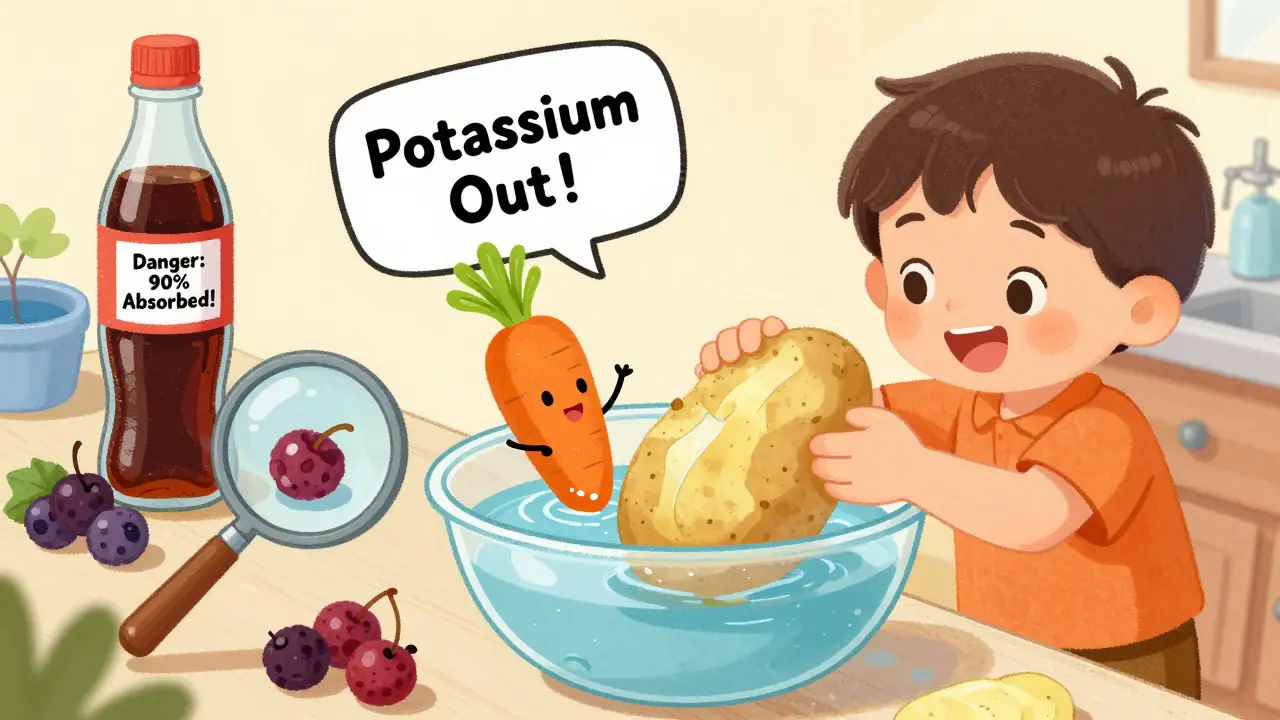
What You Can Actually Eat
A renal diet isn’t starvation. It’s smart swaps. Here’s what works:- Proteins: Fish like cod, halibut, and tuna are low in sodium and moderate in potassium and phosphorus. Stick to 2-3 ounce portions, 2-3 times a week. Eggs are fine-1 whole egg per day is acceptable for most.
- Grains: White rice, white bread, and regular pasta are better than brown or whole grain. They have less phosphorus and potassium.
- Fruits: Apples, berries, grapes, pineapple, and watermelon are safe. Limit citrus and bananas.
- Veggies: Cabbage, cauliflower, green beans, peppers, and lettuce are low in potassium. Avoid spinach, potatoes, tomatoes, and winter squash.
- Dairy: Limit to ½ cup milk or yogurt per day. Try non-dairy alternatives like unenriched rice milk.
- Snacks: Unsalted popcorn, rice cakes, and unsalted pretzels are okay. Avoid chips, crackers, and processed snacks.
Fluids and Other Considerations
If your urine output is low-under 1 liter per day-you’ll also need to limit fluids. That includes water, coffee, tea, soup, ice cream, and even gelatin. The goal is to prevent swelling and lung fluid buildup. Most patients are told to keep fluids under 32 ounces (1 liter) per day. Protein intake is another balancing act. Too little leads to muscle loss and malnutrition, especially in older adults. Current guidelines recommend 0.55-0.8 grams of high-quality protein per kilogram of body weight. For a 70 kg person, that’s 38-56 grams per day-enough to maintain strength without overloading the kidneys. And here’s the truth: it takes time. Most patients need 3-6 months to adjust. Flavor changes are hard. You miss salt. You crave fruit. But with practice, your taste buds reset. Herbs, lemon juice, vinegar, and spice blends like Mrs. Dash make food enjoyable again.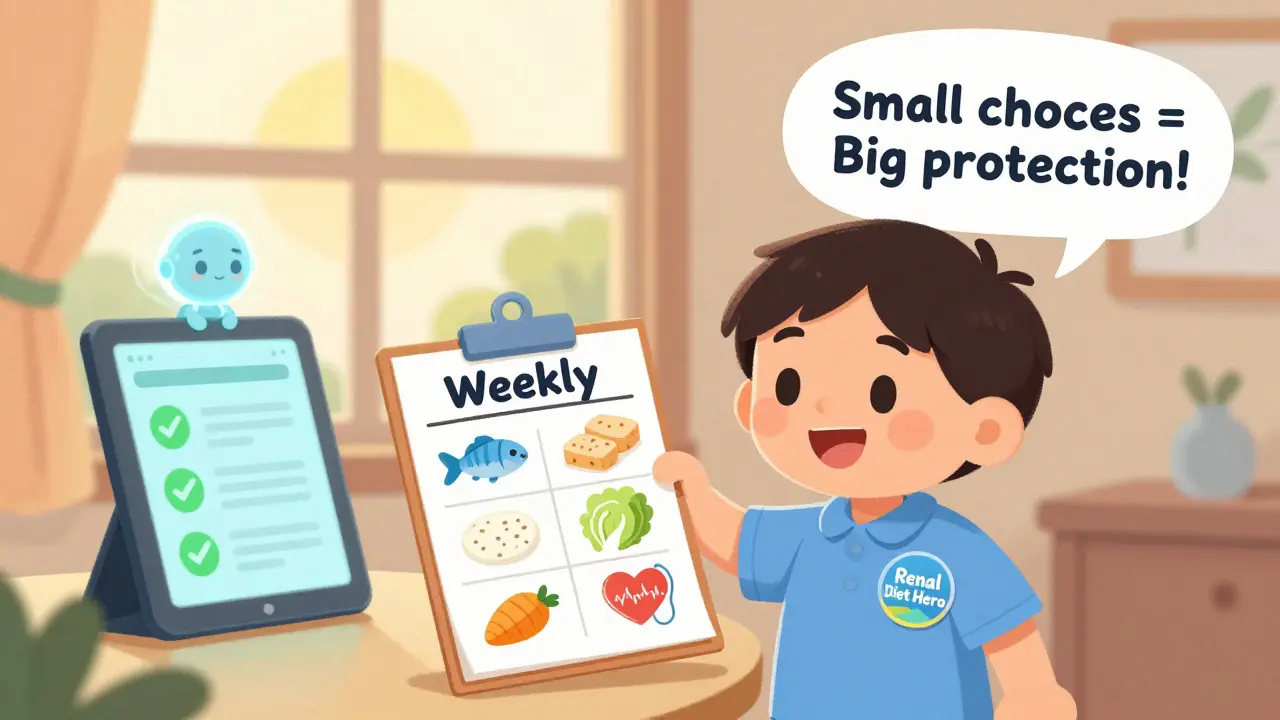
What’s New in Renal Nutrition
The field is evolving. In 2023, the FDA approved the first medical food for CKD, called Keto-1, which provides essential amino acids without high phosphorus or potassium. Apps like Kidney Kitchen, downloaded over 250,000 times, now track nutrients in real time and sync with lab results. Medicare now covers 3-6 sessions per year with a renal dietitian for stage 4 CKD patients. Why? Because studies show proper diet management can delay dialysis by 6-12 months-and save $12,000 per patient annually in healthcare costs. There’s also emerging research on the gut-kidney axis. Certain prebiotic fibers may help reduce phosphorus absorption. Genetic studies are underway to predict who responds better to low-potassium diets. AI tools are being piloted to adjust meal plans based on your latest blood work. But not everyone agrees on how strict to be. Some European guidelines suggest 1,200 mg of phosphorus per day is safe for non-dialysis patients, arguing that ultra-strict limits don’t improve survival. The latest thinking? Focus on food quality over extreme restriction. Avoid additives. Eat whole, unprocessed foods. That’s the foundation.When to Call Your Dietitian
You don’t have to figure this out alone. If you’re confused about portion sizes, unsure if a food is safe, or if your lab results keep changing, talk to a registered dietitian who specializes in kidney care. They’ll create a plan based on your weight, stage of CKD, lab values, and preferences. And if you’re also diabetic-68% of heart-healthy foods for diabetics are high in potassium or phosphorus-you’ll need extra help. A renal-diabetic diet is complex, but doable with expert support.Final Thought
A renal diet isn’t punishment. It’s protection. It’s about keeping your heart strong, your bones intact, and your kidneys working as long as possible. It’s not about perfection-it’s about consistency. Small choices every day add up. Skip the soda. Choose white bread. Leach your potatoes. Read the label. These aren’t restrictions-they’re tools for living longer, feeling better, and staying in control.Can I still eat fruit on a renal diet?
Yes, but you need to choose wisely. Low-potassium fruits like apples, berries, grapes, pineapple, and watermelon are safe in normal portions. Avoid bananas, oranges, kiwi, cantaloupe, and dried fruits like raisins, which are very high in potassium. Always check serving sizes-even a small banana can push your daily limit.
Is salt substitute safe for kidney patients?
No. Most salt substitutes replace sodium chloride with potassium chloride. For someone with kidney disease, that can cause dangerous spikes in blood potassium levels. Even if it says "no sodium," it may be full of potassium. Stick to herb blends like Mrs. Dash, garlic powder, or lemon juice instead.
Do I need to avoid all dairy?
Not all dairy, but you need to limit it. Milk, yogurt, and cheese are high in both phosphorus and potassium. One cup of milk has 125 mg of phosphorus and 350 mg of potassium. Most patients are advised to limit dairy to ½ cup per day. Unsweetened rice milk or almond milk (without added phosphorus) are better alternatives, but check labels-some are fortified with phosphorus additives.
Can I drink coffee on a renal diet?
Yes, in moderation. One cup of black coffee has about 116 mg of potassium and 6 mg of phosphorus. That’s acceptable for most patients. But avoid adding milk, creamer, or sugar. Also, if you’re on fluid restrictions, coffee counts toward your daily fluid limit. Talk to your dietitian about how much is safe for you.
How do I know if my renal diet is working?
Your blood tests tell the story. Your doctor will check your sodium, potassium, phosphorus, calcium, and creatinine levels regularly. If your potassium stays below 5.0 mEq/L, your phosphorus is under 5.5 mg/dL, and your blood pressure is controlled, your diet is working. Weight gain of more than 2-3 pounds in a day may mean fluid buildup, which means you need to cut back on sodium or fluids. Always share your lab results with your dietitian.
Can I ever go back to my old diet?
If you start dialysis, your diet will change again-but not go back to normal. Dialysis removes some waste, but it doesn’t replace your kidneys fully. You’ll still need to limit sodium, potassium, and phosphorus, though your limits may be slightly higher. If your kidney function improves (rare, but possible with early intervention), your diet may be adjusted-but never fully abandoned. The goal is lifelong management, not temporary restriction.
11 Comments
Salt substitutes are a death sentence waiting to happen. I saw my uncle go into cardiac arrest because he thought "no sodium" meant safe. Don't be him.
I used to think this diet was cruel... until I started swelling like a balloon every time I ate a banana. Now I eat apples like they're going out of style. My legs thank me.
Funny how they say "avoid phosphorus additives" but never mention that the FDA approved these additives in the first place. Big Pharma and the kidney industry are in bed together. You think this is about health? It's about control.
I was told I had 3 years before dialysis. I went full keto-renal, leached every potato, swapped soda for sparkling water with lemon, and cut out dairy like it owed me money. Five years later? My creatinine is down. My BP is normal. I'm not just surviving-I'm thriving. This isn't a diet. It's a revolution.
America makes the best kidney food. No other country has this level of awareness. If you're not doing this right, you're not American enough.
I just started this diet... and honestly? It's terrifying. But I'm trying. I made a little chart with emojis: 🍎✅ 🍌❌ 🥛⚠️ 🥔💧. My husband says I'm obsessive. I say I'm alive. 💙
The phosphorus absorption rates cited here are outdated. Recent meta-analyses (JASN 2024) show that inorganic phosphorus absorption in CKD stage 4 is closer to 95-98% due to impaired renal tubular excretion, not 90-100%. Also, the claim that inulin reduces absorption by 15-20% lacks phase 3 validation. Don't treat anecdotal studies as gospel.
You people act like you're doing God's work by avoiding cheese. My mom had CKD for 12 years and ate whatever she wanted. Lived to 87. You're not saving lives-you're just scared.
I tried the leaching thing. Took 4 hours to soak my potatoes. My roommate thought I was making bombs. I said, 'No, this is how I avoid dying.' He didn't speak to me for a week. Worth it.
The FDA approved Keto-1? That's just a fancy protein powder with a price tag. You're being scammed. Real food is cheaper. And if your dietitian says you need six sessions a year? That's a billing scheme. Don't fall for it.
I read your post. You're wrong. I'm a nephrologist. I've seen patients live longer eating pizza and soda. Your entire premise is fear-based propaganda. The real problem? Overmedication. Not your diet. You're being manipulated by the medical-industrial complex. Wake up.