




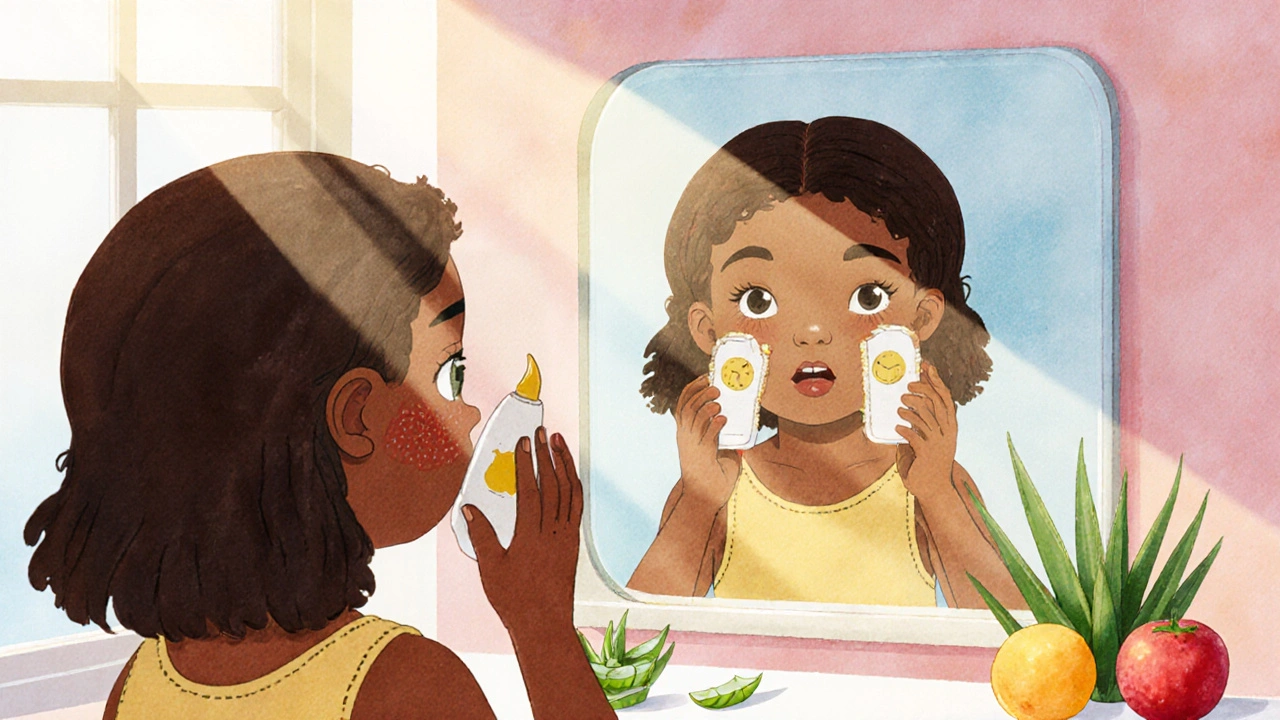
When you have darker skin, a small pimple, a scrape, or even a haircut can leave behind a dark spot that lingers for months-or years. These aren’t just cosmetic issues. They affect confidence, daily routines, and how people see themselves in the mirror. For people with skin of color, two of the most common and frustrating skin concerns are hyperpigmentation and keloids. Both are rooted in how the skin responds to injury, but they look different, act differently, and need different approaches.
What Is Hyperpigmentation in Skin of Color?
Hyperpigmentation happens when your skin makes too much melanin-the pigment that gives skin its color. In darker skin tones, melanocytes (the cells that produce melanin) are more reactive. A minor irritation like acne, eczema, or even an allergic reaction to a shampoo can trigger a flood of melanin, leaving behind a tan, brown, or gray patch. This is called post-inflammatory hyperpigmentation, or PIH. It’s not a scar. It’s a color change, and it’s extremely common. Studies show that up to 65% of people with Fitzpatrick skin types IV to VI experience PIH at some point.Another major form is melasma. Unlike PIH, melasma isn’t caused by trauma. It’s tied to hormones. You’ll often see it as symmetrical brown or gray patches on the cheeks, forehead, or upper lip. It’s more common in women, especially during pregnancy (often called the “mask of pregnancy”), while taking birth control, or during hormone replacement therapy. Sun exposure makes it worse, but even indoor light from screens can contribute. That’s why tinted sunscreens with iron oxides are now a key part of treatment-they block blue light, which lighter skin tones don’t need to worry about as much.
Why Is Hyperpigmentation Harder to Treat in Darker Skin?
The same trait that gives darker skin its rich tone also makes it more prone to overproducing pigment after injury. More melanin means more fuel for the process. What works for someone with fair skin might not work-or could make things worse-for someone with darker skin.For example, laser treatments and aggressive chemical peels can sometimes trigger more pigmentation instead of reducing it. This is called post-inflammatory hyperpigmentation from treatment. That’s why dermatologists who specialize in skin of color start with the gentlest options first: sunscreen, moisturizers, and topical brighteners.
Effective topical ingredients include:
- Hydroquinone (2-4%): The gold standard for lightening, but used cautiously and often in cycles to avoid side effects.
- Tretinoin (retinoid): Speeds up skin cell turnover and helps fade dark spots over time.
- Azelaic acid (15-20%): Reduces inflammation and melanin production. Safe for long-term use and even during pregnancy.
- Vitamin C: An antioxidant that blocks melanin formation and brightens skin without irritation.
- Kojic acid: Derived from fungi, it inhibits tyrosinase, the enzyme that makes melanin.
- Tranexamic acid (topical): A newer option shown to reduce melasma and PIH with fewer side effects than hydroquinone.
- Cysteamine cream (5%): A newer alternative that’s been proven effective in clinical trials for stubborn pigmentation.
It’s not about using everything at once. It’s about building a routine that works for your skin’s sensitivity and lifestyle. Most people start seeing improvement in 6-12 weeks, but full results can take 6 months or longer. Patience is part of the treatment.
The Critical Role of Sun Protection
No treatment for hyperpigmentation works without daily sunscreen. Not just on sunny days. Not just when you’re at the beach. Every single day.UVA rays penetrate clouds and windows. They trigger melanin production even indoors. For people with darker skin, UV exposure doesn’t just darken existing spots-it makes new ones. That’s why dermatologists recommend:
- A broad-spectrum SPF 30 or higher
- Reapplication every two hours if you’re outside
- Tinted formulas with iron oxides to block visible and blue light
- Wearing wide-brimmed hats and protective clothing
- Avoiding direct sun between 10 a.m. and 4 p.m.
Many people skip sunscreen because they think it leaves a white cast. But modern formulas for skin of color are designed to blend in. Look for labels like “sheer,” “invisible,” or “for melanin-rich skin.” Brands like Black Girl Sunscreen, EltaMD UV Clear Tinted, and La Roche-Posay Anthelios have options that don’t leave a gray or ashy residue.
What Are Keloids-and Why Do They Happen More in Darker Skin?
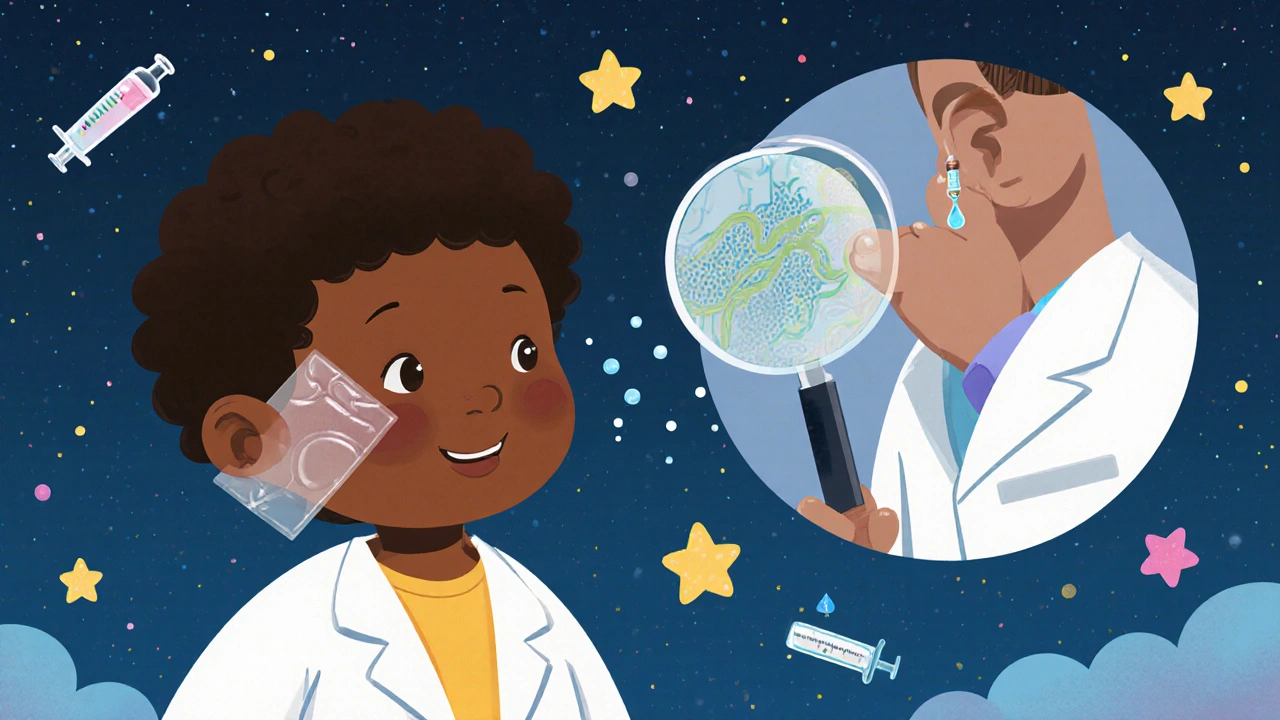
Keloids are different from hyperpigmentation. They’re not discoloration. They’re scars that grow beyond the original wound. Think of a small cut or ear piercing that turns into a raised, rubbery, sometimes itchy or painful bump. That’s a keloid. They’re more common in people with African, Asian, or Hispanic ancestry-and they’re not just a cosmetic issue. They can restrict movement, cause pain, and lead to serious emotional distress.Why do they happen? It’s not fully understood, but genetics play a big role. In skin of color, the healing process goes into overdrive. Fibroblasts (cells that make collagen) keep producing even after the wound is closed. The result? A thick, rope-like scar that keeps growing. Keloids can form after acne, surgery, burns, tattoos, or even insect bites. They’re more likely to appear on the chest, shoulders, earlobes, and jawline.
Unlike PIH, keloids don’t fade on their own. And trying to remove them without proper treatment often makes them worse. Cutting out a keloid without additional therapy has a recurrence rate of over 50%.
Treating Keloids: What Actually Works
There’s no one-size-fits-all fix. But the most effective approach combines multiple treatments:- Silicone gel sheets or pressure earrings: First-line treatment for new or small keloids. Applied daily for months, they flatten and soften scars by reducing collagen production.
- Corticosteroid injections: The most common treatment. Injected every 4-6 weeks, they shrink keloids by reducing inflammation and collagen. Up to 70% of patients see improvement.
- Cryotherapy: Freezing the keloid with liquid nitrogen can reduce size, especially when combined with injections.
- Laser therapy: Pulsed dye lasers reduce redness and flatten keloids. Nd:YAG lasers are safer for darker skin tones and help prevent recurrence.
- Surgery + post-op prevention: Only done if other treatments fail. Must be followed immediately with steroid injections or radiation to prevent regrowth.
Early intervention is key. The sooner you treat a new bump, the better the outcome. If you notice a scar growing after a piercing, cut, or acne lesion, see a dermatologist within a few weeks-not months.

When to See a Dermatologist
You don’t need to wait until dark spots or keloids become unbearable. If you have:- Dark patches that won’t fade after 3 months
- Scars that keep growing after healing
- Acne or eczema that keeps triggering new spots
- Any skin injury that leads to unusual raised tissue
It’s time to get help. A dermatologist who understands skin of color can create a personalized plan. They’ll check for underlying triggers-like hormonal imbalances or medications-and recommend treatments that won’t make things worse.
Many people try over-the-counter bleaching creams or home remedies like lemon juice or baking soda. These can burn the skin, cause more pigmentation, or even lead to permanent damage. Don’t risk it.
Living With Hyperpigmentation and Keloids
These conditions aren’t just skin deep. They affect mental health. Studies show people with visible pigmentation or keloids report lower self-esteem, social anxiety, and even depression. That’s why treatment isn’t just about creams and lasers-it’s about restoring confidence.Support matters. Join online communities. Talk to others who understand. And remember: progress isn’t linear. Some days will feel like setbacks. But with the right care, most people see real improvement.
Consistency beats intensity. Daily sunscreen. Gentle cleansing. Patience. And professional guidance. That’s the formula.
Can hyperpigmentation go away on its own?
Sometimes, yes-but it can take months or even years. Post-inflammatory hyperpigmentation often fades slowly, especially if you avoid sun exposure and treat the root cause (like acne). But for many people, especially those with darker skin, it doesn’t disappear completely without treatment. Waiting too long can make it more stubborn. Early intervention with the right products gives you the best chance of fading it faster.
Are keloids hereditary?
Yes. If someone in your family-especially a parent or sibling-has keloids, you’re more likely to develop them. Genetics play a strong role in how your skin heals. If you know you’re prone to keloids, avoid unnecessary piercings, tattoos, or skin trauma. If you must get a piercing, use pressure earrings and monitor the area closely for any bump forming.
Can I use hydroquinone if I’m pregnant?
Most dermatologists advise against hydroquinone during pregnancy. While there’s no strong evidence it harms the baby, it’s best to avoid it as a precaution. Safe alternatives include azelaic acid, vitamin C, and niacinamide-all proven to help with melasma and PIH without the risks. Always check with your doctor before starting any new skincare product during pregnancy.
Why do some sunscreens leave a white cast on dark skin?
Traditional sunscreens use zinc oxide or titanium dioxide, which are white minerals. On darker skin, they can leave a gray or ashy tint. Newer formulations use micronized particles or tinted bases with iron oxides that blend better. Look for labels like "sheer finish," "for melanin-rich skin," or "tinted." Brands like Black Girl Sunscreen, Supergoop! Unseen Sunscreen, and Beauty of Joseon Relief Sun are designed specifically to avoid this issue.
Can I treat keloids at home?
Home remedies like onion extract gel, tea tree oil, or aloe vera won’t shrink keloids. They might soothe itching, but they don’t stop the overgrowth of scar tissue. Silicone gel sheets are the only proven at-home option-and they need to be worn 12-24 hours a day for months. For anything beyond that, professional treatment is necessary. Trying to cut, burn, or scratch off a keloid can make it worse and lead to even larger scars.
Is laser treatment safe for dark skin?
Yes-but only with the right laser and provider. Not all lasers are safe for skin of color. Pulsed dye lasers and Nd:YAG lasers are generally safe and effective for both hyperpigmentation and keloids. But older lasers like IPL or certain fractional lasers can burn darker skin or trigger more pigmentation. Always ask your dermatologist what type of laser they’re using and whether it’s approved for Fitzpatrick skin types IV-VI. Experience matters more than the machine.
Next Steps: What to Do Today
If you’re dealing with hyperpigmentation or keloids, here’s your simple action plan:- Start using a broad-spectrum, tinted sunscreen with iron oxides every morning.
- Stop picking at acne, scabs, or bumps-this is the #1 trigger for PIH and keloids.
- Visit a dermatologist who specializes in skin of color. Ask if they treat patients with Fitzpatrick types IV-VI.
- Keep a photo journal. Take monthly pictures of your skin. Progress is slow, and photos help you see changes you might miss day-to-day.
- Be patient. Healing takes time, but consistent care makes all the difference.
Your skin deserves care that understands it-not one-size-fits-all advice. You’re not alone. And with the right approach, you can take control.
14 Comments
Sunscreen is a government ploy to sell more products. They don't want you to know melanin naturally blocks UV. Trust no one.
People who use lemon juice on their skin deserve every dark spot they get. This isn't 2005. You have access to science. Stop being lazy.
Hydroquinone is the only real weapon against PIH. Everything else is just placebo with a fancy label. If you're not using 4% and cycling it like a pro, you're wasting your time. And don't even get me started on those 'natural' creams - they're just sugar water with a marketing budget.
Why do they always say skin of color when its just black people why dont they say black skin care like everyone else its not rocket science and why are we always being told we need special stuff like its some magic potion its just skin
In India we use turmeric and milk for years before these creams came. Its not new science just old wisdom with new price tags. Also sunscreen here is expensive and hard to find so we use umbrellas and sarees. Simple works
I've seen too many people waste thousands on lasers, then come back with worse pigmentation. The system is rigged. Big Pharma doesn't want you to know that the real solution is avoiding trauma in the first place. Pick your damn acne. Stop touching your face. It's not complicated. It's not a product. It's behavior.
This post literally made me cry. I had a keloid from a piercing I got at 16 and no one told me it could grow. I felt so alone. Thank you for saying this out loud. I started silicone sheets last month and it's already softer. Small wins 💛
Maybe the real issue isn't the treatment. Maybe it's that we treat skin like it's a problem to fix instead of a part of us. I used to hate my dark spots. Now I see them as maps of my life. Healing isn't always about erasing. Sometimes it's about learning to live with what's there.
You think keloids are bad? Wait till you hear about the truth behind melasma. It's not hormones. It's EMF radiation from your phone and wifi. They don't want you to know. I stopped using my phone and my face cleared up in 3 weeks. Try it. You won't believe it.
America always thinks they invented skincare. In India we had ayurveda for 5000 years. We used neem, sandalwood, and amla long before hydroquinone was even a word. Now they sell it for $80 a bottle and call it innovation. This is cultural theft. Stop acting like you discovered skin. We were here first.
I find it deeply concerning that this article normalizes the use of hydroquinone. The FDA has flagged it as a potential carcinogen. And yet, dermatologists continue to prescribe it without full disclosure. This is not medicine. It's negligence. And the fact that people are being told to 'cycle' it like it's a diet plan is alarming. There are safer alternatives. Why are they not being prioritized?
The article incorrectly states that 'tinted sunscreens with iron oxides are now a key part of treatment.' This is not accurate. Iron oxides block visible light, not UV. The primary defense remains zinc oxide and titanium dioxide. Misinformation like this undermines public trust in dermatology.
I got a keloid from a pimple I popped in high school. Now I'm 32 and it's still there. I tried everything. Laser. Injections. Silicone. Nothing worked. Then I started praying every night. Two months later it shrunk. I don't know if it was God or just my body finally healing. But I stopped chasing creams and started chasing peace. Maybe that's the real treatment.
Just use sunscreen. No other advice needed. Everything else is noise.