
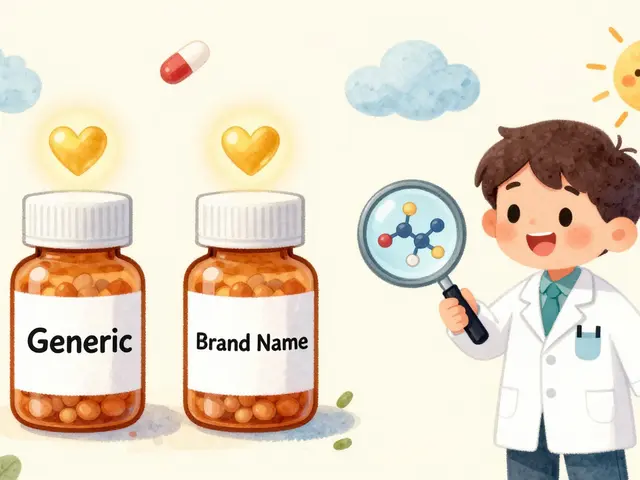
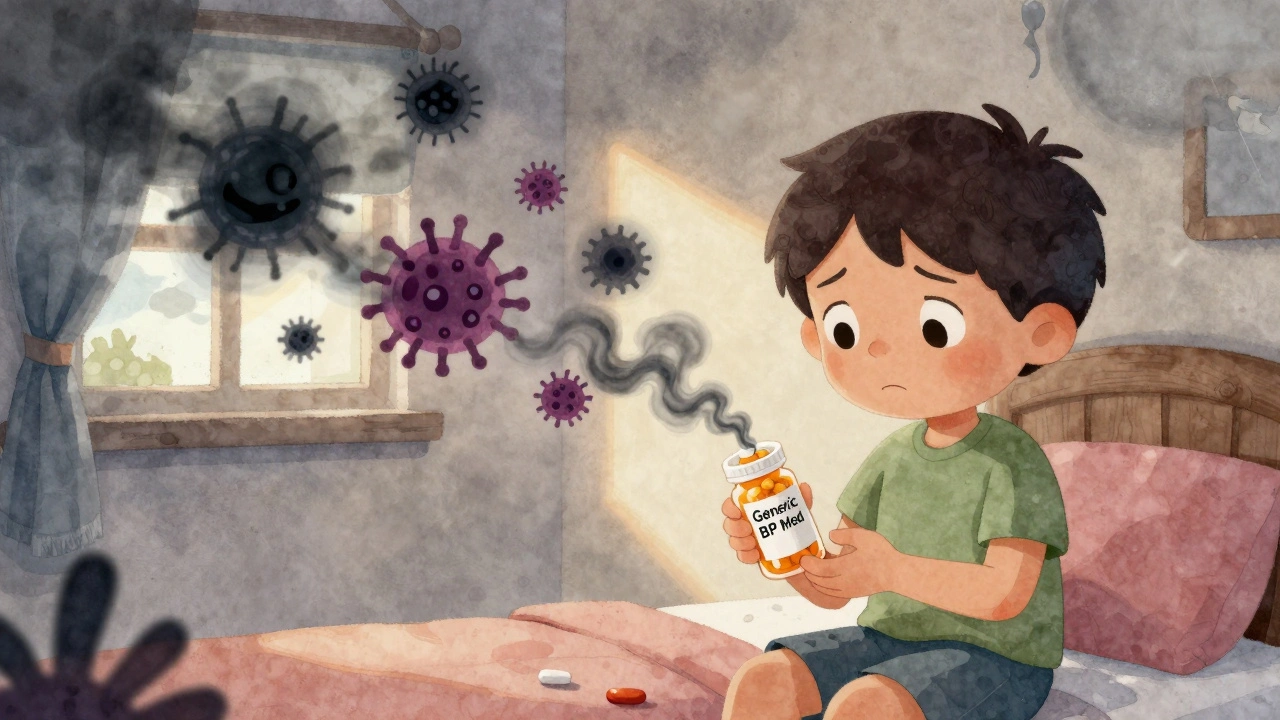
When you pick up a generic prescription, you expect the same effect as the brand-name version-just at a lower price. But what if that pill wasn’t just cheaper? What if it was contaminated? In recent years, contaminated generic drugs have triggered recalls, lawsuits, and even cancer diagnoses. This isn’t a rare glitch. It’s a systemic problem tied to how these drugs are made, where they’re made, and who’s watching.
What’s Really in Your Generic Medicine?
Generic drugs are supposed to be identical to brand-name drugs in active ingredients, dosage, and effectiveness. But between the lab and your medicine cabinet, things can go wrong. Between 2018 and September 2025, over 8,000 drug recalls were issued in the U.S.-and 37% more of them were due to contamination than the year before. The most common culprits? Carcinogens like NDMA and benzene, plus underdosed cancer drugs and leaking opioid patches. Take Valsartan, a blood pressure medication. In 2018, labs found NDMA-a known human carcinogen-in some generic versions. One batch had levels 200 times higher than the FDA’s safe limit of 96 nanograms per day. The source? A manufacturing change at Zhejiang Huahai Pharmaceutical in China, where sodium nitrite was added to speed up production. No one tested if it created toxic byproducts. Over 1,300 federal lawsuits followed. Patients who took the contaminated pills for years saw colorectal cancer rates more than six times higher than normal. Then there’s Mucinex. A lawsuit filed in June 2025 claimed benzene-a known cause of leukemia-was found in some generic versions sold at Walgreens. Independent tests showed concentrations up to 4.7 parts per million, nearly double the FDA’s 2 ppm limit. Two plaintiffs developed bone marrow damage after just 18 months of regular use. Benzene doesn’t cause immediate symptoms. It creeps in, silently damaging cells over time.Chemotherapy That Doesn’t Work
The most terrifying cases aren’t in blood pressure or cold medicine. They’re in cancer treatment. In 2023, a STAT News investigation found 17 chemotherapy drugs from Indian manufacturers failed basic quality tests. Twelve of them contained less than 80% of the labeled active ingredient. The FDA’s acceptable range is 85-115%. That means patients were getting doses too weak to fight tumors. One facility, Intas Pharmaceuticals in Ahmedabad, was caught shredding quality control records and pouring acid on documents to hide failures. The result? A nationwide shortage of chemo drugs in spring 2023. At 92% of major U.S. cancer centers, oncologists had to delay treatments or switch to more expensive brands. One patient at Memorial Sloan Kettering, diagnosed with advanced lymphoma, went into remission after switching from a contaminated generic cisplatin to the brand version. Seven out of 11 others on the bad batch saw no improvement at all.Why Are These Problems So Common?
The root cause isn’t just bad actors-it’s a broken system. The U.S. imports 80% of its active pharmaceutical ingredients (APIs) from China and 40% of finished generic drugs from India. But the FDA inspects fewer than 13% of Indian facilities each year. With over 28,000 foreign plants needing review and only $78 million in the 2025 budget for inspections, the agency is overwhelmed. Manufacturers cut corners because the pressure to be cheap is intense. Generic drug prices have dropped 80% since 2000. Profit margins are razor-thin. That means skipping validation tests, using substandard raw materials, or ignoring environmental controls. One Indian manufacturer, Zee Laboratories, received 46 FDA warning letters since 2018. In one 2024 inspection, 100% of sampled cisplatin vials had visible particles floating in them. Even worse, the FDA has long hidden the names of drugs tied to contaminated factories in its inspection reports. That meant doctors and pharmacists couldn’t tell which generics were risky. A ProPublica investigation showed this secrecy went on since at least 2008. Only in September 2025 did the FDA announce a “Name Transparency Initiative”-but it’s still unclear how fast it will roll out.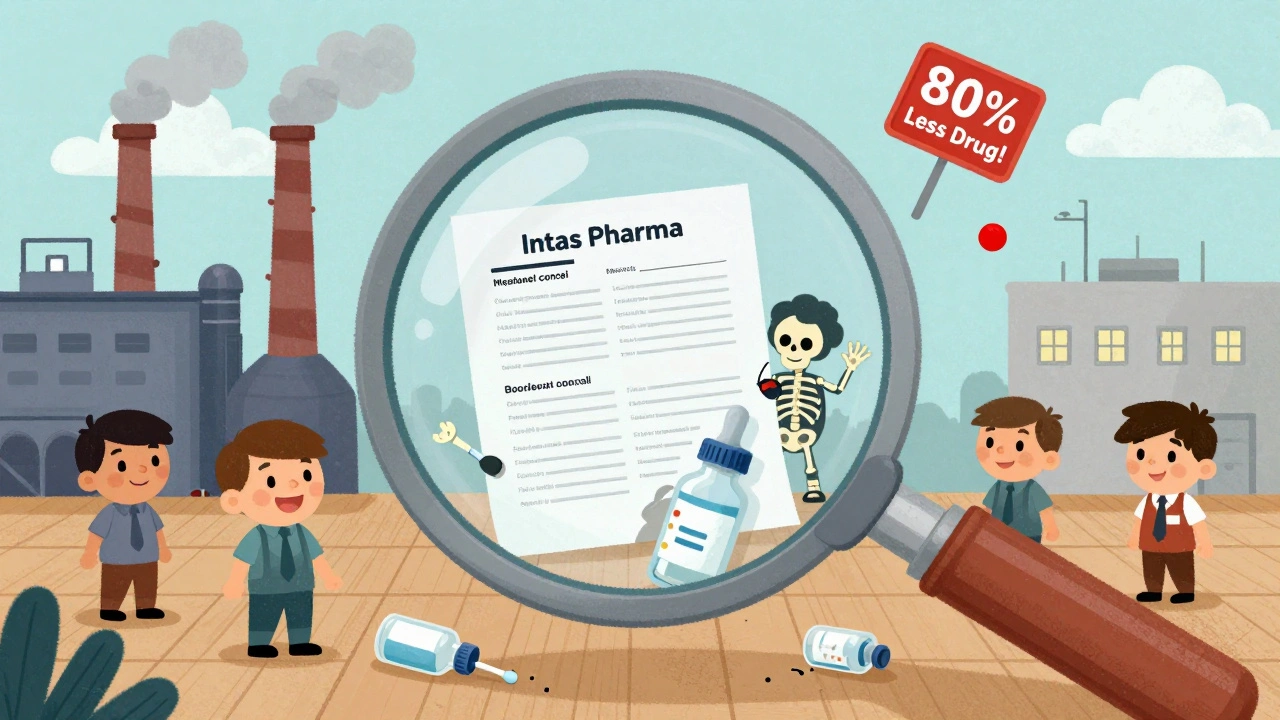
Who’s at Risk?
Patients taking long-term medications are most vulnerable. People on blood pressure meds, thyroid drugs, or chemotherapy aren’t just using these for convenience-they’re using them to stay alive. When a generic levothyroxine batch fails potency testing, patients’ TSH levels spike. They get fatigued, gain weight, or suffer heart problems. One pharmacist on Reddit reported seeing three different batches of generic levothyroxine fail in six months. Patients didn’t improve until they switched to the brand. Opioid patches are another silent danger. Between 2002 and 2025, 52 million fentanyl patches were recalled due to seal failures. In one 2023 recall, 0.8% of Sandoz’s Duragesic patches leaked more than 15% of their intended dose. That’s enough to kill someone who doesn’t tolerate opioids. Emergency rooms saw a spike in overdoses linked to these patches-patients who thought they were on a stable dose suddenly slipped into respiratory failure.What’s Being Done to Fix This?
The FDA’s 2023 update to its Pharmaceutical Quality for the 21st Century initiative pushed for better manufacturing controls-like real-time monitoring of chemical reactions during production. But only 37% of foreign plants use these systems. Continuous manufacturing, which reduces contamination risk by up to 78%, is used in just 3% of Indian facilities. Upgrading a plant costs $5-15 million. Most manufacturers won’t pay unless forced. The Drug Supply Chain Security Act (DSCSA) requires full electronic tracking of all drugs by 2027. Right now, only 62% of pharmacies can verify if a drug’s origin is legit. That means a contaminated batch can move from a factory in India to a warehouse in Ohio to your local CVS before anyone notices. New rules under GDUFA III, introduced in June 2025, now require real-time stability testing for high-risk drugs like chemo and blood pressure meds. That’s a step forward. But without meaningful penalties, companies still see recalls as a cost of doing business. The Valsartan litigation is now the largest pharmaceutical class action in history. Settlements range from $250,000 to $1.2 million per cancer case. Still, ZHP never admitted fault. They just paid.
What You Can Do
You can’t inspect every pill. But you can be smarter about your meds:- Check the FDA’s recall list weekly. Many pharmacists now do this as part of their routine.
- Ask your pharmacist: “Is this generic from a facility that’s had recent FDA warnings?” They have access to inspection reports.
- If you’re on a long-term medication like levothyroxine, blood pressure, or chemo, ask if switching to the brand is an option. Insurance often covers it if you prove the generic isn’t working.
- Report side effects. If you feel worse after switching to a new generic batch, tell your doctor and file a report with the FDA’s MedWatch program.
14 Comments
This is why I always ask for the brand name now. I don't care if it costs $20 more-I'm not risking my life for a $5 savings.
They're not saving us money-they're saving their profits at our expense.
The FDA has been asleep at the wheel for decades. They inspect less than 13% of Indian facilities? That’s not oversight-that’s negligence dressed up as bureaucracy.
And don’t get me started on how they hide factory names. This isn’t a regulatory failure-it’s a criminal cover-up. Someone needs to go to jail, not write a press release.
Patients are dying from preventable contamination, and the agency treats it like a spreadsheet error. The fact that Zhejiang Huahai never admitted fault speaks volumes. They knew. They just didn’t care.
It’s not just about money-it’s about moral bankruptcy. We treat pharmaceuticals like commodities, not life-saving tools. That’s the real crisis.
India makes 40 percent of the world's generic drugs and you blame us for everything
Do you know how many people in America would die without cheap medicine
Do you know how many families in rural India depend on these factories
We are not monsters we are workers trying to survive too
Yes some factories cut corners but you think your FDA is perfect
They failed on opioids too
They failed on vaccines too
Why pick on us
Why not fix your own system
Why not pay more for your drugs
Why not fund inspections properly
It's easy to point fingers from your comfortable couch
Try living in Ahmedabad with a family of five and a factory job that pays $3 a day
Then tell me what you'd do
The systemic nature of this issue is deeply troubling. The convergence of economic pressures, regulatory underfunding, and global supply chain opacity creates a perfect storm for public health failures.
It’s not merely about individual corporate malfeasance, but about structural incentives that prioritize cost-efficiency over patient safety at every level-from raw material procurement to final packaging.
The fact that contamination risks are hidden from prescribers via non-transparent reporting mechanisms suggests a fundamental breakdown in accountability.
Furthermore, the reliance on foreign manufacturing without equivalent inspection capacity reflects a broader policy failure to align public health priorities with trade and economic agendas.
The absence of real-time monitoring in the vast majority of facilities indicates a technological lag that cannot be excused given available innovations.
It’s also worth noting that the burden of detection falls disproportionately on patients and frontline clinicians, who are neither equipped nor compensated to act as de facto quality assurance agents.
This isn’t a flaw in the system-it’s the system.
bro i switched my blood pressure med to brand after my generic made me dizzy for 3 weeks
my doc was like ‘weird’ but then i checked the batch and it was from the same plant that got flagged in june
just ask your pharmacist for the lot number
they can look it up
it’s not hard
and if you’re on chemo or thyroid meds? don’t take chances
your life is worth more than $12
ps i used to think generics were fine till my mom got sick
now i’m paranoid in the best way
my aunt’s levothyroxine batch failed twice in a year
she gained 20 pounds, felt like a zombie, then switched back to Synthroid and boom-normal again
no one told her the batches were different
pharmacists don’t always know either
just saying… don’t assume it’s all the same
if you’re on long-term meds, please talk to your pharmacist about the source of your generic
they have access to inspection reports and can tell you if it’s from a facility with recent warnings
it’s not a weird question-it’s a smart one
and if you’ve had a bad reaction after switching? report it to MedWatch
your voice matters
we’re not just patients-we’re the canaries in the coal mine
and we need to be heard
why always blame India
we make 70 percent of the world’s generics and you still complain
you want cheap medicine you take the risk
or pay more for brand
your FDA doesn’t inspect their own plants properly
remember the tainted heparin from 2008
that was from the US
why not talk about that
you want transparency then fund inspections
don’t just scream at factories in India
you live in the country that created this mess
profit over people
that’s your system
not ours
my dad died from a contaminated chemo batch
they told him it was the same as the brand
it wasn’t
he was on it for 8 months before they figured it out
he didn’t even know until his oncologist found the recall notice
now i check every pill
every batch
every lot number
and i tell everyone i know to do the same
don’t trust the label
trust your gut
and if you feel worse after switching? speak up
someone needs to hear you
❤️
just read this whole thing and my hands are shaking
i take blood pressure meds and thyroid meds
never thought to check where they came from
now i’m going to my pharmacist tomorrow
and asking for the lot number
and if they don’t know? i’m switching to brand
no way i’m risking my health for $10
thank you for writing this
you just saved my life
or at least made me care enough to act
💙
It’s hard to reconcile the idea that a pill-something so small, so routine-could be a silent killer.
And yet, the data doesn’t lie.
What disturbs me most is not the contamination itself, but the normalization of it.
We’ve grown so accustomed to cost-cutting in healthcare that we’ve stopped asking: ‘At what cost?’
Patients are expected to become detectives, to cross-reference FDA reports, to pressure pharmacists, to file reports, to advocate for themselves-while the system that created the problem remains unchanged.
This isn’t individual responsibility-it’s institutional failure.
And until we hold power accountable, not just manufacturers, nothing will change.
Not really.
People think medicine is magic.
It’s not.
It’s chemistry.
And chemistry needs rules.
When you break the rules, things go wrong.
Simple.
But no one wants to pay for rules.
So we pay with lives.
That’s the deal.
The tragedy here isn’t just that drugs are contaminated-it’s that we’ve accepted this as inevitable.
We’ve normalized the idea that safety is a luxury, not a right.
And in doing so, we’ve redefined what ‘affordable’ means.
Is it affordable if it kills you slowly?
Is it affordable if your child’s chemo doesn’t work because the lab skipped a test?
Is it affordable if your parent’s thyroid meds make them feel like they’re drowning in fog?
Maybe the real question isn’t how to fix the system.
Maybe it’s whether we still believe the system is worth fixing.
so i just spent 45 minutes on the FDA website looking up my blood pressure med’s lot number
it’s from a plant that got a warning letter in march
my heart dropped
i called my pharmacy
they said ‘oh we didn’t know’
then i cried
not because i’m dramatic
but because i realized i’ve been trusting strangers with my life
and no one was watching
and now i’m switching to brand
and telling everyone i know
and yes i’m mad
and yes i’m scared
and yes i’m done being quiet
❤️