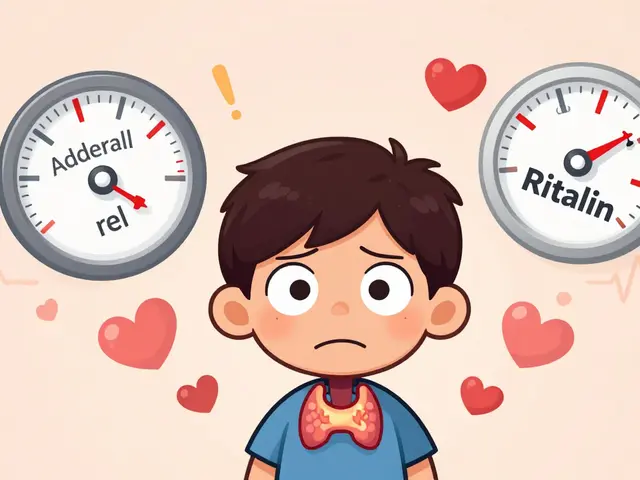
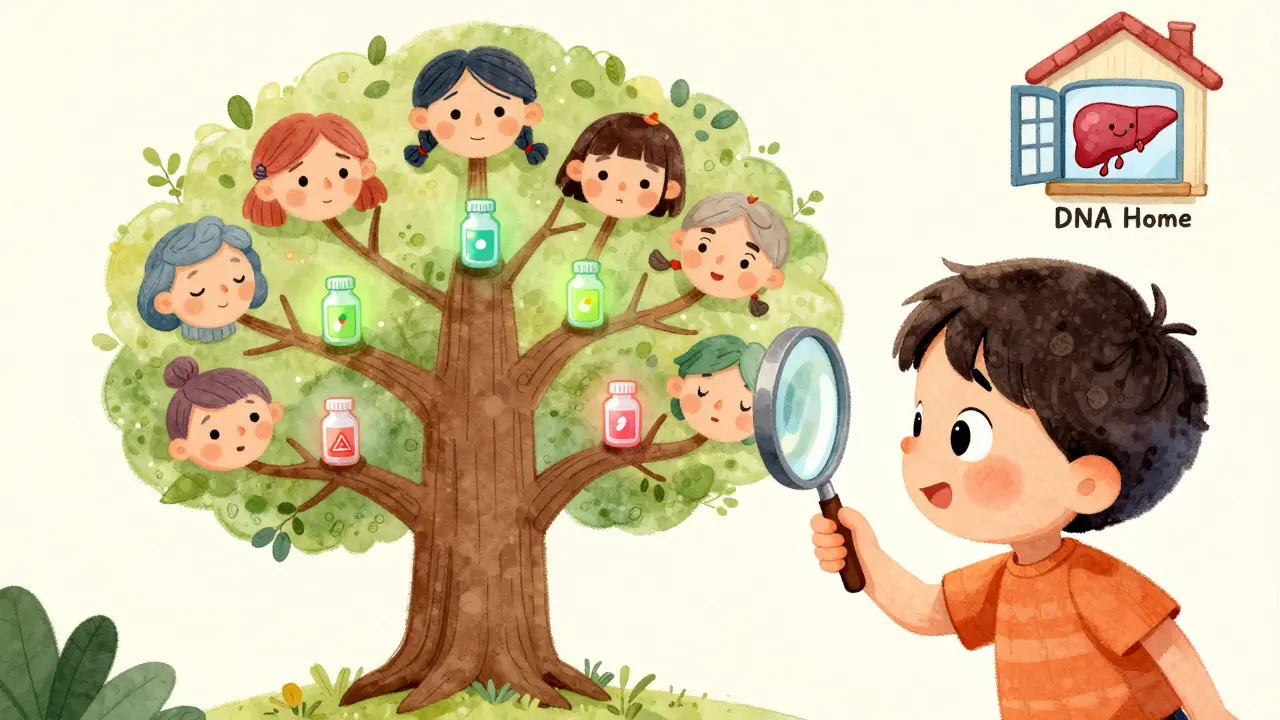
When you switch to a generic drug, you expect the same results as the brand-name version. But what if your body doesn’t respond the same way - not because the drug is different, but because of your genes? This isn’t rare. It’s happening more often than most people realize. Your family history isn’t just about heart disease or diabetes. It’s also about how your body handles medication. And that can make the difference between a drug working perfectly or causing dangerous side effects.
Why Your Genes Matter More Than You Think
Generic drugs are chemically identical to their brand-name counterparts. That’s the law. But your body doesn’t care about the label on the bottle. It cares about what happens inside you. And that’s where your DNA comes in.
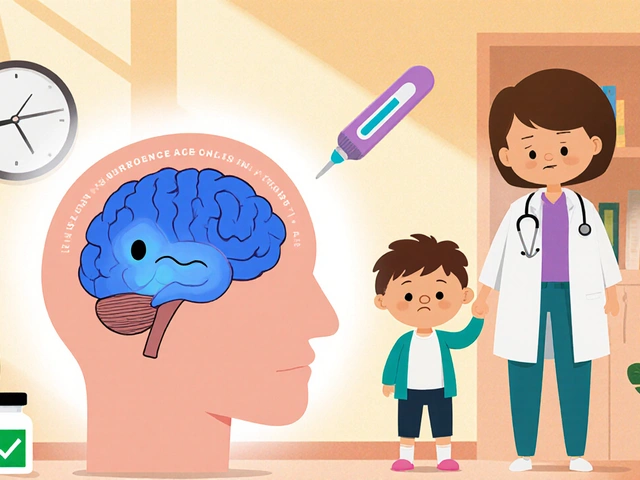
Genes control how fast or slow your body breaks down drugs. Some people are fast metabolizers - their liver zips through medication before it can do its job. Others are slow metabolizers - the drug builds up, turning a safe dose into a toxic one. These differences aren’t random. They’re inherited. If your parent had a bad reaction to a common painkiller or antidepressant, you might share the same genetic setup.
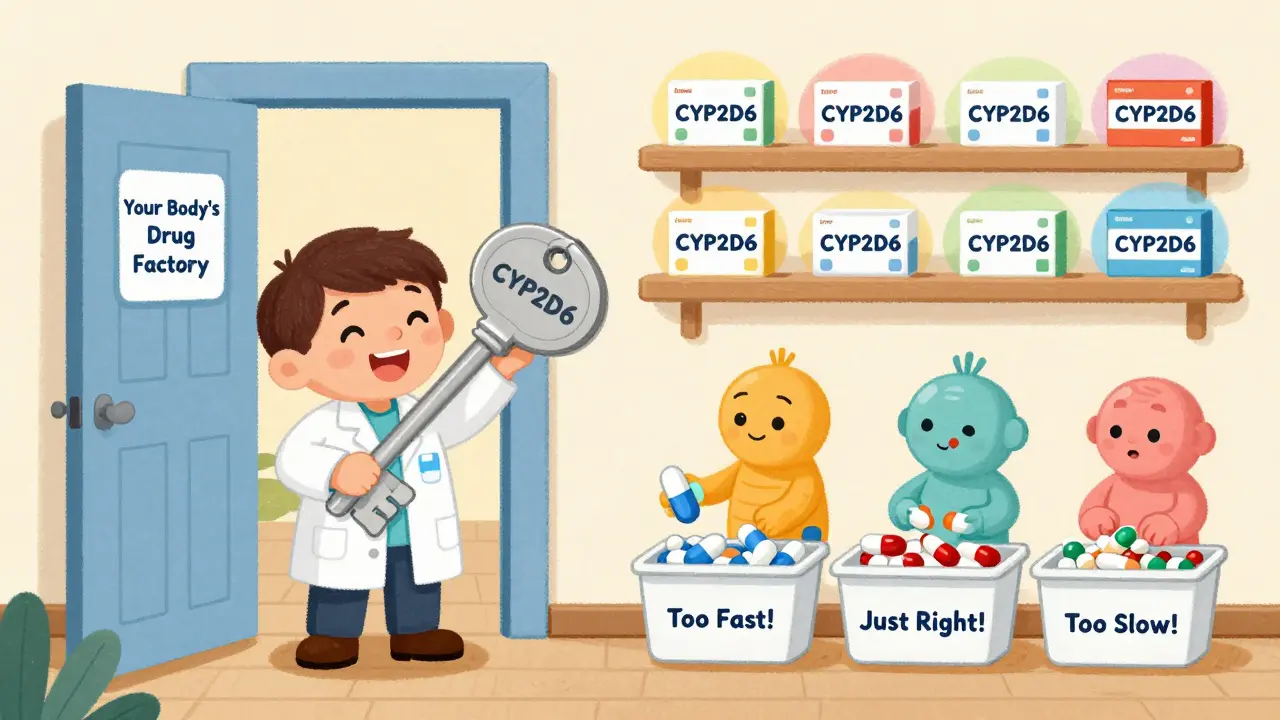
The most studied genes are part of the cytochrome P450 family, especially CYP2D6. This gene handles about 25% of all prescription drugs, including antidepressants like sertraline, beta-blockers like metoprolol, and even codeine. Over 80 variations of CYP2D6 have been found. Some make you a super-metabolizer. Others make you barely metabolize at all. And if you’re a poor metabolizer taking a drug like codeine, you won’t get pain relief - you could get dangerously high levels of morphine in your blood.
Family History as a Genetic Clue
Ask your parents or siblings: Did anyone have a bad reaction to a common medication? Did someone need a lower dose of warfarin? Did a relative have severe diarrhea after taking metformin? These aren’t just anecdotes. They’re red flags.
For example, if your mother had to stop taking a statin because of muscle pain, it might not be coincidence. Variants in the SLCO1B1 gene affect how statins enter liver cells. People with certain versions of this gene are far more likely to get muscle damage. If your family has a pattern of statin intolerance, your risk goes up - even if you’ve never taken one yet.
Same with warfarin. This blood thinner has a narrow safety window. Too little, and you risk a clot. Too much, and you bleed. The FDA started recommending genetic testing for warfarin dosing back in 2008. Why? Because two genes - CYP2C9 and VKORC1 - explain most of the differences in how people respond. People of African descent often need higher doses than those of European or Asian descent, not because of weight or diet, but because of inherited genetic variants.
And it’s not just about adults. Children with leukemia who get thiopurine drugs like mercaptopurine can suffer life-threatening drops in white blood cells if they have low activity in the TPMT gene. Testing for TPMT before starting treatment has cut severe side effects by 90% in pediatric oncology units. That’s not guesswork. That’s genetics saving lives.
Why Generic Switching Can Be Risky Without Genetic Context
Doctors switch patients to generics to save money. Pharmacies do it automatically. But if you’re a slow metabolizer, switching from one brand to another generic - even if they’re identical on paper - can still cause problems. Why? Because the dose might be right for the average person, but not for you.
One patient in Bristol told me her psychiatrist switched her from brand-name sertraline to a generic after her insurance denied coverage. She’d been stable for years. Within two weeks, she was dizzy, nauseous, and had panic attacks. Her doctor blamed stress. She later got a pharmacogenetic test that showed she was a CYP2D6 poor metabolizer. Sertraline builds up in her system. The generic wasn’t the issue - the dose was. She needed half the amount. Her doctor didn’t know to adjust it.
This isn’t an isolated case. A 2023 Mayo Clinic study of 10,000 patients who got preemptive genetic testing found that 42% had at least one high-risk gene-drug interaction. Of those, 67% had their meds changed - and adverse events dropped by 34%. That’s not a small win. That’s life-changing.
What’s Being Done - And What’s Not
The science is solid. Over 300 drug labels now include pharmacogenetic information from the FDA. Guidelines from the Clinical Pharmacogenetics Implementation Consortium (CPIC) tell doctors exactly how to adjust doses based on genes like CYP2C19, TPMT, and DPYD. For example, people with DPYD variants should get lower doses of 5-fluorouracil, a common chemo drug. Without the test, they risk fatal toxicity.
But here’s the gap: most GPs don’t test. Only 32% of community hospitals in the U.S. offer pharmacogenetic testing. In the UK, it’s even sparser. Most doctors haven’t had training. A 2022 survey found 79% of clinicians said they didn’t have time to interpret results. And many don’t know how to read a star allele report (like CYP2D6*4/*5) or what it means for their patient.
Meanwhile, companies like Color Genomics and OneOme offer at-home tests for under £250. They test for 10-20 key genes and send a report to your doctor. But if your doctor doesn’t know what to do with it, the test is useless. That’s the broken link.
What You Can Do Right Now
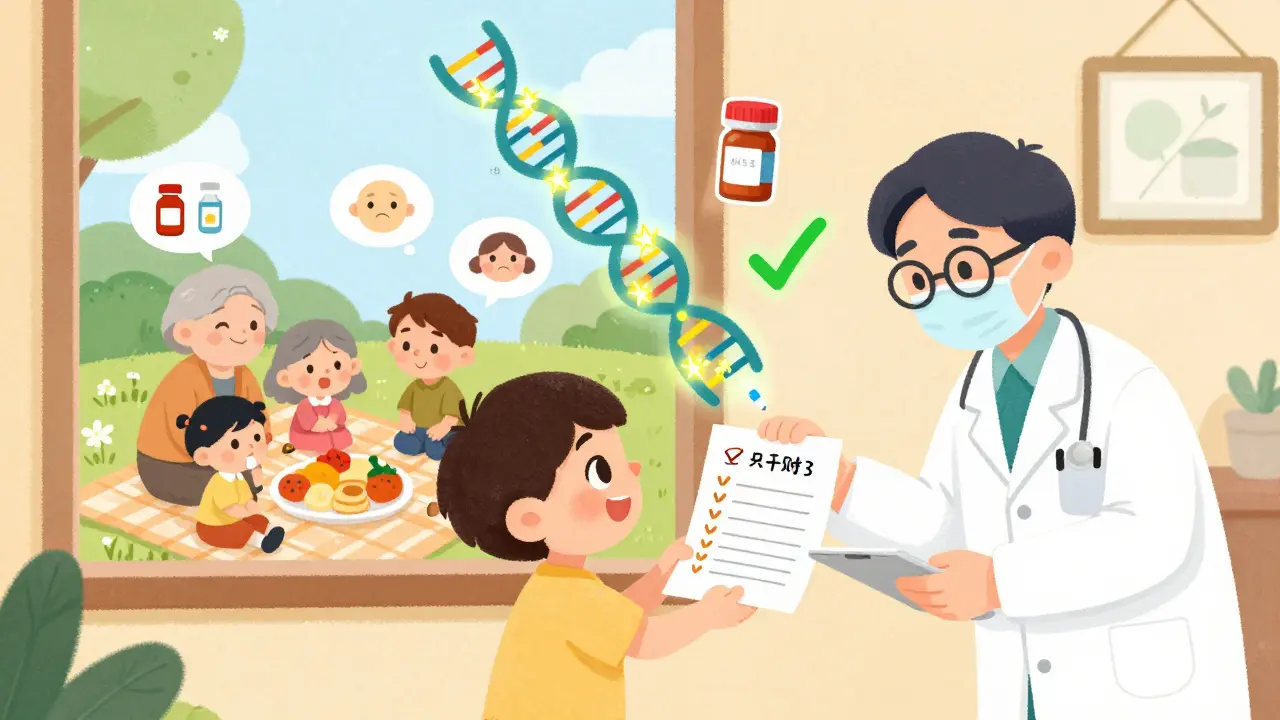
You don’t need to wait for your doctor to order a test. Here’s what you can do today:
- Collect your family’s medication history. Ask about reactions to antidepressants, painkillers, blood thinners, statins, and chemo drugs. Write it down.
- Ask your pharmacist. Pharmacists are trained to spot drug-gene interactions. Show them your list. Ask: “Could any of these be affected by genetics?”
- Request a pharmacogenetic test if you’ve had unexplained side effects. If you’ve had a bad reaction to a drug that worked fine for others, it’s worth testing. Ask your GP for a referral to a clinical genetics service.
- Know your results. If you get tested, don’t just file the report. Understand your phenotype: poor, intermediate, normal, or ultra-rapid metabolizer. Know which drugs to avoid or adjust.
One woman in Bristol, after her father died from 5-FU toxicity, got tested. She found she had a DPYD variant. When she was later diagnosed with bowel cancer, her oncologist cut her chemo dose by 30%. She finished treatment with no hospital stays. That’s not luck. That’s knowing your genes.
The Future Is Personal
The NHS and UK research groups are starting to pilot pharmacogenetic testing for high-risk drugs like clopidogrel and warfarin. The All of Us program in the U.S. is returning genetic results to over a million people - including UK participants. By 2025, most academic hospitals plan to offer preemptive testing.
But you don’t have to wait. Your genes are already influencing how you respond to every pill you take. Whether it’s a generic aspirin or a branded antidepressant, your body doesn’t care about the label. It cares about your DNA.
Family history isn’t just a story. It’s a warning system. And if you ignore it, you’re leaving your health to chance.
Can my family history predict how I’ll react to generic drugs?
Yes. If close relatives had bad reactions to specific medications - like severe side effects from antidepressants, statins, or blood thinners - you may share the same genetic variants that affect how your body processes those drugs. Family history is one of the strongest clues that pharmacogenetic testing could help you.
Are generic drugs less effective because of genetics?
No. Generic drugs are chemically identical to brand-name versions. The issue isn’t the drug itself - it’s how your body breaks it down. If you’re a slow metabolizer, even the same generic drug can build up to toxic levels. The problem is dosing, not quality.
Which genes affect drug response the most?
The top genes are CYP2D6 (affects 25% of drugs), CYP2C9 and VKORC1 (warfarin), CYP2C19 (clopidogrel, proton pump inhibitors), TPMT (chemotherapy drugs like mercaptopurine), and DPYD (5-fluorouracil). These are the most clinically validated and tested.
Is pharmacogenetic testing covered by the NHS?
Currently, the NHS doesn’t routinely cover pharmacogenetic testing outside of specific cases - like testing for TPMT before starting thiopurines for leukemia or DPYD before 5-FU chemotherapy. For other drugs, testing is usually private or part of research studies. Ask your doctor if you qualify.
How do I get tested for pharmacogenetic variants?
You can ask your GP for a referral to a clinical genetics service, especially if you’ve had unexplained drug reactions. Alternatively, you can order a direct-to-consumer test from companies like Color Genomics or OneOme (costing around £200-£400). Make sure the report is shared with your doctor so they can act on it.
Will my test results affect my insurance or employment?
In the UK, the Genetic Information Nondiscrimination Act doesn’t exist yet, but the NHS and private insurers are bound by the Data Protection Act 2018 and GDPR. Your genetic data cannot be used to deny health insurance or employment. However, life insurance companies may ask about genetic test results - so understand your rights before testing.
9 Comments
Genetics my ass. I took generic sertraline for 3 years and never had an issue. People blame genes because they don’t want to admit they’re just sensitive or lazy about their health.
OMG I’m so glad someone finally said this 😭 My mom died from a "generic" statin and the doctor said "it’s just bad luck". Like, no it’s not. It’s your DNA screaming for help and the system just shrugged. I got tested last year. CYP2D6 poor metabolizer. Now I take half the dose. I’m alive. Thank you for writing this. 🙏
This is one of the most important pieces I’ve read in years. The science is crystal clear: pharmacogenomics isn’t futuristic-it’s foundational. In India, we’re only starting to see this in urban hospitals, but rural patients still get prescribed drugs like warfarin or clopidogrel with zero genetic context. The gap between knowledge and access is terrifying. We need community pharmacists trained, not just doctors. And insurance companies must cover testing-not as a luxury, but as standard of care. The cost of not testing? Lives. Not just money.
so like… your genes are basically your body’s version of a wifi signal? some people get full bars, some get one bar and keep buffering? and the generic drug is just… the router? idk man. i’m just saying, if my grandma got sick from aspirin, does that mean i’m doomed? or is this just another way to sell tests?
USA spends billions on pharma but won’t test genes? Typical. In India we don’t have fancy labs but we know family history. My uncle died from chemo because they didn’t check TPMT. We don’t need a $300 test. We need doctors who listen. Your system is broken because it values profit over people.
My doctor didn’t know what CYP2D6 meant. I had to Google it and print the page. Then he changed my dose. So yeah. Do the test. Bring the paper. Make them read it. You’re your own best advocate.
So let me get this straight… you’re saying I shouldn’t trust my generic Xanax because my cousin got weird on it? Bro. I’ve been on it for 8 years. My body doesn’t care what the label says. It just wants to chill. 😒
you know what’s wild? i had a cousin who got hospitalized after taking a generic version of metoprolol. he was fine on the brand. same chemical, right? but his liver just… didn’t like it. we didn’t know why until his sister got tested and found out he was a CYP2D6 ultra-rapid metabolizer. now every time someone in our family gets a new script, we ask: "what’s the gene?" it’s not paranoia, it’s survival. and honestly? i’m tired of hearing "it’s just a generic" like it’s some kind of insult to the science. the science is screaming. are we even listening? i’ve seen people die because no one connected the dots between grandma’s bad reaction and their own prescription. we’re not just talking about side effects here. we’re talking about inherited biological traps. and the system? it’s still asleep. if you’ve ever had a drug make you feel worse instead of better? don’t brush it off. write it down. tell your family. get tested. it’s not about being paranoid. it’s about being alive.
Wait… so if my dad had a bad reaction to codeine, does that mean I shouldn’t take it either? Or is it just a 50/50 shot? And what if I don’t know my family history? Like… I was adopted. Do I just guess?