
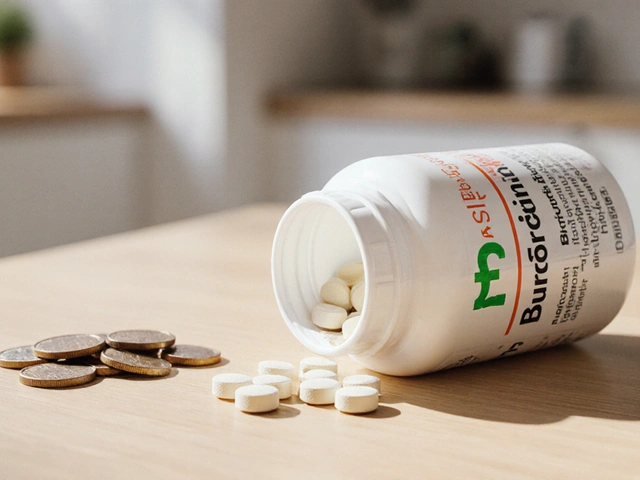
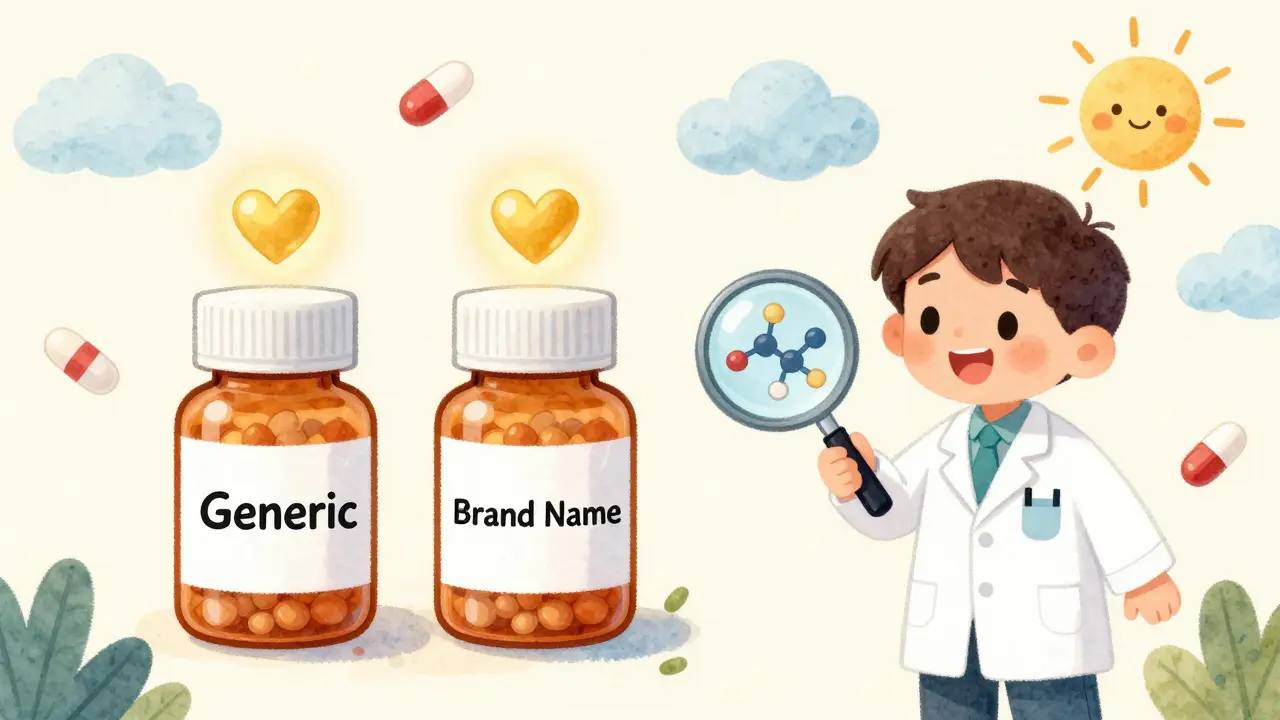
When you pick up a prescription, you might see a different name on the bottle than what your doctor wrote. That’s not a mistake-it’s a generic drug. These medications contain the same active ingredient as the brand-name version but cost a fraction of the price. For most people, switching to a generic works just fine. But for some, something feels off. Fatigue. Anxiety. Dizziness. Maybe even a return of symptoms they thought were under control. And that’s when the question pops up: are generic drugs more likely to cause side effects?
What Does the Science Actually Say?
The U.S. Food and Drug Administration (FDA) says no. Generics must prove they’re bioequivalent to the brand-name drug. That means they deliver the same amount of active ingredient into your bloodstream at the same speed-within a 20% margin. That’s the rule. And for most drugs, that’s enough. A major 2018 study in PLOS Medicine looked at over 38 clinical trials involving heart medications, diabetes drugs, and antidepressants. The results? No meaningful difference in safety or effectiveness between generics and brand-name versions. Patients had similar rates of hospitalization, heart attacks, and treatment failure. But science doesn’t always match lived experience. Some patients swear their generic version doesn’t work the same. Why? It’s not always about the active ingredient. Generics can have different fillers, dyes, or coatings. These are called inactive ingredients. For most people, they’re harmless. But if you’re sensitive to a specific dye or preservative, you might notice a reaction. That’s not the drug failing-it’s your body reacting to something else in the pill.The Nocebo Effect: When Expectations Create Symptoms
Here’s something surprising: sometimes, the side effects aren’t real-at least not in the way you think. The nocebo effect is the opposite of the placebo effect. Instead of feeling better because you believe a treatment works, you feel worse because you believe it won’t. And when it comes to generics, that belief is widespread. One study gave people identical placebo pills but told half they were brand-name and half they were generic. The group told they were taking the generic reported more side effects-even though the pills were exactly the same. Another study found that patients who switched from brand-name to generic antidepressants were more likely to report anxiety or insomnia, even when lab tests showed no difference in blood levels of the drug. The act of switching, combined with the stigma around generics, triggered real symptoms. This isn’t just in the mind. It’s a real biological response to expectation. Your brain anticipates trouble, and your body responds accordingly. That’s why education matters. Patients who received a clear explanation about generic equivalence were 37% less likely to report side effects after switching.When Generics Really Do Cause Problems
There are exceptions. For drugs with a narrow therapeutic index, even tiny differences in absorption can matter. These are medications where the line between effective and toxic is thin. Think warfarin (a blood thinner), levothyroxine (for thyroid disorders), or phenytoin (for seizures). In these cases, switching between different generic manufacturers-even if both are FDA-approved-can cause fluctuations in blood levels. Patients on warfarin have reported unstable INR levels after switching generics. That’s dangerous. A slight rise in INR can lead to bleeding. A drop can lead to clots. For levothyroxine, even a 10% change in absorption can cause symptoms like heart palpitations, weight gain, or fatigue. That’s why some doctors recommend sticking with the same brand or manufacturer-especially if you’ve been stable for months. The FDA acknowledges this. While they say generics are safe for most, they also advise that for these high-risk drugs, consistency matters. If you’re on one of these medications and you notice a change after switching, talk to your doctor. Don’t assume it’s all in your head.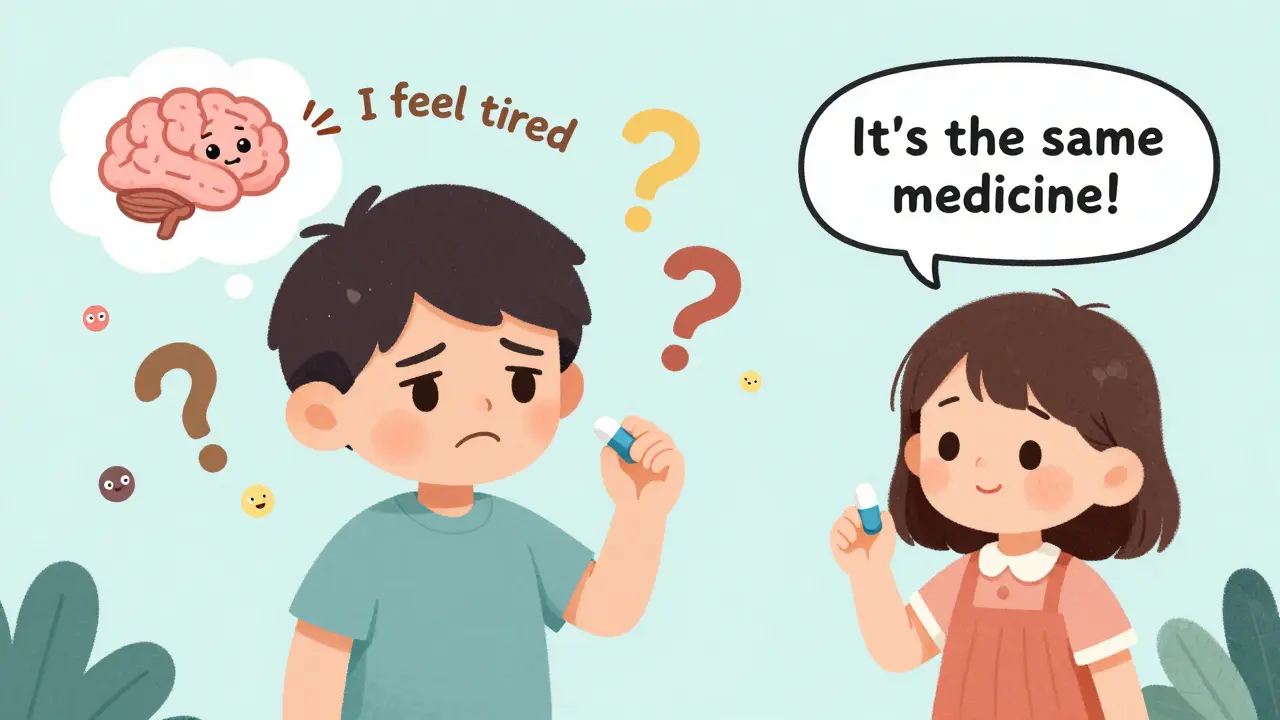
Where Are These Drugs Made?
About 90% of the pills Americans take are generics. And most of them aren’t made in the U.S. As of 2022, 63% of generic drug manufacturing facilities were overseas-32% in India, 18% in China. That’s not inherently bad. But it raises questions. A 2022 study from Ohio State University found that generic drugs made in India were linked to 54% more severe adverse events-including hospitalizations and deaths-compared to those made in the U.S. The researchers focused on older, well-established drugs, suggesting that long-standing generics might face quality control issues over time. The FDA disagrees with this conclusion. They say facility location doesn’t predict quality. They inspect foreign plants, too. In 2022, they conducted 317 inspections of generic manufacturing sites worldwide, up from just 42 in 2010. Still, 12% of foreign facilities received an “Official Action Indicated” rating-meaning serious violations were found. This doesn’t mean all Indian-made generics are unsafe. It means oversight matters. And for patients, it means being aware that not all generics are created equal-even if they carry the same label.What About Authorized Generics?
There’s another type of generic: the authorized generic. These are made by the original brand-name company but sold under a different label. They’re identical to the brand version-same ingredients, same factory, same packaging. Yet they’re priced like generics. One study found that authorized generics had far fewer adverse event reports than regular generics. Why? Because they’re the same drug. No variation in fillers. No change in manufacturing process. If you’ve had problems with a generic before, trying an authorized version might be the fix-without paying brand-name prices.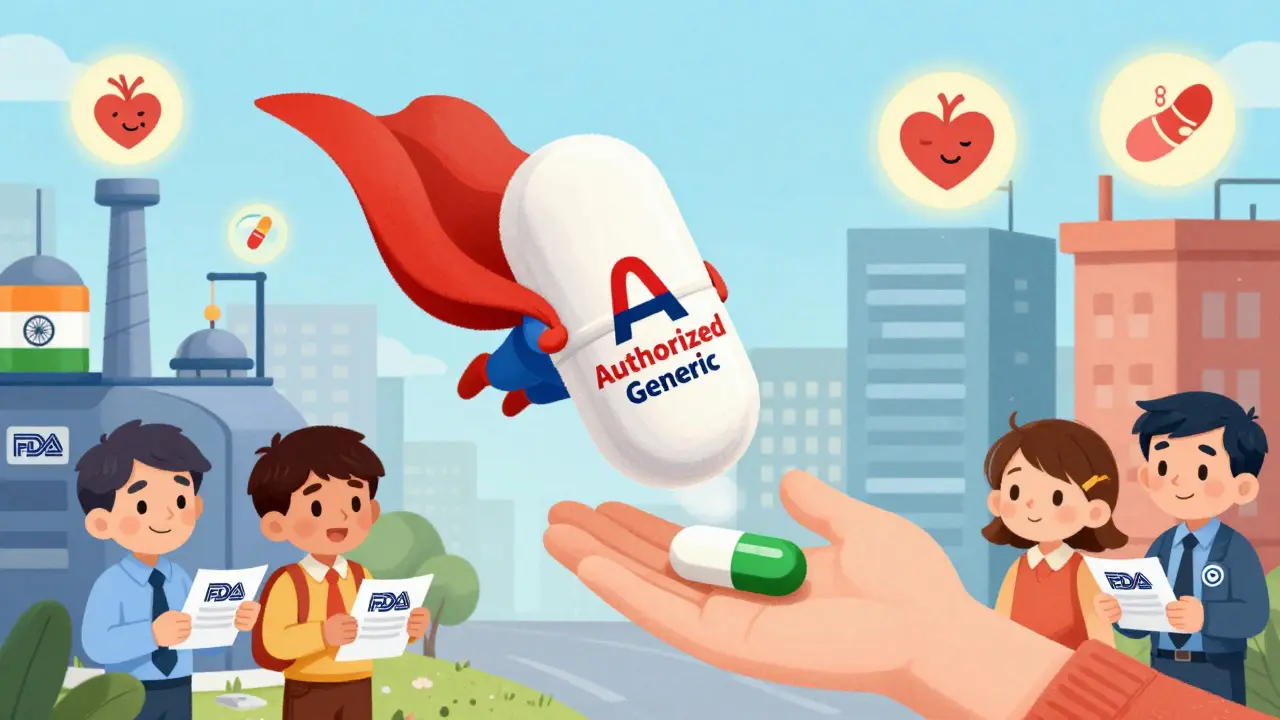
What Should You Do?
If you’re taking a generic drug and feel fine? Keep taking it. Generics save billions every year and are safe for most people. But if you notice new or worsening side effects after switching to a generic, don’t ignore it. Track your symptoms. Note when they started. Write down any changes in dosage, timing, or even the pill’s color or shape. Bring this to your doctor or pharmacist. They can check if the manufacturer changed. They can ask for the same generic you were on before. Or, if it’s a high-risk drug, they can request a brand-name prescription. You have rights. You can ask for the brand name. You can ask for a specific generic manufacturer. You can ask for an authorized generic. Insurance might push back-but if your health is at stake, it’s worth fighting for.The Bottom Line
For the vast majority of people, generics are just as safe and effective as brand-name drugs. The science backs it. The savings are real. But for a small group-those on narrow-therapeutic-index drugs, those sensitive to inactive ingredients, or those affected by the nocebo effect-the experience can be different. It’s not about generics being inherently dangerous. It’s about understanding that medicine isn’t one-size-fits-all. Your body reacts to more than just the active ingredient. It reacts to your expectations, your history, your environment. And sometimes, even a tiny change in a pill can trigger a big response. The goal isn’t to avoid generics. It’s to use them wisely. Know your drug. Know your body. And don’t be afraid to speak up if something feels off.Are generic drugs less safe than brand-name drugs?
For most people, no. The FDA requires generics to meet the same strict standards for active ingredients, strength, and absorption as brand-name drugs. Large studies show no meaningful difference in safety or effectiveness for the majority of medications. However, rare cases-especially with drugs that have a narrow therapeutic index-can involve differences due to inactive ingredients or manufacturing variations.
Why do some people feel worse after switching to a generic?
There are a few reasons. First, generics may contain different inactive ingredients like dyes or fillers, which can trigger sensitivities. Second, the nocebo effect plays a big role-people expect side effects from generics and may unconsciously experience them. Third, for drugs like warfarin or levothyroxine, even small changes in absorption can cause noticeable symptoms. Tracking symptoms and talking to your doctor can help identify the cause.
Should I avoid generics if I’m on a blood thinner or thyroid medication?
Not necessarily, but consistency is key. If you’re stable on a specific generic brand, stay with it. Switching between different generic manufacturers can cause fluctuations in blood levels. For drugs like warfarin or levothyroxine, your doctor may recommend "Dispense as Written" on your prescription to prevent switches. If you notice new symptoms after switching, get your blood levels checked immediately.
Can I ask for a brand-name drug instead of a generic?
Yes. You have the right to request the brand-name version, even if a generic is available. Your doctor can write "Dispense as Written" or "Do Not Substitute" on the prescription. Insurance may require prior authorization or ask you to pay more out-of-pocket, but your health comes first. If you’ve had bad reactions to generics, this is a valid medical reason to stick with the brand.
Are generics made in India or China less safe?
The FDA inspects manufacturing facilities worldwide, including those in India and China. While some studies suggest higher rates of severe adverse events linked to Indian-made generics, the FDA says facility location doesn’t determine quality. However, supply chain complexity increases risk. If you’re concerned, ask your pharmacist which company made your generic. Authorized generics or those made by U.S.-based manufacturers may offer more consistency.
What’s an authorized generic, and should I consider it?
An authorized generic is made by the original brand-name company but sold under a generic label. It’s identical to the brand drug-same ingredients, same factory, same quality. It often costs much less than the brand and avoids the variability of other generics. If you’ve had issues with regular generics, an authorized version might be the best middle ground: same effectiveness, lower cost.
9 Comments
Generics are fine for most people, but the FDA's 20% bioequivalence margin is a joke. That’s not precision-it’s a gamble. I’ve seen patients on warfarin go from INR 2.3 to 4.8 after a manufacturer switch. No one’s tracking this systematically. And don’t get me started on the fillers-some generics use lactose or FD&C dyes that trigger real reactions in sensitive people. Science says ‘no difference,’ but clinical reality says otherwise.
As someone from India who works in pharma, I find this whole debate insulting. We make 40% of the world’s generics. Yes, some plants get flagged-but so do U.S. facilities. The FDA inspected 317 sites last year. That’s not negligence, that’s oversight. If your pill looks different, it’s not because we’re cutting corners-it’s because you’re used to brand-name aesthetics. Stop blaming the maker and start blaming the fear.
It is not merely a question of pharmacokinetic equivalence; it is, rather, a systemic failure of epistemological humility. The medical establishment clings to the myth of bioequivalence as a dogma, despite the fact that bioequivalence does not imply therapeutic equivalence. The nocebo effect, while psychologically verifiable, cannot account for the documented variability in serum concentrations of levothyroxine across generic manufacturers. One must therefore conclude that regulatory capture has rendered the FDA incapable of recognizing the ontological distinction between chemical identity and physiological outcome.
I switched to a generic antidepressant last year and felt like a zombie for weeks 😔 Then I switched back to the brand and boom-my energy came back. I didn’t think it was placebo, but I didn’t know how to prove it. My pharmacist told me to check the pill imprint-turns out the generic had a different dye. I asked for the authorized generic next time and now I’m fine 🙌 Don’t ignore your body. You know it better than any study.
90% of pills made overseas? 🤔 The FDA says they inspect plants, but how many of those inspections are scheduled? And who’s really paying for the inspectors? Big Pharma owns the FDA, and generics are the Trojan horse. They want you dependent on cheap pills so you’ll never question the system. And the nocebo effect? That’s just what they tell you to shut you up. The real reason you feel worse? The pills are laced with heavy metals or unapproved binders. China and India aren’t just manufacturing-they’re experimenting on Americans. Check your pill’s lot number. Look it up. You’ll be shocked.
Listen, I used to be a nurse. I’ve seen people panic because their generic pill was blue instead of white. They’d swear it didn’t work-but when we checked blood levels, it was spot on. The nocebo effect is real, and it’s powerful. But here’s the thing: if someone says they feel worse, don’t dismiss them. Just because it’s psychological doesn’t mean it’s not real. Help them understand. Give them options. And if they’re on warfarin? Don’t switch unless you’re ready to monitor them like a hawk. Small changes. Big consequences.
I’ve been on levothyroxine for 12 years. I was stable on one generic for eight. Then my insurance switched me. Within weeks, I gained 15 pounds, my heart raced, and I couldn’t sleep. I went to my doctor. He said, ‘It’s probably stress.’ I said, ‘No. It’s the pill.’ I requested my original manufacturer. It took three calls and a letter from my doctor. They approved it. I feel human again. Don’t let insurance decide your health. Fight for consistency.
One must acknowledge the fundamental asymmetry in the regulatory framework: brand-name manufacturers are held to a standard of perfection, while generics are permitted a 20% variance in absorption-a threshold that, for drugs with a narrow therapeutic index, constitutes a clinical risk. The FDA’s assertion of equivalence is not merely an administrative convenience; it is a tacit endorsement of medical arbitrariness. The patient, in this context, is not a subject of care but a unit of cost containment. This is not science. It is economics masquerading as medicine.
Hey, I just want to say-this post hit home. My mom’s on warfarin, and she had a bleed after a generic switch. We didn’t know why until her pharmacist noticed the manufacturer changed. Now we get her the same one every time. It’s not about being anti-generic. It’s about being pro-stability. If you’re on a high-risk med, ask your doc to write ‘Dispense as Written.’ It’s your right. And if you’re worried about cost? Ask about authorized generics-they’re the same pill, cheaper. You’re not being difficult. You’re being smart.