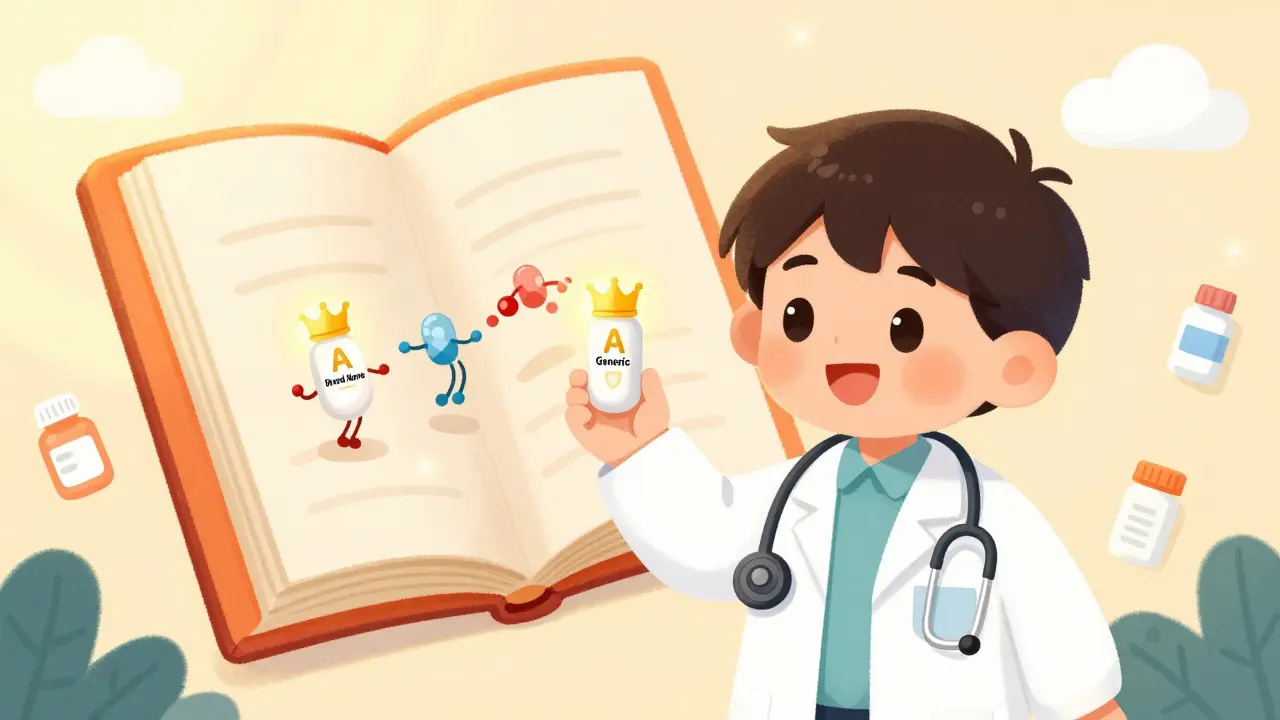
FDA Orange Book: How Approved Generic Drugs Are Listed
The FDA Orange Book lists approved generic drugs and tells pharmacists which ones can safely replace brand-name medications. It's the key to lower drug prices in the U.S.
Read more
The FDA Orange Book lists approved generic drugs and tells pharmacists which ones can safely replace brand-name medications. It's the key to lower drug prices in the U.S.
Read more
TZDs like pioglitazone help control blood sugar but often cause weight gain and fluid retention. Learn proven ways to reduce swelling, avoid heart risks, and stay on track with your diabetes treatment.
Read more
Learn the key differences between acute and chronic low back pain, and why physical therapy timing makes all the difference in recovery. Discover what actually works - and what doesn’t - based on current research and patient outcomes.
Read more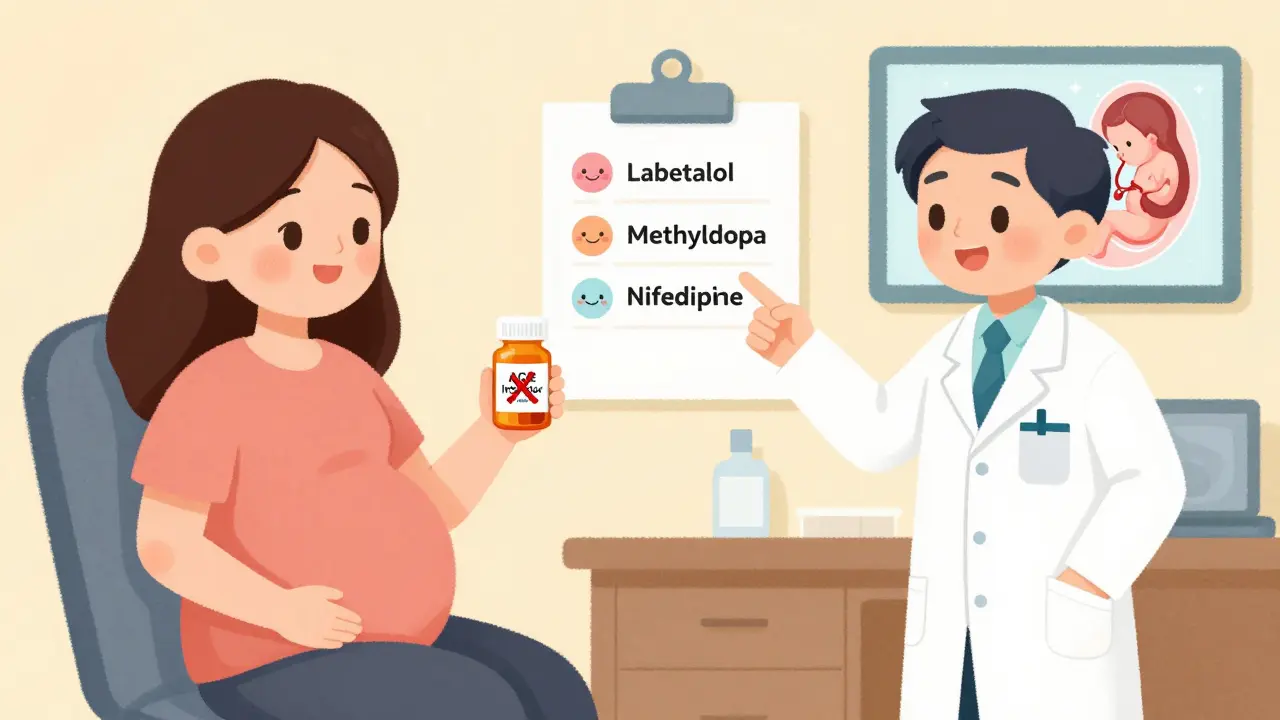
ACE inhibitors and ARBs can cause serious fetal harm during pregnancy, including kidney damage and miscarriage. Learn why these drugs are dangerous and what safe alternatives exist for managing high blood pressure while pregnant.
Read more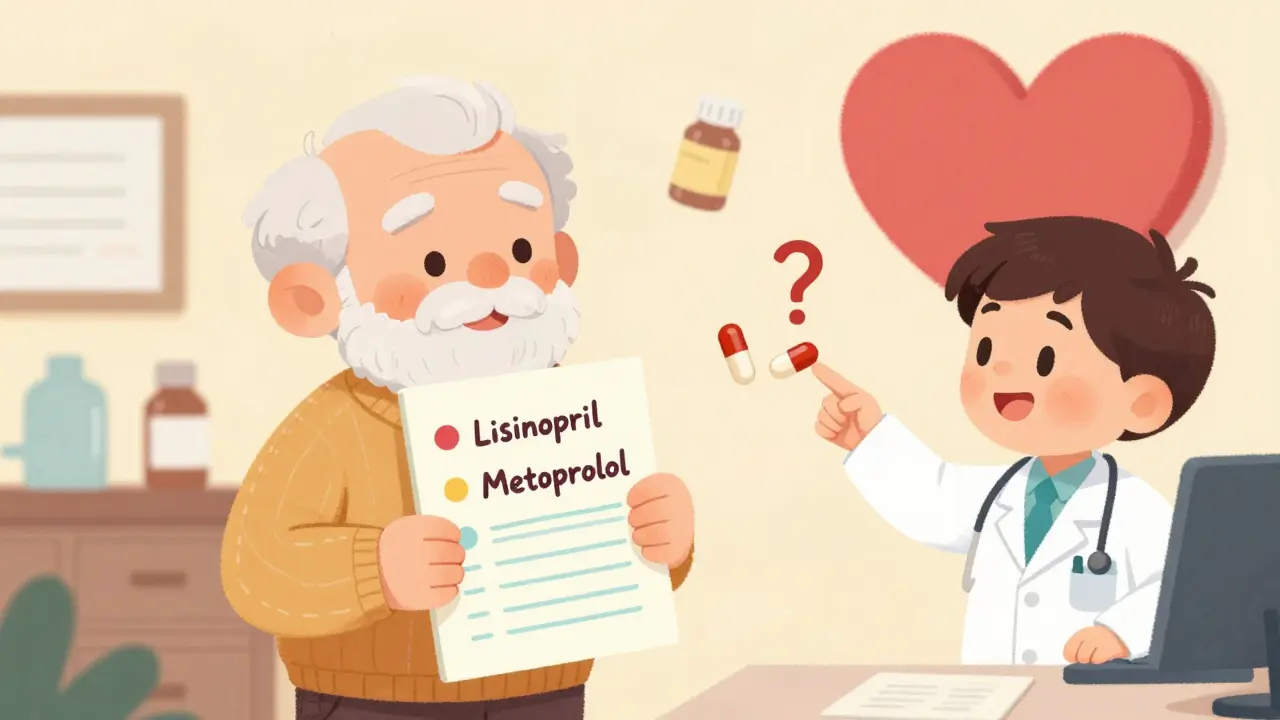
Avoid dangerous drug duplicates after specialist visits by keeping a full medication list, using one pharmacy, and asking key questions at every appointment. Simple steps can prevent serious side effects in seniors.
Read more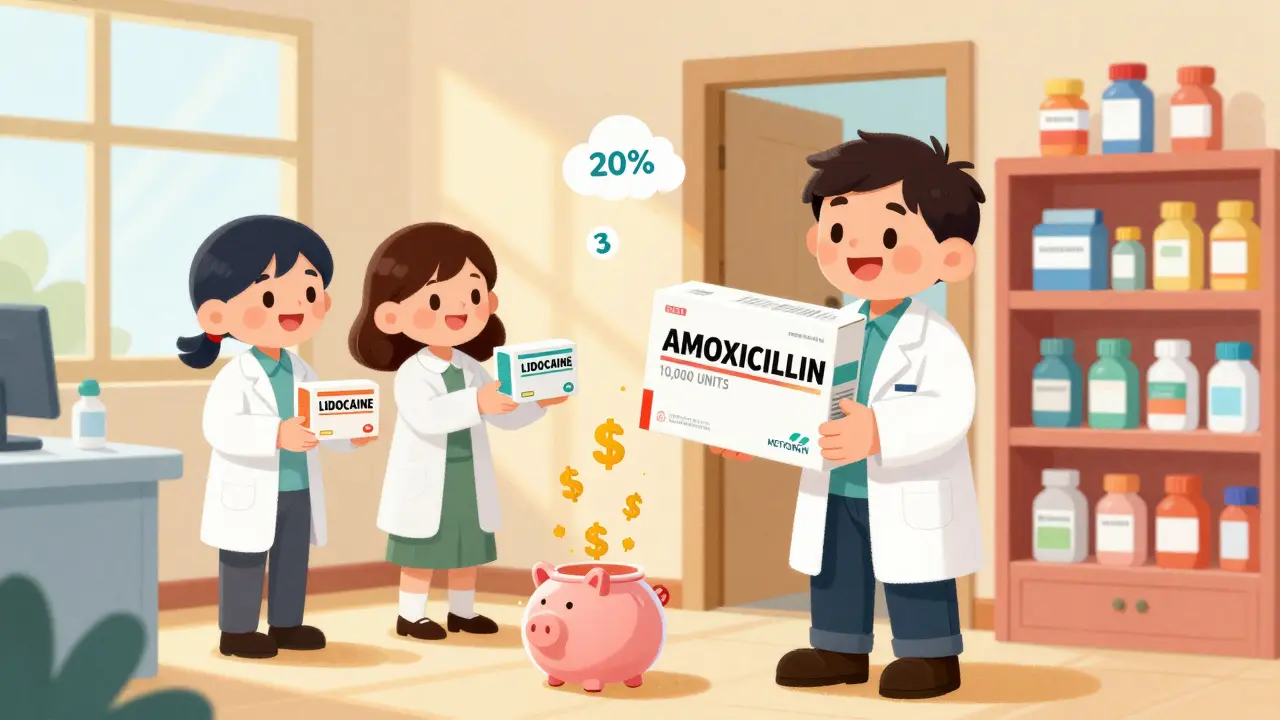
Bulk purchasing of generic drugs cuts costs by 20-30% for clinics and providers. Learn how high-volume orders, short-dated stock, and secondary distributors deliver real savings in the U.S. pharmaceutical market.
Read more
Learn critical steps for chemical eye injuries: flush immediately with water for 15-20 minutes, avoid common mistakes like rubbing, and know when to seek help. Immediate action can prevent permanent vision loss. Workplace and home protocols differ - here's what to do in each scenario.
Read more
Learn how to effectively discuss drug safety alerts with your doctor. Find official FDA communications, prepare key questions, and communicate clearly to ensure your medication safety. Practical steps to take before and during appointments.
Read more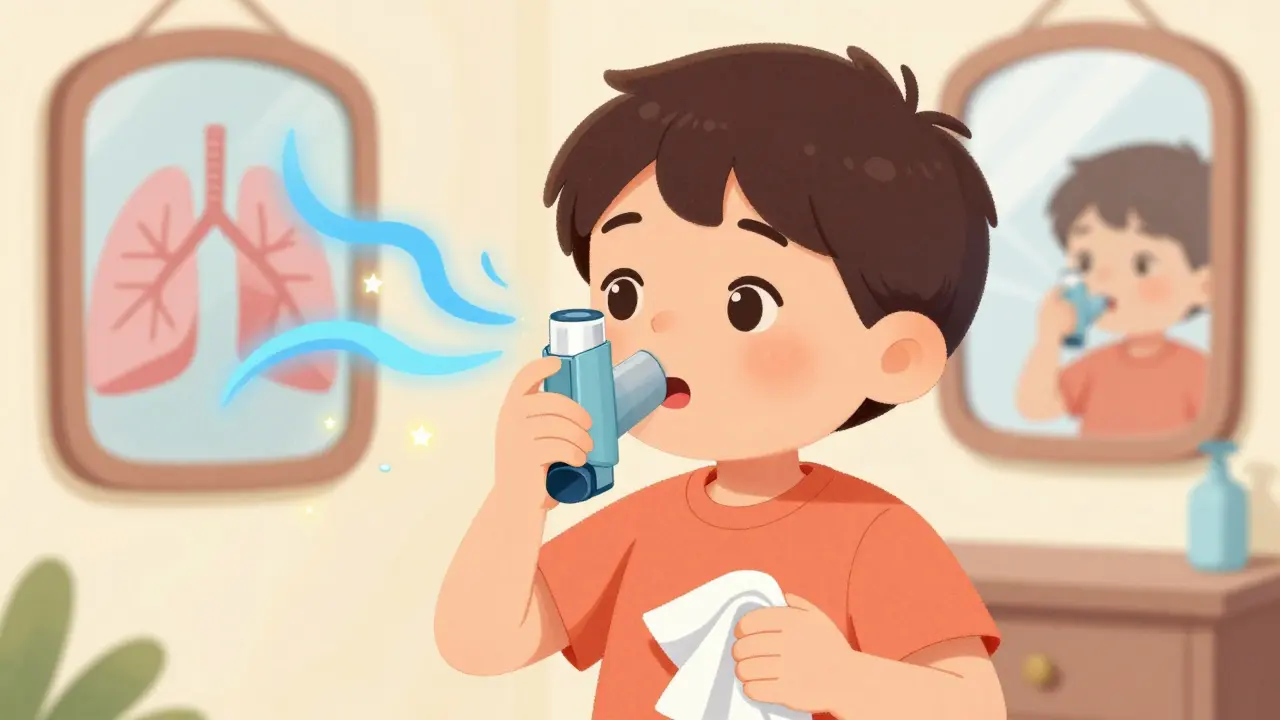
Learn the 8 essential steps to use your inhaler correctly and ensure medicine reaches your lungs-not your throat. Avoid common mistakes that reduce effectiveness and increase side effects.
Read more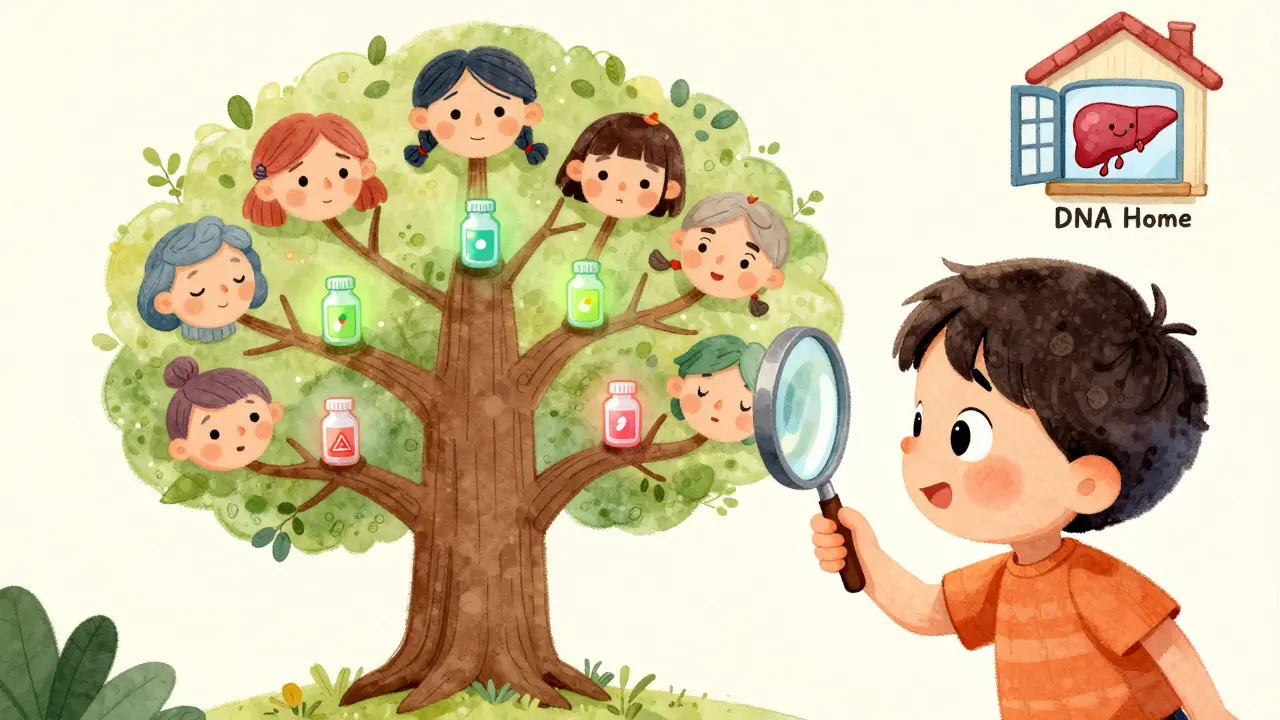
Your family history and genes can determine whether a generic drug works for you or causes dangerous side effects. Learn how pharmacogenetics is changing how we use medications - and what you can do now.
Read more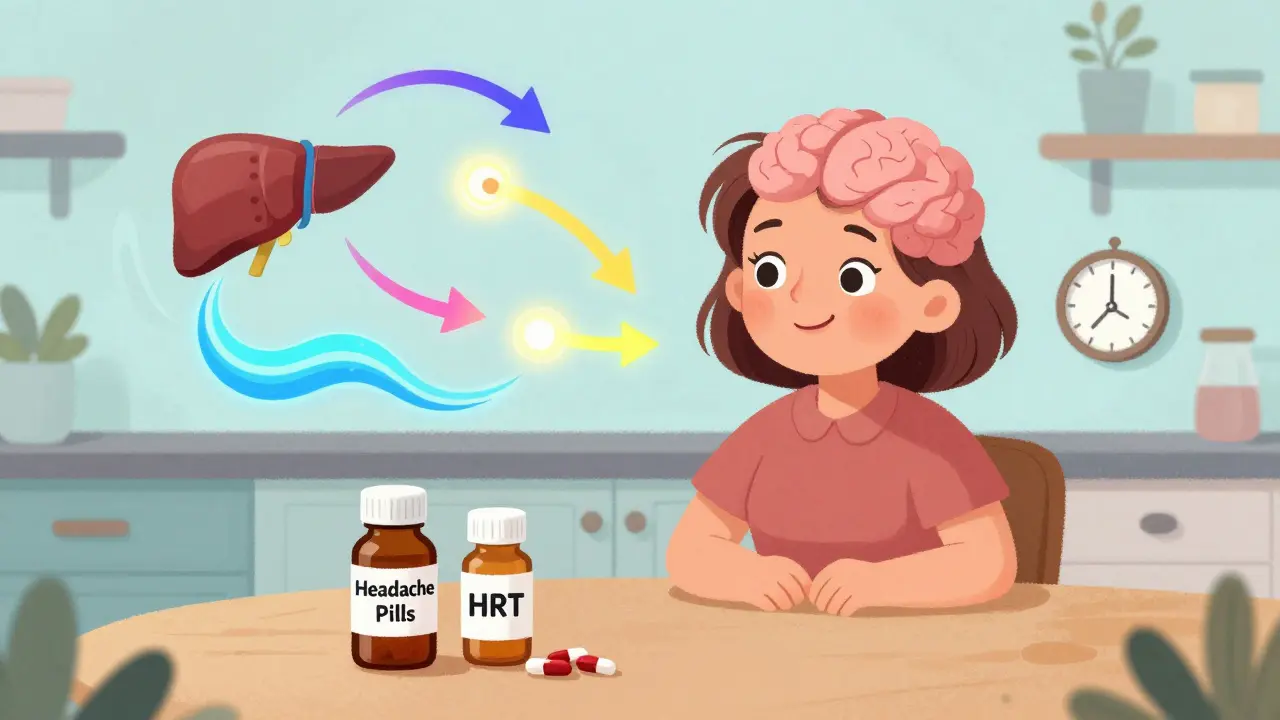
Menopause medications like hormone therapy can change how your body reacts to other drugs and cause unexpected side effects. Learn what's normal, when to worry, and what alternatives actually work.
Read more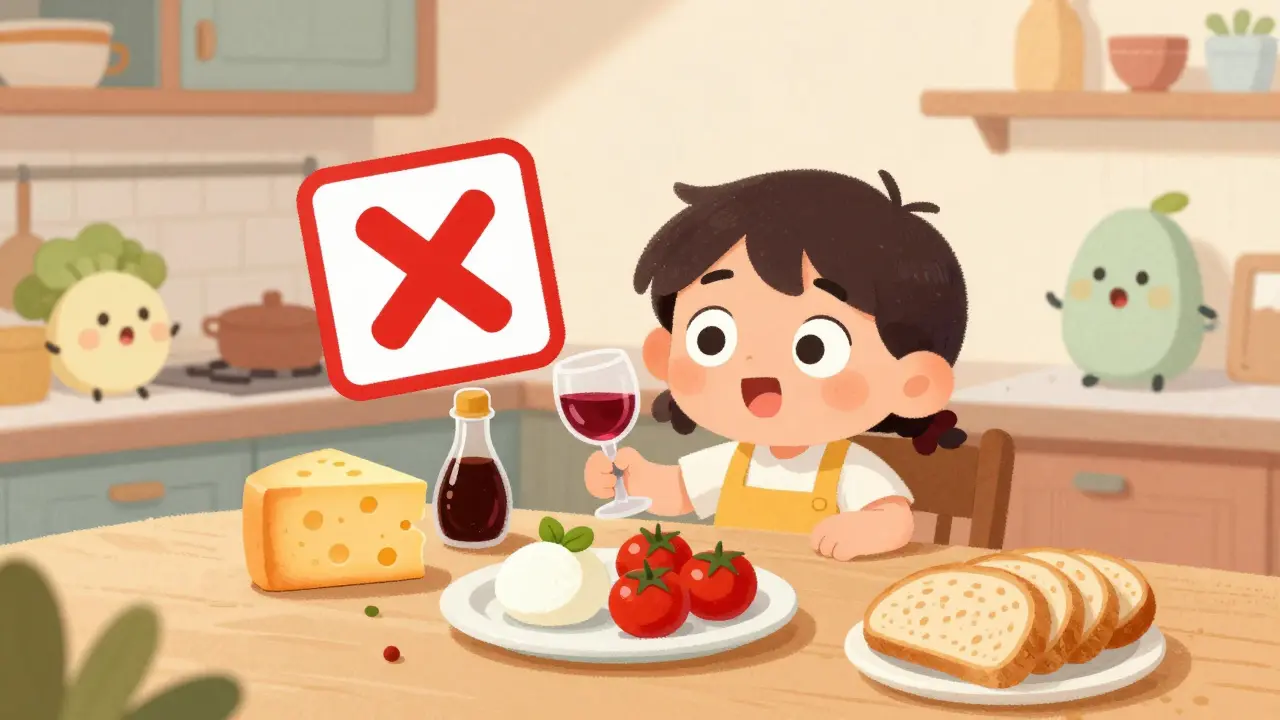
MAOIs are powerful antidepressants for treatment-resistant depression but come with strict dietary rules and dangerous drug interactions. Learn how tyramine, alcohol, and common medications can trigger life-threatening reactions-and what alternatives exist.
Read more