
Trimethoprim and Potassium Levels: Understanding the Risk of Hyperkalemia
Learn how Trimethoprim antibiotics can cause hyperkalemia by raising potassium levels, who is most at risk, and how to monitor for this dangerous side effect.
Read more

Looking for straight‑forward answers about a rash, a prescription, or a new workout? You’ve landed in the right spot. At Comprehensive Health Solutions NY we break down complex medical topics into bite‑size, practical advice you can actually use.
Every article on this page is reviewed by clinicians, so you get facts that matter—not hype. Whether you’re a patient, a caregiver, or just curious, the goal is the same: help you feel confident about your health choices.
We skip the jargon and focus on what the science really says. That means you’ll see clear sections on uses, dosages, side effects, and interactions for each medication. For diseases, we outline symptoms, causes, and the most effective treatments without drowning you in medicalese.
Safety is built into every guide. If a drug has a serious risk, we flag it early so you know when to call your doctor. And when it comes to supplements, we point out which ones have solid research and which are just trendy hype.
Need to know if ringworm will keep coming back? Our guide shows how to treat it fully and avoid re‑infection. Want to boost blood sugar control without high‑impact exercise? Check out the Pilates for Type 2 Diabetes article for a starter plan that’s easy on joints.
Planning to buy medication online? We’ve written step‑by‑step UK guides for buying Premarin and Zebeta safely, covering legal requirements, price checks, and how to spot fake pharmacies.
For mental health, our lithium guide walks you through dosing, monitoring blood levels, and spotting toxicity signs—essential info for anyone on mood‑stabilizing meds.
Eye health questions? The Xalatan guide explains proper dosage, storage tips, and what side effects to watch for. And if you or a loved one is recovering from a subarachnoid hemorrhage, the complementary‑therapy guide lists evidence‑backed options and warns against risky practices.
All of these pieces share a common format: a brief overview, practical steps you can take today, and a quick FAQ that tackles the most common worries. This makes it easy to find the exact answer you need without scrolling through endless pages.
We also keep the content fresh. Each guide is updated regularly to reflect the latest guidelines, price changes, and new research findings. That way you’re never stuck with outdated info.
Got a question that isn’t covered yet? Our site encourages you to reach out through the contact form—real experts will review your query and add new content when needed.
In short, think of this page as your personal health toolbox. Pick the guide that matches your need, follow the clear steps, and move forward with confidence. Your health journey is easier when you have reliable information at your fingertips.
Learn how Trimethoprim antibiotics can cause hyperkalemia by raising potassium levels, who is most at risk, and how to monitor for this dangerous side effect.
Read more
Learn the essential TSA guidelines for flying with prescription medications. Understand liquid exemptions, packaging rules, and international travel tips to avoid confiscations.
Read more
Explore the critical frameworks and technologies behind medication safety in hospitals and clinics. Learn about ISMP guidelines, high-alert medications, and the future of error prevention.
Read more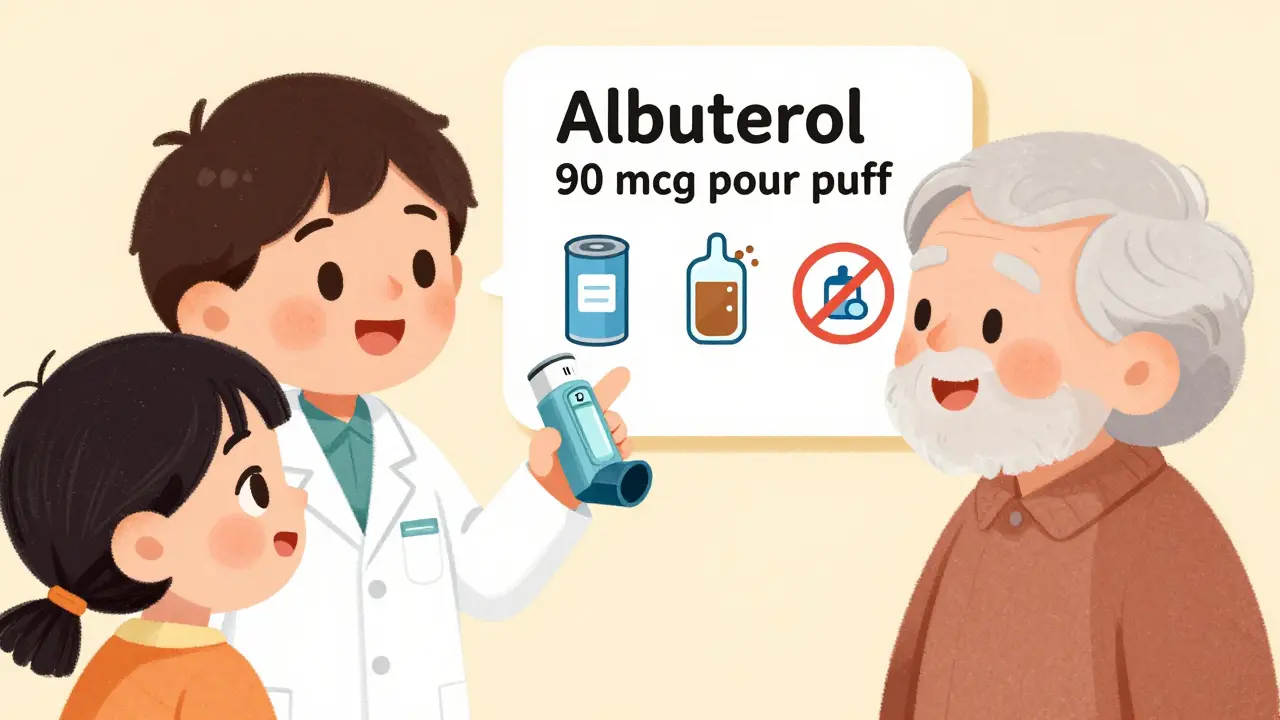
Reading prescription labels for inhalers, patches, and injectables requires attention to detail. A small mistake can lead to overdose or underdose. Learn how to spot key info like dose rates, concentration, and application rules to stay safe.
Read more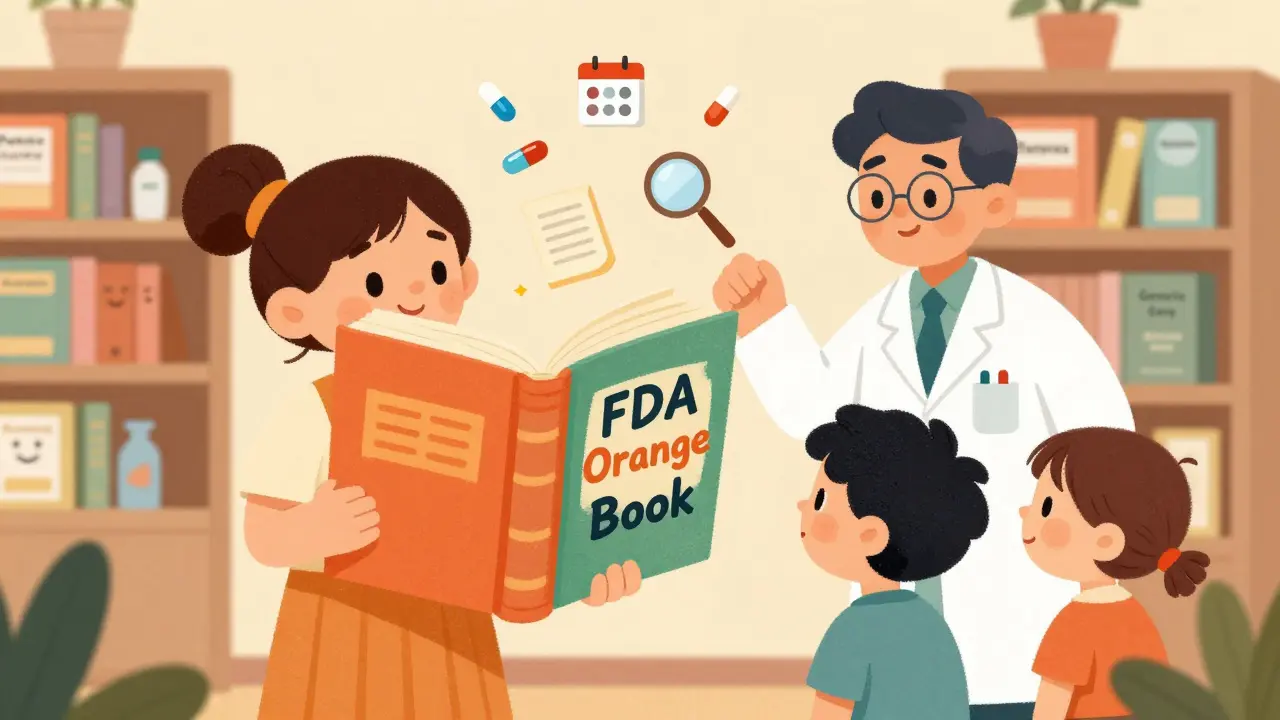
Learn where to find patent expiration dates in the FDA Orange Book to predict when generic drugs become available. Understand how patents, exclusivity, and extensions affect market entry.
Read more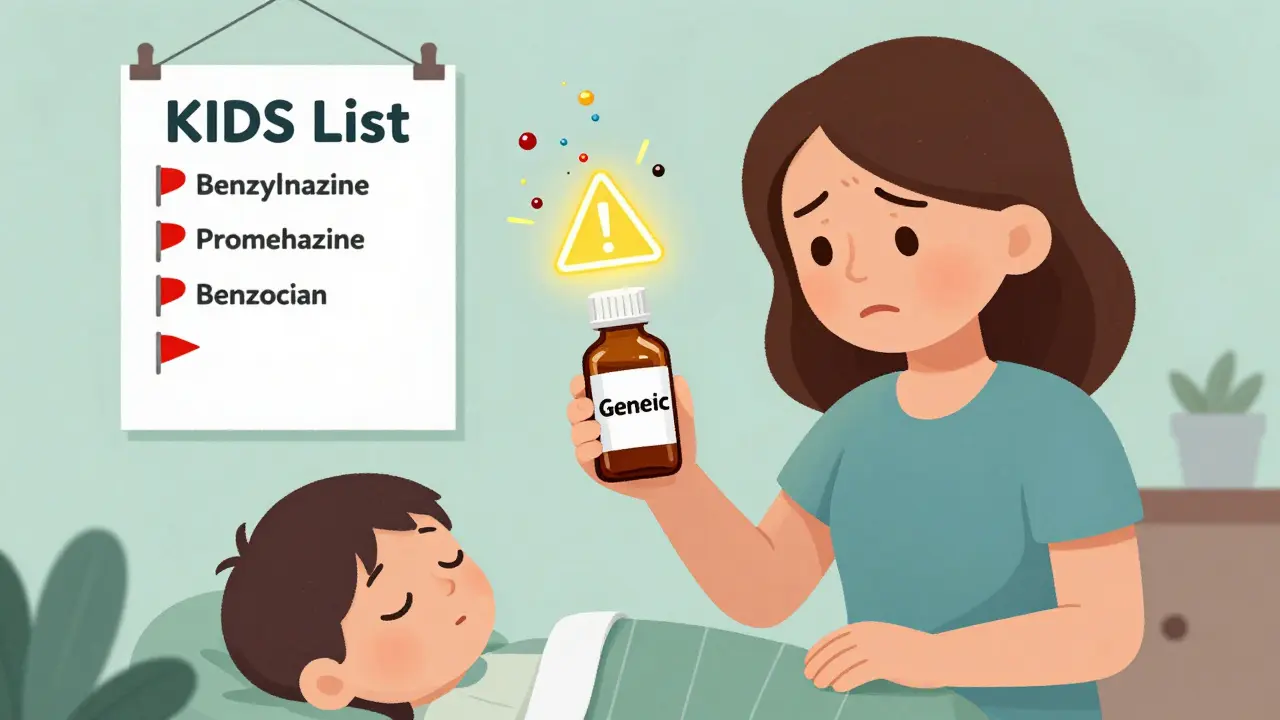
Generic drugs for children aren't always safe. Many lack proper pediatric testing, and inactive ingredients can cause serious reactions. Learn what to watch for, how to prevent dosing errors, and when to insist on brand-name meds.
Read more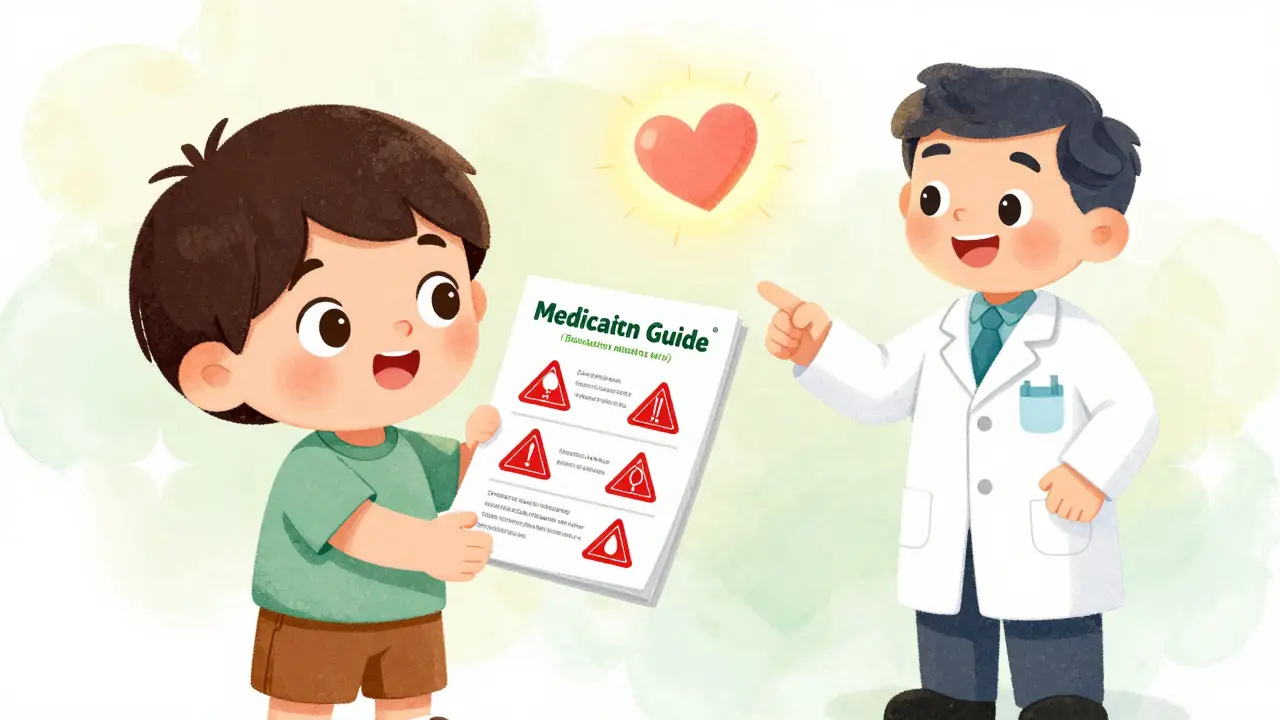
Medication Guides are FDA-mandated safety documents for high-risk prescription drugs. They explain serious side effects in plain language - and could prevent life-threatening mistakes. Learn why you must read them.
Read more
Learn how to verify your prescription at the pharmacy to prevent dangerous medication errors. A simple checklist can catch up to 37% of mistakes before they harm you.
Read more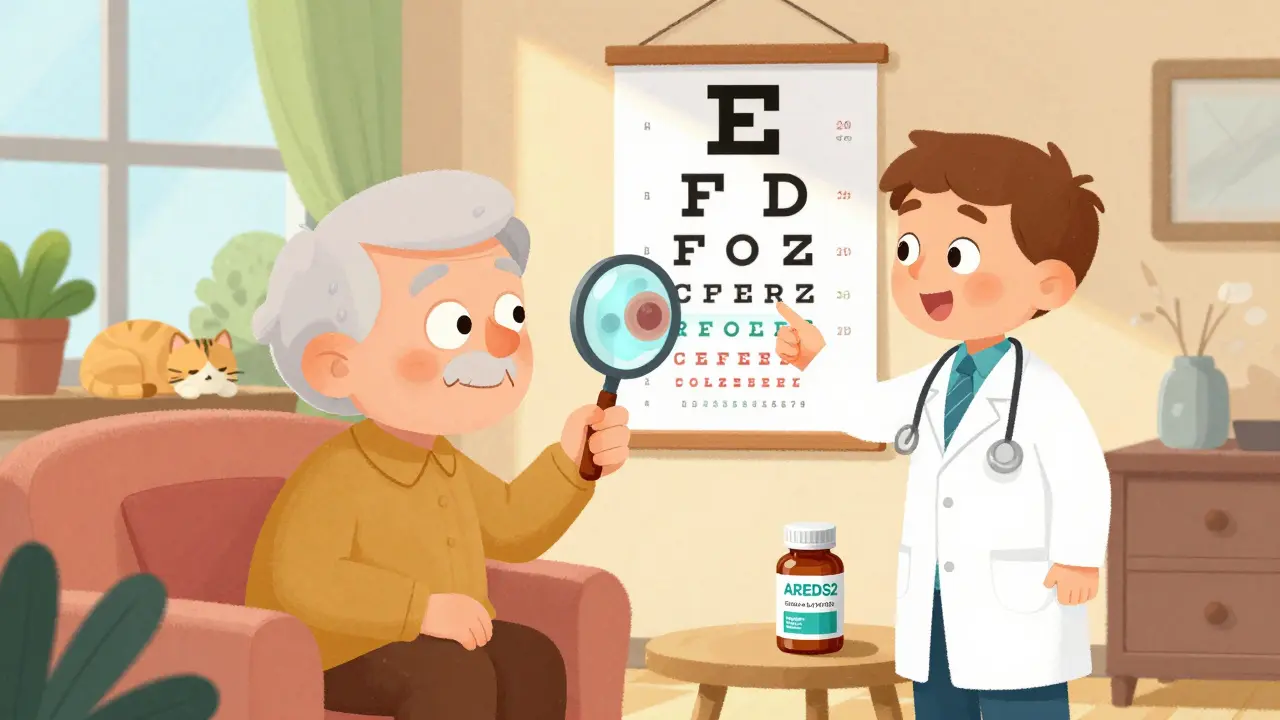
AREDS2 vitamins are clinically proven to slow progression of age-related macular degeneration in people with intermediate or advanced disease. Learn who should take them, what’s in the formula, and why they don’t work for prevention.
Read more
Noise exposure limits are critical for preventing permanent hearing loss at work and concerts. Learn the science behind safe noise levels, how regulations differ, and what you can do to protect your hearing today.
Read more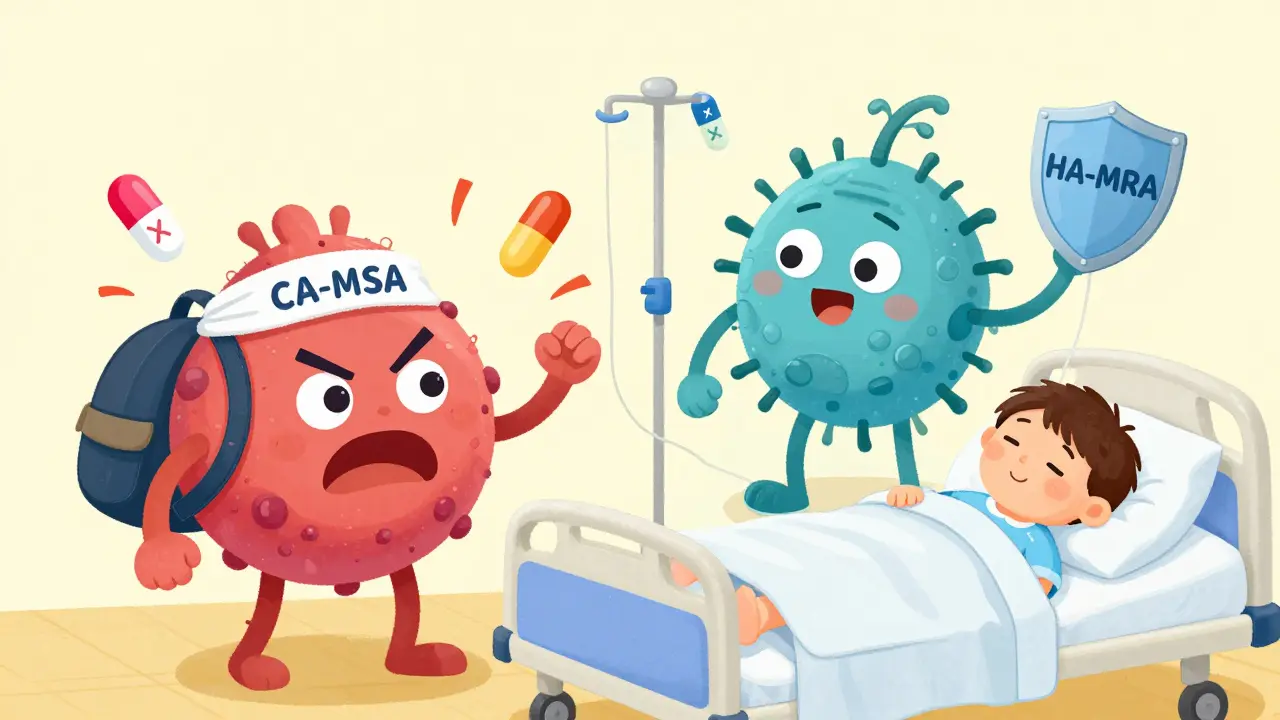
MRSA infections differ drastically between community and hospital settings. Learn how transmission, symptoms, and treatment vary - and why the old classification system no longer works.
Read more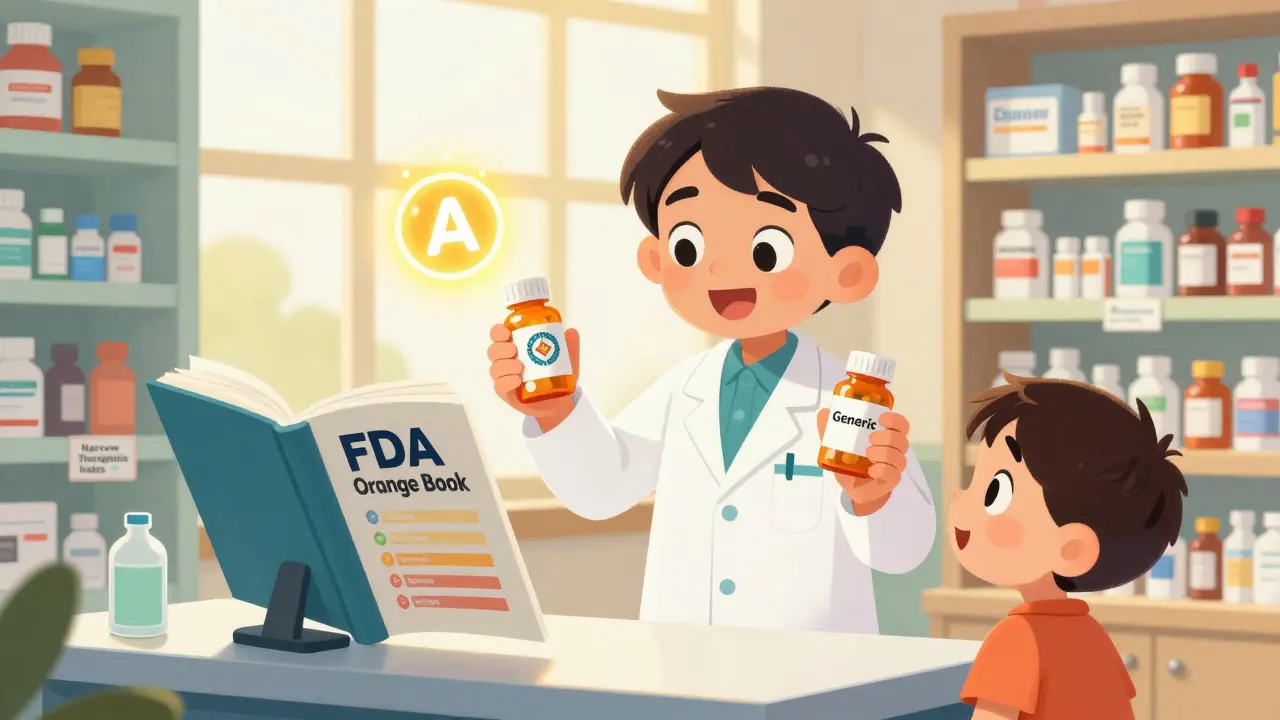
Pharmacists must follow strict legal rules when dispensing generic drugs. Learn how state laws, FDA guidelines, and consent requirements shape their responsibilities-and what happens when they get it wrong.
Read more