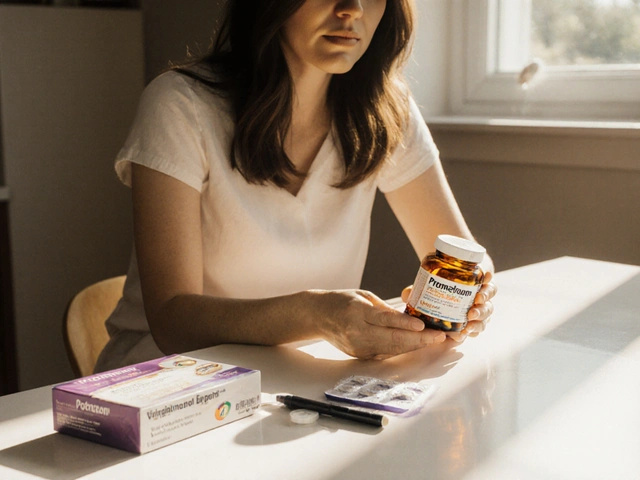
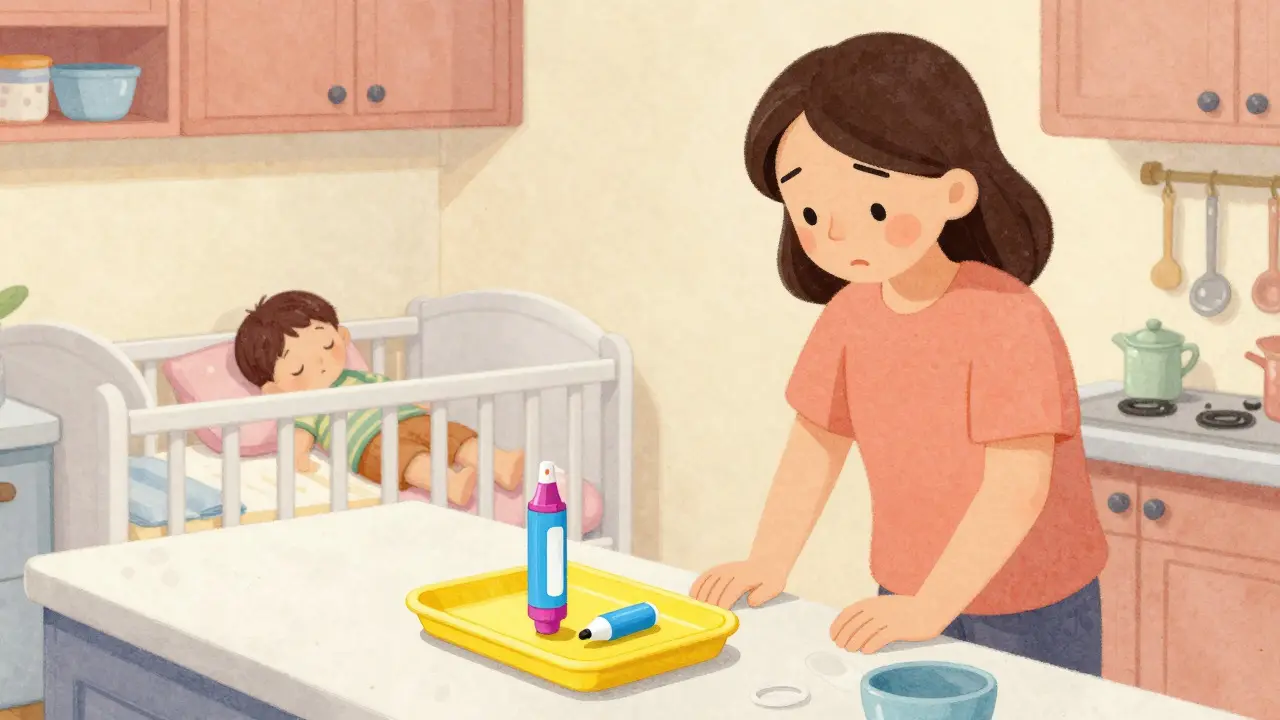
Imagine it’s 3 AM. Your child starts wheezing, or a family member collapses from an allergic reaction. You know the medicine is in the kitchen drawer, but you can’t find the key. Or worse, you remember leaving the auto-injector on the counter where a curious toddler just reached for it. These scenarios are not just movie plots; they are real risks that families and healthcare providers face daily.
The core challenge with emergency medications critical drugs like epinephrine, naloxone, or nitroglycerin that require immediate access during medical crises is balancing two opposing needs. They must be instantly available when seconds count, yet securely locked away to prevent accidental ingestion by children or theft by unauthorized persons. Getting this balance wrong can have fatal consequences. This guide breaks down how to store these life-saving tools safely at home, in vehicles, and in care settings, while also covering how to dispose of them properly when they expire.
Understanding the Storage Requirements
Not all medicines are created equal, and their storage needs vary wildly based on their chemical stability. The first step in securing your emergency kit is knowing what temperature and environment each drug requires. According to guidelines from organizations like the Nevada EMS (NVERS) and the FDA, most controlled room temperature medications should be kept between 68°F and 77°F (20°C-25°C). However, some drugs, like certain insulin types or specific vaccines, need refrigeration between 36°F and 46°F (2°C-8°C).
If you store an epinephrine auto-injector in a hot car glove box during summer, the heat can degrade the active ingredient, rendering it useless when you need it most. Conversely, freezing a medication that shouldn't be frozen can destroy its molecular structure. Always check the label or consult your pharmacist. If the label says "store at room temperature," avoid places that fluctuate wildly, like bathrooms (due to humidity from showers) or near stoves.
- Room Temperature Drugs: Epinephrine (EpiPen), Naloxone (Narcan), Nitroglycerin. Keep away from direct sunlight and heat sources.
- Refrigerated Drugs: Certain insulins, some antibiotics. Do not freeze unless specified.
- Humidity Sensitive: Inhalers and some liquid formulations. Avoid bathrooms.
Home Security: Balancing Access and Safety
In a home setting, the biggest threat is usually accidental ingestion by children. The CDC’s PROTECT Initiative emphasizes that parents should never leave medicine out on counters or nightstands. Yet, locking everything in a high safe can delay treatment during an emergency. So, what is the solution?
You need a system that is accessible to adults but inaccessible to children. A standard child-proof cap is not enough; determined toddlers can often open them. Instead, consider a small, dedicated medicine safe or a locked cabinet located in a high place. For emergency drugs like EpiPens, many experts recommend keeping one dose in a visible, accessible location (like a designated spot on the kitchen counter) only if you are present and supervising, and storing the backup doses in a secure lockbox.
If you live alone or have elderly relatives, security might mean preventing theft or misuse. In these cases, a sturdy lockbox mounted to a wall or a safe with a quick-combination dial works best. The key is consistency. Always return the medication to its secure spot immediately after use or inspection. Don’t create new habits like leaving it on the coffee table because you were watching TV.
| Solution | Security Level | Accessibility | Best For |
|---|---|---|---|
| Wall-Mounted Safe | High | Medium (requires code/key) | Controlled substances, multiple doses |
| Locked Cabinet | Medium-High | Medium | General household meds, backups |
| Portable Case | Low-Medium | High | Travel, single-dose emergencies |
| Open Counter | None | Instant | Only under direct adult supervision |
Vehicle Storage: The Heat Trap
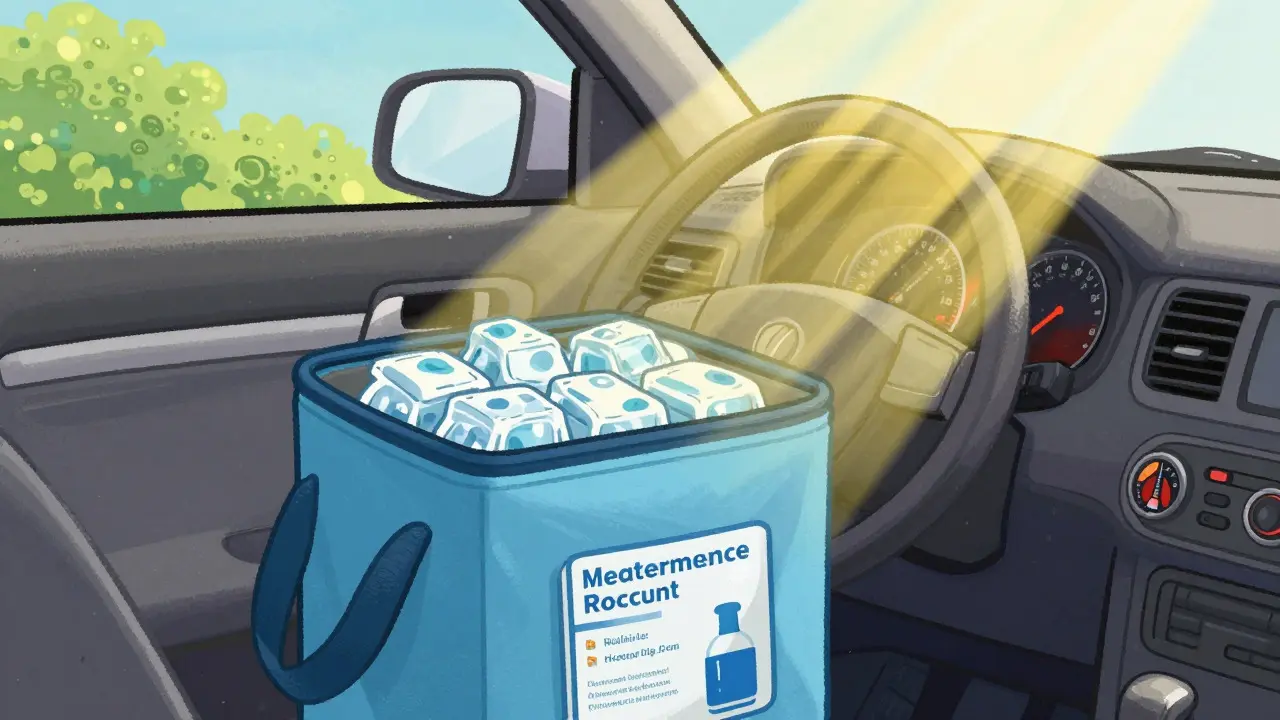
Many people keep emergency meds in their cars for peace of mind. This is smart, but dangerous if done incorrectly. Cars act as greenhouses. On a sunny day with an outside temperature of 90°F, the interior of a car can exceed 140°F within minutes. This extreme heat can ruin medications like epinephrine.
To store meds in a vehicle, use an insulated bag or a cooler with ice packs if the journey is long, but ensure the medication doesn't get wet or freeze directly against the ice. For short-term storage, keep the medication in the passenger compartment rather than the trunk, which gets even hotter. Check the expiration date frequently, as heat accelerates degradation. If you suspect the medication has been exposed to excessive heat, replace it immediately. Don’t gamble with a potentially compromised drug.
Care Settings and Shared Living
In childcare facilities, schools, or shared housing, protocols differ. Schools often follow state laws that allow trained staff to administer epinephrine without a physician present. In these cases, the medication is usually stored in a central, locked location that staff can access quickly via a master key or code. It is crucial that all authorized personnel know exactly where this lockbox is and how to open it. Drills should be conducted regularly to ensure muscle memory kicks in during stress.
For shared apartments or dorms, communication is key. Label clearly who owns which medication. Use individual pill organizers with locks if necessary. Ensure that roommates understand the difference between routine meds and emergency ones. An emergency med left in a communal fridge without clear labeling could be mistaken for food or discarded by mistake.
Disposal: When to Throw It Away
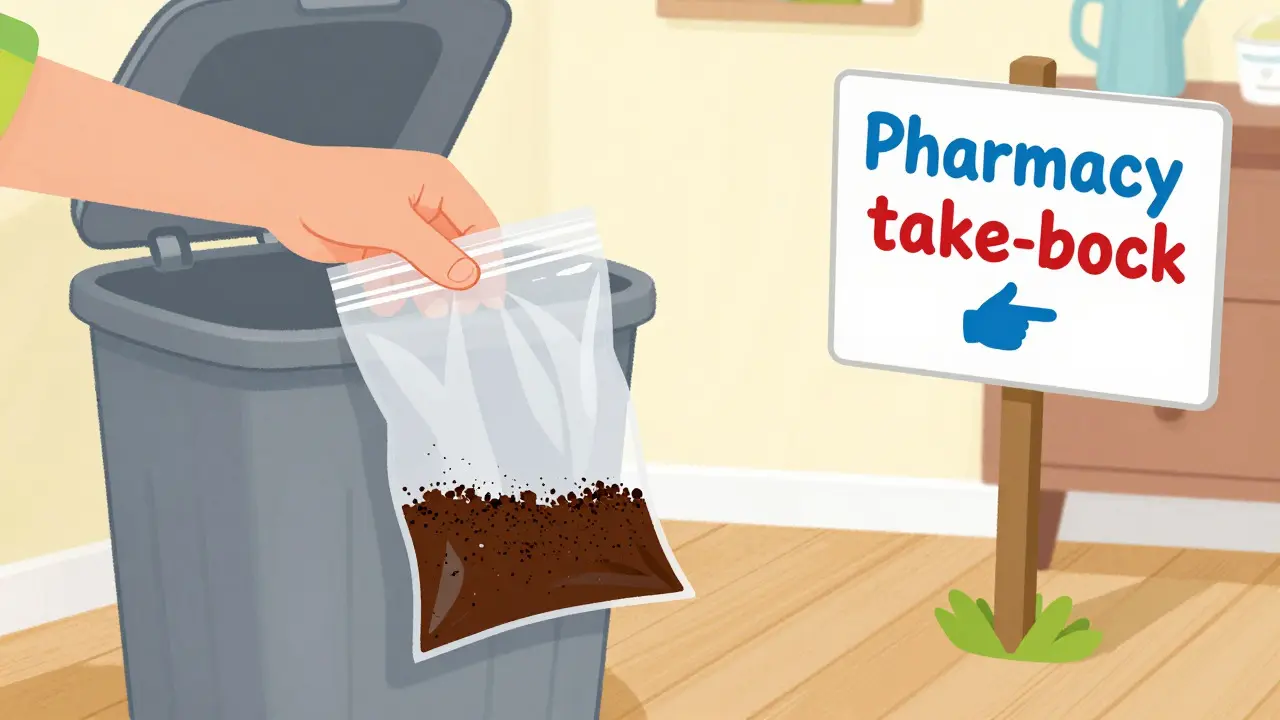
Storing medication is only half the battle. Expired or unused emergency medications pose environmental and safety risks if thrown in the trash. Flushing them down the toilet is generally discouraged unless specifically instructed on the label (some potent opioids may have flush instructions due to high abuse potential, but this is rare). Most drugs should go through take-back programs.
The DEA and EPA recommend using drug take-back boxes found at pharmacies, hospitals, or law enforcement agencies. These programs ensure safe destruction. If no take-back option is available, mix the medication with an unappealing substance like used coffee grounds, cat litter, or dirt in a sealed plastic bag before placing it in the household trash. Remove personal information from prescription labels to protect privacy.
- Check Expiration Dates Monthly: Set a phone reminder. Expired epinephrine may not work.
- Inspect Packaging: Look for cracks, discoloration, or cloudiness in liquids.
- Use Take-Back Programs: Search for local drop-off sites online.
- Dispose Properly: Mix with garbage if no program exists.
Common Mistakes to Avoid
Even well-meaning people make errors. One common mistake is assuming that "room temperature" means any room. A basement that floods or an attic that bakes in summer is not room temperature. Another error is hoarding. Keeping years’ worth of emergency meds increases the risk of using expired products. Stick to a reasonable supply, usually 3-6 months, and rotate stock.
Also, don’t ignore the packaging. Blister packs offer better protection against moisture and light than loose pills in a bottle. If you transfer meds to generic containers, you lose the manufacturer’s protective barriers and the detailed instructions printed on the original box. Keep the original packaging until the very last moment.
Where is the safest place to keep an EpiPen at home?
The safest place balances accessibility and security. For households with young children, a locked cabinet in a high place is ideal for backup doses. Keep one primary dose in a consistent, easily reachable spot (like a designated hook or tray) only if adults are always present to supervise. Never leave it on a nightstand or counter unsupervised.
Can I keep emergency meds in my car?
Yes, but with caution. Extreme heat in cars can degrade medications like epinephrine. Use an insulated bag or cooler to buffer temperature changes. Avoid the trunk, which gets hottest. Check the medication regularly for signs of heat damage, such as discoloration, and replace it if exposed to temperatures above 86°F (30°C) for extended periods.
How do I dispose of expired emergency medications?
The best method is to use a drug take-back program at a pharmacy or police station. If unavailable, mix the meds with an unappealing substance like coffee grounds or cat litter in a sealed bag and throw them in the trash. Remove personal info from labels. Only flush if the label explicitly instructs you to do so.
Does humidity affect emergency medications?
Yes, high humidity can degrade some medications, particularly inhalers and liquid formulations. Avoid storing meds in bathrooms where steam from showers creates fluctuating humidity levels. A dry, cool closet or bedroom drawer is a better alternative.
What should I do if I think my medication was exposed to heat?
If your medication, especially epinephrine, has been exposed to temperatures above 86°F (30°C) or looks discolored (brownish instead of clear), assume it is ineffective. Replace it immediately. Do not rely on a potentially compromised drug in an emergency situation.