




Imagine paying $1,500 to $2,500 a month just to keep your new kidney or heart functioning. For the roughly 40,000 people receiving solid organ transplants annually in the United States, this isn't a hypothetical scenario-it's daily reality. But there is a way to slash those bills by up to 80% without sacrificing safety. The answer lies in generic immunosuppressive combinations.
If you are a transplant recipient, a caregiver, or a healthcare provider navigating the complex world of post-transplant medication, switching from brand-name drugs like Prograf or CellCept to their generic counterparts can be a financial lifeline. However, these aren't ordinary generics like ibuprofen. They have narrow therapeutic windows, meaning a tiny change in dosage can lead to rejection or toxicity. This guide breaks down exactly how these combinations work, what the risks are, and how to manage the switch safely.
Why Generic Combinations Matter in Transplant Care
Transplant recipients need lifelong therapy to prevent their bodies from attacking the new organ. Standard care usually involves a "triple-therapy" regimen: a calcineurin inhibitor (CNI), an antimetabolite, and corticosteroids. Brand-name versions of these drugs are incredibly expensive because they carry the weight of original research and development costs. Once patents expire, generic manufacturers step in.
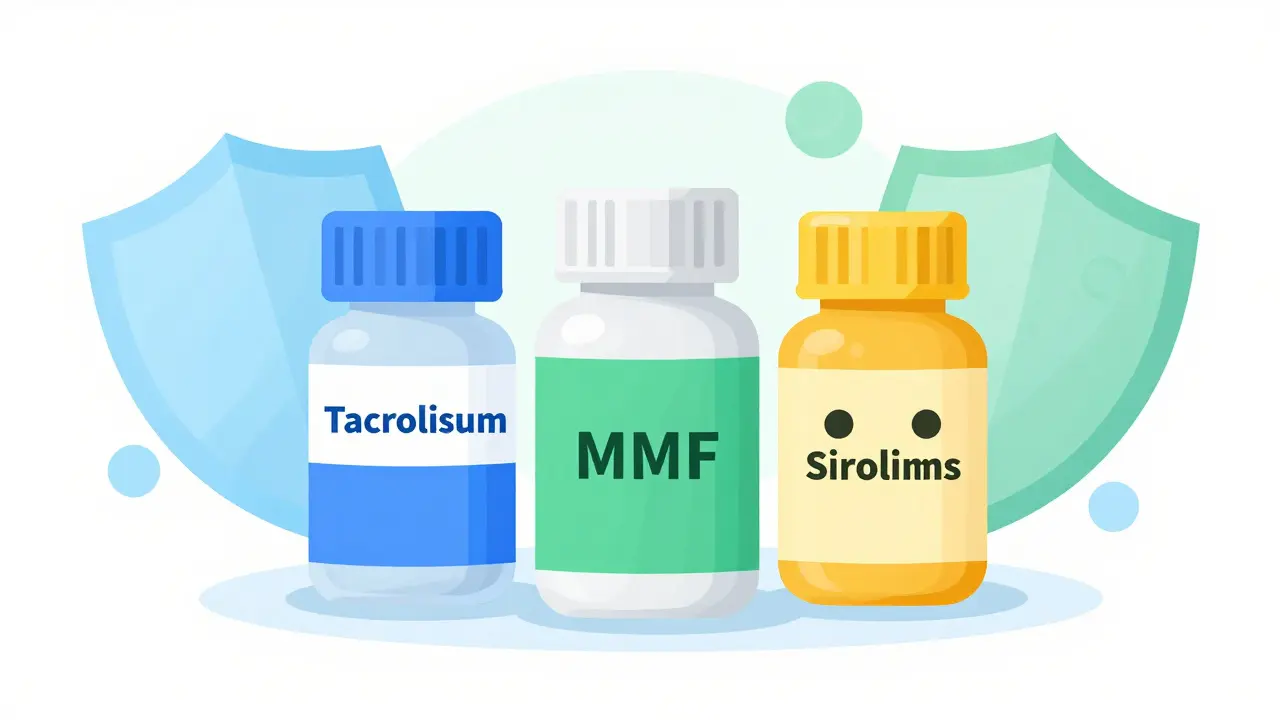
The first major shift happened in 2015 when the FDA approved generic tacrolimus, following the expiration of Novartis's patent on Prograf. Since then, generics have become available for cyclosporine (2009), mycophenolate mofetil/MMF (2019), mycophenolic acid/MPA (2020), and sirolimus (2020). Today, according to IQVIA data, generic versions make up 78% of new prescriptions for kidney transplants. This shift is driven by necessity. With Medicare Part D policies requiring coverage for all immunosuppressants, cost-effective options allow patients to stay adherent to their regimens rather than skipping doses due to price.
| Drug Class | Brand Name Example | Monthly Brand Cost | Generic Option | Monthly Generic Cost | Savings |
|---|---|---|---|---|---|
| Calcineurin Inhibitor | Prograf (Tacrolimus) | $1,800 - $2,200 | Tacrolimus USP | $300 - $400 | 78-82% |
| Antimetabolite | CellCept (MMF) | $1,200 - $1,500 | Mycophenolate Mofetil | $150 - $250 | 80-88% |
| mTOR Inhibitor | Rapamune (Sirolimus) | $1,000 - $1,400 | Sirolimus USP | $200 - $350 | 75-80% |
Understanding the Most Common Generic Regimens
Not all generic combinations are created equal. The choice depends on your organ type, risk factors, and side effect profile. Here are the three most prevalent strategies used in modern transplant centers.
1. Tacrolimus + Mycophenolate Mofetil (MMF)
This is the gold standard for kidney transplants, representing 64% of regimens according to the 2022 OPTN/SRTR report. Generic tacrolimus immediate-release tablets come in 0.5mg, 1mg, and 5mg doses. Generic MMF comes in 250mg and 500mg tablets. Clinical trials published in Transplantation Proceedings (2018) showed that generic MMF has an area under the curve (AUC) within 5% of the brand name, indicating high bioequivalence. This combination offers strong protection against acute rejection with a well-understood side effect profile.
2. Tacrolimus + Sirolimus (Steroid-Sparing)
For patients at high risk of developing post-transplant diabetes, doctors may choose a steroid-sparing regimen. A 2024 systematic review in Transplantation Reviews found that using generic tacrolimus plus sirolimus reduced the risk of post-transplant diabetes by 31% compared to steroid-containing regimens. Sirolimus generic tablets (0.5mg, 1mg, 2mg) have higher inter-subject variability (15-20%), so dose adjustments are more frequent. This combo is particularly effective in lung transplants, where University of Maryland research linked it to a median survival of 8.9 years versus 7.1 years for MMF-based regimens.
3. Cyclosporine-Based Regimens
While less common today, generic cyclosporine (available since 2009) is still used for patients who experience neurotoxicity or tremors with tacrolimus. It requires careful monitoring of trough levels but offers a viable alternative for those sensitive to newer agents.
The Safety Debate: Bioequivalence and Narrow Therapeutic Indices
You might hear conflicting advice about generics. Some experts say they are identical; others warn of dangers. The truth lies in the middle. The FDA requires generic drugs to be bioequivalent, meaning they must deliver 80-125% of the active ingredient compared to the brand. For most drugs, this range is fine. For immunosuppressants, which have narrow therapeutic indices, this range feels wide.
Dr. Jean Emond, Chief of Transplant Surgery at NewYork-Presbyterian, warned in a 2023 interview that this 80-125% window could cause fluctuations leading to rejection or toxicity. To address this, the FDA’s 2022 Narrow Therapeutic Index Working Group recommended tighter standards (90-111%) for these specific drugs. Despite these concerns, data shows safety is maintained with proper care. A 2022 analysis in the American Journal of Transplantation reported 94.7% one-year kidney graft survival with generic tacrolimus versus 95.1% with the brand-a statistically insignificant difference (p=0.21).
The key takeaway? Generics are safe if you monitor them closely. You cannot treat them like over-the-counter vitamins. They require precision.
How to Switch Safely: A Step-by-Step Guide
Switching from brand to generic is not a simple swap at the pharmacy counter. It requires a structured plan to avoid dangerous drops in drug levels. Follow these steps based on American Society of Transplantation (AST) guidelines.
- Consult Your Transplant Team: Never switch on your own. Your nephrologist or surgeon needs to approve the change and set new target ranges.
- Choose a Single Manufacturer: This is critical. Different generic makers use different fillers and manufacturing processes. AST surveys show 85% of centers mandate sticking to one manufacturer to ensure consistent absorption. Ask your pharmacist to source only from Teva, Sandoz, or Mylan consistently.
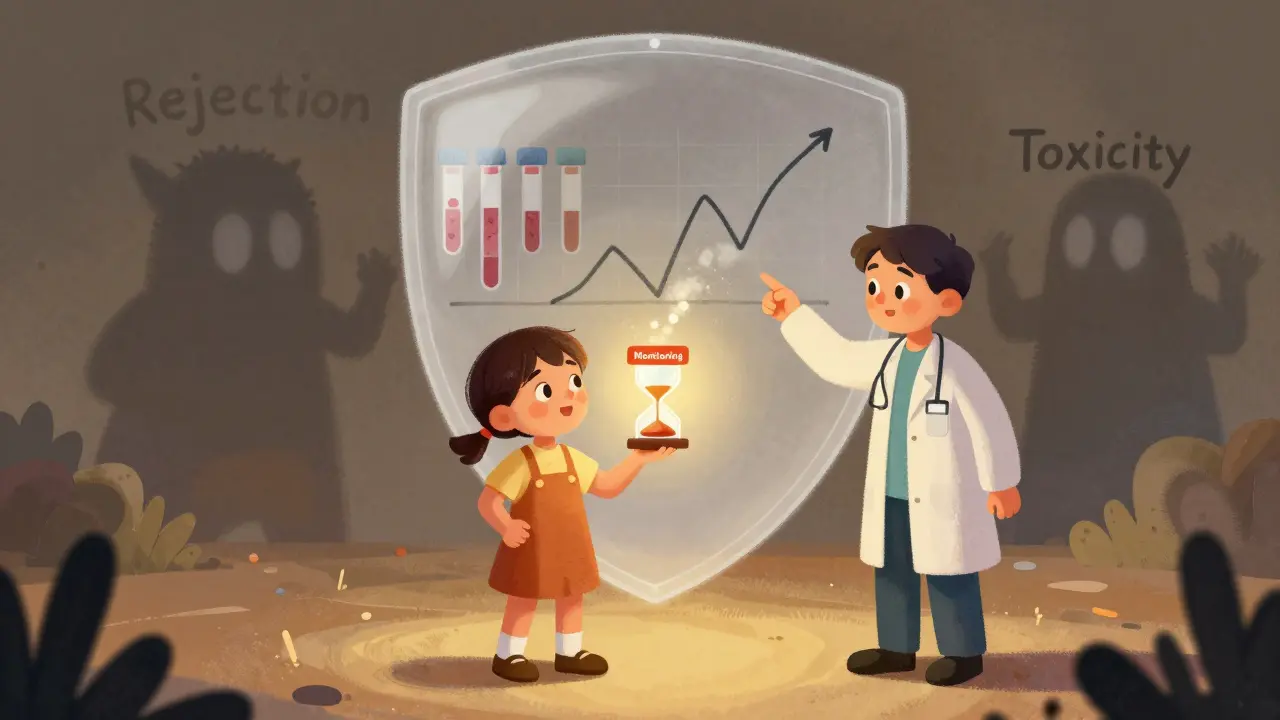
- Initiate Frequent Monitoring: During the first 6-12 months, you will need therapeutic drug monitoring (TDM) biweekly, then monthly. Trough level targets typically include:
- Tacrolimus: 5-10 ng/mL
- Sirolimus: 100-150 ng/mL
- MMF: 1.0-1.5 mg/L
- Expect Dose Adjustments: About 12% of patients need dose changes within the first three months. This is normal. Do not panic if your doctor adjusts your milligram intake; they are calibrating to your body’s new absorption rate.
- Watch for Interactions: A 2023 study in Journal of Antimicrobial Chemotherapy found that 67% of transplant patients experience at least one significant drug interaction. Common culprits include antifungals, antibiotics, and even grapefruit juice. Always check with your pharmacist before starting any new supplement or medication.
Patient Experiences: Real-World Outcomes
What does this look like in real life? Data from patient forums reveals a mixed but generally positive picture. On the National Kidney Foundation’s Patient Forum, 68% of respondents reported successful transitions with savings of $1,200-$1,800 monthly. Financial relief often leads to better adherence, which is the single biggest predictor of long-term graft survival.
However, challenges exist. A Reddit user noted having three rejection episodes after switching to generic tacrolimus, requiring hospitalization. Conversely, another patient saved over $18,000 on generic MMF with zero issues. The difference often comes down to monitoring frequency. Patients who stuck to strict blood test schedules avoided complications. Those who skipped tests or switched manufacturers randomly faced higher risks.
Future Trends: Biosimilars and New Guidelines
The landscape is evolving rapidly. In May 2023, the FDA approved the first interchangeable biosimilar for belatacept (brand name Nulojix), potentially cutting costs by another 40%. Additionally, the 2024 KDIGO guidelines now recommend generic sirolimus as a first-line therapy for high-risk kidney recipients, signaling growing confidence in these formulations.
Looking ahead, researchers are exploring protocols that combine alemtuzumab induction with generic maintenance therapy to eventually reduce the number of drugs needed. While we aren't there yet, the trend is clear: generic immunosuppressants are becoming the backbone of sustainable transplant care.
Is generic tacrolimus as effective as Prograf?
Yes, clinical studies show equivalent graft survival rates. A 2022 study found 94.7% one-year survival with generic tacrolimus versus 95.1% with Prograf. The key is maintaining consistent trough levels through regular blood tests.
Can I switch between different generic manufacturers?
It is strongly discouraged. Different manufacturers may have slight variations in absorption. The American Society of Transplantation recommends sticking to a single manufacturer to minimize the risk of fluctuating drug levels and potential rejection.
How much money can I save with generic immunosuppressants?
Patients typically save 78-88% on monthly costs. For example, generic tacrolimus costs $300-$400/month compared to $1,800-$2,200 for the brand name. Over a year, this can amount to savings of $15,000 or more.
What are the signs of rejection when on generics?
Signs include fever, pain at the transplant site, swelling, decreased urine output (for kidney transplants), and abnormal lab results. If you miss doses or experience sudden illness, contact your transplant team immediately for blood level checks.
Do I need more frequent blood tests with generics?
Initially, yes. During the first 3-6 months of switching, you will likely need biweekly therapeutic drug monitoring to adjust doses. After stabilization, testing may return to your standard monthly schedule.