
Every year, over 1.5 million people in the U.S. are harmed by medication errors - and many of them happen right at the pharmacy counter. You pick up your prescription, walk out, and take it home without a second thought. But what if the pill in that bottle isn’t the one your doctor ordered? What if the dose is wrong? Or worse - it’s someone else’s medicine? These aren’t rare mistakes. They happen more often than you think. And the scary part? You can catch most of them - before you swallow anything.
You’re not just a customer. You’re the final safety check. Pharmacists do their job. But they’re human. They’re busy. And even with barcode scanners and electronic systems, errors slip through. The good news? Research shows that when patients actively verify their prescriptions, medication errors drop by up to 37.2%. That’s not luck. That’s power. Here’s how to use it.
Check Your Name and Date of Birth First
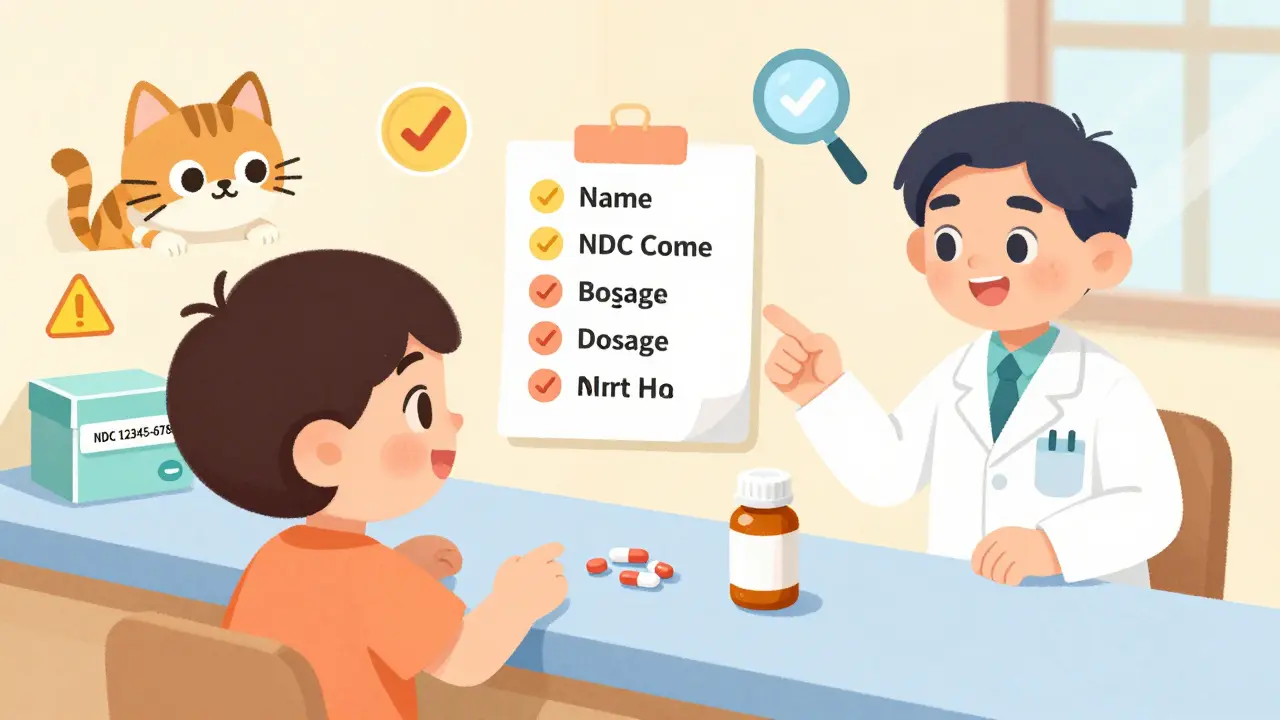
Before you even look at the medication, scan the label for two things: your full legal name and your date of birth. These aren’t just formality. They’re your two required identifiers. A single mix-up here can send the wrong drug to the wrong person. In fact, 18.3% of pharmacy errors involve the wrong patient - and most of them are caught if someone just pauses to read the label.
Don’t assume it’s right. Read it aloud. If your name is “Maria Lopez” but the label says “Marie Lopez,” that’s not a typo - it’s a red flag. Same with birth dates. If you were born in 1978 but the label says 1987, stop. Ask. Pharmacists are trained to double-check this. But they can’t catch it if you don’t point it out.
Match the National Drug Code (NDC) to the Bottle
Every prescription medication has a unique 11-digit number called the National Drug Code (NDC). It’s printed on the label - usually near the bottom. This number tells you exactly which drug, strength, and manufacturer you’re getting.
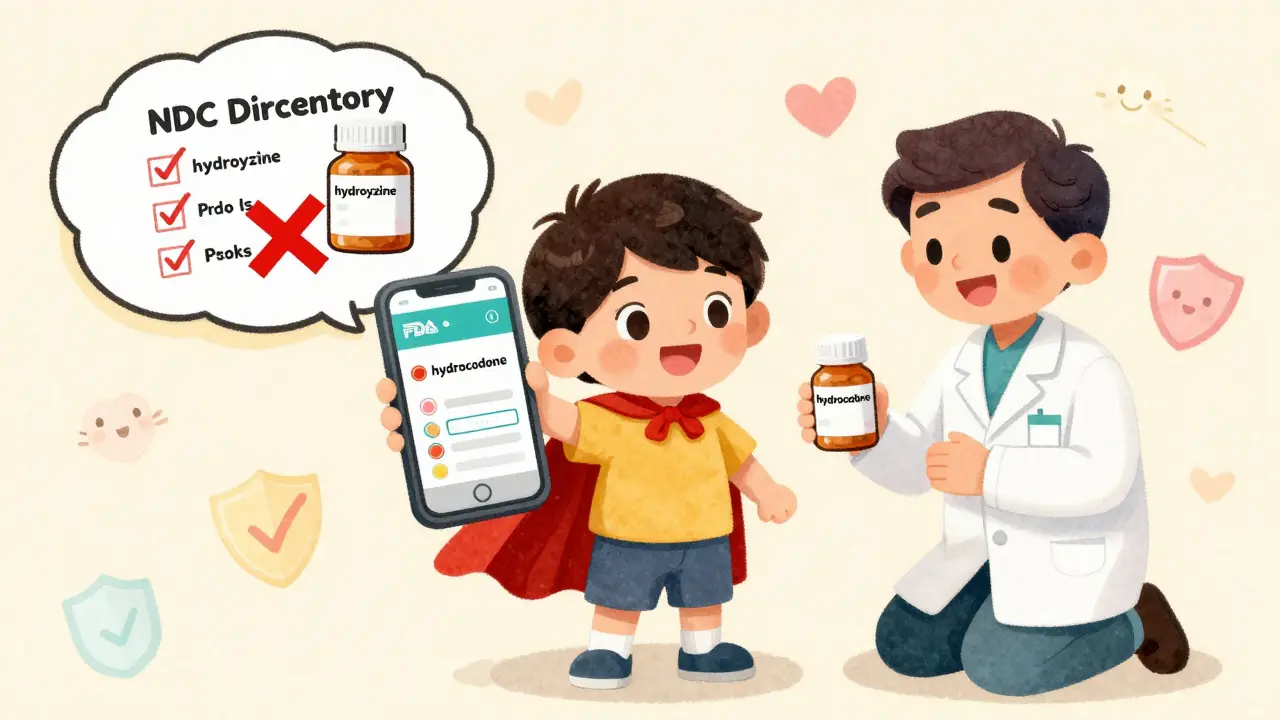
Here’s what to do: Open your phone. Go to the FDA’s NDC Directory (you can search it on any browser). Type in the NDC from your label. Does the drug name, strength, and company match what’s on the bottle? If not - you have a problem. 8.3% of errors happen because the label says one thing, but the pill inside is something else. This is especially common with look-alike drugs like hydroxyzine and hydrocodone.
Don’t have a phone? Ask the pharmacist to show you the box the medication came from. The NDC is printed on the outside. Compare it. If they hesitate - that’s a warning.
Confirm the Dosage and Strength
Dosage errors are the #1 cause of preventable harm. 34.6% of all prescription mistakes involve the wrong strength - like 10mg instead of 5mg, or 250mg instead of 125mg. This is why you need to know what your doctor prescribed.
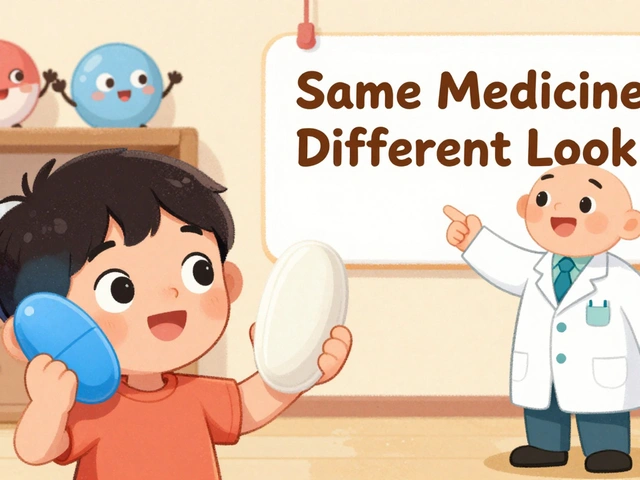
Did your doctor say “take 10mg once daily”? Then the bottle should say “10mg” - not “5mg,” not “20mg.” Look at the pill itself. Is it the same color, shape, and imprint as before? If you’ve taken this drug before and it looks different, ask why. Generic versions are safe - but they can look completely different. If you’re unsure, ask the pharmacist: “Is this the same as my last refill?”
And don’t forget the formulation. Is it a tablet? Capsule? Liquid? Extended-release? If your doctor prescribed a slow-release version and you got a regular one, it could cause serious side effects.
Count Your Pills - Right Now
Don’t wait until you get home. Count them. Immediately. 22.8% of quantity errors are caught only when patients count the pills as soon as they receive them. You might think, “I don’t need to count - it’s a 30-day supply.” But what if the bottle has 27 pills? Or 35? What if two are missing? What if the pharmacist accidentally gave you two bottles?
Count them in front of the pharmacist. Say, “Can you confirm this is 30 pills?” If they say yes, then count. If you find a mismatch - even one pill - speak up. 9.2% of all pharmacy errors involve the wrong quantity. That’s not just inconvenient. It can be dangerous.
Understand How and When to Take It
Instructions like “take once daily” or “take with food” seem simple. But they’re often written in tiny print, filled with abbreviations, or just unclear. 18.7% of errors come from misreading or misunderstanding directions.
Ask: “What does ‘QD’ mean?” - that’s Latin for “once daily.” “Take at bedtime” - does that mean right before sleep, or just before you go to bed? “Take with meals” - does that mean with breakfast, lunch, and dinner? Or just one meal?
Also, check for warnings. “Avoid alcohol.” “May cause drowsiness.” “Do not crush.” If you don’t understand, ask for a printed handout. Most pharmacies have them. Or ask them to explain it like you’re a 10-year-old. If they roll their eyes - walk out. You deserve clarity.
Check the Expiration Date and Packaging
Expired medication isn’t just useless - it can be harmful. 4.1% of recalled drugs reach patients because of expired stock. The expiration date is printed on the bottle or box. Look for it. Is it still valid? If it’s expired - even by one day - ask for a replacement.
Also, check the packaging. Is the seal broken? Is the bottle cracked? Is the liquid cloudy when it should be clear? Is the capsule discolored? These aren’t normal. If something looks off, don’t take it. Pharmacies are required to replace damaged or expired medication at no cost.
For Controlled Substances: Verify the Prescription
If you’re picking up opioids, benzodiazepines, stimulants, or other controlled substances, the rules are stricter. Pharmacists must verify your address and confirm the prescription is legitimate. But even then, errors happen.
Ask: “Is this the same prescription my doctor called in?” If you’ve switched doctors or pharmacies, make sure they’re not mixing up old prescriptions. Also, check the quantity again - controlled substances are often dispensed in smaller amounts. If you were expecting 30 pills and got 10, ask why. Don’t assume it’s “just a policy.”
What to Do If You Spot an Error
It happens. You catch a mistake. Now what? Speak up - calmly and clearly. Say: “I think there’s an error here. This doesn’t match what my doctor prescribed.”
Most pharmacists will thank you. In fact, 92.3% of pharmacists encourage patients to check their meds. But not all. 63.4% of patients who reported errors said staff were dismissive. If that happens, ask to speak to the pharmacist in charge. If they still brush you off, walk out. Call your doctor. Report it to the pharmacy’s corporate office. You’re not being difficult - you’re preventing harm.
What If You Can’t Read the Label?
Over 64.3% of patients over 65 say they struggle to read small print. If that’s you, don’t struggle. Ask for help. Most pharmacies have magnifying glasses. Ask for one. Use your phone’s camera to zoom in. Take a photo and enlarge it. Ask the pharmacist to read it aloud. You have the right to understand your medication.
Also, if you’re confused about brand vs. generic names - say so. “My doctor prescribed Lipitor. Is this the same as atorvastatin?” That’s a normal question. Pharmacists expect it.
Prepare Before You Go
Don’t wait until you’re at the counter to think about this. Before you leave for the pharmacy, write down:
- Your full name and DOB
- The exact drug name and strength (e.g., “lisinopril 10mg”)
- How many pills or how much liquid you should get
- How often and when to take it
- What it’s for (e.g., “blood pressure” or “anxiety”)
Keep this list in your wallet or phone. When you get to the pharmacy, pull it out. Compare. Ask: “Does this match what I wrote?”
Why This Matters - And Why You’re the Key
Pharmacies use barcode scanners, electronic records, and automated systems. But none of it is perfect. The final layer of safety? You. Studies show that 65% of potential errors are caught when patients simply look at the medication and say, “That doesn’t look right.”
And the numbers don’t lie. Every dollar spent on patient verification saves $8.73 in avoided hospitalizations, ER visits, and long-term complications. That’s why hospitals and insurers are pushing for this. It’s not just good advice - it’s lifesaving.
Next time you pick up a prescription, don’t rush. Take three minutes. Check the name. Check the NDC. Count the pills. Understand the instructions. Ask the questions. You’re not being difficult. You’re being smart. And you might just save your life.
What should I do if I notice a mistake after I’ve left the pharmacy?
If you realize you got the wrong medication after leaving, stop taking it immediately. Call the pharmacy and explain the error. Most will ask you to return the medication for a replacement at no cost. Also, contact your doctor to confirm the correct prescription. If you’ve already taken the wrong drug and feel unwell, seek medical help right away. Keep a record of the error - including the pharmacy name, date, and medication - in case you need to report it to your state’s board of pharmacy.
Can I ask the pharmacist to show me the original bottle or box the medication came from?
Yes, absolutely. You have the right to see the original packaging. Pharmacists are trained to verify medications against the source container. If they refuse, it’s a red flag. Ask to speak to the pharmacist in charge. Most reputable pharmacies keep the original box on hand for this exact reason. The NDC, expiration date, and manufacturer info on the box should match what’s on your label.
Why do generic drugs look different from brand-name ones?
Generic drugs contain the same active ingredient as brand-name drugs, but they’re made by different manufacturers. That’s why they can look different - different color, shape, or imprint. This doesn’t mean they’re less effective. But if the change is sudden and you’re unsure, ask: “Is this the generic version of my usual pill?” If the answer is yes, ask for confirmation that the dosage is identical. It’s normal to feel confused - but not to take it without verifying.
Is it safe to take medication if the expiration date is one month away?
Yes, if the expiration date is still in the future, the medication is considered safe and effective. The expiration date is the last day the manufacturer guarantees full potency and safety. Most drugs remain stable well beyond that date, but you should still use them before it passes. If you’re unsure, ask the pharmacist. Never take medication that’s expired - even if it looks fine. Some drugs, like insulin or liquid antibiotics, can become dangerous after expiration.
Do I need to verify my prescription if I get it by mail?
Yes - even more so. Mail-order pharmacies have higher error rates than in-person pharmacies. A 2022 study found 1.7 errors per 100 prescriptions for mail-order, compared to 1.2 for in-person. When your medication arrives, open the package right away. Check the label, count the pills, and compare everything to your doctor’s instructions. If something’s wrong, call the pharmacy immediately. Don’t wait until you’re ready to take it.
11 Comments
I never thought to check the NDC code until I got the wrong strength of my blood pressure med. Took me two days to notice the pills looked off. Once I compared it online, it was clear: 20mg instead of 10mg. Called the pharmacy, they apologized and sent a replacement. This checklist saved me from a hospital trip. Always verify.
The emphasis on patient verification is both prudent and necessary. Pharmacists operate under immense pressure, and while systems are designed to minimize error, human factors persist. Proactive confirmation of dosage, NDC, and patient identifiers is not merely advisable-it is a professional standard of care that should be universally adopted.
I work in a hospital pharmacy and can confirm: the moment a patient pauses to read the label, error rates drop noticeably. We’ve had patients catch mislabeled generics, wrong quantities, even expired insulin. It’s not about distrust-it’s about shared responsibility. I’ve thanked patients more times than I can count. You’re not a bother. You’re a safeguard.
The NDC validation protocol is non-negotiable. Look-alike/sound-alike (LASA) agents like hydroxyzine/hydrocodone are high-risk pharmacotherapeutic entities. Cross-referencing via the FDA’s NDC Directory constitutes a tier-one safety intervention. Also, pill counting isn’t optional-it’s a QA/QC step that mitigates dispensing variance. Always demand the original packaging. If they hesitate, escalate to the PharmD on duty.
I’ve been to 3 different pharmacies in the last year and every single one got something wrong. One time I got Adderall instead of my anxiety med. I didn’t even realize until I took it and felt like I’d been shot out of a cannon. I’m not paranoid. The system is broken. They’re cutting corners. They don’t care. I’m just lucky I didn’t die.
I’ve been following this since the 2017 FDA report on pharmacy automation failures. The barcode scanners? They’re glitchy. The electronic records? They’re hacked. The pharmacists? Overworked and underpaid, but still, they’re the last line. And guess what? The government doesn’t care. They’re letting corporations profit off of preventable deaths. I’ve filed 3 complaints. I’ve called the DEA. I’ve posted on every pharmacy review site. Someone has to speak up. I’m not crazy. I’m the only one paying attention.
Counting pills in front of the pharmacist is one of the simplest things you can do. I’ve done it for years. Never had an issue. But when I asked once, the tech looked surprised. Then she smiled. Said, 'Most people don’t.' That’s the problem. We’re conditioned to trust. But trust, and verify.
I used to just grab my script and leave. Then I had a near-miss with a wrong dosage. Now I treat every pickup like a bomb squad inspection. Name? Check. NDC? Check. Pill count? Check. Instructions? I read them out loud. It takes 90 seconds. Could save your life. Seriously. Do it.
My grandma taught me to always ask, 'Is this the same as last time?' She had a little card with her meds written on it. I still use it. It’s not about being difficult. It’s about being smart. And it’s never weird to ask. I’ve had pharmacists cry because I caught a mistake that could’ve killed her. You’re not annoying. You’re a hero.
I always write down the drug name and strength before I go. Sometimes I forget to check the label. But if I do, I feel calmer. I don’t like confrontation. But I’ve learned: asking is safer than staying silent.
I had a pharmacist scream at me for asking if the pills were the right color. I was so shaken I didn’t go back for six months. Then I got the wrong med again. I almost died. Now I bring a friend. I record the label. I tweet the pharmacy. I don’t care if I look dramatic. My life is worth it.