
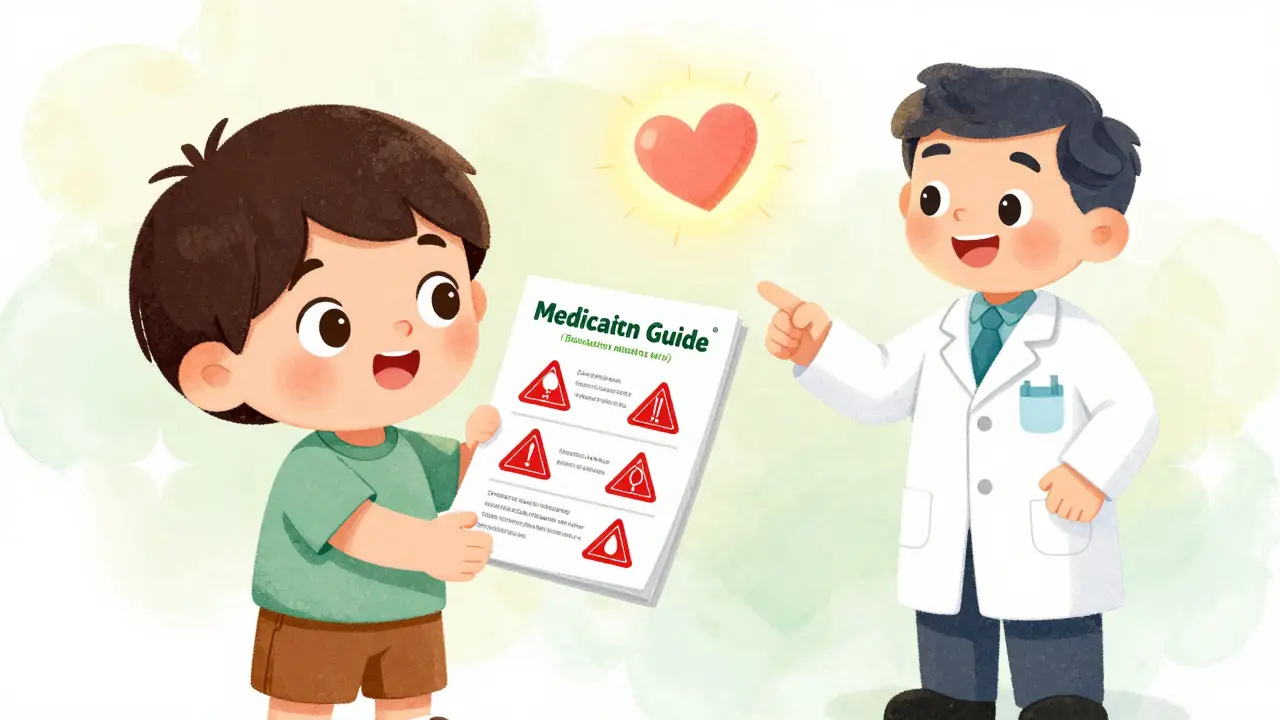
Medication Safety Quick Reference
What This Tool Does
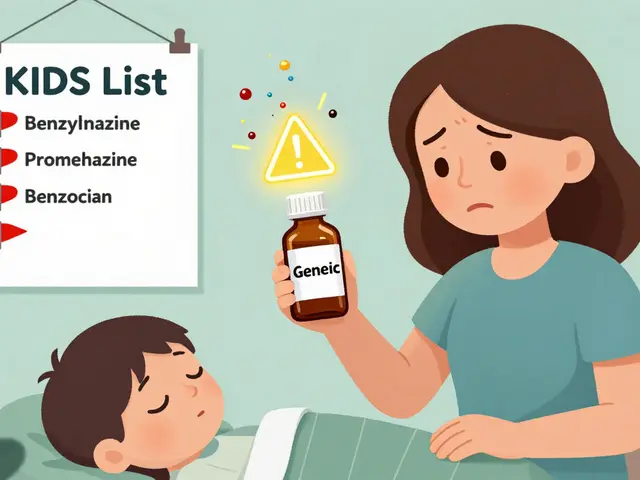
When you get a Medication Guide, it's not just paperwork — it's your health safety net. This tool shows you the critical warning signs you must know for common high-risk medications. Don't guess what's important — read these red flags.
When you pick up a prescription, you might get a small paper booklet tucked into the bag. It’s not just junk mail. It’s a Medication Guide - and it could save your life.
These guides aren’t optional. They’re required by the U.S. Food and Drug Administration (FDA) for certain prescription drugs that carry serious risks. If you’re taking something like an opioid, a biologic for autoimmune disease, or a psychiatric medication, chances are you’ve been given one. But most people never read it. And that’s where the danger lies.
What Exactly Is a Medication Guide?
A Medication Guide is a printed handout that comes with specific prescription medications. It’s not the same as the tiny label on the bottle or the dense booklet doctors use. Those are for professionals. The Medication Guide is written for you - in plain language, at or below a sixth-grade reading level.
The FDA only requires these guides for drugs where the risks are high enough that patients need to understand them clearly. Think: life-threatening side effects, dangerous interactions, or conditions where taking the drug wrong could kill you. Examples include drugs like Tysabri (for multiple sclerosis), Clopidogrel (to prevent blood clots), and certain antidepressants.
Each guide has to include:
- The brand and generic name of the drug
- What it’s approved to treat
- The most serious risks and side effects
- When to stop taking it and call your doctor immediately
- How to store and dispose of it safely
- What to avoid while taking it - like alcohol, other drugs, or certain foods
And here’s the kicker: pharmacists are legally required to give you one every time you fill a refill. Not just the first time. Every time.
Why These Guides Exist - The Real Reason
Before Medication Guides became mandatory, too many people ended up in emergency rooms because they didn’t know what they were taking. A 2020 study in JAMA Internal Medicine found that only 52% of patients even remembered being given a guide. Of those, just 38% read it. That’s not a failure of patients - it’s a failure of how we deliver information.
The FDA created these guides because drugs like these can cause irreversible damage. For example, some medications can trigger a rare brain infection called PML. The symptoms start mild - fatigue, dizziness, trouble walking. If caught early, treatment can stop it. If missed? Permanent disability or death.
One patient on PatientsLikeMe shared that reading the Tysabri guide helped her notice early symptoms. She called her doctor right away. She avoided PML. That guide didn’t just inform her - it saved her.
Studies show that when patients actually read and understand these guides, preventable adverse events drop by up to 22%. That’s not a small number. That’s thousands of hospital visits avoided every year.
How They’re Different From Other Drug Info
You might think, “I get instructions from my pharmacist. Why do I need another paper?”
Here’s the difference:
- Package inserts are written for doctors. Full of medical jargon. Hard to understand. Not meant for you.
- Pharmacy counseling sheets vary by location. Some are helpful. Others are vague or missing key warnings.
- Medication Guides are standardized, reviewed by the FDA, and legally required. They’re the only patient-facing document that’s been scientifically tested for clarity and accuracy.
A 2022 study in the Journal of the American Pharmacists Association found that patients with low health literacy understood Medication Guides 37% better than standard pharmacy handouts. That’s because they’re designed with real people in mind - short sentences, bold warnings, clear headings.
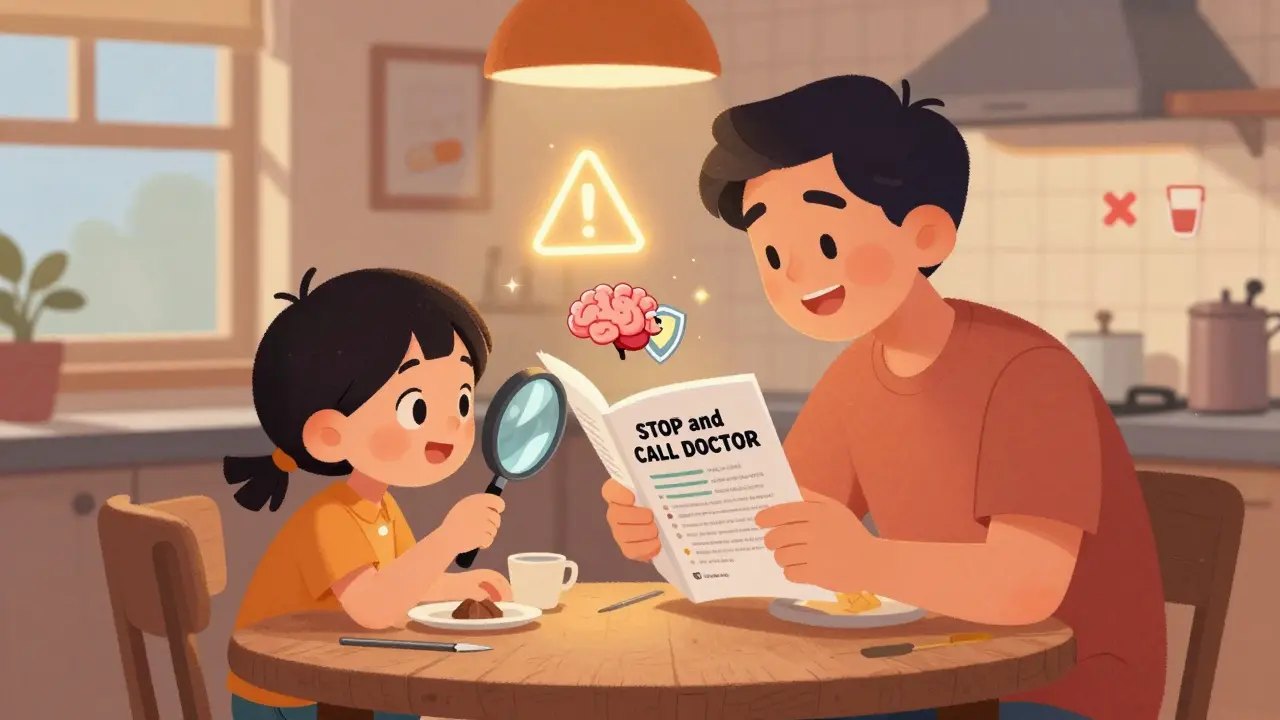
Why Most People Ignore Them (And Why You Shouldn’t)
Let’s be honest. Most people toss them in a drawer. Why?
- “Too much text” - 42% of patients say this on Reddit.
- “The pharmacist already explained it” - 28% think they don’t need to read it.
- “I didn’t realize it was important” - 30% admit they had no idea what it was for.
But here’s what you’re missing: The pharmacist has 47 seconds to explain your entire medication regimen. That’s less time than it takes to microwave a cup of coffee. They’re not going to go deep on every risk. The guide is your backup.
And if you’re one of the 78% of people who’ve had a medication-related problem - according to the National Community Pharmacists Association - you’d have changed your behavior if you’d understood the risks better. That’s not hypothetical. That’s real life.
What’s Changing - The Future of Medication Guides
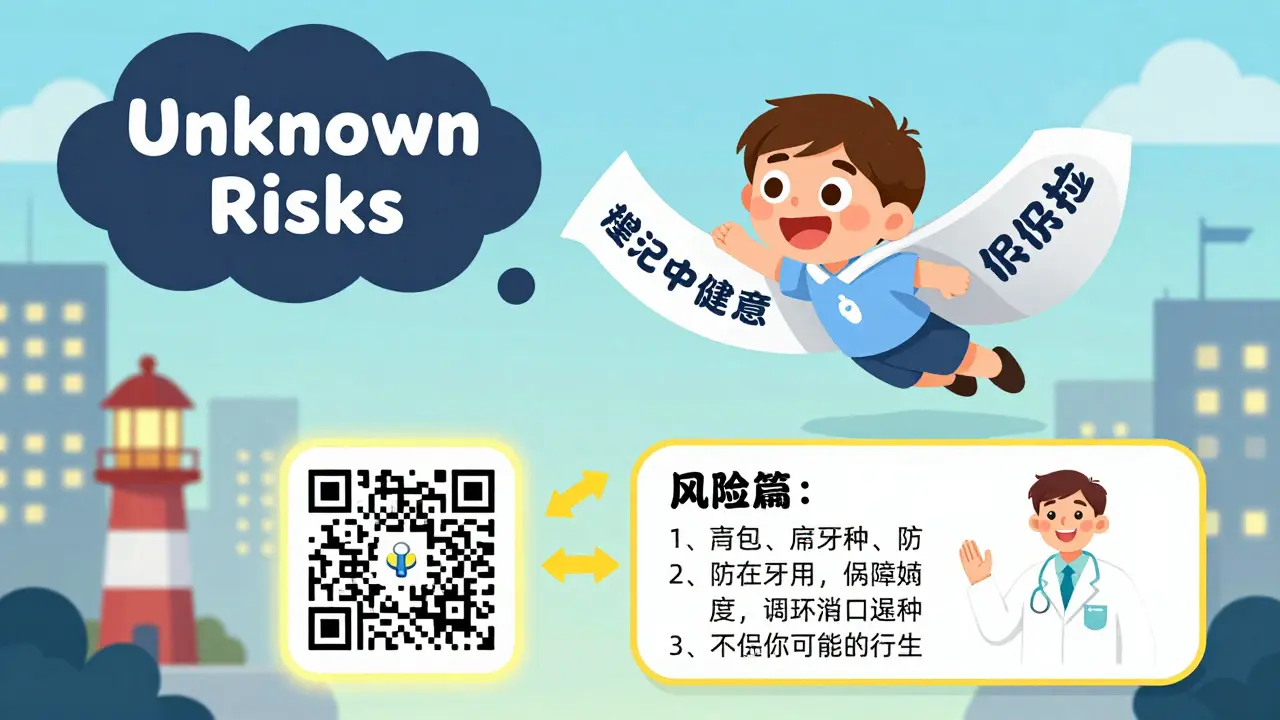
The FDA isn’t just relying on paper anymore. In 2023, they approved the first Interactive Medication Guide for Jardiance, a diabetes drug. It includes a QR code that links to a video explaining risks in simple terms, with animations and personalized risk assessments.
By 2024, all new guides will include visual icons - like warning triangles and stop signs - to highlight critical risks at a glance. By 2025, multilingual versions will be required for the top 25 non-English languages spoken in the U.S.
And if you prefer digital? The FDA now allows electronic delivery. You can opt-in to receive your guide via email or a secure patient portal. Some pharmacies are already doing this.
What You Should Do Right Now
Here’s what to do the next time you get a Medication Guide:
- Don’t throw it away. Keep it with your other important medical papers.
- Read the bold sections. Those are the FDA’s top warnings. They’re there for a reason.
- Look for the “When to Call Your Doctor” section. Write down those symptoms. Put them on your phone as a reminder.
- Ask your pharmacist to walk you through it. Say: “Can you point out the top three things I need to watch for?”
- Check for updates. If your medication changes, the guide might change too. Always get the latest version.
These guides aren’t perfect. They’re not interactive. They’re not personalized. But right now, they’re the most reliable safety tool we have for high-risk medications. And if you ignore them, you’re gambling with your health.
It’s not about being a good patient. It’s about being a smart one.
Are Medication Guides required for all prescription drugs?
No. Only about 150 out of roughly 3,000 prescription drugs in the U.S. require a Medication Guide. These are drugs with serious risks - like opioids, biologics, psychiatric medications, and drugs used in cancer treatment. The FDA decides which ones need them based on potential harm and whether patient understanding can reduce danger.
Can I get a Medication Guide if I didn’t receive one?
Yes. If your prescription requires a Medication Guide and you didn’t get one, ask your pharmacist. It’s their legal responsibility to provide it. If they say they don’t have it, they can request more from the manufacturer. You can also ask your doctor to contact the drugmaker directly.
Do Medication Guides replace doctor’s advice?
No. They’re meant to support, not replace, your doctor’s instructions. If a guide says to avoid alcohol and your doctor says it’s fine, talk to them. But never ignore a warning about life-threatening side effects. The guide is there because the FDA has seen real cases of harm - even when doctors didn’t catch the risk.
Can I request a digital version of my Medication Guide?
Yes. Since late 2022, the FDA allows electronic delivery. Ask your pharmacy if they offer email or app-based guides. Some even send reminders when your guide is updated. Digital versions can include videos and interactive tools - making them easier to understand than paper.
Why do some Medication Guides look outdated or hard to read?
Many were printed years ago and haven’t been redesigned. The FDA is updating standards - new guides must use clearer fonts, visual icons, and plain language by 2024. If yours looks cluttered or confusing, ask if there’s a newer version. You can also check the FDA’s website for official guides, which are always the most current.
What Happens If You Skip It?
Skipping a Medication Guide doesn’t just mean you miss a warning. It means you’re operating blind.
Imagine you’re on a medication that can cause liver damage. The guide says: “Stop taking this and call your doctor if you notice yellowing of the skin or eyes.” You don’t read it. A few weeks later, you feel tired. You think it’s stress. You keep taking it. Two months later, you’re hospitalized. Your liver is failing.
That’s not rare. That’s exactly what happened to people before these guides became standard.
The FDA doesn’t require these guides because they’re nice to have. They require them because people die without them.
You don’t need to memorize every page. But you do need to know the top three red flags. Keep the guide. Read the bold parts. Ask one question. That’s all it takes to turn a piece of paper into a lifeline.
8 Comments
i just read my med guide for the first time last month and holy crap i had no idea i was supposed to watch for jaundice with my med
thought it was just 'feel tired sometimes' stuff
now i keep it taped to my bathroom mirror lol
pharmacists have 47 seconds? that’s a joke. i got handed my guide like a receipt and told 'take it or leave it'. no one explains anything. the guide is your only shot.
i read mine but honestly the font is tiny and the paper’s yellowed. still better than nothing though. maybe we need a mobile app version? just sayin’
in india we dont even get these papers. we get a sticker on the bottle. sometimes no instructions at all. this system you have? it’s actually kinda advanced. respect.
if you don’t read the guide, you’re not just careless-you’re dangerous. stop being lazy and save your own life.
I must say, the FDA's implementation of standardized, clinically validated patient-facing documentation represents a monumental advancement in pharmacovigilance infrastructure. It is, frankly, a model for global health policy.
I just got my guide for my new med and I’m so glad I read it 😍 I didn’t realize the interaction with grapefruit could be deadly 🚫🍇 now I keep it in my wallet 📄❤️ #MedicationGuideSavesLives
It’s amusing how people treat this like some revolutionary breakthrough. I’ve been reading medication guides since the 90s. If you didn’t know to read them, perhaps you shouldn’t be managing your own prescriptions.