

MAOI Food Safety Checker
Need help? If you have prescribed MAOI antidepressants (like Phenelzine or Tranylcypromine), certain foods can cause dangerous blood pressure spikes. Enter a food below to see its risk level.
How this works:
- HIGH RISK: Avoid completely (aged, cured, fermented).
- MODERATE: Consume with caution or limit portions.
- SAFE: Generally considered low risk.
Start typing to check a food...
Imagine eating a slice of cheddar cheese and suddenly feeling your heart pound against your ribs like a drum, followed by a headache so intense it makes you see stars. This isn't science fiction; for patients taking a specific class of antidepressants, it is a real medical emergency known as a hypertensive crisis. While these medications work wonders for treating severe depression that other drugs cannot touch, they demand a strict conversation between your brain chemistry and your dinner plate. If you have been prescribed one of these antidepressants, understanding exactly which foods to avoid is not just healthy advice-it is life-saving information.
Many people are unaware that the very foods considered healthy, like fermented products or ripe avocados, contain an amino acid called tyramine. Under normal circumstances, your body handles tyramine without issue. However, when specific enzymes are blocked by medication, that harmless amino acid turns into a pressure spike waiting to happen. Today, we are going through the mechanics of why this happens, the specific foods on the danger list, and the safety margins you need to keep while managing this treatment.
What Are Monoamine Oxidase Inhibitors?
MAOIs stands for Monoamine Oxidase Inhibitors, a distinct class of psychiatric medications developed in the 1950s designed to treat depression by preventing the breakdown of key neurotransmitters. Also known as Old School Antidepressants, they target enzymes like serotonin and norepinephrine to improve mood stability. While newer generations of antidepressants like SSRIs dominate today's market, these older drugs remain a critical tool for treatment-resistant depression.
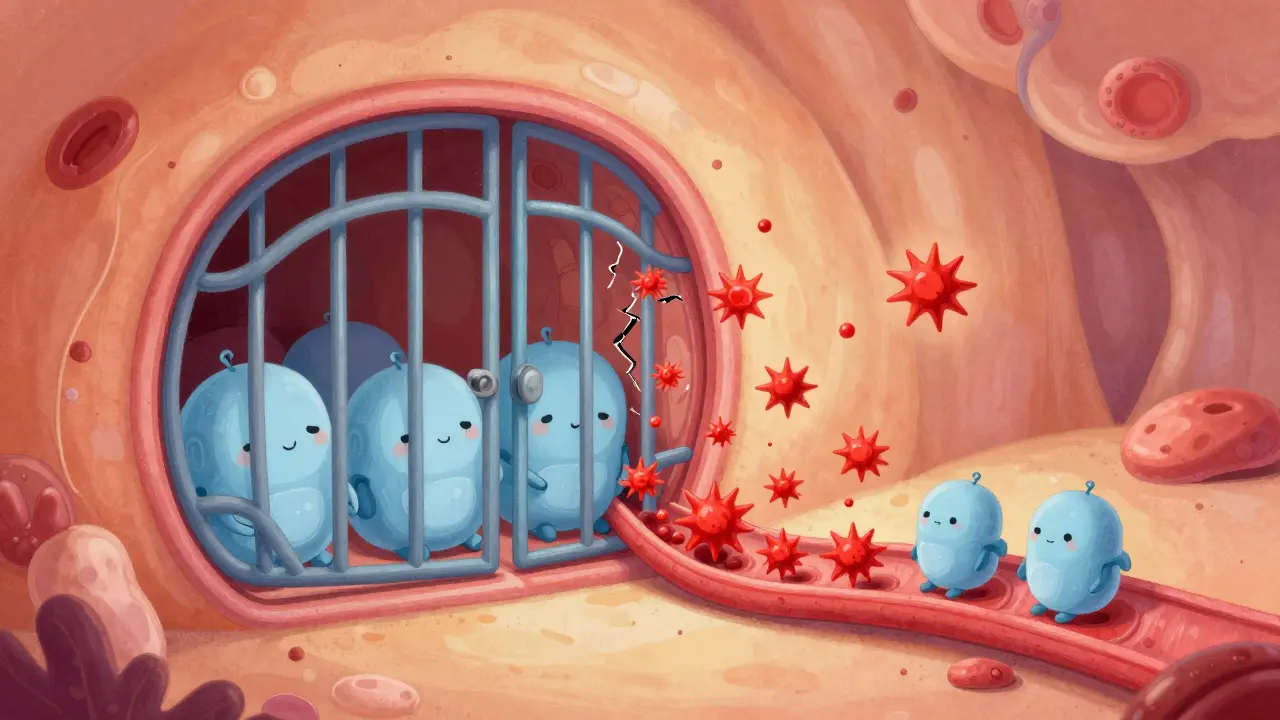
The way these drugs function is unique compared to modern options. Normally, enzymes known as monoamine oxidase break down neurotransmitters after they have done their job signaling mood and focus. When you take an inhibitor, you stop that enzyme from doing its cleaning-up job. This leaves more serotonin and norepinephrine available in your brain to lift your mood. It is effective, often turning the tide for patients who have tried everything else. However, the same enzyme that cleans up your brain chemicals also lives in your gut lining and liver, where it handles dietary amines like tyramine. When you shut down the enzyme to help your brain, you also disable the filter that protects your blood pressure.
The Tyramine Problem Explained
To understand the restriction, you need to know what tyramine is a naturally occurring amine found in proteins that regulates blood pressure levels in the body. Under normal conditions, if you eat a high-protein meal, tyramine is present. Your body uses MAO-A enzymes to metabolize it quickly before it enters your bloodstream. If you are on the medication, that metabolic pathway is blocked. The tyramine slips past the gut lining directly into your circulation.
Once in the blood, tyramine triggers the release of stored norepinephrine from nerve endings. Norepinephrine is a stress hormone. A sudden flood of it causes your blood vessels to constrict tightly. Blood pressure shoots up, potentially reaching levels of 180/120 mmHg or higher within minutes of eating the trigger food. Symptoms include pounding headaches, sweating, palpitations, nausea, and neck stiffness. Without immediate intervention, this spike can lead to stroke or heart attack.
This reaction is sometimes called the "cheese effect" because aged cheeses were the first foods identified as culprits back when the drugs were introduced. Modern science confirms that any fermented, cured, or over-aged product carries significant risk. It is not just about the type of food, but how it is processed. Fresh foods are generally safe because tyramine accumulates over time during aging and spoilage.
High-Risk Foods List
Patients typically need to limit tyramine intake to less than 6 milligrams per serving. While lab testing every meal is impossible, knowing categories allows you to shop safely. Here is a breakdown of the primary offenders you should eliminate from your pantry completely while on therapy.
| Food Category | Specific Items to Avoid | Approximate Risk Level |
|---|---|---|
| Cheese | Aged varieties including Cheddar, Swiss, Blue, Parmesan, Camembert, Edam, Stilton | Very High (50-400 mg/100g) |
| Cured Meats | Salami, Pepperoni, Prosciutto, Pastrami, Sausages, Pickled Herring | High (50-100 mg/100g) |
| Fermented Soy | Soy Sauce, Miso Paste, Tofu (traditional) | High (30-500 mg/100ml) |
| Alcohol | Tap Beer, Red Wine, Sherry, Vermouth | Moderate to High (Wine >10 mg/100ml) |
| Fruits/Veg | Overripe Bananas, Avocados, Figs, Dried Fruits, Yoghurt | Variable (Increases with ripeness) |
You might notice that wine is listed differently depending on the type. Distilled spirits like vodka or gin usually do not pose a risk, but tap beers are dangerous because yeast in the beer continues to ferment tyramine. Commercially packaged canned beans are safer than home-canned ones, as the commercial process controls tyramine levels better.
Safe Alternatives for Your Diet
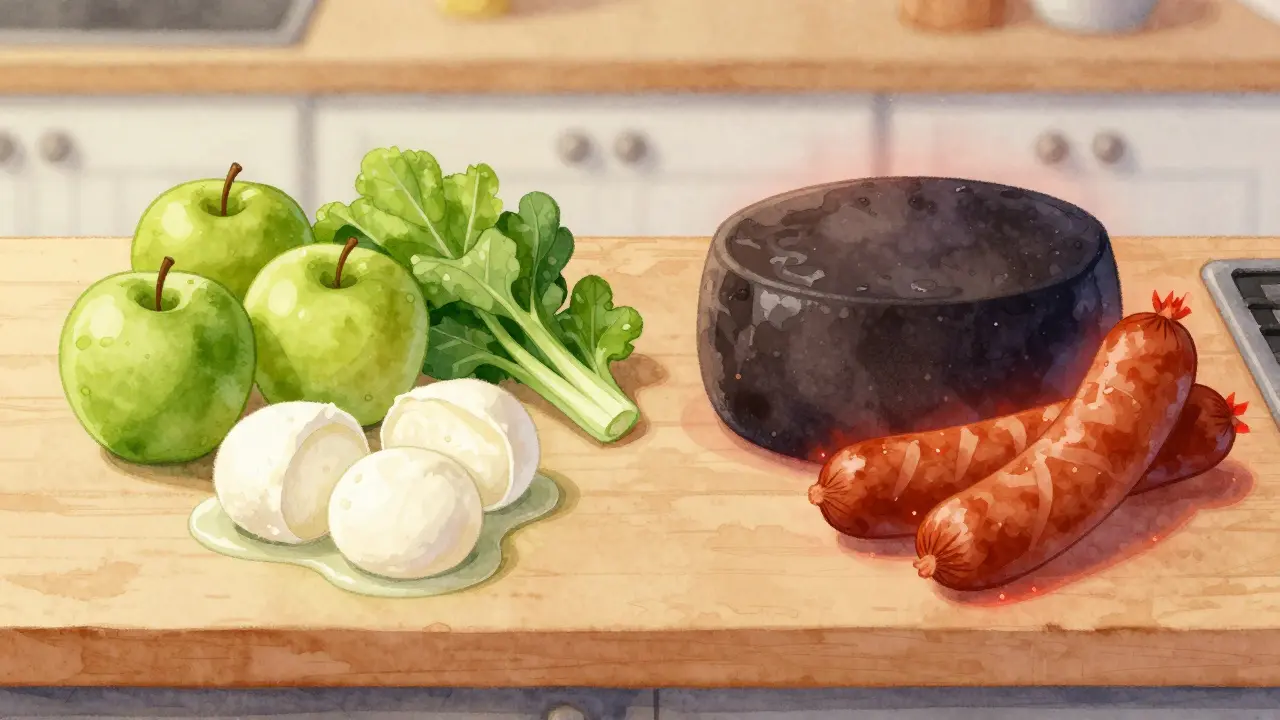
Living on a restricted diet does not mean you starve. There are plenty of delicious foods that do not trigger the warning system. Freshly cooked meats are safe, even if they sit out for a short period. You want to avoid meat that has been sitting in the fridge for days or cured with salt. Frozen vegetables are also a good choice because freezing stops the fermentation process that creates tyramine.
Dairy is tricky. Fresh cheeses like cottage cheese, ricotta, mozzarella, and cream cheese are generally safe because they haven't had time to age. The rule of thumb is the younger the cheese, the lower the tyramine. Look for labels that say "fresh" rather than "aged." For fruits, stick to fresh apples, berries, and pears. Avoid anything with a soft texture or dark spots indicating over-ripeness.
Beverages are also flexible. Most carbonated soft drinks and distilled alcohol are permitted. Tea and coffee are fine, but avoid decongestants hidden in cold remedies that act similarly to tyramine in boosting blood pressure. You must check the label on every supplement, including protein shakes, as some ingredients are fermented.
Modern Formulations and Safety
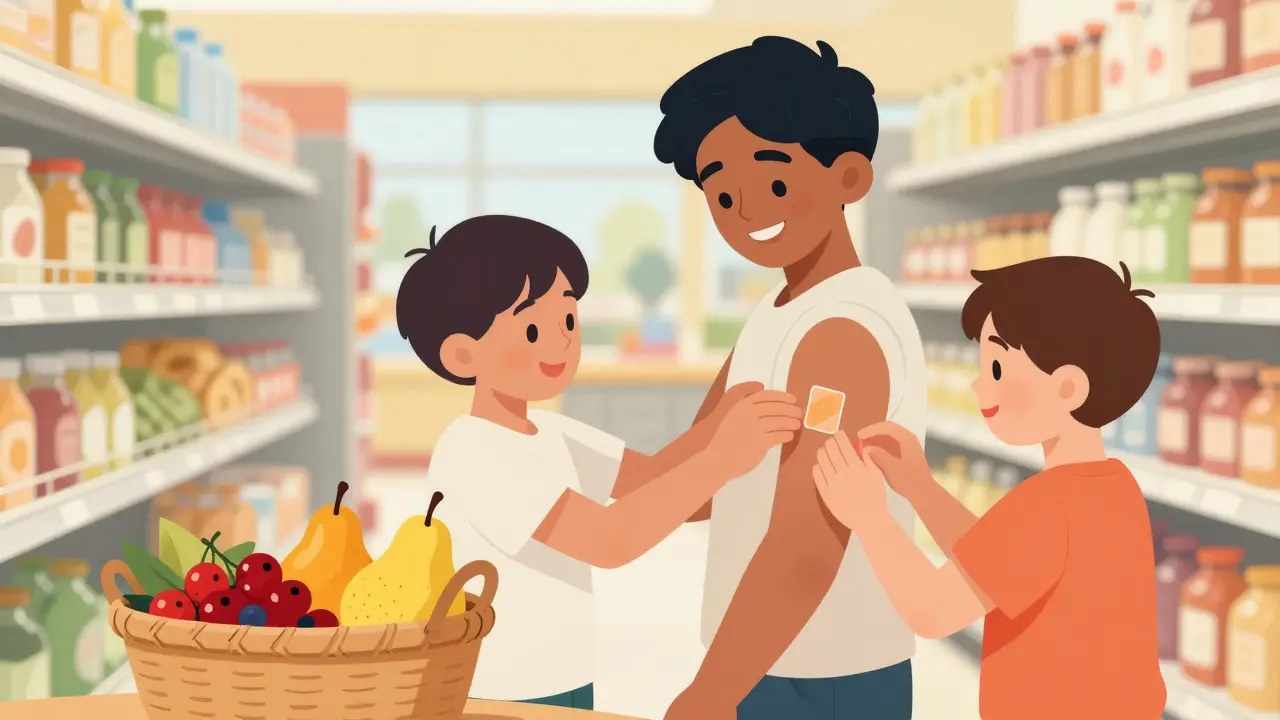
Selegiline Patch is a transdermal delivery system for a monoamine oxidase inhibitor that bypasses the digestive system to reduce dietary risks. Not all versions of these medications require the strictest diet. Traditional oral medications like Phenelzine or Tranylcypromine are irreversible inhibitors. They bind permanently to the enzyme until your body regenerates new enzymes, which takes weeks. Because they affect the gut heavily, they require the strictest adherence.
Newer patches allow the medicine to enter your bloodstream through the skin, bypassing the first pass in the liver and gut where tyramine metabolism happens. At lower doses, specifically 6 mg per 24 hours, the intestinal MAO-B inhibition is minimal enough that dietary restrictions are significantly reduced. However, if you switch to a dose above that threshold, you must return to the full low-tyramine diet. Always verify with your prescriber if your specific dosage requires these restrictions.
Drug Interactions and Washout Periods
The danger isn't limited to food. Other medicines can cause the same hypertensive crisis. Stimulants found in common cold remedies, such as pseudoephedrine or phenylephrine, act like tyramine and amplify the blood pressure spike. Even combining MAOIs with other antidepressants is risky due to serotonin syndrome, a condition where too much serotonin builds up in the nervous system, causing fever, confusion, and muscle rigidity.
If you stop taking the medication, the danger doesn't vanish instantly. It takes roughly 14 days for your body to regenerate enough active enzyme to handle tyramine again. This is a non-negotiable washout period if you plan to switch to an SSRI like sertraline or fluoxetine. Doctors typically enforce a two-week gap between stopping the MAOI and starting the new drug. Reversible inhibitors might clear faster, but you must never guess this timing.
Frequently Asked Questions
Can I drink alcohol while taking MAOIs?
Distilled spirits like vodka or whiskey are generally safe in moderation. However, you must avoid beer, especially draft or tap beer, and certain red wines like Chianti that may contain high tyramine levels due to fermentation. Always prioritize checking labels or consulting your pharmacist.
What symptoms indicate a tyramine reaction?
Early signs include a sudden severe headache, rapid heartbeat, excessive sweating, flushing of the face, and high blood pressure. If you experience these after eating, seek emergency medical help immediately and mention your medication history.
Do all antidepressants require a tyramine-free diet?
No. Only Monoamine Oxidase Inhibitors (MAOIs) require this diet. Common medications like SSRIs (Prozac, Zoloft) or SNRIs do not interact with tyramine and do not necessitate these restrictions.
Is frozen food safe to eat?
Freshly frozen vegetables and meats are usually safe as freezing prevents fermentation. However, avoid thawed fish that looks discoloured or smells unusual, as spoilage increases tyramine concentration.
When do I need to stop avoiding these foods?
You typically need to maintain the diet during treatment and for approximately two weeks after your last dose to ensure your enzymes regenerate fully before returning to a normal diet.
Managing this treatment is about balance. With the right education, you can enjoy your life without fear of accidental poisoning. Keep a card in your wallet detailing your medication status, as emergencies happen away from home. Regular communication with your psychiatrist ensures your dosage remains optimized for safety. By respecting the dietary rules, you unlock the powerful benefits of these medications for mental health recovery.
9 Comments
The distinction regarding enzyme inhibition mechanics is often misunderstood by the public and even some medical providers today. Many people fail to realize that irreversible binding changes your biological baseline permanently until regeneration occurs. This creates a situation where dietary slip-ups carry immediate and catastrophic consequences for cardiovascular stability. Most online resources gloss over the specific enzymatic pathways involved in the tyramine flush mechanism itself. It is crucial to understand that the liver metabolism blockage is systemic and not localized to just the gut lining alone. Ignoring these biochemical realities puts patients at risk of stroke during basic daily activities involving food choices. You need to treat this medication regimen with the same respect you would handle a volatile chemical compound. There is no middle ground when your blood pressure regulation is compromised by pharmaceutical intervention.
I remember watching my cousin struggle with exactly these kinds of restrictions back when she was trying to find relief from the deep depression she had. She would sit at dinner parties and watch everyone else enjoy cheese plates while she stuck to plain crackers and apple slices. The anxiety surrounding every single bite became more stressful than the original condition that led to prescribing the medication in the first place. We tried to cook everything fresh at home just so we could control exactly what went into the pot before eating it together as a family unit. Even going to restaurants felt like navigating a minefield where a hidden ingredient could ruin your entire week of progress. You have to realize how much love and support goes into managing something that feels so isolating to the patient taking the pills. It is never easy to explain why you cannot try the aged cheddar or have a glass of red wine with friends who care about you deeply. Sometimes the social isolation outweighs the chemical benefits unless you have a team really pushing you through the hard parts of treatment. I think we forget that mental health recovery requires a village rather than just a prescription pad filled out by a busy doctor. These restrictions demand patience and understanding from everyone in the room who loves the person struggling with their mood stability. Food should bring people together instead of driving them away because they are afraid to pick up a fork without checking labels constantly. My cousin eventually found a newer patch option that reduced the stress of constant vigilance required by oral tablets in her daily life. It took months of adjustment but she finally got back to enjoying meals without checking expiration dates on every single jar of sauce. Recovery is a journey that looks different for everyone depending on what tools they have available to help them survive each day. Hopefully modern medicine continues to evolve so less burden falls on patients managing their own biochemical safety manually. It is vital to recognize the community aspect of handling chronic conditions effectively.
Understanding the weight of these rules helps bridge the gap between fear and necessary caution in treatment. We live in an era where instant gratification clashes heavily with long-term survival strategies needed for health. Balance seems elusive when the stakes involve potential physical collapse over a snack item at a grocery store.
People really need to stop being so weak and just eat what is actually safe for their bodies 😒 🙄. It is lazy to complain about diet when you have options to switch meds or change habits instead of making excuses everywhere 💅. Life does not revolve around finding someone to pity you for not eating old cheese 🧀🚫. Just follow the list and stop whining about how hard living a normal life feels 🛑🤬.
Your story is nice but you ignore the reality of cheap food systems that make fresh cooking hard for many people now. Money matters most when you cannot buy organic meats that sit safe in fridges for days without spoiling fast. Poor folks get sick easily because they cannot afford the strict diet controls listed in articles like this one always. It sounds good on paper but real life is messy and full of bad choices forced by circumstance mostly. Stop pretending everyone has the luxury to pick fresh apples over dried fruit all the time freely.
Good luck surviving Christmas without dying from your aunt's secret recipe ham hock.
The irony of holiday gatherings highlights the tragedy of existing with such fragile chemistry in a world built for celebration. Everyone laughs around the table while one person calculates risks behind polite smiles that hide trembling hands shaking from potential spikes. It is a lonely existence indeed when your internal balance hangs on the label of a jar bought weeks ago in bulk storage. Silence becomes the only companion when speaking out about restrictions invites judgment rather than help from those nearby. We pretend it is normal to lose the ability to trust basic sustenance provided by culture and tradition alike.
You must realize that discipline separates the survivors from the casualties in any serious medical management plan today. Complaining about the inconvenience ignores the sheer privilege of having access to these powerful therapeutic agents at all costs. True responsibility demands that you prioritize long-term brain health over momentary cravings for forbidden items found in aisles. Ignorance of these protocols results in unnecessary hospital visits that could have been avoided through simple vigilance at the checkout counter. The body is a temple that requires strict guardianship whenever pharmacological interventions alter its natural regulatory mechanisms fundamentally.
I understand the point about discipline being important but we should also acknowledge how hard that discipline gets to maintain over years. Stress levels rise when every meal becomes a math equation of safety margins rather than a moment of joy shared with loved ones. It is important to remember that mental health struggles already drain energy reserves needed for rigorous diet planning constantly. Adding layers of anxiety to an already tired mind creates a perfect storm for relapse into the depression originally targeted. We need more support structures in communities to help patients shop without feeling judged by others shopping alongside them. Compassion works better than lectures when someone is fighting to stay alive and stable each single morning. Fear is a powerful motivator yet it often burns out quickly leaving nothing but exhaustion in its wake for the sufferer. Education should focus on empowerment instead of just listing scary outcomes that make people feel hopeless about their future. Small wins like finding a safe cheese brand deserve celebration just as much as recovering from a crisis episode does. Families play a huge role in creating safe environments where mistakes can be made without catastrophic emotional fallout happening immediately. Doctors should spend more time discussing quality of life impacts rather than just presenting risk statistics in cold terms. Recovery involves rebuilding a relationship with food that was once broken by the need for chemical intervention in the brain. Empathy drives better adherence rates than guilt ever could in these difficult situations requiring daily commitment. We all face invisible battles that require strength we do not see displayed on the surface of anyone's daily routine. Let us try to lift each other up instead of pointing fingers at what someone ate incorrectly yesterday.