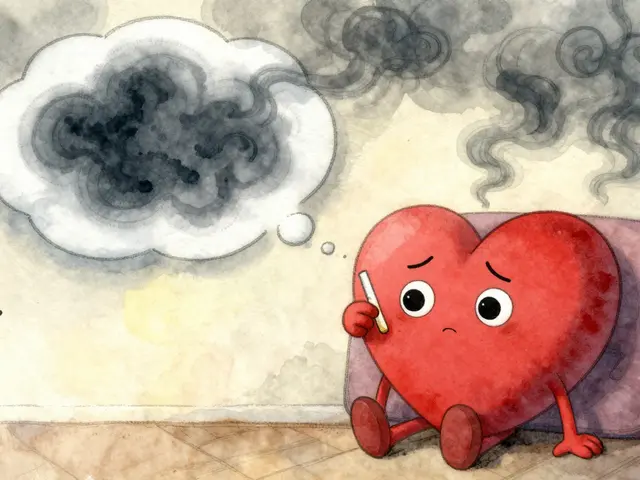




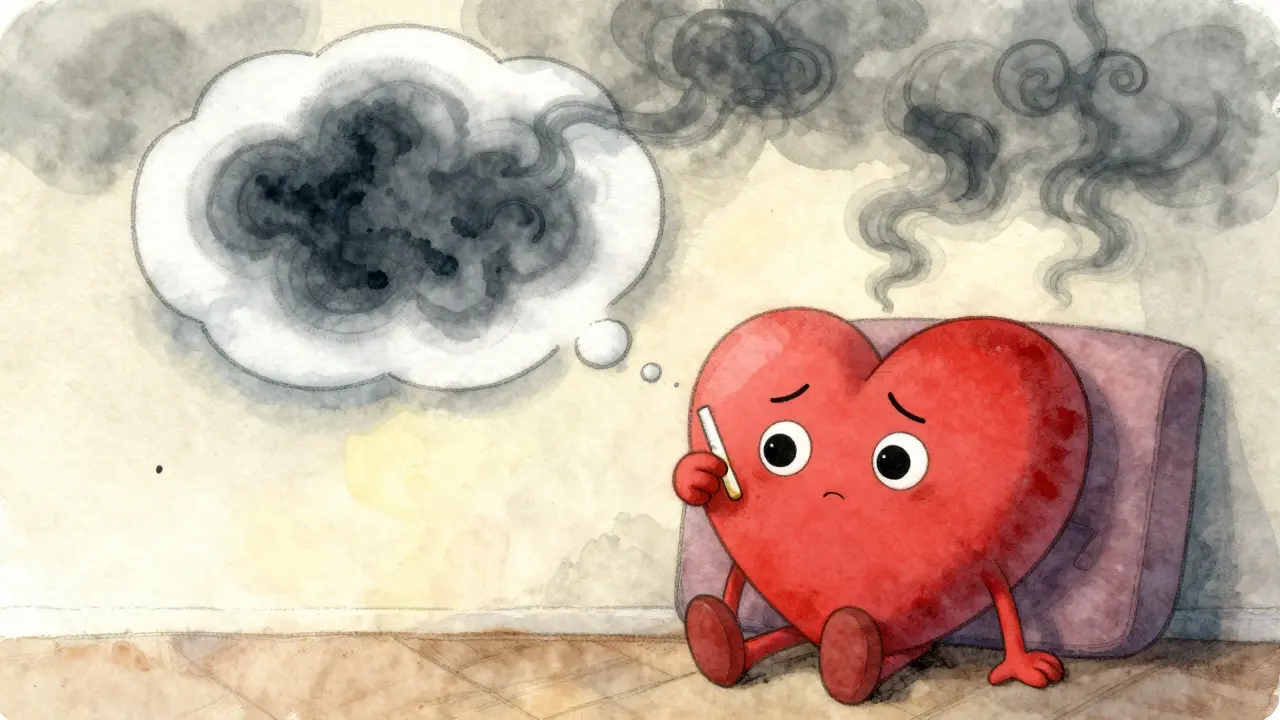
Imagine your heart rate slowing down to normal levels just twenty minutes after you put out the last cigarette. It sounds too good to be true, but it is a biological fact. Smoking doesn't just damage your lungs; it attacks your entire cardiovascular system with every puff. For millions of people, the link between smoking and heart disease feels abstract until a diagnosis hits home. The reality is stark: tobacco use remains one of the leading causes of preventable death worldwide, responsible for nearly half a million deaths annually in the United States alone.
The good news? Your body begins repairing itself almost immediately. Quitting smoking is not just about living longer; it is about living better, with less pain, more energy, and a significantly lower risk of catastrophic events like heart attacks and strokes. This article breaks down exactly how smoking harms your heart, why quitting works so fast, and the most effective strategies to help you stay smoke-free for good.
The Immediate Impact of Tobacco on Your Heart
To understand why quitting saves lives, we first need to look at what smoking does while you are still doing it. When you inhale cigarette smoke, you are introducing thousands of chemicals into your bloodstream. Two of the most dangerous are nicotine and carbon monoxide.
Nicotine acts as a stimulant. It triggers the release of adrenaline, which spikes your blood pressure and increases your heart rate. Think of it as forcing your engine to redline constantly, even when you are sitting still. Over time, this strain thickens the walls of your arteries and makes them less flexible. Carbon monoxide, meanwhile, displaces oxygen in your blood. Your heart has to work harder to pump enough oxygen-rich blood to your organs and muscles.
This combination creates a perfect storm for atherosclerosis, the buildup of fatty plaques in your arteries. These plaques narrow the passages, restricting blood flow. If a plaque ruptures, it can form a clot that blocks an artery entirely, leading to a myocardial infarction (heart attack) or stroke. According to data from the Centers for Disease Control and Prevention (CDC), cardiovascular disease accounts for approximately 178,000 of the annual smoking-related deaths in the U.S. That is not a statistic; that is 178,000 lives cut short by a habit that damages the very vessel that keeps us alive.
The Timeline of Recovery: Why Every Day Counts
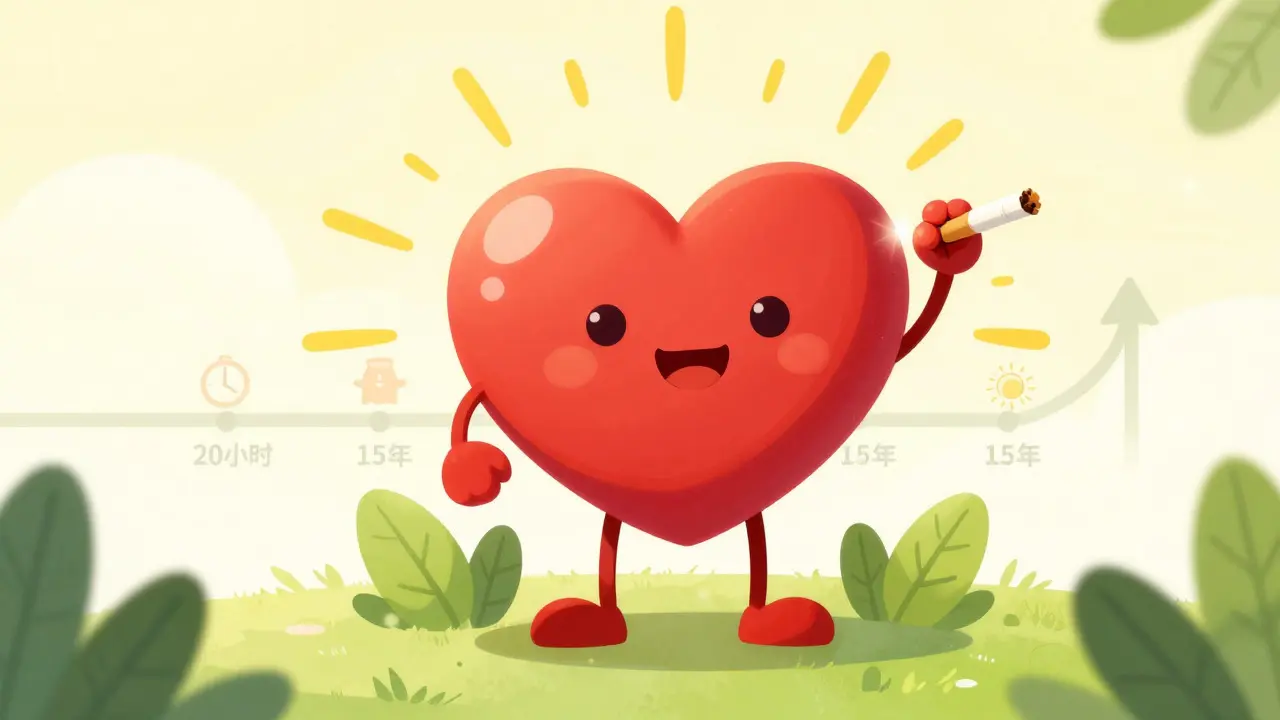
One of the most compelling reasons to quit is the speed at which your body recovers. You do not have to wait decades to see benefits. The timeline of cardiovascular recovery is well-documented and incredibly encouraging.
- 20 Minutes: Your heart rate and blood pressure drop back to normal levels. The immediate strain on your heart is relieved.
- 12 to 24 Hours: Carbon monoxide levels in your blood return to normal. Oxygen levels rise, allowing your tissues to breathe easier.
- 1 Year: Your risk of coronary heart disease drops by 50%. This is a massive reduction compared to continuing smokers.
- 5 to 15 Years: Your risk of stroke falls to that of a person who has never smoked.
- 15 Years: Your risk of coronary heart disease equals that of a non-smoker.
Dr. Nancy Rigotti, Director of the Tobacco Research and Treatment Center at Massachusetts General Hospital, notes that no other medical intervention offers such dramatic risk reduction across such a broad spectrum of cardiovascular conditions. Whether you are 30 or 70, quitting today starts the clock on this recovery process immediately.
Evidence-Based Cessation Strategies
Willpower alone is rarely enough. Nicotine is highly addictive, and withdrawal symptoms can be intense. The most successful approach combines behavioral support with pharmacological treatment. Clinical guidelines from the American Heart Association (AHA) and the American College of Cardiology (ACC) recommend a structured five-step algorithm: Ask about tobacco use, Assess dependence, Advise quitting, Offer treatment, and Arrange follow-up.
Let's look at the specific tools available to you.
Nicotine Replacement Therapy (NRT)
NRT delivers small amounts of nicotine without the harmful toxins found in smoke. This helps manage cravings and withdrawal symptoms while you break the psychological habit. Forms include patches, gum, lozenges, inhalers, and nasal sprays.
Research shows that combining NRT methods is more effective than using just one. For example, using a long-acting patch along with a short-acting gum or lozenge for sudden cravings can boost quit rates to 35-40% at six months, compared to 20-25% for single-form NRT. Heavy smokers (more than 10 cigarettes a day) typically start with the highest dose patch (21-28 mg/24h) and taper down over 8-12 weeks.
Prescription Medications
For those who struggle with NRT, prescription options offer stronger support.
- Varenicline (Chantix): This medication reduces cravings and blocks the pleasurable effects of smoking if you slip up. Studies show it achieves 44% continuous abstinence rates at 12 weeks. However, it carries warnings for neuropsychiatric side effects, so it requires careful monitoring.
- Bupropion SR (Zyban): Originally an antidepressant, it also helps reduce nicotine cravings. It shows abstinence rates of 30-35% at standard dosages.
Behavioral Counseling
Medication handles the physical addiction; counseling handles the mental habit. Behavioral interventions involve 4-7 sessions delivering 300-600 minutes of contact time. This support increases quit rates by 50-100% compared to minimal advice alone. Counselors help you identify triggers, develop coping strategies, and navigate high-risk situations like stress or social drinking.
| Method | Absinence Rate (6-12 Months) | Key Benefit | Consideration |
|---|---|---|---|
| Combination NRT | 35-40% | Flexible, OTC availability | Requires proper dosing schedule |
| Varenicline | 44% (at 12 weeks) | Highest efficacy rate | Prescription needed, potential side effects |
| Bupropion SR | 30-35% | Helps with mood/weight gain | Less effective than Varenicline |
| Counseling Only | ~20% | No medication side effects | Lower success rate without meds |
| Combined Meds + Counseling | Up to 45% | Addresses both physical and mental aspects | Requires commitment to appointments |
Overcoming Common Challenges
Quitting is hard, and relapse is common. About 75% of quit attempts fail within six months without ongoing support. Knowing what to expect can help you prepare.
Withdrawal Symptoms: Irritability, anxiety, difficulty concentrating, and strong cravings peak within 48-72 hours after your last cigarette. Remember, these are signs your body is healing, not breaking. Short-acting NRT or deep breathing exercises can help ride out these waves.
Weight Gain: Many people worry about gaining weight after quitting. On average, quitters gain about 4.7 kg (10 lbs) in the first year. While this is a concern, the cardiovascular risks of smoking far outweigh the risks of moderate weight gain. Regular exercise and healthy eating can mitigate this effect.
Triggers: Alcohol is a major trigger, causing 42% of relapses. Identify your personal triggers-whether it's coffee, stress, or social gatherings-and plan alternative activities. For instance, if you usually smoke with morning coffee, switch to tea or drink your coffee in a different location.

Success Stories and Real-World Outcomes
Data is powerful, but personal stories resonate deeply. In cardiac rehabilitation programs, patients often report dramatic improvements. One 58-year-old post-heart attack patient shared that six months after quitting, his HDL cholesterol increased from 32 to 52 mg/dL, and his walking distance doubled. He attributed this directly to stopping smoking.
Surveys indicate that 68% of quitters in cardiac rehab experience improved exercise tolerance, and 52% report reduced angina symptoms within three months. These are tangible quality-of-life improvements that make the struggle worth it.
The key to success lies in comprehensive support. A 2023 American Heart Association survey found a 78% success rate among patients who received both medication and four or more counseling sessions, compared to just 32% for those receiving medication alone. Don't try to go it alone. Engage your doctor, seek out support groups, and consider digital tools like FDA-cleared apps that provide real-time coaching.
Next Steps for Your Heart Health
If you are ready to quit, start by setting a quit date within the next seven days. Talk to your healthcare provider about a personalized plan that may include NRT or prescription medications. Identify your triggers and create a list of coping strategies. Enlist friends and family for support. Remember, every day without a cigarette is a victory for your heart.
The journey to quitting smoking is challenging, but the reward is a healthier, stronger heart and a longer life. With the right strategies and support, you can break free from tobacco and reclaim your health.
How quickly does quitting smoking improve heart health?
Improvements begin almost immediately. Within 20 minutes, your heart rate and blood pressure normalize. Within 12-24 hours, carbon monoxide levels drop, increasing oxygen in your blood. After one year, your risk of coronary heart disease is cut in half.
Is it ever too late to quit smoking for heart benefits?
No. Regardless of age or how long you have smoked, quitting provides significant cardiovascular benefits. Even older adults see rapid improvements in blood pressure and oxygen levels, reducing the immediate risk of heart attacks and strokes.
What is the most effective way to quit smoking?
The most effective approach combines pharmacological treatment (like varenicline or combination NRT) with behavioral counseling. Studies show this dual approach yields higher abstinence rates than using either method alone.
Will I gain weight if I quit smoking?
Many people gain a modest amount of weight, averaging around 4.7 kg (10 lbs) in the first year. However, the cardiovascular risks of smoking are far greater than the risks associated with this weight gain. Exercise and diet can help manage this change.
Are e-cigarettes safe for heart health?
The cardiovascular safety profile of e-cigarettes remains controversial. Some studies suggest they may cause arterial stiffness similar to traditional cigarettes. They are not currently recommended as a primary cessation aid by major heart associations due to lack of long-term safety data.