

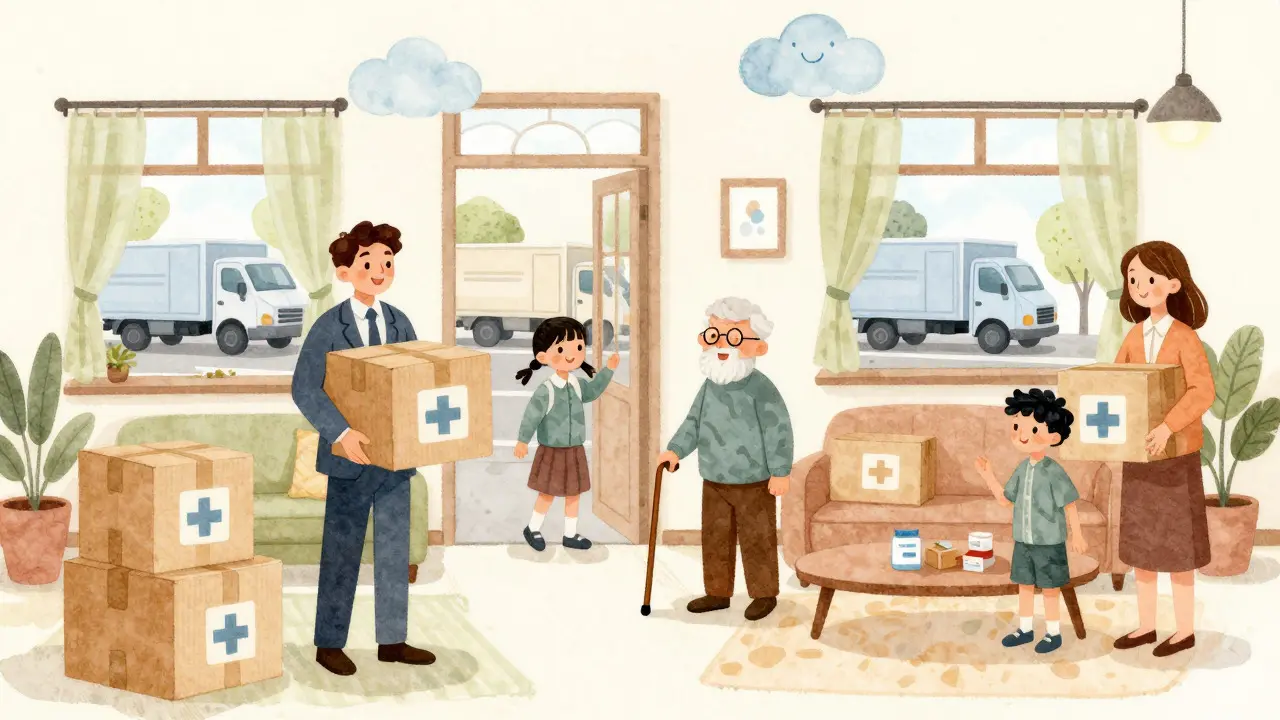
Imagine getting your prescription delivered right to your doorstep. No traffic jams, no waiting in line at the local drugstore, and potentially lower costs for your chronic medications. This is the promise of mail-order generics, a service that has exploded in popularity over the last decade. With sales jumping from $86 billion in 2013 to over $206 billion by 2023, it’s clear that millions of people are choosing convenience over traditional retail pharmacy visits. But is this shift entirely positive? While the benefits for managing long-term health conditions are significant, there are hidden pitfalls-from temperature control failures to confusing pricing markups-that every patient needs to understand before signing up.
The Convenience Factor and Medication Adherence
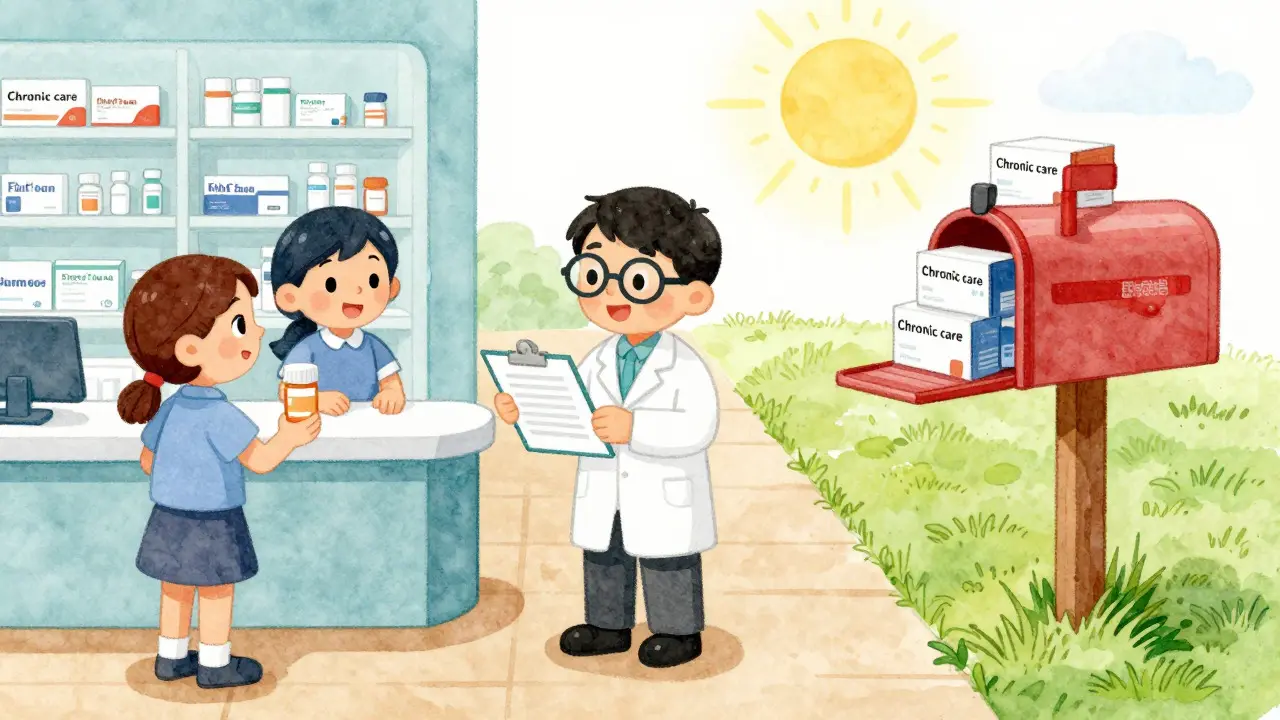
The biggest selling point of mail-order pharmacies is simple: they save time. For patients managing chronic conditions like hypertension, diabetes, or high cholesterol, picking up prescriptions every month can feel like a second job. Mail-order services typically ship 90-day supplies of maintenance medications directly to your home. This bulk delivery model does more than just clear your calendar; it actually helps you stay healthier.
Research published in the National Institutes of Health (PMC4278640) found that using mail-order pharmacies is associated with greater medication adherence. When you have three months’ worth of pills on hand, you’re less likely to miss doses due to forgetting to refill or running out while traveling. This consistency is crucial for controlling cardiovascular disease risk factors. In fact, studies show improved control of these risk factors among users who stick with the mail-order model. For busy professionals or elderly patients with mobility issues, this structural change in how healthcare is delivered can be a game-changer.
- Bulk Savings: Many insurance plans offer lower copays for 90-day supplies compared to 30-day retail refills.
- Automatic Refills: Services often remind you when it’s time to reorder, preventing dangerous gaps in treatment.
- Home Delivery: Eliminates the need for transportation to physical pharmacy locations.
The Hidden Cost Trap: Markups and Pricing Transparency
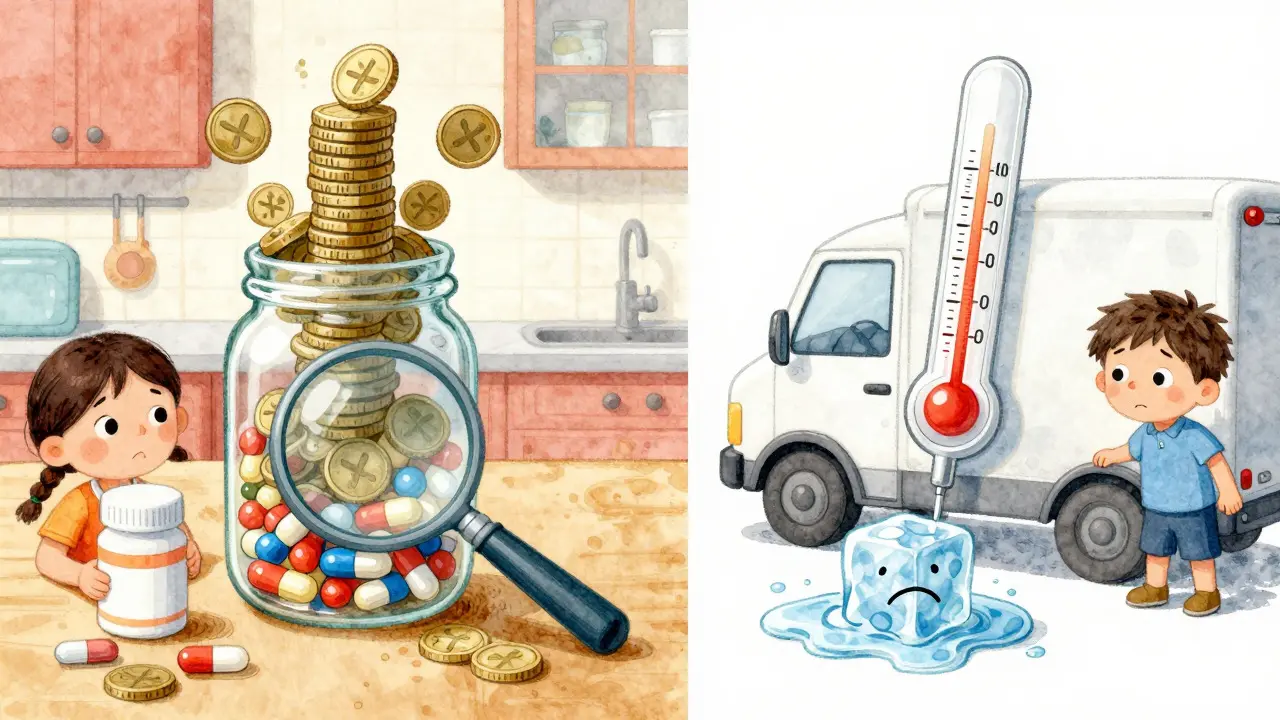
While the idea of saving money on generics sounds appealing, the reality of pricing in the mail-order sector can be murky. You might assume that because generics are cheaper than brand-name drugs, mail-order prices will always be low. However, data from industry analysts reveals a concerning trend. A generic antidepressant that costs around $12 at a local retail pharmacy could be billed at up to $100 through certain mail-order services-an 800% markup. Brand-name drugs have seen markups as high as 35 times the retail price.
Why does this happen? Much of it comes down to Pharmacy Benefit Managers (PBMs). Most mail-order pharmacies are connected directly to insurance companies’ PBMs. These middlemen negotiate rebates and fees behind closed doors. While insured patients might see a flat $10 copay for a 90-day supply, uninsured patients face a different reality. A study in JAMA Network Open highlighted that uninsured patients often find mail-order options significantly more expensive than retail alternatives. For example, injectable anti-obesity drugs like semaglutide can cost up to $500 per month through direct-to-consumer mail-order channels, a steep price tag for many households.
| Feature | Retail Pharmacy | Mail-Order Pharmacy |
|---|---|---|
| Best For | Acute needs (antibiotics, post-surgery) | Chronic conditions (blood pressure, diabetes) |
| Supply Duration | Typically 30 days | Typically 90 days |
| Pricing Transparency | High (visible shelf prices) | Low (hidden PBM markups) |
| Pharmacist Interaction | Face-to-face consultation available | Limited to phone/chat support |
| Delivery Time | Immediate pickup | Approximately one week |
Temperature Control and Shipping Risks
One of the most critical-and often overlooked-issues with mail-order generics is temperature stability. Medications are delicate chemical compounds. The FDA requires that most drugs be stored between 68 and 77 degrees Fahrenheit to maintain their efficacy. If a medication gets too hot or too cold during transit, it can degrade, becoming less effective or even harmful.
A study cited by The Happy PharmD in 2023 revealed a startling statistic: only one-third of the time are medications shipped by mail-order within safe temperature ranges. During summer months, this risk spikes. Reddit discussions on r/Pharmacy have documented cases where insulin shipments arrived melted after being exposed to extreme heat in delivery trucks. Insulin loses potency if exposed to temperatures above 86°F for more than 24 hours. Between 2020 and 2023, the FDA received 1,247 reports of temperature-related medication failures, though experts believe this number is underreported.
If you rely on temperature-sensitive medications like insulin, certain antibiotics, or biologic drugs, you need to take extra precautions. Always check if the mail-order provider uses validated cold-chain packaging with gel packs and temperature monitors. And never leave packages on your porch during a heatwave.
The Loss of Personal Care and Drug Interactions
When you walk into a local pharmacy, you usually talk to a pharmacist. They check your ID, ask about your symptoms, and ensure there are no interactions with other drugs you’re taking. Mail-order pharmacies remove this human element. A Consumer Reports study from March 2023 found that 68% of users were concerned about missing face-to-face consultations designed to prevent contraindicated medication use.
This lack of interaction becomes dangerous when patients split their prescriptions across multiple pharmacies. To get the best price, you might fill your blood pressure meds via mail-order but pick up your allergy medication at a local store. The problem? Neither pharmacist has a complete picture of your regimen. This fragmentation increases the risk of drug-drug interactions going unnoticed. According to JAMA Network Open, this complexity introduces potential safety issues that pharmacists cannot mitigate without full visibility into all prescribed treatments.
Generic Switching and Patient Anxiety
Generics are required by the FDA to have the same clinical risks and benefits as brand-name drugs. However, they can differ in non-active ingredients, leading to variations in size, shape, color, taste, and smell. While these differences seem minor, they can cause significant anxiety for some patients. Research from PMC5417581 warns that generic switching can interfere with a patient’s usual medication regimen. For sensitive populations, such as those with epilepsy or bipolar disorder, changing manufacturers can lead to confusion and reduced adherence. One study noted that switching topiramate to multiple generic products correlated with higher hospitalization rates and longer stays compared to staying on the brand name.
If you notice side effects returning after a switch to a new generic manufacturer, don’t ignore it. Contact your doctor immediately. It may not be the drug itself, but the specific formulation causing the issue.
Who Should Avoid Mail-Order Generics?
Not every medication is suitable for mail-order. Here is a quick checklist to help you decide:
- Acute Conditions: If you need antibiotics for an infection or painkillers after surgery, mail-order is too slow. Wait times of one week are unacceptable for immediate care.
- Complex Regimens: If you take more than five different medications, splitting them between mail-order and retail pharmacies increases interaction risks.
- Temperature-Sensitive Drugs: Unless you live in a climate-controlled environment and can monitor deliveries closely, avoid shipping biologics or insulins via standard mail.
- New Prescriptions: Start new medications at a retail pharmacy so you can speak with a pharmacist about dosing and side effects before committing to a 90-day supply.
Next Steps and Safety Tips
If you decide to use mail-order generics, follow these steps to protect your health:
- Plan Ahead: Set up orders at least two weeks before you run out of medication. This buffer prevents dangerous gaps if shipping delays occur.
- Check Your Insurance: Compare the out-of-pocket cost of a 90-day mail-order supply versus three 30-day retail refills. Sometimes, the retail option is cheaper for uninsured patients.
- Monitor Deliveries: Use tracking numbers to ensure packages aren’t sitting in hot cars or damp garages.
- Centralize When Possible: Try to keep all your prescriptions with one provider, whether retail or mail-order, to allow for comprehensive drug interaction checks.
- Report Issues: If a medication arrives damaged or seems ineffective, report it to the FDA and your provider. Your feedback helps improve system-wide safety.
Are mail-order generics as safe as brand-name drugs?
Yes, the FDA requires generic medications to have the same clinical risks and benefits as brand-name drugs. However, differences in inactive ingredients can affect how some individuals react, particularly with narrow-therapeutic-index drugs like thyroid medication or anti-seizure drugs.
How long does it take for mail-order prescriptions to arrive?
Most mail-order pharmacies estimate a delivery time of about one week. However, this can vary based on location and carrier delays. It is recommended to order at least two weeks before you run out to account for potential shipping issues.
Is mail-order pharmacy cheaper than retail?
For insured patients, mail-order often offers lower copays for 90-day supplies. However, for uninsured patients, mail-order can be significantly more expensive due to hidden markups and lack of transparent pricing.
What happens if my medication expires or degrades during shipping?
If you suspect your medication was exposed to extreme temperatures, do not take it. Contact the mail-order pharmacy immediately for a replacement. Keep the packaging intact as proof of condition upon arrival.
Can I use mail-order for acute medications like antibiotics?
Generally, no. Mail-order is designed for chronic, maintenance medications. Acute medications needed for immediate treatment should be filled at a local retail pharmacy to ensure timely access.