


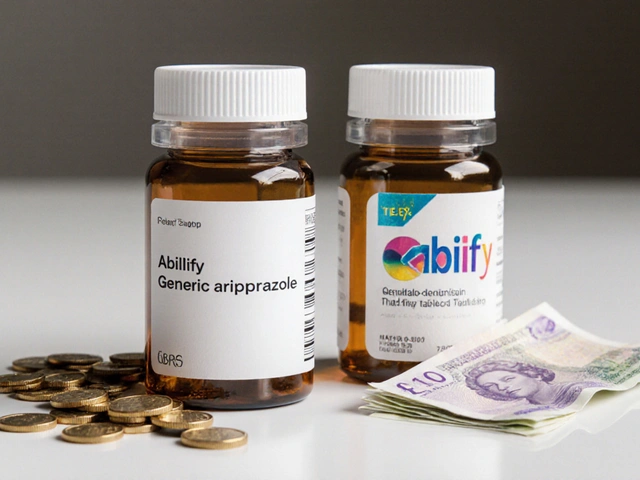

You’ve picked your ACA plan, you know your deductible, and you’re ready to go. Then you get a prescription. The doctor writes for Brand X, but the pharmacy tells you it costs $200 out of pocket. You ask about the generic version, and suddenly it’s $15. That gap isn’t just luck; it’s how insurance formularies work under the Affordable Care Act.
If you rely on Marketplace coverage, understanding generic drug coverage is the single most effective way to control your healthcare spending. Most people assume their plan covers "prescriptions," but the reality is far more granular. Every ACA-compliant plan uses a tiered system that rewards you for choosing lower-cost alternatives. Ignoring this structure can cost you thousands annually, while leveraging it keeps your monthly bills predictable.
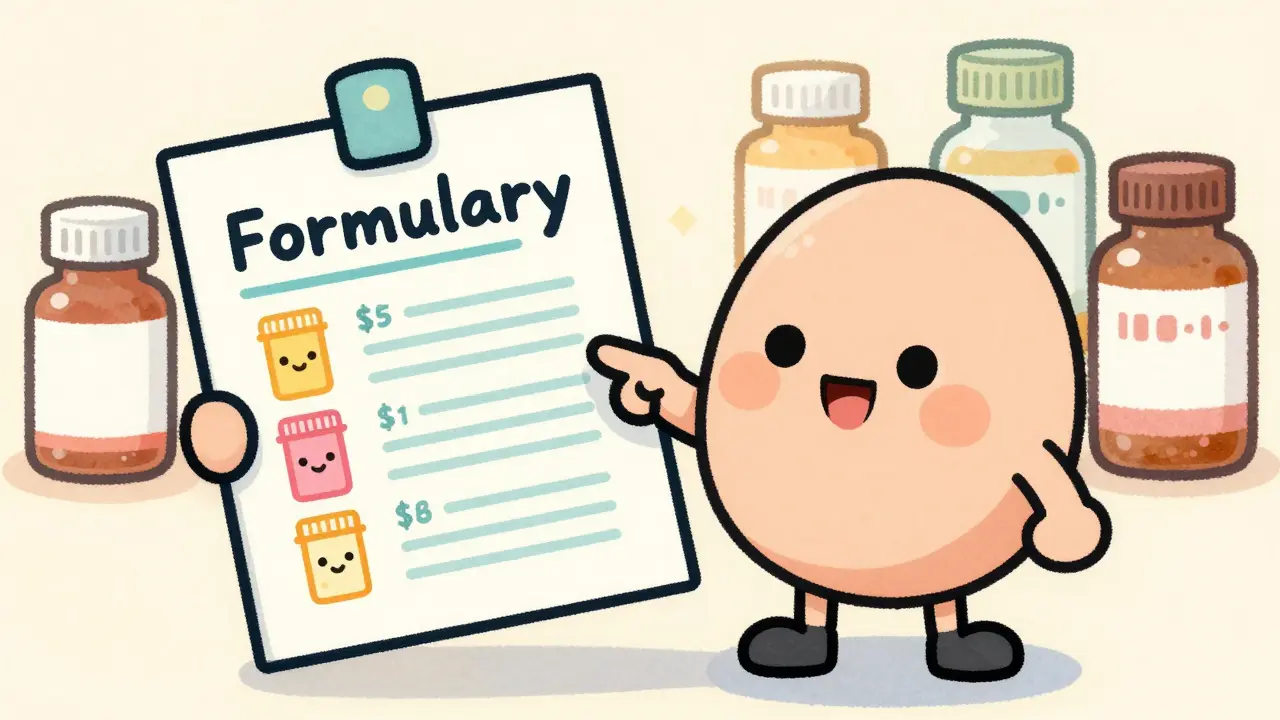
What Is an Insurance Formulary?
An insurance formulary is a curated list of medications covered by a specific health insurance plan. Think of it as a menu. Just because a restaurant serves steak doesn’t mean every cut is available or priced the same. Similarly, just because your ACA plan covers drugs doesn’t mean it pays the same amount for all of them.
The Centers for Medicare & Medicaid Services (CMS) requires all Marketplace plans to cover at least two generic drugs in each therapeutic category. This means if you need medication for high blood pressure, diabetes, or depression, there will always be affordable options listed. However, the specific brands and generics included vary wildly between insurers like UnitedHealthcare, Elevance Health, and Molina Healthcare.
Why does this matter? Because if your preferred brand-name drug isn’t on the formulary, or sits in a higher tier, you pay significantly more. The formulary dictates your copay. It is the rulebook for what you owe at the pharmacy counter. Before enrolling in any plan for 2026, you must check this list. A plan with a low monthly premium might have a formulary that excludes your essential medication entirely, forcing you into expensive appeals or switching doctors.
How Drug Tiers Determine Your Cost
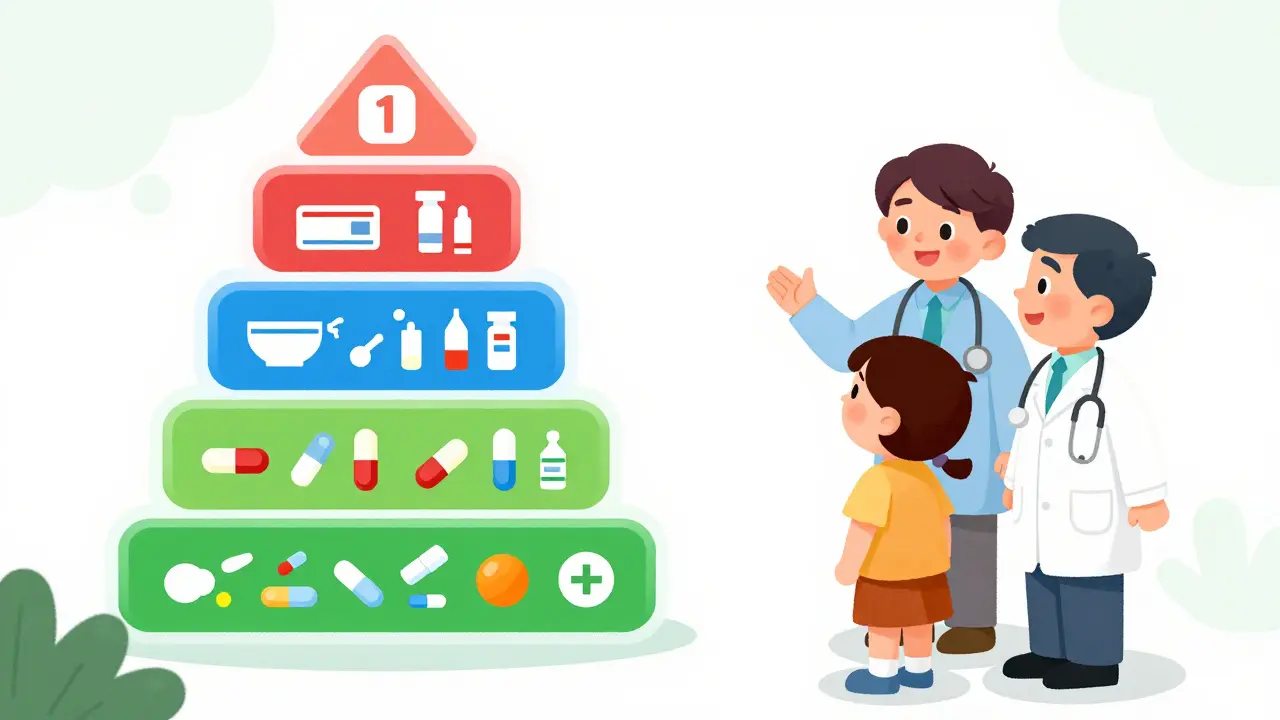
Formularies are organized into tiers, usually numbered one through four or five. These tiers represent the level of cost-sharing between you and the insurer. The lower the tier, the less you pay.
- Tier 1: Preferred Generics. These are the lowest-cost drugs. They have been off-patent for years, and multiple manufacturers produce them. Copays here are often flat rates, such as $5 to $15 per prescription. This is where generic coverage shines.
- Tier 2: Non-Preferred Generics and Preferred Brands. Some generics may cost slightly more due to shipping or manufacturer agreements. Preferred brand names-those the insurer has negotiated good deals with-also sit here. Copays might range from $20 to $40.
- Tier 3: Standard Brand Names. These are popular brand-name drugs without special discounts. You typically pay a percentage of the cost, known as coinsurance, which could be 20% to 40% of the drug’s price.
- Tier 4: Specialty Drugs. These are high-cost medications used for complex conditions like cancer, rheumatoid arthritis, or multiple sclerosis. Costs here can run into hundreds or thousands of dollars per month, even with insurance.
The magic happens when you switch from Tier 3 or 4 to Tier 1. If your doctor prescribes a brand-name statin in Tier 3, you might pay $80. If they switch you to the generic equivalent in Tier 1, you pay $10. The medical effect is identical, but the financial impact is drastic. Always ask your provider: "Is there a generic alternative on my plan’s formulary?"
| Drug Tier | Typical Examples | Copay/Cost Share | Prior Authorization Required? |
|---|---|---|---|
| Tier 1 (Preferred Generic) | Lisinopril, Metformin, Atorvastatin | $5 - $15 flat fee | No |
| Tier 2 (Non-Preferred Generic/Preferred Brand) | Certain biosimilars, Preferred Brand Antidepressants | $20 - $40 flat fee | Sometimes |
| Tier 3 (Standard Brand) | Brand-name Pain Relievers, Specialty Inhalers | 20% - 40% Coinsurance | Often |
| Tier 4 (Specialty) | Injectables for Autoimmune Diseases, Cancer Therapies | High Coinsurance + Deductible | Yes, Strictly |
The Role of Prior Authorization and Step Therapy
Even if a drug is on the formulary, you might not get it immediately. Insurers use tools called Prior Authorization (PA) and Step Therapy to manage costs. These processes can feel bureaucratic, but they are standard parts of ACA plan benefits.
Prior Authorization means your doctor must prove to the insurer that you need this specific drug before they will pay for it. They submit clinical notes showing why cheaper alternatives failed or are unsafe for you. This process can take days or weeks. If you don’t complete it, the pharmacy won’t accept the insurance card, and you’ll face the full retail price.
Step Therapy, also known as "fail first," requires you to try and fail on a cheaper generic drug before the insurer covers the brand-name version. For example, if you need a biologic for psoriasis, the plan might require you to try three different generic topical treatments first. Only after documenting that those didn’t work will they approve the expensive injection. While frustrating, this ensures that generic coverage is utilized whenever medically appropriate.
To avoid delays, talk to your doctor during enrollment season. Ask them to pre-authorize any chronic medications now, rather than waiting until you stand in line at the pharmacy in January. Many providers offer patient portals where you can upload forms quickly.
Generic Savings vs. Premium Tax Credits
Your choice of metal tier (Bronze, Silver, Gold, Platinum) interacts directly with your drug costs. Here is where many people make mistakes. They pick a Bronze plan because the monthly premium is cheap, only to realize their drug copays are massive.
For 2026, the landscape shifts as enhanced premium tax credits face expiration risks. If you earn between 100% and 400% of the Federal Poverty Level, you likely qualify for subsidies that lower your monthly premium. However, these credits do not directly lower your pharmacy copays unless you choose a Silver plan and qualify for Cost-Sharing Reductions (CSR).
Cost-Sharing Reductions (CSRs) are extra discounts applied to your deductibles, copays, and out-of-pocket maximums. They are only available with Silver plans. If you take regular medications, a Silver plan with CSR might actually be cheaper overall than a Bronze plan, even if the monthly premium is higher. Why? Because the CSR lowers your Tier 1 generic copay from $15 to $5, and reduces your deductible significantly. If you fill prescriptions monthly, the math favors the Silver plan.
Calculate your total annual cost: (Monthly Premium x 12) + Estimated Drug Copays + Deductible. Do this for both Bronze and Silver options. Often, the savings on generic coverage offset the higher premium.

Navigating the 2026 Marketplace Changes
The CMS 2025 Final Rule introduces changes that affect how you verify eligibility and calculate subsidies for 2026. One key update involves income verification. Issuers must adopt net percentage-based thresholds for payment verification. This means the system will be stricter about matching your reported income to IRS data.
For enrollees, this implies you must be precise when estimating your income during Open Enrollment. Overestimating leads to surprise tax bills when you reconcile your Advanced Premium Tax Credit (APTC). Underestimating might lead to coverage gaps if the system flags discrepancies. With self-employed individuals facing a 32% error rate in initial subsidy estimates in 2025, accuracy is critical.
Additionally, look for plans with robust digital tools. CMS data shows that 65% of users rated plan comparison tools highly, but understanding cost-sharing remains difficult. Use the new 2026 plan comparison tools launching on HealthCare.gov in October 2025. Filter specifically by your medications. Enter the exact NDC (National Drug Code) numbers if possible to see the real-time tier placement.
Practical Steps to Maximize Your Benefits
Don’t wait until you are sick to understand your formulary. Take these steps now:
- List Your Medications. Write down every drug you take, including dosages and frequencies. Include over-the-counter items you buy regularly, as some plans cover them via flexible spending accounts.
- Check the Formulary PDF. Download the drug list for each plan you are considering. Search for your medications. Note the tier number.
- Contact Your Doctor. Show them the formulary. Ask, "Can we start with the Tier 1 generic?" Most physicians are happy to switch to generics if efficacy is equal.
- Verify Network Pharmacy. Ensure your preferred local pharmacy is in-network. Out-of-network pharmacies may not honor the formulary tiers, charging you full price.
- Monitor Income Changes. If your income fluctuates, update your Marketplace application quarterly starting in 2026. This prevents reconciliation shocks and keeps your subsidies accurate.
Understanding ACA plans and generic coverage transforms your insurance from a bill-paying chore into a strategic financial tool. By aligning your medication choices with your plan’s formulary tiers, you retain more cash for other priorities. The system is designed to reward informed consumers who utilize generics and navigate the rules effectively.
Does ACA insurance cover generic drugs?
Yes, all ACA Marketplace plans must cover at least two generic drugs in each therapeutic category. These are typically placed in Tier 1 of the formulary, offering the lowest copays, often between $5 and $15 per prescription.
What is the difference between a formulary and a network?
A network refers to the hospitals, doctors, and clinics that accept your insurance. A formulary refers to the list of medications your insurance will cover. Both are crucial: seeing an out-of-network doctor or buying an out-of-formulary drug results in significantly higher costs or no coverage at all.
How do I find my plan's formulary?
You can find the formulary on the insurer's website or within the plan details on HealthCare.gov. Look for links labeled "Drug List," "Formulary," or "Prescription Drug Coverage." It is usually available as a downloadable PDF searchable by drug name.
Why is my brand-name drug so expensive compared to the generic?
Brand-name drugs are often in higher tiers (Tier 3 or 4) because the manufacturer holds a patent and charges a higher wholesale price. Insurers negotiate better rates for generics, passing those savings to you via lower copays. The active ingredient is the same, but the branding and marketing costs drive up the brand price.
Can I appeal if my drug is not on the formulary?
Yes. You and your doctor can file an exception request. If you can prove that the formulary alternatives caused adverse reactions or were ineffective, the insurer may agree to cover the non-formulary drug. This process requires clinical documentation from your provider.