
Tyramine Food Safety Checker
No matching foods found. Try a different keyword.
Imagine eating a piece of aged cheddar cheese and suddenly your blood pressure spikes dangerously high. That isn't just indigestion-it could be a life-threatening reaction called a hypertensive crisis. If you take certain antidepressants known as MAOIs, monoamine oxidase inhibitors used to treat depression by blocking enzyme activity, this scenario is real. These medications work wonders for treatment-resistant depression, but they come with strict rules about what you put on your plate. Understanding the relationship between your diet and your medicine is not optional; it is essential for your safety.
Understanding the Danger: Why Tyramine Matters
Your body produces natural chemicals called neurotransmitters, like serotonin and norepinephrine, which help regulate mood. Standard antidepressants work by keeping these chemicals active longer. MAOIs take a different approach. They stop an enzyme called monoamine oxidase A (MAO-A) from breaking down these chemicals. While this sounds great for lifting mood, there is a catch. This same enzyme is responsible for breaking down tyramine, an amino acid found in many foods.
When you eat foods rich in tyramine while taking irreversible MAOIs, your body cannot metabolize the tyramine properly. Instead, it rushes into your bloodstream and displaces norepinephrine from its storage sites. This triggers the sympathetic nervous system, causing your heart rate to race and blood vessels to constrict. In severe cases, systolic blood pressure can jump over 180 mmHg. This is often described as a "tyramine pressor response." You might feel a pounding headache, sweating, or nausea, but sometimes the danger happens silently until it is too late.
The High-Risk Food List
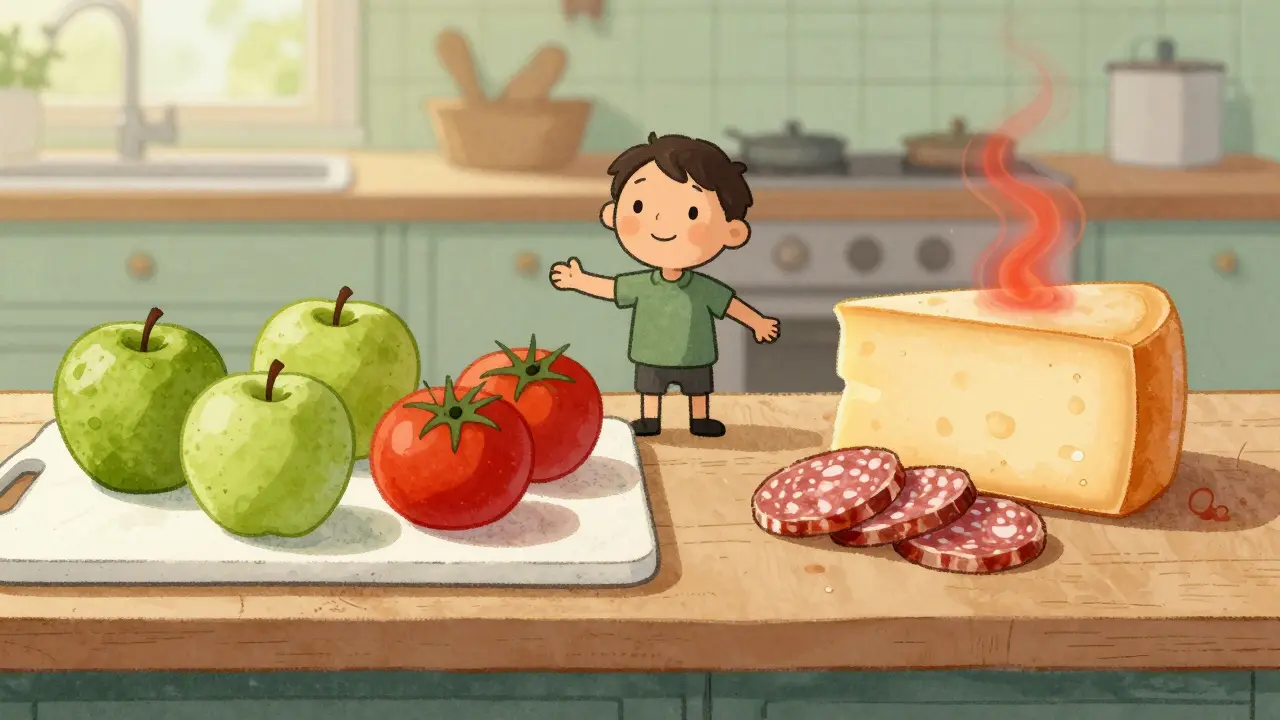
Avoiding tyramine doesn't mean giving up all flavor. It means being specific about age and processing. Freshly prepared foods generally contain low levels of tyramine, but as foods age, ferment, or spoil, bacteria convert tyrosine into tyramine. Here is what you need to watch out for when shopping or dining out.
| Food Category | Specific Examples | Reason |
|---|---|---|
| Aged Cheeses | Cheddar, Swiss, Blue Cheese, Parmesan | Tyramine builds up during aging (50-400 mg per serving) |
| Cured Meats | Salami, Pepperoni, Genoa Salami, Prosciutto | Fermentation increases tyramine levels significantly |
| Fermented Soy | Soy Sauce, Miso, Tempeh, Natto | Traditional fermentation creates high concentrations |
| Tap Beer & Wine | Unpasteurized beer, Chianti, Red Wine | Live yeast and aging contribute to tyramine content |
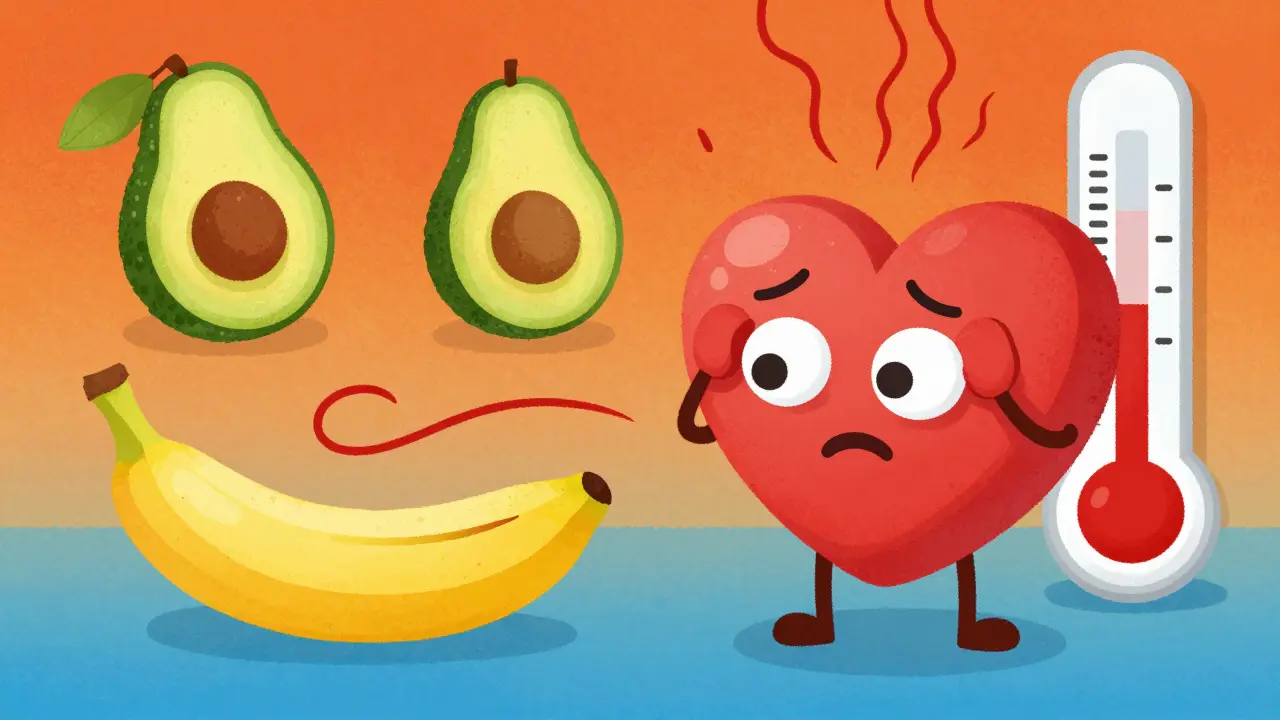
| Overripe Fruits | Avocados, Bananas, Overripe Tomatoes | Ripening processes increase amino acid breakdown |
It is important to note that commercial versions of some products have lower tyramine than traditional homemade ones. For instance, commercially processed soy sauce might contain around 30 mg per 100ml, whereas traditional fermented versions can hit 500 mg. Always read labels carefully. If you see ingredients like "yeast extract," proceed with caution. Even seemingly harmless things like sauerkraut or pickles can pose a risk due to the fermentation process involved in their preservation.
Safe Alternatives You Can Enjoy
Living with dietary restrictions feels restrictive, but you still have plenty of options. The goal is freshness. Foods that are cooked fresh or stored frozen tend to be safe. Fresh yogurt is generally okay because it lacks the long aging process of hard cheeses. Cottage cheese and cream cheese fall into the low-risk category as well. When it comes to meat, fresh chicken, turkey, beef, or fish that hasn't been cured is typically safe to eat. Just avoid leftovers older than a few days, as bacterial growth starts to produce tyramine even in non-fermented proteins.
Alcohol can be tricky. Distilled spirits like vodka or gin are usually permitted in moderation because the distillation process removes the impurities that carry tyramine. Beers and wines vary widely. Canned beer is safer than tap beer, and younger wines are safer than older vintages. Most doctors recommend avoiding alcohol entirely while on treatment, not just to prevent tyramine reactions but to avoid compounding sedative effects.
Not All MAOIs Are Created Equal
If you were prescribed these drugs decades ago, you likely heard about the impossible diet. Modern medicine has made distinctions. Traditional oral MAOIs like Phenelzine, Nardil, an irreversible inhibitor requiring strict dietary control and Tranylcypromine (Parnate) require the full strict diet. However, transdermal patches offer a breakthrough.
The selegiline patch, often sold under the brand name Emsam, delivers medication through the skin rather than the gut. At lower doses (up to 6 mg per 24 hours), it bypasses the digestive enzymes where tyramine would normally interact. This reduces the need for dietary restrictions significantly. Some studies show that patients using the patch at low doses may not need the strict "low-tyramine" diet at all. However, once the dose exceeds 6 mg, the systemic exposure becomes high enough to warrant returning to the food restrictions. Always consult your psychiatrist before assuming you are exempt from dietary changes.
Recognizing Hypertensive Symptoms
You might accidentally consume something risky, perhaps from a restaurant dish with hidden sauce. Knowing the warning signs is vital. Early symptoms of a tyramine reaction can look like a bad migraine or intense anxiety. Watch for a throbbing headache that starts in the back of the neck. Palpitations-where you can feel your heart hammering against your ribs-are another red flag. Stiffness in the neck, nausea, sweating, and chest pain can indicate that blood pressure is rising dangerously fast.
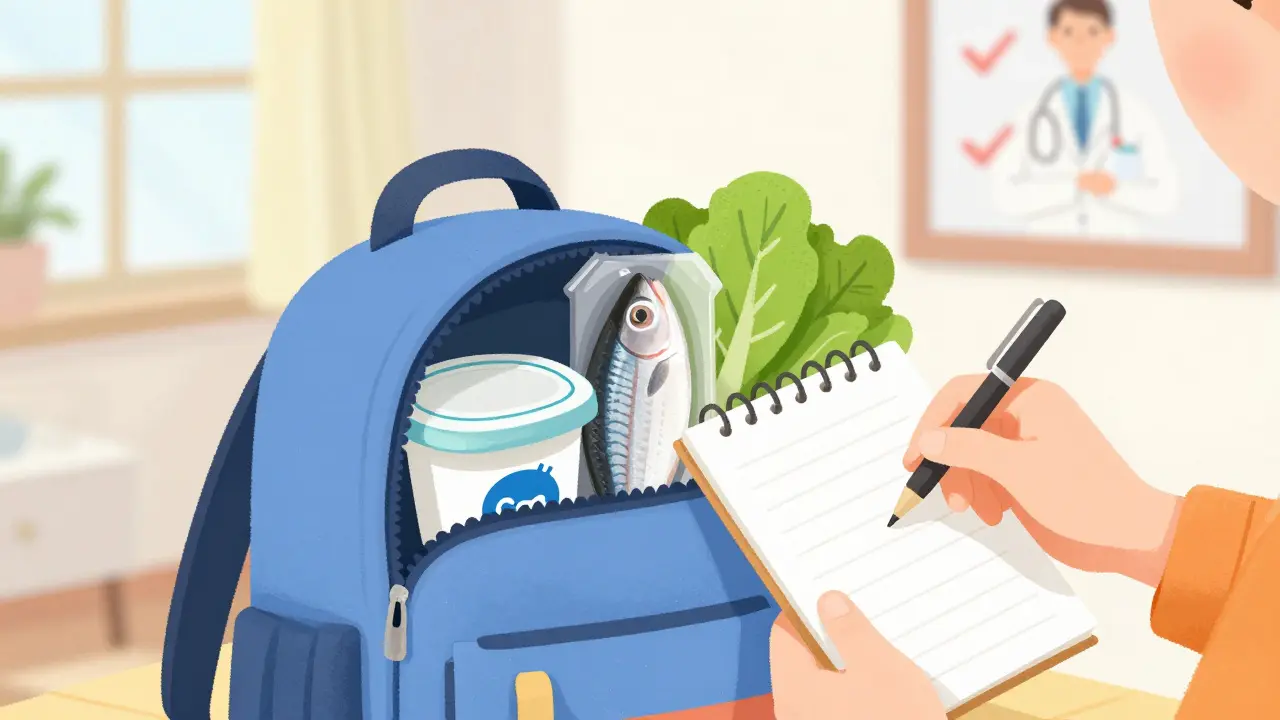
If you experience these symptoms after eating, do not wait. Seek emergency care immediately. Medical professionals can administer blood pressure-lowering medication quickly to reverse the crisis. Time is critical because uncontrolled hypertension can lead to stroke or intracranial hemorrhage. Keeping a record of what you ate and when symptoms started helps doctors diagnose the issue faster.
The Washout Period Rule
Sticking to the diet isn't just about taking the pills now. If you decide to switch medications later, you cannot jump straight into SSRIs or other antidepressants. Because MAOIs bind permanently to the enzyme, the enzyme needs time to regenerate. This washout period is strictly 14 days for irreversible MAOIs. If you switch sooner, you risk serotonin syndrome, a potentially fatal condition caused by too much serotonin building up.
Conversely, if you move from an SSRI to an MAOI, the wait is even longer, often up to five weeks depending on the previous drug. Reversible inhibitors like Moclobemide have a shorter half-life, meaning you only need a 24-hour washout. This distinction highlights why having a knowledgeable provider who understands these pharmacokinetics is essential. Never adjust your regimen without professional oversight.
Practical Tips for Daily Management
Living with these rules takes planning. Keep an "alert card" in your wallet stating you are on MAOIs and listing the foods to avoid. Inform anyone cooking for you, including family members. When traveling, pack your own snacks to avoid accidental exposure at gas stations. Carry a list of safe foods. Finally, remember that hygiene plays a role. Keep perishable foods refrigerated. Spoilage increases tyramine, so a warm, forgotten sandwich can be more dangerous than an aged cheese if the bacteria has grown unchecked.
Can I eat fresh fruit?
Yes, most fresh fruits are safe. Avoid bananas only when they are extremely overripe with dark spots. Apples, berries, oranges, and melons are generally free of significant tyramine.
Is caffeine allowed with MAOIs?
Caffeine is usually permitted in moderation. However, it can raise blood pressure independently. Combine it with high tyramine foods and the effects can compound, leading to jitters or higher BP readings.
Do I need the diet forever?
You must maintain the diet while taking irreversible MAOIs and for at least two weeks after stopping them. This allows your enzyme systems to fully recover before resuming a normal diet.
Are energy drinks safe?
No. Many energy drinks contain supplements and stimulants that interact with MAOIs. They can trigger a hypertensive crisis similar to tyramine ingestion.
What about herbal remedies?
Many herbs like St. John's Wort interact dangerously with MAOIs. Always ask your doctor before taking any supplement, ginseng, or herbal tea concentrate.