




Tinnitus Risk Checker
Are you experiencing ringing in your ears? Use this tool to evaluate if your current medications might be a contributing factor. This is not a medical diagnosis.
Risk Assessment
Recommended Next Steps:
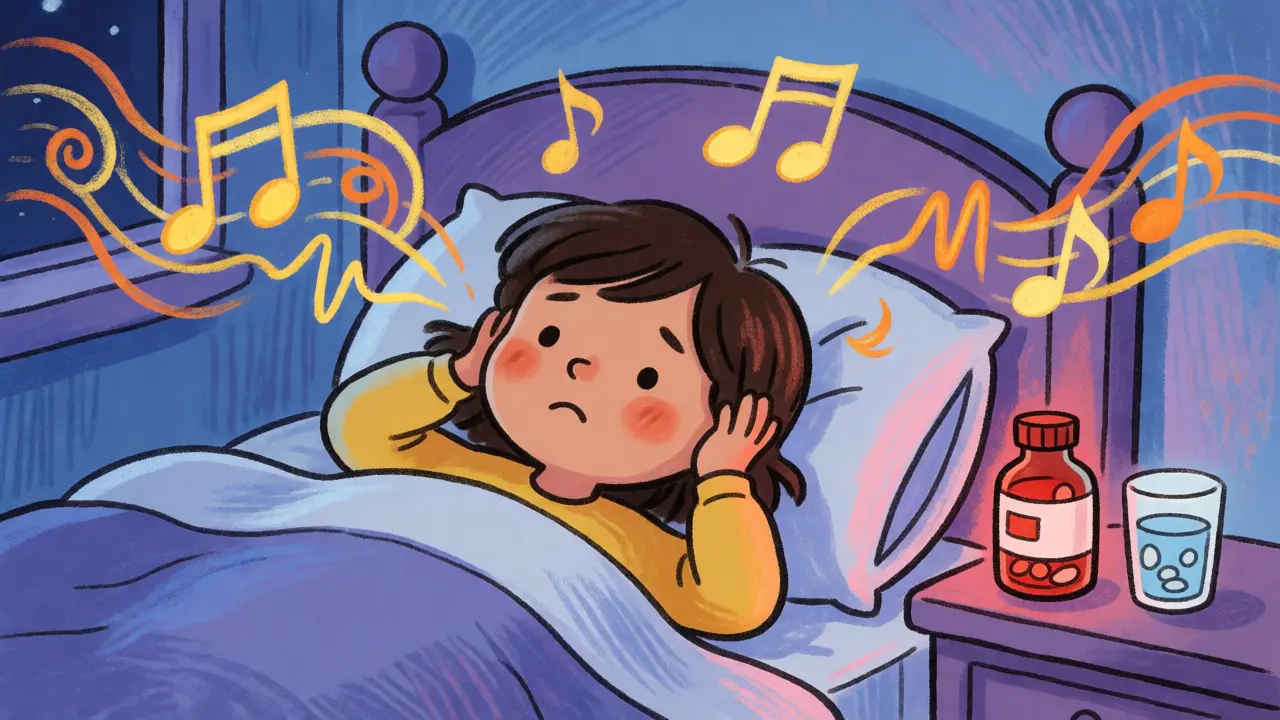
You’re lying in bed, trying to sleep, but there’s a high-pitched whine that won’t quit. It’s not the fridge humming or the traffic outside-it’s inside your head. If this sounds familiar, you might be experiencing tinnitus, which is the perception of sound such as ringing, buzzing, or hissing in the absence of an external source. While many assume it’s just stress or aging, a surprising culprit could be sitting on your medicine cabinet shelf.
Over 600 prescription and over-the-counter drugs can trigger this annoying symptom. This phenomenon is called ototoxicity, defined by the Cleveland Clinic as a medication side effect involving damage to your inner ear. The good news? For most people, stopping the offending drug stops the noise. But for some, the damage sticks around. Here’s what you actually need to know about which meds are risky, why they cause trouble, and how to protect your ears without ditching necessary treatments.
Which Common Drugs Are Known Ototoxins?
It’s not just exotic hospital drugs causing issues. Some everyday medications carry risks, though often only at specific doses or durations. Let’s break down the main suspects.
Nonsteroidal anti-inflammatory drugs (NSAIDs) like ibuprofen and naproxen are common painkillers. At standard headache doses (like 325-650 mg), they rarely cause tinnitus. However, taking high doses-typically above 4,000 mg of aspirin daily-can lead to ringing. A Reddit user recently reported onset within 48 hours of starting high-dose ibuprofen for dental pain, with symptoms vanishing a week after quitting. So, if you’re popping handfuls of pills for chronic pain, watch your ears.
Antibiotics are another big category. Specifically, aminoglycosides like gentamicin and tobramycin are notorious. These are usually given via IV for serious infections, so you’re likely in a hospital when exposed. They carry a significant risk of permanent hearing damage. Interestingly, topical forms like eye drops don’t pose the same threat because they don’t reach the inner ear in high concentrations.
Then there’s chemotherapy. Drugs like cisplatin have a documented 30-70% incidence of ototoxicity. This hearing loss often starts at high frequencies (above 8,000 Hz) before affecting speech. If you’re undergoing cancer treatment, your oncology team should be monitoring your hearing closely.
What about antidepressants? You might hear horror stories, but the data says otherwise. According to GoodRx, tinnitus is a rare side effect of SSRIs like sertraline (Zoloft), affecting less than 1% of users. However, withdrawal symptoms upon stopping these meds can sometimes include temporary auditory disturbances.
Why Do Medications Cause Ringing?
So, how does a pill in your stomach end up making noise in your ear? The exact mechanism isn’t fully understood, but researchers believe it involves biochemical changes in the inner ear and the eighth cranial nerve. Essentially, ototoxic drugs interfere with the delicate hair cells in your cochlea that convert sound waves into electrical signals. When these cells get damaged or irritated, they send erratic signals to your brain, which interprets them as ringing or buzzing.
The severity depends on the drug class. Aminoglycosides and platinum-based chemo agents are high-risk because they can kill hair cells permanently. Once those cells die, they don’t grow back in humans. On the other hand, NSAID-induced tinnitus is usually reversible because it affects cell function rather than causing structural death. Stopping the drug allows the cells to recover.
How to Tell if Your Meds Are the Culprit
Tinnitus has many causes, from loud concerts to TMJ issues. How do you know if it’s your medication? Look for timing. Sound Relief’s 2025 clinical data indicates that about 70% of patients notice symptoms within the first two weeks of starting a new drug. Delayed reactions can happen, especially with antibiotics or chemo, sometimes appearing up to 90 days later.
Consider these red flags:
- New Symptom: Did the ringing start shortly after beginning a new prescription or increasing a dose?
- Bilateral Noise: Drug-induced tinnitus often affects both ears, unlike noise-induced damage which might be uneven.
- Dose Dependency: Does the noise get louder when you take more of the drug?
- Other Side Effects: Are you also experiencing dizziness or balance issues? These often accompany ototoxicity.
If you suspect your meds, keep a log. Note when you took the pill and when the noise started or worsened. This info is gold for your doctor.

Managing and Preventing Drug-Induced Tinnitus
First rule: Never stop a prescribed medication cold turkey without talking to your doctor. Abruptly stopping certain drugs, like benzodiazepines or antidepressants, can cause withdrawal effects that might make tinnitus worse temporarily.
Your doctor has options. They might lower your dose, switch you to a non-ototoxic alternative, or add a protective agent. For high-risk cases, like long-term antibiotic therapy, monitoring protocols are essential. The Cleveland Clinic recommends baseline audiometric testing before starting therapy, followed by regular checks during treatment. This helps catch damage early, before it becomes permanent.
If you must stay on the med, management strategies can help. Sound therapy and cognitive behavioral therapy (CBT) have shown 60-70% effectiveness in reducing the distress caused by tinnitus, even if the noise persists. White noise machines, fans, or background music can mask the ringing, helping you sleep and focus.
Risk Comparison: Which Drugs Are Worst?
Not all ototoxic drugs are created equal. Here’s a quick look at relative risks based on current medical literature.
| Medication Class | Risk Level | Reversibility | Notes |
|---|---|---|---|
| Aminoglycoside Antibiotics | High | Often Permanent | Cumulative dose matters; monitor blood levels. |
| Platinum Chemotherapy (Cisplatin) | High | Permanent | Hearing loss starts at high frequencies. |
| Loop Diuretics (Furosemide) | Moderate-High | Usually Reversible | Risk increases with rapid IV administration. |
| NSAIDs (Aspirin/Ibuprofen) | Low-Moderate | Reversible | Only at very high doses (>4g/day). |
| Antidepressants (SSRIs) | Low | Reversible | Rare side effect; may occur during withdrawal. |

Frequently Asked Questions
Can aspirin really cause tinnitus?
Yes, but context matters. High doses of aspirin (over 4,000 mg per day) can cause tinnitus in about 15% of users. However, standard low-dose aspirin (81 mg) or typical headache doses (325-650 mg) are very unlikely to cause ringing. Most modern prescriptions don’t use the massive doses seen in older studies.
Will my tinnitus go away if I stop the medication?
In about 60% of cases, yes. Symptoms from NSAIDs, diuretics, and some antibiotics often resolve within days to weeks after stopping the drug. However, damage from aminoglycosides or chemotherapy can be permanent because those drugs destroy sensory hair cells in the inner ear, which do not regenerate.
Are over-the-counter supplements safe?
Not always. Some herbal supplements and high doses of vitamins (like Vitamin B6 or zinc) have been linked to tinnitus in sensitive individuals. Always check labels and discuss supplements with your pharmacist, as they can interact with prescription meds or contain hidden ototoxic ingredients.
How quickly does drug-induced tinnitus appear?
Typically within the first two weeks of starting a new medication. About 70% of cases manifest in this window. However, cumulative toxicity from drugs like gentamicin or cisplatin can build up over months, leading to delayed onset symptoms.
Should I see an audiologist?
If you are starting a high-risk medication like chemotherapy or long-term IV antibiotics, yes. Baseline hearing tests help doctors track any changes. For general tinnitus, an audiologist can assess the type and pitch of the noise and recommend masking therapies or counseling.
Next Steps for Patients
If you’re worried about your meds, don’t panic. Start by reviewing your current prescriptions. Make a list of everything you take, including OTC painkillers and supplements. Bring this list to your next appointment and ask specifically about ototoxicity risks.
For those already experiencing ringing, try masking techniques immediately. Use a fan, white noise app, or soft music to reduce the contrast between silence and the tinnitus tone. This doesn’t fix the root cause but makes life more bearable while you investigate further.
Remember, knowledge is power. With over 50 million Americans dealing with tinnitus, understanding the role of medication puts you in control. Early detection through simple conversations with your healthcare provider can prevent permanent hearing loss. Keep your ears open-and your questions ready.
11 Comments
my uncle took gentamicin for a bad infection and never heard high frequencies again. sad but true.
This is absolutely critical information!! We need to spread this awareness everywhere!!! So many people are suffering in silence because they don't know their meds are the culprit!!!!
The lack of regulatory oversight regarding ototoxicity warnings on OTC labels is a systemic failure that disproportionately affects the elderly demographic who self-medicate with NSAIDs without understanding the cumulative pharmacokinetic burden on the cochlear hair cells.
Oh please, if you're popping handfuls of pills like candy then yeah your ears are gonna ring. It's not mysterious, it's called consequences. Stop ignoring dosage limits and blaming the pill bottle.
I think it is really wonderful that we have so much information available now because before I didn't even know that things like aspirin could cause ringing in my ears which was super scary when it happened to me after taking too much for a headache but then I stopped taking them and it went away after a few days so I feel very hopeful that most people can recover from this annoying condition if they just pay attention to what their bodies are telling them and talk to their doctors about it instead of just suffering through it alone because knowledge is definitely power when it comes to health issues like tinnitus.
Lol. 🙄 Basic info. Everyone knows chemo kills hearing. Next article? 😒
Respectfully disagree with the harsh tone above. For those dealing with chronic pain, stopping NSAIDs isn't always an option. Balance is key.
Actually, recent studies suggest that zinc supplementation might exacerbate symptoms in some patients, contrary to popular belief. You should check the specific formulation before assuming supplements are safe.
The auditory cortex interprets silence as noise. The drug merely disrupts the homeostasis. Existential dread follows the ringing.
That's such a great point about checking with your pharmacist! I never thought about asking specifically about ototoxicity risks, but I'm going to do that next time I pick up a prescription. It feels empowering to take charge of our own health journey like this, doesn't it?? We all deserve clear answers and support!! 💪🌟
It is truly tragic how often medical professionals overlook these side effects. One must advocate fiercely for oneself. The system fails us, yet we must remain dignified in our pursuit of healing. I hope everyone reading this finds peace amidst the noise.