

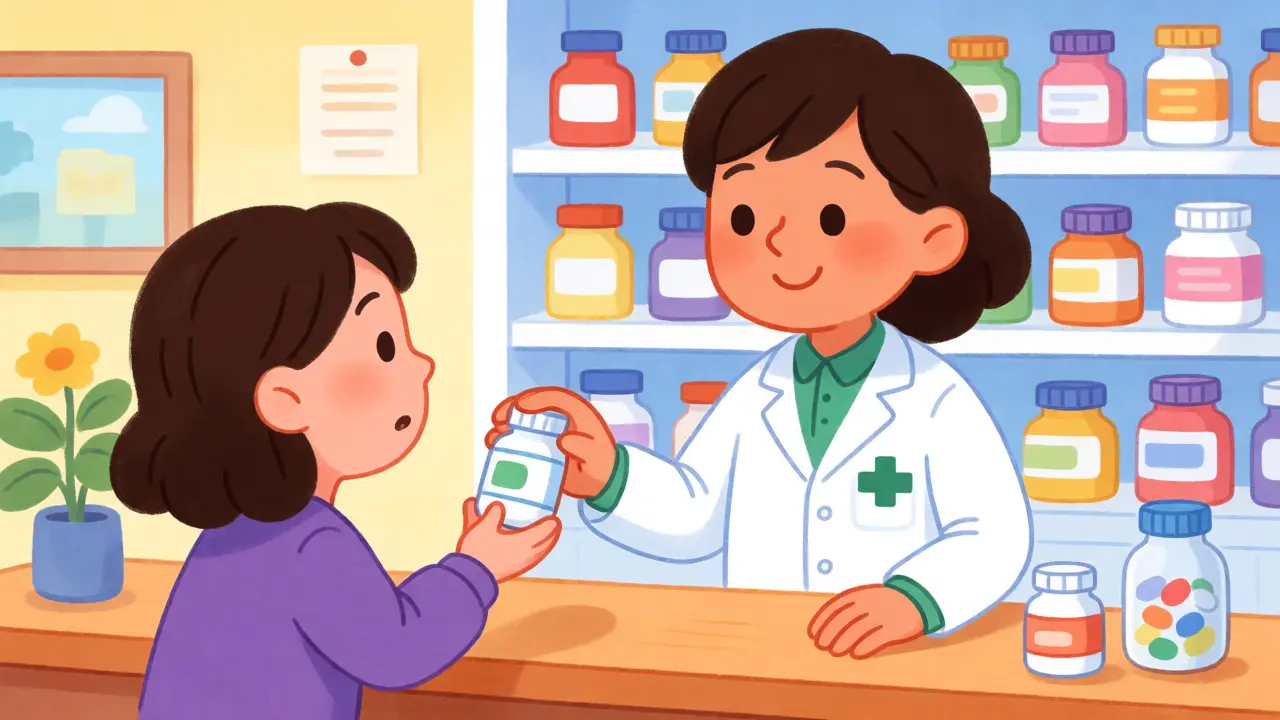
You hand your prescription to the pharmacist, pay your co-pay, and walk out with a bottle of pills. You might assume you agreed to every detail of that transaction, but did you? In 43 states and Washington, D.C., the answer is no. Under presumed consent laws, pharmacists are legally allowed to swap your brand-name medication for a generic equivalent without asking for your explicit permission first. They just have to tell you afterward. This isn't a loophole; it's a deliberate regulatory framework designed to keep healthcare costs down. But knowing when this happens-and when it doesn't-can save you from confusion, unexpected side effects, or billing surprises.
Quick Summary / Key Takeaways
- The Default Rule: In most U.S. states (43 + DC), pharmacists can substitute generics automatically. You don't need to sign a waiver upfront.
- The Exception: Seven states (including Alaska and Maryland) require explicit patient consent before any substitution occurs.
- Biosimilars Are Different: Substituting complex biologic drugs is much harder. Only six states allow automatic substitution of interchangeable biosimilars; others require stricter protocols.
- Narrow Therapeutic Index Drugs: Even in presumed consent states, special rules often apply to sensitive medications like blood thinners or anti-seizure meds.
- Your Right to Object: Presumed consent does not mean forced consumption. You can always ask for the brand name, though it may cost more.
Why Your Pharmacist Might Not Ask Before Swapping Pills
The logic behind presumed consent is rooted in economics and efficiency. Since the Hatch-Waxman Act of 1984 established the modern pathway for generic drug approval, the goal has been to flood the market with cheaper alternatives. The Congressional Budget Office estimates that generic substitution saves the U.S. healthcare system approximately $1.68 trillion over a decade. If every single one of the billions of prescriptions filled required a face-to-face negotiation about brand versus generic, pharmacy lines would stretch around the block, and administrative costs would skyrocket.
So, the law assumes you want the cheaper option unless you say otherwise. It’s a "silence equals agreement" model. In these jurisdictions, the pharmacist’s duty is to dispense the therapeutically equivalent generic if available, provided they notify you of the change. This notification often comes as a note on your bag or a mention during counseling, but it happens after the decision is made. This stands in contrast to mandatory substitution laws found in 19 other states, where pharmacists are actually required by law to substitute if a generic exists, regardless of specific state consent nuances.
The State-by-State Patchwork: Where Do You Stand?
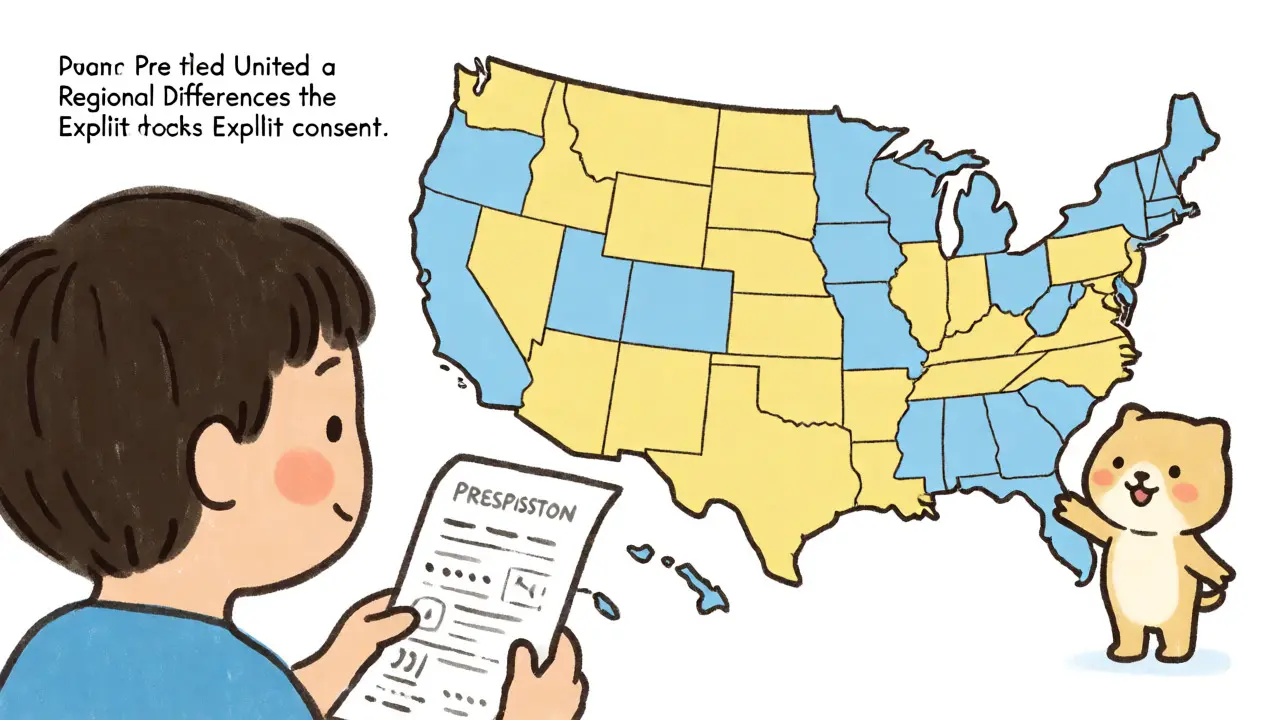
America doesn’t have a single national rule for pharmacy substitutions. Instead, we have 51 different regulatory frameworks (50 states plus D.C.). Understanding where you live helps you predict what will happen at the counter.
| Regulatory Model | Number of Jurisdictions | Pharmacist Action Required | Patient Control |
|---|---|---|---|
| Presumed Consent | 43 States + DC | Substitute generic; notify patient post-dispensing. | Low upfront control; high right to object later. |
| Explicit Consent | 7 States (e.g., AK, MD, HI) | Must obtain patient permission before substituting. | High upfront control; must actively approve changes. |
| Mandatory Substitution | 19 States (overlap with above) | Required to substitute if generic is available. | Varies by state consent rules within mandatory statutes. |
In presumed consent states like California, Texas, and Illinois, the pharmacist acts on behalf of the patient’s financial interest. However, even here, the rules aren't uniform. For instance, some states mandate that patients receive a specific written notice about the substitution, separate from the standard label. Others rely on verbal cues. This lack of standardization creates complexity for chain pharmacies operating across state lines, forcing them to program their systems differently for each location.
When Presumed Consent Doesn't Apply: Biosimilars and Specialty Drugs
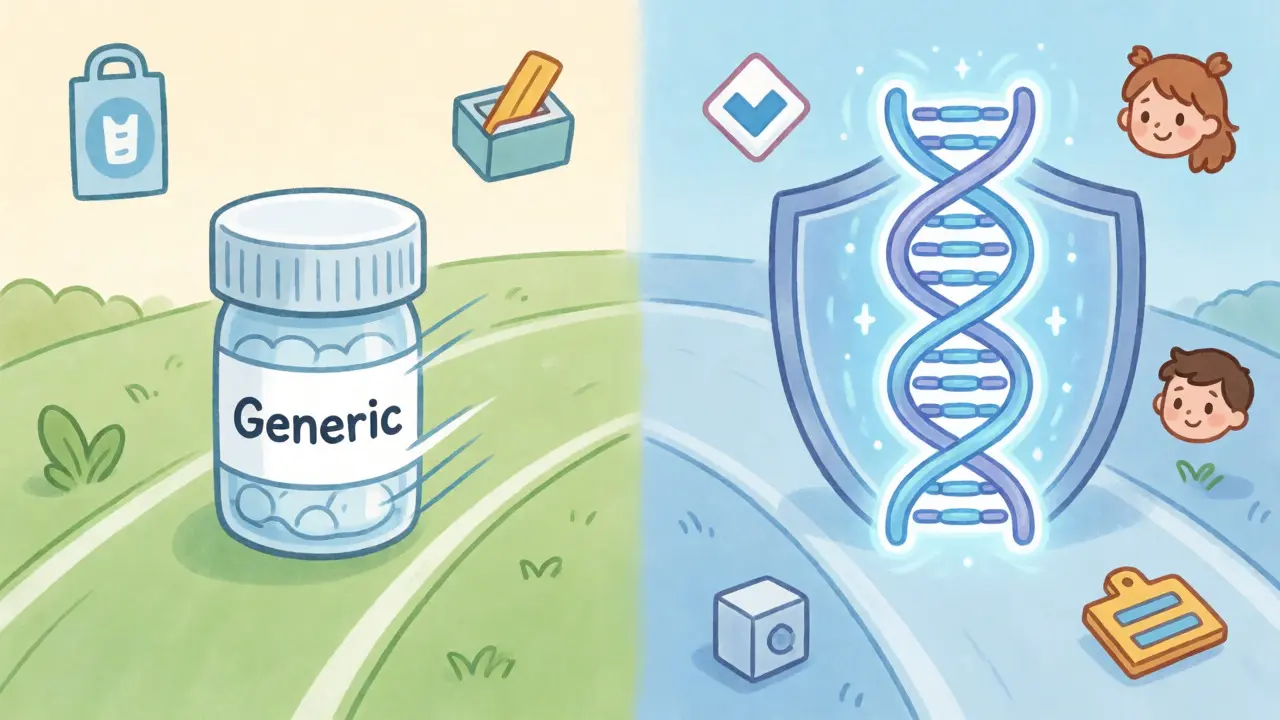
While swapping a simple pill like ibuprofen is straightforward, swapping a biologic drug is a whole different ballgame. Biologics are large, complex molecules made from living organisms, unlike small-molecule chemicals. Their generic counterparts are called biosimilars. Because biologics are harder to replicate exactly, regulators treat them with more caution.
As of 2023, only six states-Arizona, Indiana, Iowa, Massachusetts, New Jersey, and Pennsylvania-permit automatic substitution of interchangeable biosimilars under presumed consent-like rules. In the remaining 44 states, pharmacists face stricter hurdles. Some require explicit patient consent, while others prohibit automatic substitution entirely until the FDA designates a product as fully "interchangeable." The FDA maintains the Purple Book, which lists licensed biological products and their interchangeability status. If a biosimilar isn't listed as interchangeable, a pharmacist generally cannot swap it without a new prescription from your doctor, even in a presumed consent state.
The Safety Debate: Narrow Therapeutic Index Drugs
Critics argue that presumed consent ignores clinical nuance. Enter the concept of Narrow Therapeutic Index (NTI) drugs. These are medications where the difference between an effective dose and a toxic dose is tiny. Warfarin (blood thinner), levothyroxine (thyroid hormone), and certain anti-epileptics fall into this category.
For NTI drugs, a slight variation in bioavailability-the rate at which the drug enters the bloodstream-can lead to treatment failure or adverse events. A study published in JAMA Internal Medicine noted that while FDA rates generics as "therapeutically equivalent," real-world variability can occur. The American Epilepsy Society documented 178 cases of breakthrough seizures linked to generic substitutions between 2018 and 2022. Consequently, 32 states now have special restrictions for NTI drugs, often requiring explicit consent or prohibiting automatic substitution despite the broader presumed consent law. If you take an NTI medication, never assume the default rules apply. Always check your state’s specific carve-outs.
Liability and Documentation: Protecting Yourself and Your Pharmacist
One reason pharmacists hesitate in some jurisdictions is liability. In 26 states, laws explicitly shield pharmacists from greater liability for dispensing a generic than they would have faced for dispensing the brand. In the other 24 states, this protection is murky. This legal ambiguity drives documentation practices.
Pharmacists in presumed consent states spend an average of 42 seconds per prescription documenting substitutions, compared to 28 seconds in explicit consent states. Why? Because if a patient claims harm, the pharmacist needs proof they followed protocol. They log the substitution, the notification given, and any patient objections. For patients, this means keeping your own records is wise. If you switch brands and feel unwell, note the date and the manufacturer printed on the bottle. Most generic bottles list the manufacturer (e.g., Teva, Sandoz, Mylan). This data point is crucial for doctors trying to troubleshoot side effects.
How to Navigate Substitution Like a Pro
You don’t need a law degree to manage this, but being proactive helps. Here is how to handle the process effectively:
- Check Your State’s Stance: Look up your state board of pharmacy website. Search for "generic substitution laws." Knowing if you are in an explicit consent state changes the conversation.
- Ask About Interchangeability: For biologics, ask, "Is this product FDA-designated as interchangeable?" If the answer is no, the pharmacist likely needs a doctor's OK to switch.
- Flag NTI Medications: If you take warfarin, lithium, or thyroid meds, tell the pharmacist immediately. Say, "This is a narrow therapeutic index drug; I prefer to stick with my current brand unless we discuss it."
- Review Your Bag: Don't just grab the receipt. Glance at the label. Does it match the brand you expect? If not, ask why before you leave the counter.
- Use the 'Dispense As Written' Code: On paper prescriptions, doctors can write "DAW" (Dispense As Written) or circle the brand name. This overrides presumed consent in most cases. Electronic prescriptions sometimes bury this flag, so double-check.
The Future: Standardization and Cost Pressures
The patchwork nature of these laws is a headache for national pharmacy chains and insurance providers. Express Scripts’ chief clinical officer has noted that the lack of standardization creates unnecessary complexity. In response, the Uniform Law Commission proposed a "Model State Substitution Act" to harmonize rules, gaining traction in several legislatures. Meanwhile, the rise of biosimilars is forcing updates. Evaluate Pharma projects that biosimilars will capture 25% of the biologics market by 2028, demanding clearer rules for when a pharmacist can act autonomously.
Despite the criticism, the economic engine keeps turning. Generic drugs account for 90% of all prescriptions dispensed but only 15% of total drug spending. Presumed consent is the grease in that wheel. While patient advocacy groups push for more explicit consent options, the trend remains toward efficiency. The key takeaway for consumers is awareness: you have rights, but you also have responsibilities. Silence is consent in most places, so speak up if you disagree.
Frequently Asked Questions
Can a pharmacist refuse to give me the brand name drug?
In most states, yes, if a generic is available and your insurance covers it better, or if state law mandates substitution. However, you can usually request the brand name, but you may have to pay the full cash price or a higher copay, depending on your insurance plan's formulary tiers.
What is the difference between a generic and a biosimilar?
Generics are exact copies of small-molecule chemical drugs. Biosimilars are highly similar, but not identical, versions of complex biologic drugs made from living cells. Because biologics are harder to replicate, biosimilars undergo more rigorous testing and are subject to stricter substitution laws.
Do I have to sign a document to get a generic?
In presumed consent states, no. The pharmacist substitutes automatically. In explicit consent states (like Alaska or Maryland), you typically must sign a form or verbally agree before the pharmacist can substitute the brand for a generic.
What should I do if I feel sick after switching to a generic?
Contact your doctor immediately. Keep the bottle to identify the manufacturer. Your doctor can call the pharmacy to request a "Dispense As Written" override for future refills, ensuring you get the original brand or a specific generic manufacturer that works for you.
Does presumed consent apply to over-the-counter medications?
No. Presumed consent laws specifically govern prescription drug dispensing by licensed pharmacists. For OTC products, you choose what to buy off the shelf, and there is no pharmacist substitution authority involved.