

Effective symptom monitoring is the difference between catching a side effect early and ignoring a warning sign until it becomes an emergency. Whether it's a new drug alert or a medical device recall, the goal is to move from a state of uncertainty to a structured plan of action. If you've received a notification, you're now in a phase of active health surveillance. Here is how to handle it without losing your mind to anxiety.
Understanding the Safety Alert
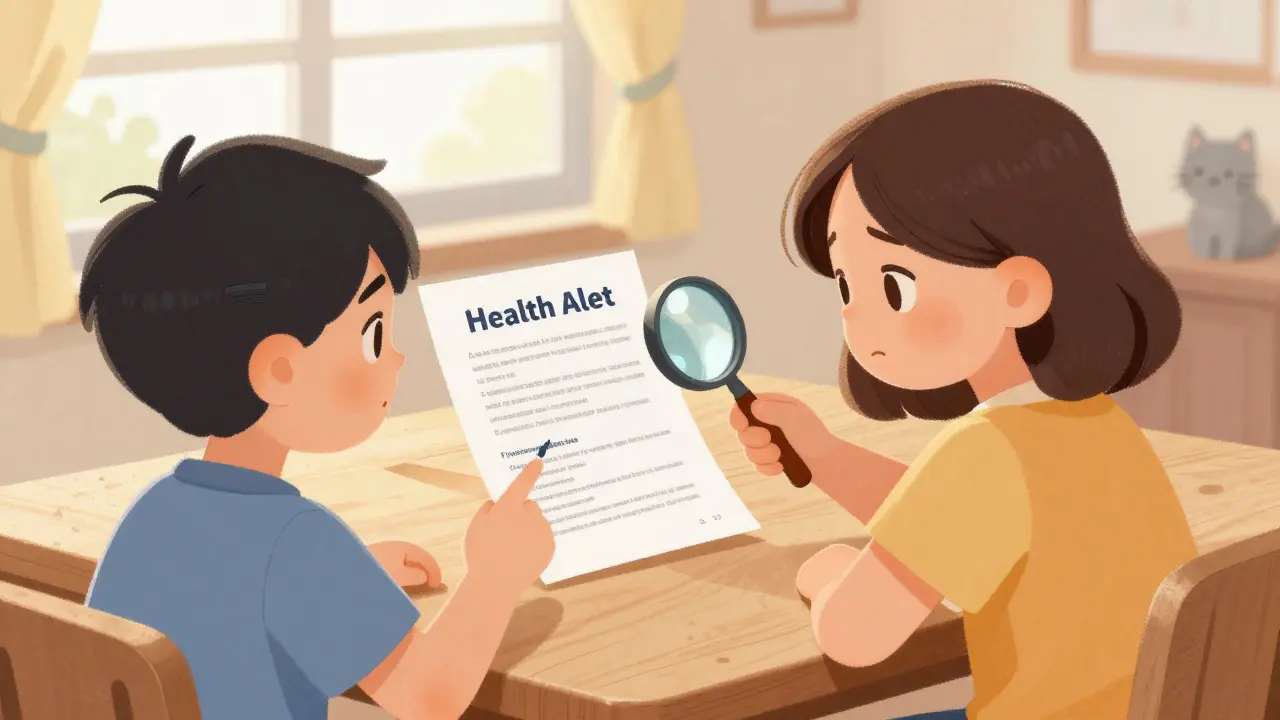
Before you start tracking, you need to understand what the World Health Organization (WHO) calls a safety communication. Essentially, it is an official notice meant to alert providers and the public about risks that require specific actions. Not every alert means you should stop your medication immediately-doing so without a doctor's advice can sometimes be more dangerous than the risk itself.
First, identify the "risk category" mentioned in the communication. According to CDC guidelines, exposures are often split into high, medium, and low risk. If you fall into a high-risk category, you'll need a much more rigorous tracking system than someone in a low-risk group. Check the alert for specific "red flag" symptoms. If the communication mentions "shortness of breath" or "unexplained bruising," those are your primary targets. Don't waste energy tracking every sneeze if the alert is about a specific cardiac or hepatic issue.
Choosing Your Monitoring Method: Active vs. Passive
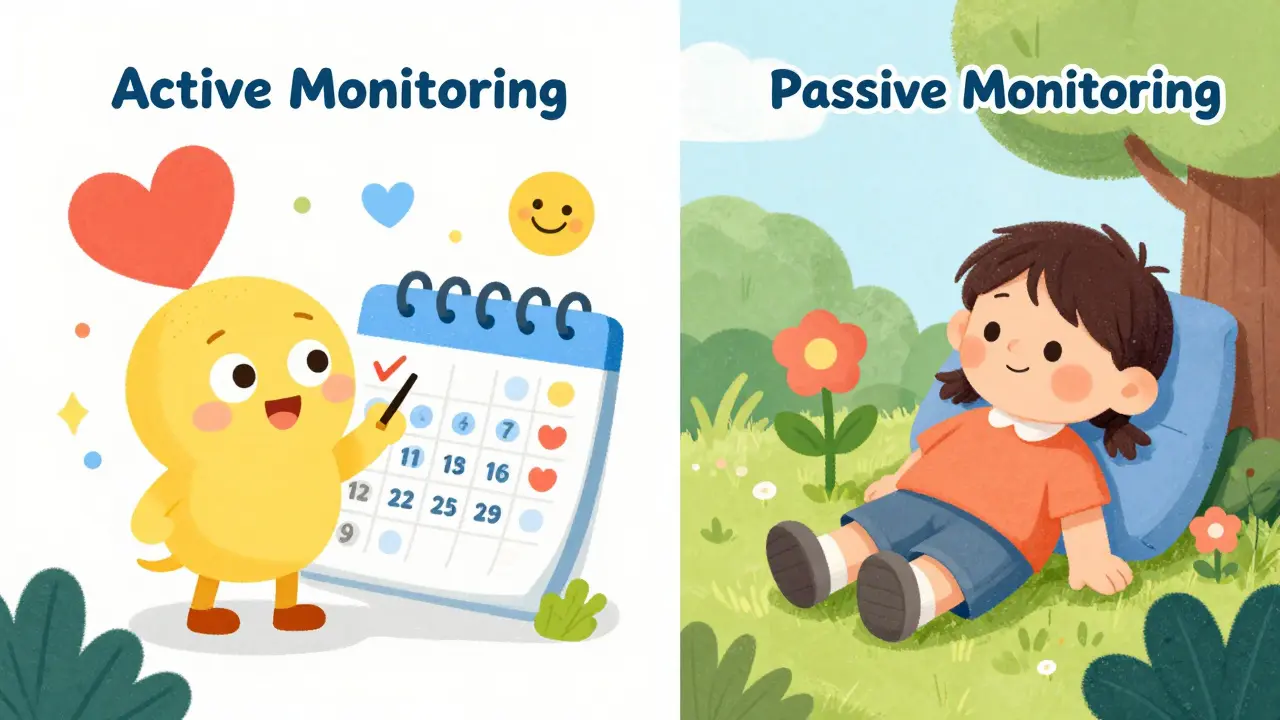
You generally have two ways to track your health: active monitoring and passive monitoring. The choice depends on your risk level and how your doctor wants to manage your care.
- Active Monitoring: This is a proactive approach. It involves a scheduled check-in-usually daily-via a phone call, text, or an app. Health institutions use this for high-risk exposures to prevent "presenteeism" (the act of continuing to work or function while sick). It's highly effective; in some clinical settings, active monitoring has reduced transmission and complication events by up to 37%.
- Passive Monitoring: This is more of a "watch and wait" strategy. You keep an eye on your health and only report back if you notice a positive indicator (a symptom actually appearing). This is typically reserved for low-risk exposures.
If you're managing this on your own, treat it as active monitoring. Set a calendar alert for the same time every day to do a "body scan." This prevents the common mistake of forgetting to log symptoms until the end of the week, by which time your memory of a mild fever on Tuesday has probably faded.
The Practical Symptom Tracking Checklist
To get a clear picture of your health, you need a system. A random note in your phone isn't enough. You want a log that a doctor can read in 30 seconds and understand perfectly. Use the following elements to build your daily log:
| Attribute | What to Record | Why it Matters |
|---|---|---|
| Vital Signs | Temperature, Blood Pressure, Heart Rate | Detects systemic inflammation or cardiac stress. |
| Symptom Severity | Scale of 0-10 (Numeric Rating) | Tracks if a problem is improving or worsening. |
| Timing | Exact time of onset and duration | Helps doctors link symptoms to medication dosage. |
| Triggers | What you were doing when it happened | Differentiates drug side effects from environmental factors. |
| Associated Events | Unexplained rashes, dizziness, or fatigue | Catches "off-target" reactions not explicitly in the alert. |
When recording these, be specific. Instead of writing "felt weird," write "experienced a tingling sensation in left fingertips for 10 minutes after taking the morning dose." This level of detail reduces diagnostic errors-some studies show that integrated tracking tools can cut these errors by nearly a third.
Using Technology for Tracking
While a paper diary works, digital tools are faster. There are specialized apps and EHR-integrated systems that can automate alerts. For example, the v-safe system used by the CDC for vaccine monitoring proved that daily text reminders significantly increase reporting accuracy.
However, be careful with third-party apps. A significant number of health-tracking apps lack full HIPAA compliance, meaning your sensitive health data might not be as private as you think. If you use an app, check if it allows you to export your data as a PDF or CSV file. This ensures that when you walk into your doctor's office, you can hand them a professional report rather than scrolling through a screen of emojis and notes.
When to Escalate: The "Reporting Trigger"
Monitoring is useless if you don't know when to stop monitoring and start treating. You need a predefined escalation protocol. Before you start your tracking, ask your healthcare provider: "At what point does this symptom become an emergency?"
Your triggers should be categorized into three levels:
- Green (Low): Mild symptoms that don't interfere with daily life. Action: Note in log, continue monitoring.
- Yellow (Moderate): Symptoms that are persistent or increasing in severity. Action: Call your doctor's office within 24 hours.
- Red (High): Severe symptoms (e.g., difficulty breathing, swelling of the face, chest pain). Action: Immediate ER visit or 911 call.
Using a structured communication method when you call your doctor can also help. Try the SBAR framework: Situation (what's happening now), Background (the safety communication you received), Assessment (what you've tracked in your log), and Recommendation (what you want-e.g., a dosage change or a blood test). This approach has been shown to increase reporting accuracy by nearly 47%.

Common Pitfalls to Avoid
The biggest challenge in symptom monitoring is "alert fatigue." If you are checking your temperature five times a day and logging every tiny itch, you'll likely burn out and stop monitoring altogether within a week. To avoid this, stick to the frequency your doctor recommends. Usually, once or twice daily is sufficient for most safety alerts.
Another trap is the "normalcy bias," where you convince yourself that a symptom is just "getting older" or "stress" rather than a reaction to the drug or device mentioned in the alert. If a symptom is new and coincides with a safety communication, treat it as relevant until a professional tells you otherwise.
What should I do if I find a symptom but it's not listed in the safety communication?
You should still record it. Safety communications list the most common or severe risks, but every person reacts differently. Unanticipated problems are a critical part of post-market surveillance. Document the symptom, the time it occurred, and report it to your doctor. They may need to report this "off-label" side effect to the FDA or relevant health authority to help others.
How long do I need to keep monitoring my symptoms?
The duration depends on the nature of the risk. For some drug alerts, monitoring may last for a few weeks as the medication clears your system. For medical devices, it might be a lifelong requirement. Generally, follow the timeline specified in the safety communication or the specific guidance provided by your physician.
Does a safety communication mean my medication is dangerous?
Not necessarily. Many communications are issued to provide updated guidance on how to use a product more safely or to alert doctors to a rare but serious side effect. The benefit of the medication often still outweighs the risk. Never stop taking a prescribed medication based on a safety alert without consulting your doctor first.
Can I use a generic health app for this process?
You can, but ensure it allows for a numeric severity scale (0-10) and timestamping. The most important factor is that the data is exportable. If the app locks your data in a proprietary format that your doctor can't access, it loses most of its clinical value.
What is the difference between active and passive monitoring?
Active monitoring is a scheduled, systematic check-in (like a daily text or call) initiated by a healthcare provider. Passive monitoring is self-directed, where the individual only reports back if they notice a symptom. Active monitoring is typically used for higher-risk situations to ensure no symptoms are missed.
Next Steps for Your Safety Plan
Now that you have the tools, put them into action. If you are currently under a safety alert, start by calling your pharmacist or primary care physician to clarify your risk level (High, Medium, or Low). Once you have that, set up your tracking log using the parameters mentioned above. If you find yourself feeling overwhelmed by the data, designate a "health buddy"-a spouse or friend-who can help you stay consistent with your daily checks. Remember, the goal isn't to find a problem, but to have a reliable record that ensures your safety.