

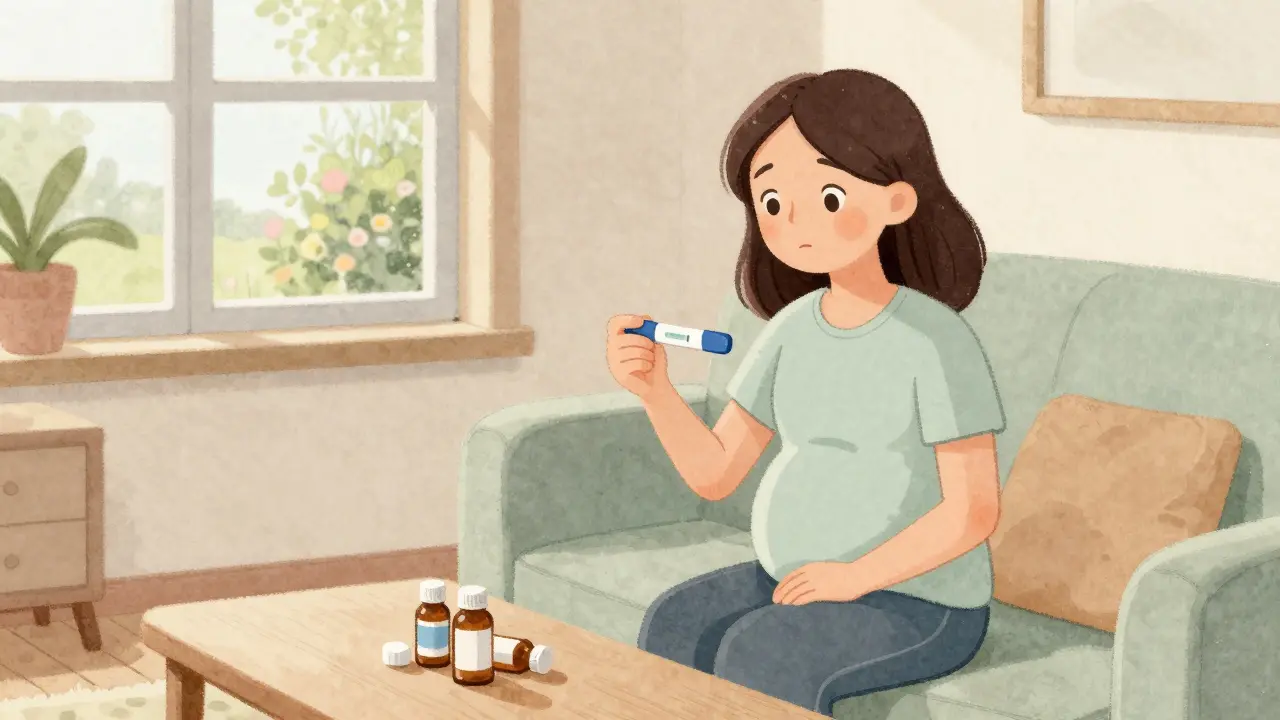
Imagine you just took a pregnancy test. The lines are there. You’re excited, maybe a little scared, and then it hits you: you took an ibuprofen for your headache yesterday morning. Did you hurt the baby? This panic is real, and it’s shared by millions of women every year. But here is the truth that often gets lost in the fear: not every pill causes harm, and sometimes, stopping necessary medication is far more dangerous than taking it.
The first trimester (weeks 1-12) is indeed the most critical window for fetal development. This is when embryogenesis occurs-the rapid process where your baby’s major organs form from scratch. However, understanding exactly *when* and *what* matters can save you from unnecessary stress. Let’s break down the science of medication safety during these crucial weeks, separating fact from fiction.
The Critical Window: When Is the Baby Most Vulnerable?
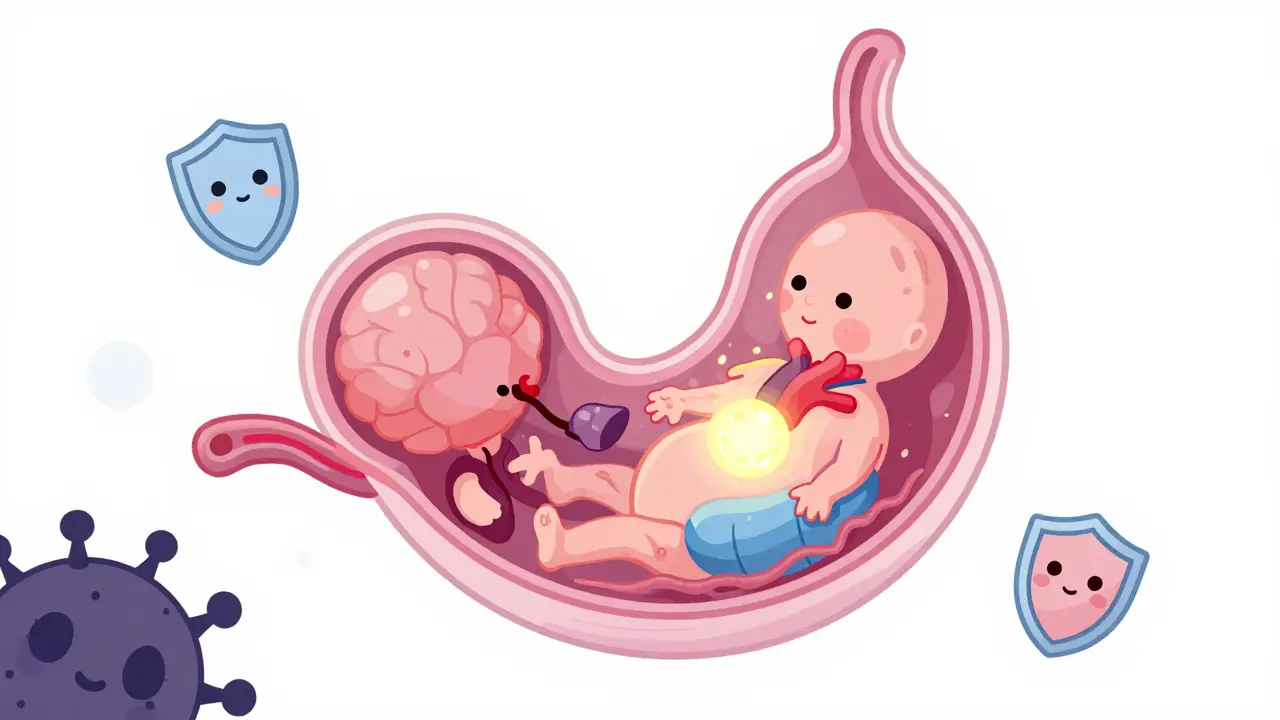
Not all days in the first trimester carry the same risk. To understand medication safety, you need to know the timeline of organogenesis. This is the period when the heart, brain, limbs, and other vital structures are built.
- Days 17-56 post-conception: This is the peak vulnerability window. Exposure to harmful substances (teratogens) here can cause major structural birth defects.
- Days 18-26: The neural tube forms. This is when neural tube defects, like spina bifida, can occur if folate levels are low or certain drugs interfere with development.
- Days 20-40: The heart develops. Cardiac malformations are most likely if exposed to specific high-risk medications during this narrow window.
- Days 24-36: Limbs form. Defects in arms or legs are linked to exposures in this timeframe.
According to the American College of Obstetricians and Gynecologists (ACOG), 90% of birth defects originate during this embryonic period (weeks 3-8). Before day 17, the "all-or-none" principle often applies: if a toxin causes severe damage, the pregnancy may end naturally; if it doesn’t, the embryo usually repairs itself and continues developing normally. After week 12, the risk of major structural defects drops significantly, though functional issues can still arise later.
The Data Gap: Why So Much Uncertainty?
You might wonder why doctors seem hesitant to give a straight "yes" or "no" answer. The problem isn’t lack of care; it’s a lack of data. For ethical reasons, we cannot run clinical trials on pregnant women. As a result, the CDC notes that only 10% of FDA-approved medications have sufficient safety data for pregnancy.
In 2015, the FDA replaced the old A/B/C/D/X letter categories with the Pregnancy and Lactation Labeling Rule (PLLR). Instead of simple letters, labels now contain narrative summaries based on human and animal data. While more accurate, this means you have to read fine print. A study published in PMC analyzed over 5,000 mothers and found that while 54 different medication components were used in the first trimester, only two had "Good to Excellent" data available to assess risk. This creates what experts call a "prescription information desert."
Common Medications: Safe, Risky, or Unknown?
Let’s look at the drugs you’re most likely to reach for. We’ll categorize them by their current evidence base.
| Medication Class | Specific Drug | Safety Status & Notes |
|---|---|---|
| Pain Relievers | Acetaminophen | Generally considered safest option. Limit to lowest effective dose. Recent studies suggest potential links to ADHD/autism with prolonged use, but causation is unproven. |
| Pain Relievers | Ibuprofen / NSAIDs | Avoid in first trimester. Linked to 1.6-fold increased miscarriage risk. High risk of kidney issues/amniotic fluid problems after 20 weeks. |
| Cold/Allergy | Loratadine / Cetirizine | Safe. Preferred antihistamines for allergies. |
| Cold/Allergy | Pseudoephedrine | Avoid in first trimester. Associated with slight increase in gastroschisis (abdominal wall defect). |
| Antibiotics | Amoxicillin | Safe. One of the most commonly prescribed and studied antibiotics in pregnancy. |
| Antibiotics | Tetracyclines | Avoid. Causes tooth discoloration and bone growth issues in fetus. |
| Mental Health | Paroxetine | Avoid if possible. Linked to cardiac malformations (VSDs) in some studies. |
| Mental Health | Sertraline / Fluoxetine | Generally preferred SSRIs. No consistent evidence of major structural defects. |
The Danger of Stopping Necessary Medication
Fear often drives women to stop all medications immediately upon finding out they are pregnant. This can be a critical mistake. The Mayo Clinic emphasizes a risk-benefit analysis. If you have epilepsy, stopping anti-seizure medication increases the risk of seizure-related fetal mortality by 400%. If you have diabetes, uncontrolled blood sugar raises the risk of congenital anomalies from 2-3% to 10-15%.
Dr. Christina Chambers of UC San Diego points out that untreated maternal conditions pose a greater threat to the fetus than most medications. The goal is not to take zero pills; it’s to take the right pills at the lowest effective dose for the shortest duration.
How to Make Decisions: A Practical Checklist
If you are in your first trimester and unsure about a medication, follow this structured approach recommended by ACOG Committee Opinion No. 797:
- Confirm Timing: Use your last menstrual period and early ultrasound dating to pinpoint exactly which week of gestation you are in. Was the exposure before implantation (low risk) or during organogenesis (higher risk)?
- Identify the Stage: Determine what organs were forming at the time of exposure. For example, if you took a drug on day 25, the heart was developing, so cardiac risks are relevant.
- Consult Reliable Sources: Don’t rely on Google forums. Use resources like MotherToBaby (operated by the Organization of Teratology Information Specialists), which fields thousands of inquiries annually with evidence-based answers.
- Consider Non-Drug Options: Can you treat nausea with ginger and small meals instead of meds? Can you manage mild pain with rest and hydration?
- Use the Lowest Dose: If medication is necessary, take the smallest amount needed to control symptoms for the shortest time possible.
What About Acne and Autoimmune Drugs?
Some medications require special attention due to high stakes. Isotretinoin (Accutane) carries a black box warning because it has a 20-35% risk of causing major congenital defects and cognitive impairment. It must be avoided entirely. Conversely, Hydroxychloroquine (Plaquenil), used for lupus and rheumatoid arthritis, shows no increased malformation risk and should generally be continued to prevent disease flares, which are harmful to the pregnancy.
For thyroid patients, Levothyroxine doses often need to increase by 30-50% during pregnancy to maintain TSH levels below 2.5 mIU/L. Untreated hypothyroidism can affect fetal brain development, making strict monitoring essential.
Final Thoughts on Peace of Mind
If you accidentally took a prohibited medication before knowing you were pregnant, try not to panic. Single exposures rarely cause harm. The body has remarkable repair mechanisms, especially in the very early stages. Talk to your obstetrician or a teratologist. They can help you interpret the specific timing and dosage against the latest data. Remember, being informed and proactive is the best tool you have for a healthy pregnancy.
Is acetaminophen (Tylenol) completely safe in the first trimester?
Acetaminophen is currently considered the safest pain reliever and fever reducer during pregnancy. However, recent observational studies have suggested a potential link between prolonged, high-dose use and neurodevelopmental issues like ADHD. Because of this, experts recommend using the lowest effective dose for the shortest duration possible, rather than taking it daily for long periods without medical advice.
Can I take ibuprofen or aspirin in the first trimester?
It is generally advised to avoid ibuprofen and other NSAIDs in the first trimester. A Canadian study linked first-trimester NSAID use to a 1.6-fold increased risk of miscarriage. Additionally, aspirin should be avoided unless specifically prescribed by your doctor for conditions like preeclampsia prevention, as high doses can cause bleeding and developmental issues.
What should I do if I took a banned medication before I knew I was pregnant?
Do not panic. Many exposures in the very early weeks (before day 17 post-conception) fall under the "all-or-none" rule, meaning the embryo either repairs itself or the pregnancy ends naturally. Contact your healthcare provider immediately to discuss the specific drug, dose, and timing. They can refer you to a teratogen information service like MotherToBaby for a detailed risk assessment.
Are antidepressants safe during pregnancy?
The safety depends on the specific drug. Paroxetine is associated with a slightly higher risk of heart defects and is usually avoided. Sertraline and fluoxetine are generally considered safer options with no consistent evidence of major structural defects. However, untreated depression poses significant risks to both mother and baby, so any changes to mental health medication should be made under strict psychiatric supervision.
Why is there so little data on medication safety in pregnancy?
Ethical guidelines prevent pharmaceutical companies from testing new drugs directly on pregnant women. Therefore, most safety data comes from retrospective studies, animal models, or accidental exposures reported after birth. This results in a significant data gap, with the CDC noting that only 10% of approved drugs have robust pregnancy safety profiles.