



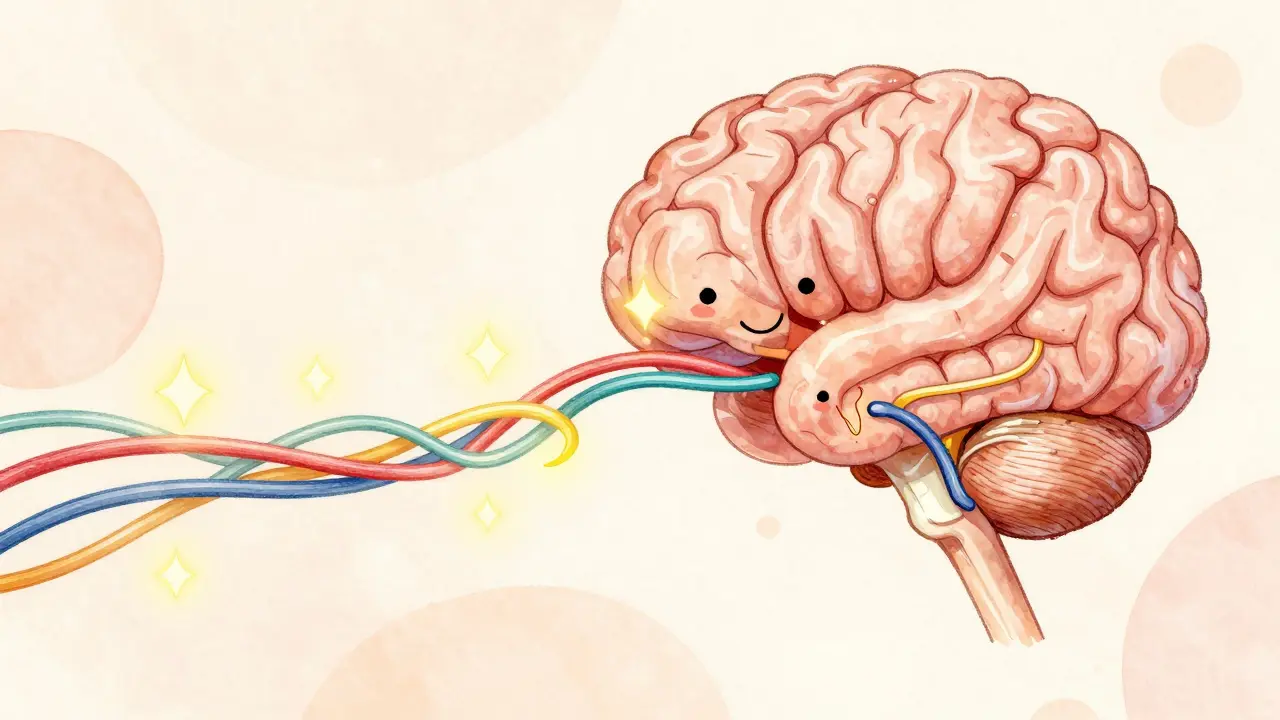
Imagine your nervous system as a complex network of electrical wires. Now imagine the insulation on those wires wearing away, causing sparks, short circuits, and signal failures. That is essentially what happens in Multiple Sclerosis, an autoimmune neurological disease where the immune system attacks the protective myelin sheath covering nerve fibers. It is not just "fatigue" or "stress." It is a chronic condition affecting millions worldwide, yet it remains one of the most misunderstood diseases in neurology.
If you have recently received a diagnosis, or if you are caring for someone who has, the information overload can be paralyzing. You might be wondering why this is happening, what to expect next, and whether there is hope. The good news? We know more about MS today than ever before. Treatments have advanced dramatically, and many people with MS live full, active lives. Let’s break down exactly what this disease is, how it progresses, and what modern medicine offers.
What Is Multiple Sclerosis?
To understand MS, you first need to understand myelin, the fatty substance that acts like plastic coating around electrical wires in your brain and spinal cord (the central nervous system). Myelin allows nerve signals to travel quickly and efficiently-up to 120 meters per second in healthy nerves. Without it, signals slow down, get blocked, or become distorted.
In multiple sclerosis, the body’s immune system mistakenly identifies myelin as a threat. T-cells and antibodies launch an attack, triggering inflammation that damages both the myelin and the underlying nerve fibers. This damage creates scar tissue, known as plaques or lesions, which disrupt communication between your brain and the rest of your body. The result? A wide range of symptoms depending on which nerves are affected.
MS was first clinically described by French neurologist Jean-Martin Charcot in 1868, but it wasn’t until the mid-20th century that scientists recognized its autoimmune nature. Today, approximately 2.8 million people globally live with MS. It primarily strikes adults between ages 20 and 40, and women are diagnosed two to three times more often than men. While there is no cure, early intervention with disease-modifying therapies can significantly slow progression and manage symptoms effectively.
The Four Clinical Courses of MS
Not everyone experiences MS in the same way. The disease follows different patterns, classified into four main types. Understanding which course you fall into helps doctors tailor treatment plans.
- Clinically Isolated Syndrome (CIS): This is a first episode of neurological symptoms lasting at least 24 hours. It isn’t MS yet, but if MRI scans show characteristic lesions, there is a 60-80% chance it will develop into MS within ten years.
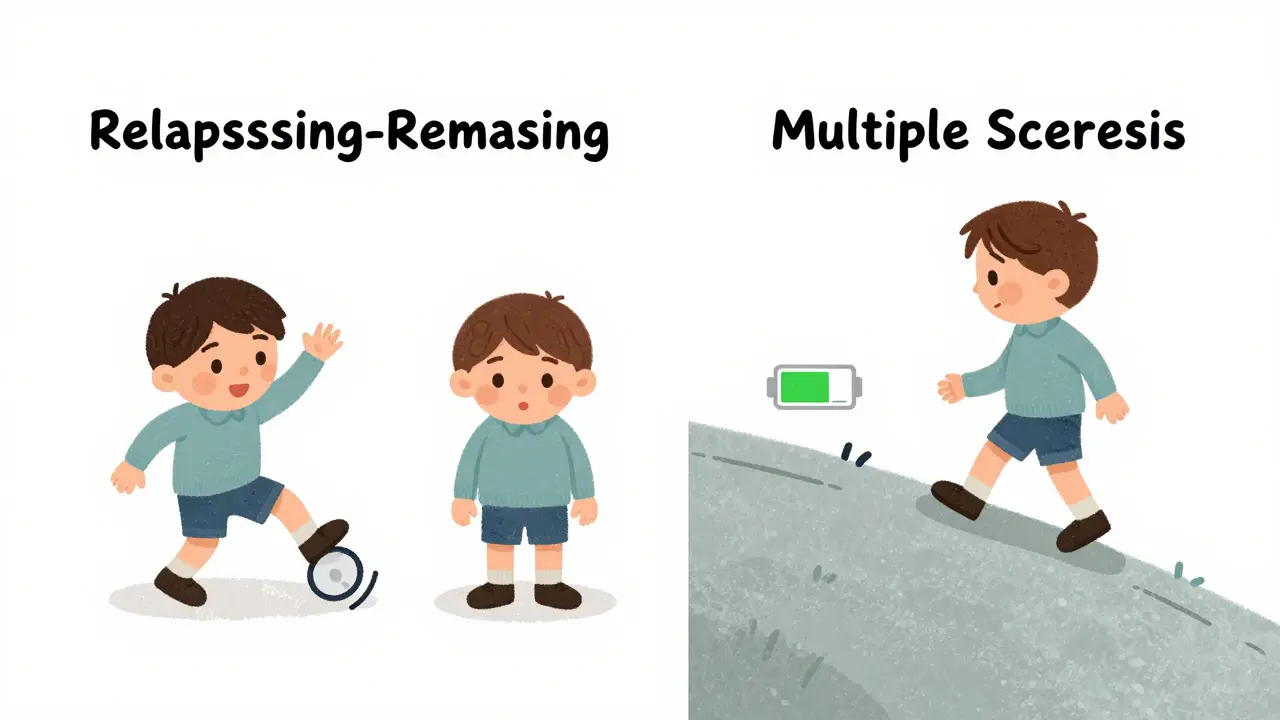
- Relapsing-Remitting MS (RRMS): About 85% of people start here. You experience clear flare-ups (relapses) followed by periods of partial or complete recovery (remission). During remission, the disease doesn’t actively progress.
- Secondary Progressive MS (SPMS): Eventually, about half of RRMS patients transition to SPMS within ten years. Here, the disease steadily worsens over time, with or without occasional relapses.
- Primary Progressive MS (PPMS): Roughly 15% of patients have this type from the start. There are no distinct relapses; instead, disability gradually accumulates from the beginning.
Dr. Fred D. Lublin, a leading expert at Mount Sinai, notes that MS is not a single disease but a syndrome with multiple pathological patterns. Recognizing these differences is crucial because treatments that work for RRMS may not be effective for PPMS.
Common Symptoms: More Than Just Fatigue
Because MS affects the central nervous system, symptoms vary wildly from person to person. However, some complaints are far more common than others. On patient platforms like MyMSTeam, 78% of users report chronic fatigue as their most debilitating symptom. This isn’t normal tiredness-it’s an overwhelming exhaustion that sleep doesn’t fix.
Other frequent issues include:
- Muscle stiffness and spasms: Caused by disrupted signals between muscles and nerves.
- Balance and coordination problems: Leading to falls and difficulty walking.
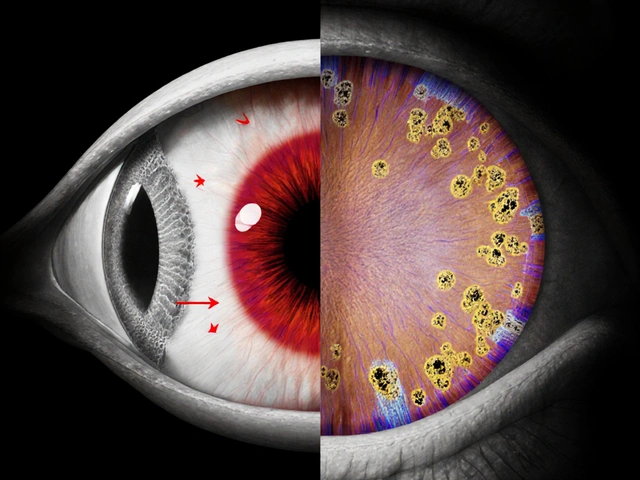
- Visual disturbances: Such as blurred vision or double vision, often due to optic neuritis (inflammation of the optic nerve).
- Cognitive changes: Often called "brain fog," this includes trouble finding words, memory lapses, or slowed thinking.
- Pain and numbness: Ranging from mild tingling to severe neuropathic pain.
These symptoms can come and go during relapses or persist as part of progressive disability. Tracking them helps doctors adjust medications and rehabilitation strategies.
How Is MS Diagnosed?
There is no single test for multiple sclerosis. Diagnosis relies on ruling out other conditions and confirming damage in space and time. The current gold standard is the McDonald Criteria, established in 2017. Doctors look for evidence of lesions in at least two areas of the central nervous system and proof that these lesions occurred at different times.
MRI scans are the cornerstone of diagnosis. High-field 3 Tesla scanners detect up to 30% more lesions than older 1.5 Tesla systems, making them invaluable for early detection. Gadolinium contrast agents help identify active inflammation, showing up as bright spots in acute attacks.
Other tests may include:
- Lumbar puncture (spinal tap): To check for oligoclonal bands in cerebrospinal fluid, indicating immune activity in the CNS.
- Evoked potential tests: Measuring how fast electrical signals travel through nerves.
- Blood tests: To rule out lupus, vitamin B12 deficiency, or Lyme disease, which can mimic MS symptoms.
The diagnostic process typically takes 3-5 specialist visits over several months. While waiting for answers is stressful, accurate diagnosis ensures you get the right treatment sooner rather than later.
Treatment Options: Disease-Modifying Therapies
Years ago, MS meant limited options. Today, we have dozens of disease-modifying therapies (DMTs) designed to reduce relapses, delay progression, and protect nerve health. These fall into six mechanistic categories, including monoclonal antibodies, oral immunomodulators, and injectables.
| Treatment Type | Examples | Administration | Key Benefit |
|---|---|---|---|
| Injectables | Interferon beta-1a, Glatiramer acetate | Self-injection weekly/monthly | Long safety record, lower cost |
| Oral Medications | Fingolimod, Teriflunomide | Daily pill | Convenience, moderate efficacy |
| Infusions | Ocrelizumab, Ublituximab-xiiy (Briumvi) | IV every 6-12 months | High efficacy, fewer injections |
| Newer Agents | Ofatumumab (subcutaneous) | Monthly self-injection | Combines convenience with high efficacy |
Cost is a major concern. Annual prices range from $65,000 for generic glatiramer acetate to $87,000 for newer biologics. However, 90% of U.S. patients receive financial assistance through manufacturer copay programs. Don’t hesitate to ask your doctor or pharmacist about support resources.
Symptom management also plays a key role. Physical therapy improves balance and reduces fall risk by 47%. Occupational therapists help adapt daily tasks. Cognitive rehab addresses brain fog. And antidepressants or anti-anxiety meds can improve quality of life when mood disorders arise.

Risk Factors and Triggers
Why does one person get MS while another doesn’t? Science points to a mix of genetics and environment. Over 230 genetic variants increase risk, with HLA-DRB1*15:01 being the strongest link-tripling your odds if you carry it. But genes alone aren’t enough. Environmental triggers matter too.
Vitamin D deficiency stands out as a major player. Studies show 40% higher MS incidence in regions with less than 300 hours of annual sunshine. Maintaining blood levels above 30 ng/mL may offer protection. Smoking also doubles your risk and accelerates disease progression.
Epstein-Barr virus (EBV), which causes mono, has sparked intense debate. Harvard researchers found a 32-fold increased MS risk after infectious mononucleosis. Yet some experts argue this correlation might be confounded by other factors. Regardless, avoiding smoking, maintaining healthy vitamin D levels, and managing stress remain practical steps everyone can take.
Living Well With MS
A diagnosis of multiple sclerosis feels daunting, but it doesn’t define your future. Advances in treatment mean most patients enjoy a normal life expectancy. According to the Swedish MS Registry, 70% of people diagnosed after 2010 remain ambulatory without assistance at 20 years-a huge improvement over previous decades.
Workplace accommodations help too. Eighty-two percent of employed individuals with MS request flexible scheduling or remote work options. Employers increasingly recognize these needs under disability laws. Advocating for yourself opens doors to continued productivity and independence.
Community support matters immensely. Online forums like Reddit’s r/MS connect thousands sharing tips, frustrations, and victories. Hearing someone else describe "trying to speak but words just won’t form" validates your experience and reminds you you’re not alone.
Stay informed, stay proactive, and partner closely with your healthcare team. MS is complex, but manageable-with the right tools, knowledge, and mindset.
Is multiple sclerosis hereditary?
MS is not directly inherited like eye color, but genetics play a significant role. Having a parent or sibling with MS increases your risk slightly, especially if you carry certain gene variants like HLA-DRB1*15:01. However, identical twins share only a 25-30% concordance rate, meaning environment and lifestyle heavily influence whether the disease develops.
Can MS be cured?
Currently, there is no cure for multiple sclerosis. However, disease-modifying therapies can slow progression, reduce relapses, and preserve function. Research into remyelination (repairing damaged myelin) and neuroprotection shows promise, with clinical trials exploring stem cells and new drugs aimed at reversing damage.
What causes MS flare-ups?
Flare-ups (relapses) occur when inflammation suddenly damages myelin again. Common triggers include infections (like UTIs or colds), extreme heat, stress, and poor sleep. Pseudo-exacerbations happen when old symptoms temporarily worsen due to heat or illness without new nerve damage. Cooling down and treating the underlying cause usually resolves them.
How long do people live with MS?
Most people with MS have a near-normal life expectancy. Longitudinal studies show that advances in treatment have extended survival significantly. Those diagnosed after 2010 fare better than earlier generations, with many remaining independent well into their seventh decade. Complications like respiratory infections or cardiovascular disease pose greater risks than MS itself.
Should I avoid exercise with MS?
Absolutely not. Exercise is beneficial for strength, balance, mood, and fatigue management. Water aerobics, yoga, and stationary cycling are excellent choices since they minimize overheating. Work with a physical therapist to design a safe routine tailored to your abilities. Staying active slows functional decline and boosts overall well-being.