



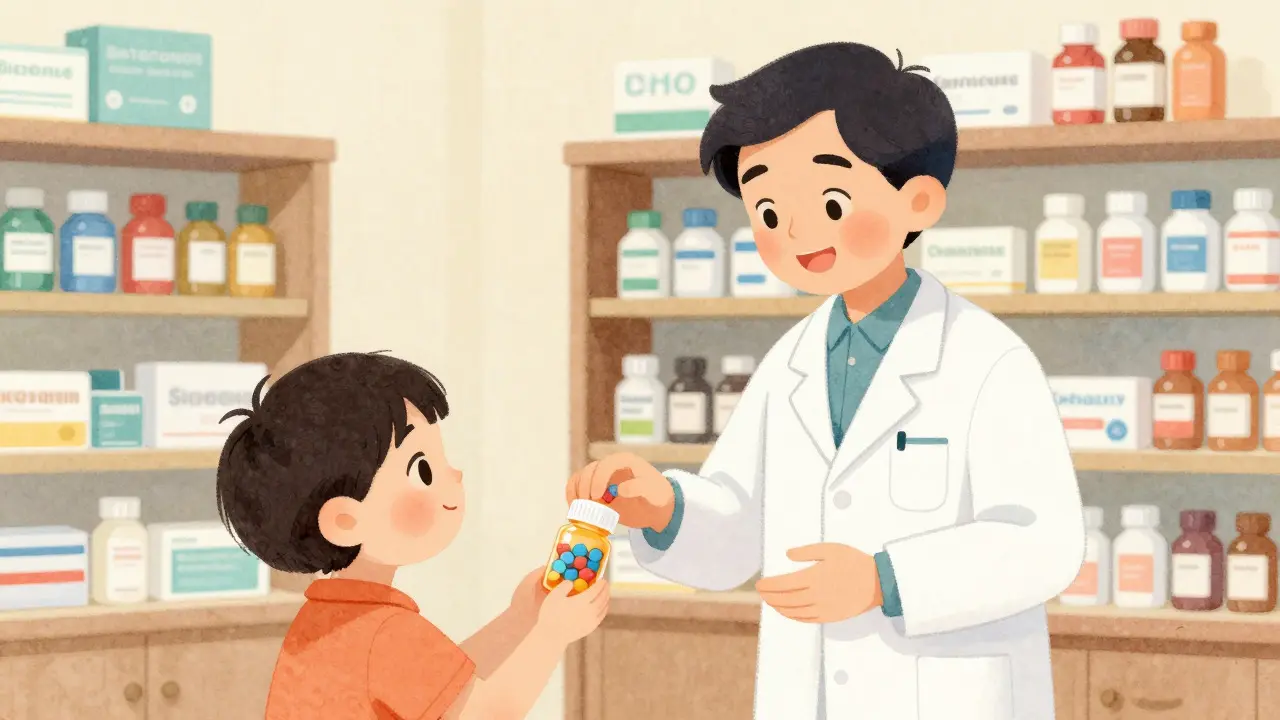
You pick up your prescription at the pharmacy. The pharmacist hands you a box that looks slightly different from what you remember-maybe the color is off, or the shape of the pill has changed. It’s cheaper, sure, but it’s not the brand name you’ve taken for years. A nagging question pops into your head: Is this generic version actually as good as the original?
This doubt is common. We see ads for expensive brand-name drugs everywhere, so it makes sense to wonder if cutting costs means cutting corners. But here is the reality check: in the United States, the Food and Drug Administration (FDA) holds generic manufacturers to incredibly strict standards. In fact, many of the biggest brand-name companies make their own generics in the exact same factories.
Understanding how these drugs are tested and approved isn’t just about saving money; it’s about knowing why you can trust the medication in your hand. Let’s look at the specific rules, tests, and data that ensure a generic drug works exactly like its brand-name counterpart.
The Foundation: Pharmaceutical Equivalence
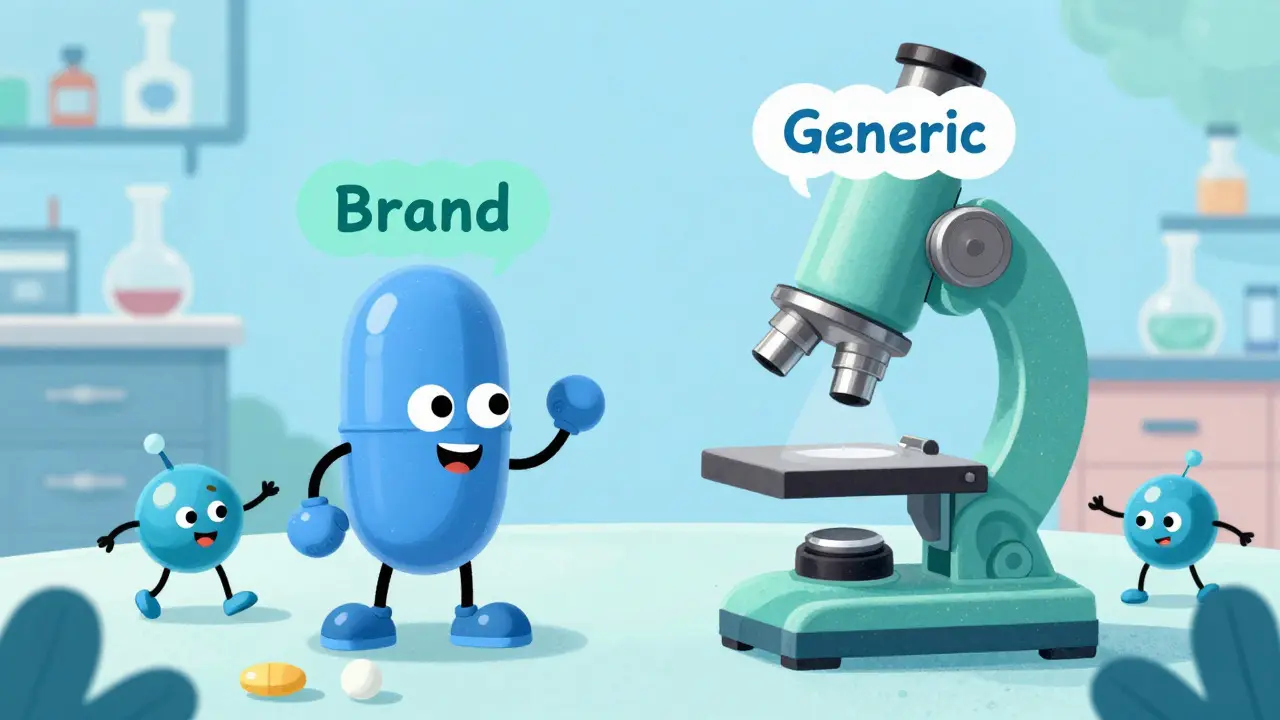
Before a generic drug ever touches a patient, it must prove it is chemically identical to the brand-name drug in every way that matters for treatment. This concept is called pharmaceutical equivalence, which is a regulatory requirement ensuring generic drugs contain the same active ingredients, strength, dosage form, and route of administration as the reference listed drug.
Think of it like baking cookies. If you are copying a famous baker’s recipe, you need the exact same amount of flour, sugar, and chocolate chips. You can’t use half the sugar and call it the same cookie. Similarly, a generic drug must have:
- The identical active pharmaceutical ingredient (API).
- The same strength (e.g., 500mg).
- The same dosage form (tablet, capsule, liquid).
- The same route of administration (oral, injection, inhalation).
The FDA allows minor differences in inactive ingredients. These are things like binders, fillers, colors, and flavors. That’s why your generic might taste different or look different than the brand name. However, these inactive components cannot affect how the drug works in your body. They also cannot cause allergic reactions in patients who are sensitive to specific dyes or additives found in the brand version.
Bioequivalence: Proving It Works Inside Your Body
Having the same ingredients on paper is only step one. The real test is what happens once you swallow the pill. Does your body absorb it? How fast does it kick in? This is where bioequivalence comes in, serving as the clinical proof that a generic drug delivers the same amount of active ingredient into the bloodstream over the same period as the brand-name drug.
To prove bioequivalence, manufacturers conduct rigorous studies on healthy volunteers. Typically, they recruit between 24 and 36 people. Each volunteer takes the brand-name drug first, then washes it out of their system, and later takes the generic version. Scientists measure two critical metrics in the blood:
- Cmax (Maximum Concentration): How high the drug levels peak in the blood.
- AUC (Area Under the Curve): The total amount of drug absorbed over time.
The FDA requires that the 90% confidence interval for the ratio of these metrics falls within a narrow range of 80% to 125%. This sounds like a wide margin, but in pharmacology, it ensures there is no clinically significant difference. If a generic absorbs too slowly or too quickly, it fails the test. It doesn’t go to market until the data proves it behaves almost identically to the brand name inside your veins.
Manufacturing Rules: Current Good Manufacturing Practices
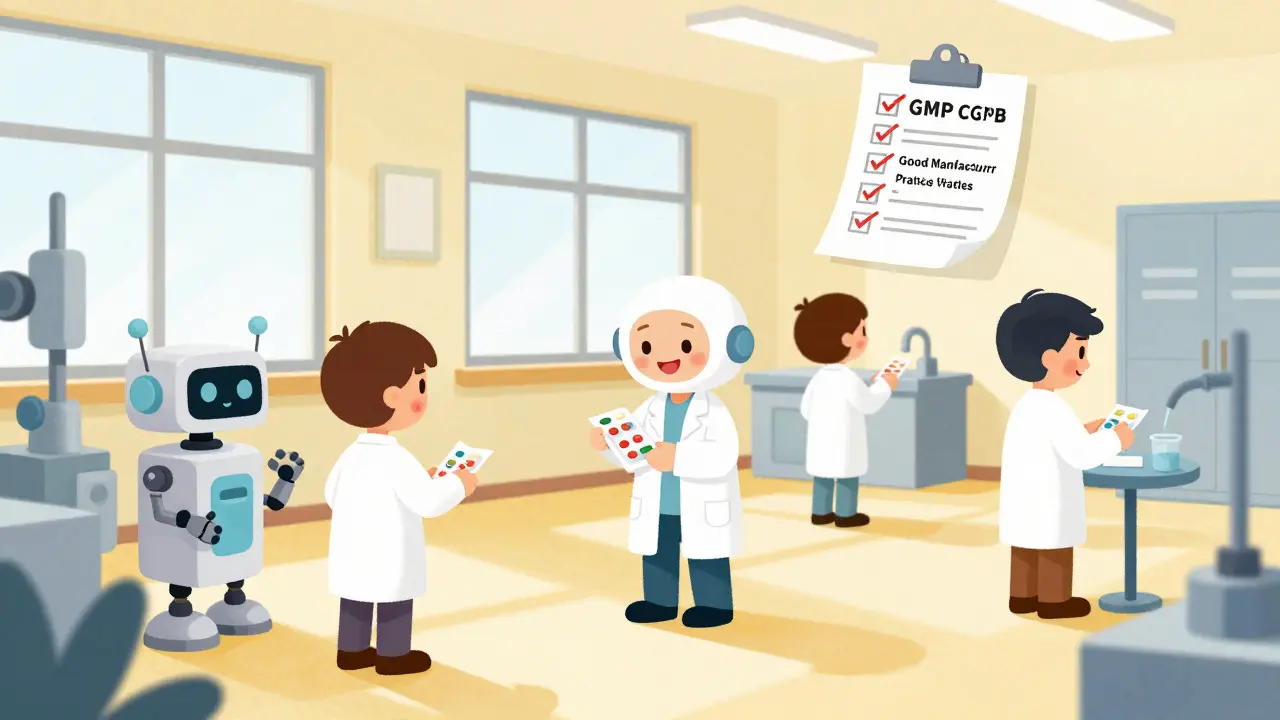
Even with perfect chemistry, a drug is useless if it’s made in a dirty factory. This is why the FDA enforces Current Good Manufacturing Practices (cGMP), codified in 21 CFR Parts 210 & 211, which mandate strict quality control standards for facilities, equipment, and personnel involved in drug production.
cGMP applies equally to generic and brand-name manufacturers. There is no "lite" version of these rules for cheaper drugs. Facilities must maintain written procedures for every step of production, from receiving raw materials to packaging the final pill. Critical parameters like temperature, humidity, and mixing times are monitored constantly.
The FDA conducts approximately 3,500 inspections annually across manufacturing sites globally. Inspectors check everything: Are the water supplies pure? Are the machines calibrated? Is the staff trained properly? If a facility fails an inspection, the FDA can issue warning letters, seize products, or shut down production entirely. This oversight ensures that every single dose leaving the factory is safe, effective, and free of contamination.
| Requirement | Brand-Name Drug | Generic Drug |
|---|---|---|
| Active Ingredient | Must be proven safe/effective via full clinical trials | Must be identical to brand-name |
| Bioequivalence Study | Not required (it is the reference) | Required (must match brand within 80-125%) |
| Manufacturing Standards | cGMP Compliance | cGMP Compliance (Identical standards) |
| Inactive Ingredients | Proprietary mix | Can differ, but must not affect efficacy/safety |
| Facility Inspections | FDA Regular Inspections | FDA Regular Inspections (Same frequency/rigor) |
The ANDA Process: The Paperwork Trail
Getting a generic drug approved involves submitting an Abbreviated New Drug Application (ANDA), which is the regulatory filing used by manufacturers to seek approval for generic versions of previously approved drugs. Unlike brand-name drugs, which require costly and lengthy Phase I-III clinical trials to prove safety and efficacy, generics rely on the existing data of the brand-name drug.
However, "abbreviated" doesn’t mean easy. The ANDA must include comprehensive data on:
- Chemistry, manufacturing, and controls (CMC).
- Bioequivalence study results.
- Stability testing data.
- Labeling proposals.
The FDA’s Office of Generic Drugs reviews these applications meticulously. Under the Generic Drug User Fee Amendments (GDUFA), the agency aims to review complete ANDAs within 10 months. This process includes multiple cycles of questions and answers. If the data is weak, the FDA issues a Complete Response Letter, halting approval until the manufacturer fixes the issues. As of 2023, the FDA had approved over 20,000 generic drug products, representing nearly 15,000 different branded drugs.
Complex Generics: When Simple Tests Aren't Enough
Most pills are straightforward. But some drugs are complex. Think of inhalers for asthma, long-acting injectables, or topical creams for skin conditions. For these products, measuring blood levels isn’t always enough to prove equivalence. An inhaler needs to deliver the mist to the right part of the lung, not just dissolve in the mouth.
The FDA recognizes this challenge. They have developed over 2,100 product-specific guidances for complex generics. These guidelines may require additional physicochemical tests to demonstrate "Q3 sameness"-meaning the physical structure and behavior of the generic must mirror the brand. Dr. Charles Ganley, former Director of the Office of Generic Drugs, noted that demonstrating equivalence for products like inhalers requires sophisticated testing beyond simple blood measurements.
The FDA allocates millions specifically for research into these complex methods. They hold public workshops with industry experts to refine these standards. The goal is to ensure that even difficult-to-copy drugs meet the same high bar of quality and performance.
Why It Matters: Safety, Cost, and Trust
So, why all this effort? Because generics save lives and money. In 2022 alone, generic drugs saved the U.S. healthcare system an estimated $37 billion. Despite accounting for over 90% of prescriptions filled, they represent only about 23% of total drug spending. This efficiency keeps healthcare accessible.
Patient satisfaction reflects this value. A 2022 Consumer Reports survey found that 89% of adults were satisfied with their generic medications. Most people notice no difference. However, trust can waver with certain drugs. For example, patients taking narrow therapeutic index drugs like levothyroxine (for thyroid issues) or seizure medications sometimes report fluctuations when switching between different generic manufacturers. A 2021 JAMA study found that about 12% of patients switching generic levothyroxine brands needed dose adjustments.
This doesn’t mean the generics are bad. It means individual bodies can be sensitive to slight variations in absorption rates, even within the legal 80-125% window. Doctors often advise patients on these specific drugs to stick with one manufacturer whenever possible. For the vast majority of other medications, however, the switch is seamless and safe.
Next Steps for Patients
If you are concerned about your medication, here is what you can do:
- Talk to your pharmacist: Ask if your pharmacy stocks a specific manufacturer’s generic if you have had issues with another.
- Check for recalls: Use the FDA’s recall database to ensure your batch hasn’t been flagged for quality issues.
- Monitor your response: If you switch from brand to generic, pay attention to how you feel. Report any unusual side effects to your doctor.
- Don’t self-medicate: Always follow the prescribed dose. Do not assume you can take more or less because it’s a generic.
Understanding the science behind generics empowers you to take your medication with confidence. The FDA’s rigorous framework of pharmaceutical equivalence, bioequivalence testing, and cGMP enforcement ensures that the cheap pill in your pocket is just as potent as the expensive one on the shelf.
Are generic drugs really as safe as brand-name drugs?
Yes. The FDA requires generic drugs to meet the same strict quality, safety, and efficacy standards as brand-name drugs. They must contain the same active ingredients, strength, and dosage form, and demonstrate bioequivalence through rigorous clinical testing. Many brand-name companies even manufacture their own generics in the same facilities.
What is bioequivalence testing?
Bioequivalence testing compares how quickly and completely a generic drug is absorbed into the bloodstream versus the brand-name drug. Studies involve healthy volunteers, and the results must show that the generic’s absorption rate (Cmax) and extent (AUC) fall within 80% to 125% of the brand-name drug’s metrics. This ensures no clinically significant difference in performance.
Why do generic pills look different from brand-name pills?
Generic drugs can differ in color, shape, size, and inactive ingredients (like fillers or coatings). These differences are allowed because they do not affect the drug’s therapeutic effect. The active ingredient, which treats the condition, must be identical to the brand-name version.
Do generic drugs undergo the same manufacturing inspections?
Absolutely. Both generic and brand-name manufacturers must comply with Current Good Manufacturing Practices (cGMP). The FDA conducts thousands of inspections annually at manufacturing facilities worldwide to ensure cleanliness, proper equipment calibration, and adherence to production protocols.
Are there any risks with switching to generic medications?
For most drugs, switching is safe and seamless. However, for narrow therapeutic index drugs (like levothyroxine or certain seizure medications), small variations in absorption can matter. Patients on these medications should consult their doctor before switching and may benefit from sticking with one specific manufacturer to maintain consistent blood levels.
How much money do generic drugs save the healthcare system?
Generic drugs saved the U.S. healthcare system approximately $37 billion in 2022. Despite filling over 90% of prescriptions, they account for only about 23% of total prescription drug spending, making them a crucial component of affordable healthcare.
What is an ANDA?
An Abbreviated New Drug Application (ANDA) is the regulatory submission used by manufacturers to get FDA approval for a generic drug. It relies on the existing safety and efficacy data of the brand-name drug but requires new data on bioequivalence, manufacturing processes, and stability.