
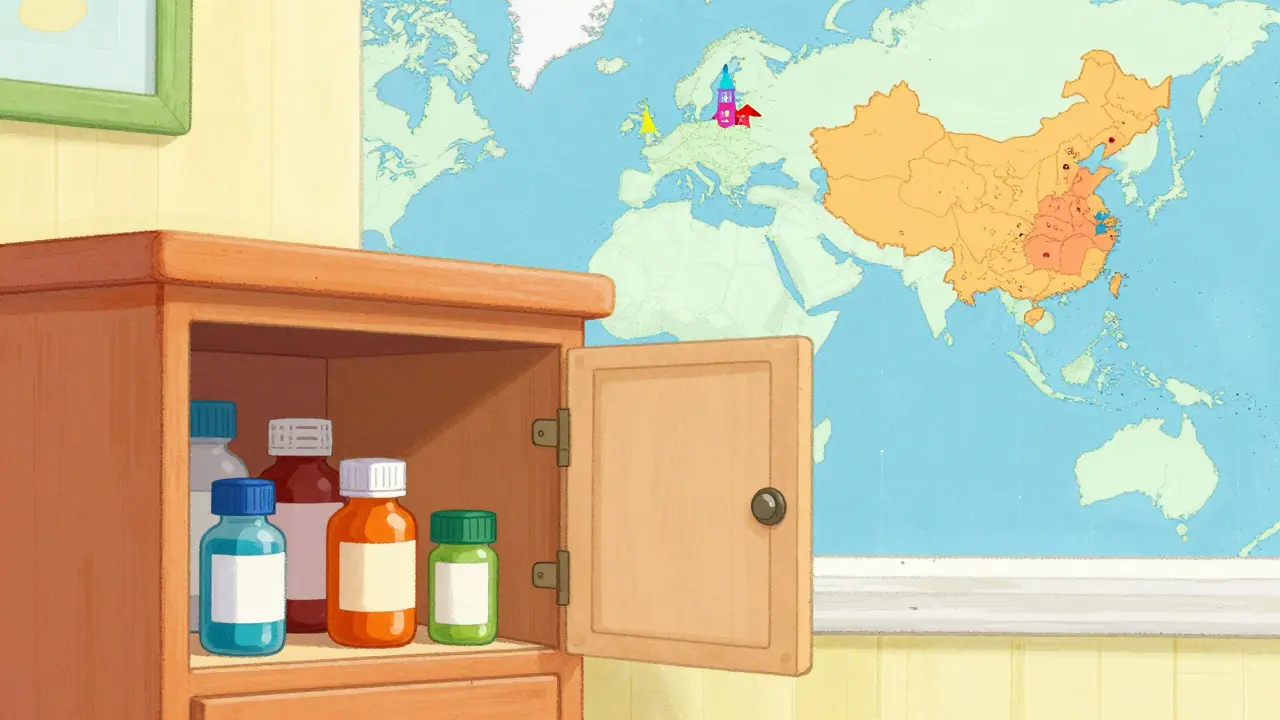
At the heart of this oversight is the FDA is the U.S. Food and Drug Administration, the federal agency responsible for protecting public health by ensuring the safety, efficacy, and security of human and veterinary drugs. To keep generic drugs safe, the agency relies on CGMP (Current Good Manufacturing Practices). These aren't just suggestions; they are mandated standards that require manufacturers to monitor every single production step, conduct rigorous testing during the process, and keep a paper trail that proves nothing was skipped. If a facility fails these standards, they risk fda approval for their products being revoked or facing import bans that can shut down their U.S. business overnight.
The "Double Standard" of Inspections
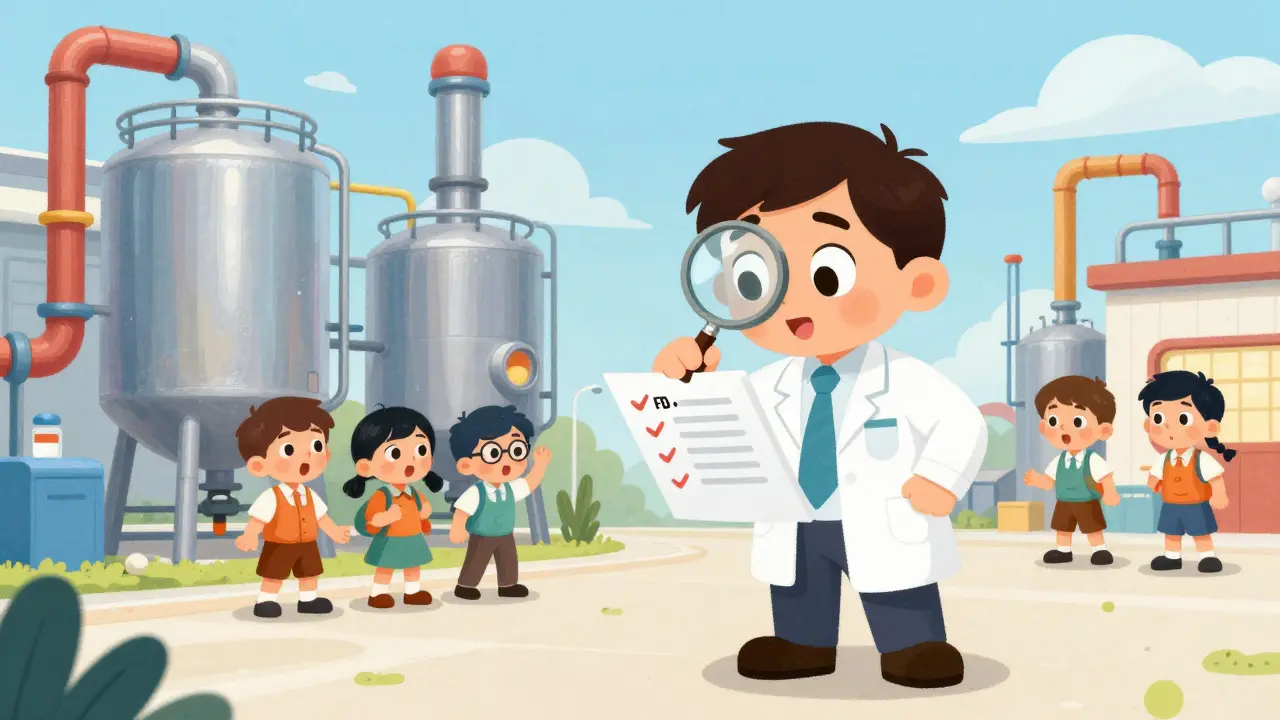
For years, there was a glaring gap in how the FDA handled domestic versus foreign plants. Inside the U.S., inspectors often show up unannounced, catching facilities in their natural state. Overseas, it was a different story. Until recently, foreign facilities typically received 8 to 12 weeks of advance notice. This essentially gave factories a "heads-up" to clean up their acts, hide deficiencies, and polish their paperwork before the inspectors arrived.
The results of this disparity were stark. In 2024, data showed that foreign facilities had a 38.7% violation rate for data integrity issues, while domestic plants sat at 17.2%. Even more concerning, critical contamination control failures appeared in 22.4% of foreign inspections compared to just 9.8% domestically. Because of this, Commissioner Marty Makary pushed for a massive shift in May 2025, moving toward a model where unannounced inspections become the norm, not the exception. The target is to move from roughly 15% unannounced visits to at least 50% by the second quarter of 2026.
| Metric | Domestic Facilities | Foreign Facilities |
|---|---|---|
| Data Integrity Violations | 17.2% | 38.7% |
| Contamination Control Issues | 9.8% | 22.4% |
| Inspection Style | Mostly Unannounced | Historically Notified |
How the FDA Actually Polices Overseas Plants
When an FDA team lands in a foreign city, they aren't just looking at the machinery. They are hunting for evidence of systemic failure. They scrutinize personnel training logs to see if staff actually know how to handle chemicals, check equipment maintenance records to ensure machines aren't leaking or malfunctioning, and review the methods used for quality control testing.
If the inspectors find a problem, they issue a Form 483. This document lists observations of conditions that may violate the Federal Food, Drug, and Cosmetic Act. A Form 483 isn't a final judgment, but it's a serious warning. If the company doesn't fix the issues outlined in the 483, the FDA can issue a Warning Letter or, in extreme cases, place the facility on an "import alert," effectively blocking all their products from entering the U.S. market.
However, the system isn't perfect. There have been high-profile cases where internal friction within the FDA led to safety lapses. In 2025, Senators Kirsten Gillibrand and Tim Scott raised alarms after reports suggested that the Center for Drug Evaluation and Research (CDER) may have overridden safety warnings from the Office of Inspections and Investigations. This means some drugs might have entered the U.S. market even when inspectors flagged the facilities as non-compliant.
Looking at the European Model: A Possible Fix?
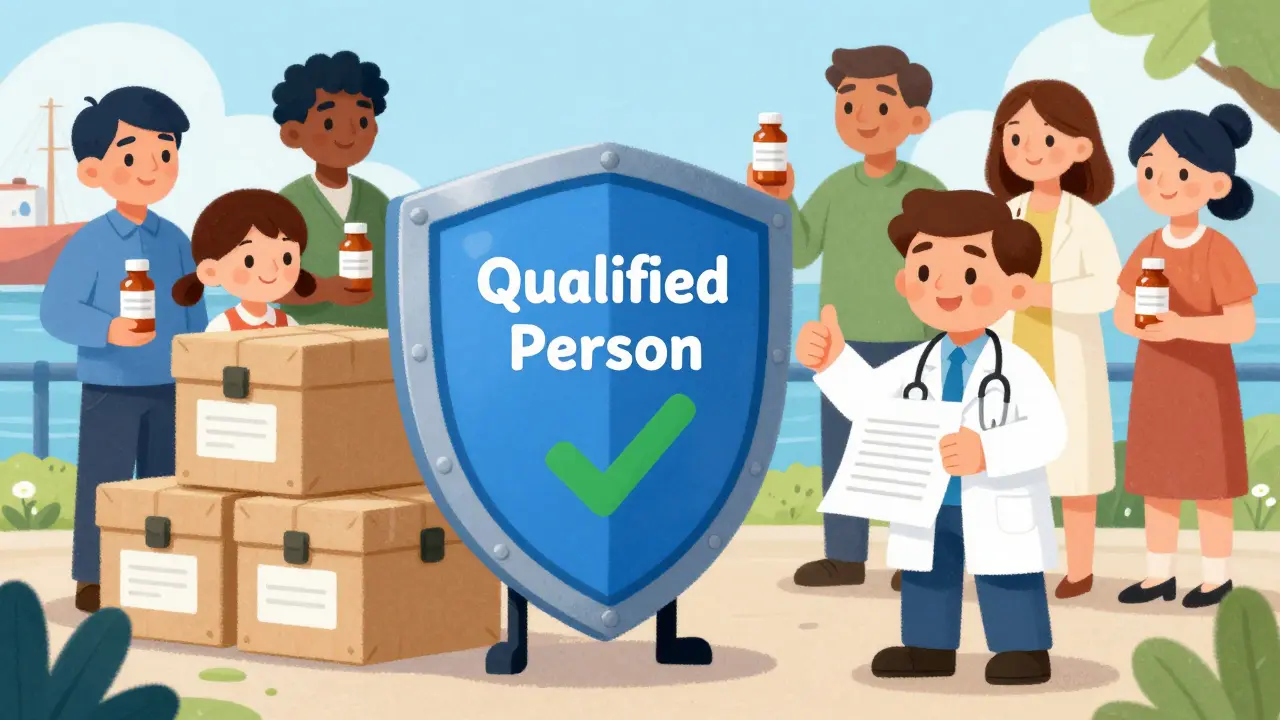
Many experts, including those at the Brookings Institution, argue that the U.S. relies too much on a "trust but verify" system. They point to the European Union's approach as a better alternative. In the EU, every batch of medicine must be certified by a Qualified Person (QP). The QP is a high-level expert physically located in Europe who legally certifies that each specific batch meets GMP standards before it can be released.
Right now, the U.S. system mostly checks the facility, not every single batch. If the U.S. adopted a similar QP model, it would shift the responsibility onto the importers. Instead of the FDA trying to police every corner of India and China, U.S.-based importers would have to designate a qualified individual to vouch for the quality of every shipment. This could potentially cut foreign facility violations by 30% to 40% by adding an extra layer of accountability right at the border.
The Impact on Global Supply Chains
Strict oversight is great for safety, but it creates a delicate balancing act for the economy. Generic drug manufacturing is a $150 billion sector. India and China are the heavy hitters here, with India providing 40% and China providing 13% of the active pharmaceutical ingredients used in the U.S. If the FDA shuts down too many plants too quickly due to the new unannounced inspection regime, we could see a massive drug shortage.
Industry analysts at Evaluate Pharma have warned that this crackdown could disrupt the supply of 15% to 20% of generic drugs in the short term. For a patient, this could mean their pharmacy is suddenly out of a cheap version of a life-saving drug, forcing them to pay for a brand-name alternative they can't afford.
To combat this, the FDA is hiring. By 2026, they plan to add 200 new foreign inspection specialists to increase their international capacity by 40%. They are also leaning on Mutual Recognition Agreements (MRAs), where the FDA shares data with other agencies like the European Medicines Agency (EMA) and Japan's PMDA. If the EMA has already inspected a plant and found it clean, the FDA can use that data to prioritize their own limited resources.
Guide for Foreign Manufacturers: Surviving the New Era
If you're running a facility in an overseas hub, the days of "prepping for the visit" are over. The shift to unannounced inspections means your facility must be "audit-ready" every single day. This requires a cultural shift from reactive cleaning to proactive quality management.
Here is a practical checklist for staying compliant under the new FDA regime:
- Daily Quality Audits: Don't wait for the quarter-end. Run daily checks on contamination control and documentation.
- Quarterly Mock Inspections: Hire external consultants to act as FDA inspectors. Find the holes in your process before the government does.
- Real-time Documentation: Ensure all logs are updated instantly. "Back-dating" or "cleaning up" records is the fastest way to get flagged for data integrity violations.
- Staff Retraining: Train your team on how to interact with investigators. The goal is transparency and immediate access to requested documents.
- Rapid Response Plan: Have a protocol for when inspectors arrive. Under current guidelines, refusing entry can trigger an immediate import alert for all products.
Most facilities find that adapting to this new environment takes about 6 to 9 months of intense preparation. While the Parenteral Drug Association notes that compliance costs may rise by 15% to 25%, this is a small price to pay compared to the total loss of the U.S. market.
Why does the FDA focus so much on India and China?
Because that's where the bulk of the world's generic drug ingredients are made. India provides about 40% and China about 13% of the active pharmaceutical ingredients (APIs) used in U.S. medicines. Since the U.S. relies so heavily on these two countries, any quality failure there has a massive impact on the American healthcare system.
What is a Form 483 and why does it matter?
A Form 483 is an "Inspectional Observation" report. It's issued at the end of an inspection when an FDA investigator finds conditions that may violate CGMP standards. While not a final ban, it's a formal warning that the company must fix specific problems or face more severe penalties like Warning Letters or import bans.
What is a "Qualified Person" in the EU model?
A Qualified Person (QP) is a legal requirement in the EU. They are experts who must personally certify that every single batch of a drug meets the required quality and safety standards before it is released for sale. This adds a layer of individual accountability that the U.S. system currently lacks.
Can the FDA actually stop drugs from entering the U.S.?
Yes. Through "import alerts," the FDA can block products from a specific facility if it is found to be in serious violation of safety standards. If a facility refuses a mandatory inspection, the FDA can also trigger these alerts to protect the public from potentially dangerous medications.
Will these new inspections lead to drug shortages?
There is a real risk. Some analysts suggest that increased inspection frequency and stricter enforcement could disrupt 15-20% of generic drug availability in the short term as non-compliant plants are shut down or forced to pause production for upgrades.
What's Next for Overseas Manufacturing
The transition to a fully transparent, unannounced inspection system is still in progress. For manufacturers, the priority is moving away from "compliance as an event" toward "compliance as a culture." For the FDA, the challenge is scaling their workforce to match the global footprint of the supply chain.
Whether the U.S. eventually adopts the EU's batch-certification model remains to be seen, but the momentum is clearly moving toward stricter, faster, and less predictable oversight. For the average consumer, this means a lower chance of receiving a contaminated drug, provided the government can manage the supply chain without causing critical shortages.
14 Comments
Absolute joke that we rely on these places for 80% of our meds we need to bring all manufacturing back to the US immediately if we want real quality control stop trusting foreign plants that fake their data it is a national security risk and honestly just embarrassing for the FDA
Most plants here are fine. The bad ones get caught
Oh wow, a 12-week heads-up for an inspection. What a shocking, totally not obvious way to let a company hide the moldy walls and fake the logs. I'm sure the FDA's "massive shift" will be totally effective and not just another bureaucratic nightmare that takes ten years to actually implement
You guys are missing the point. The EU model is basic common sense. If you have a person on the line legally responsible for each batch, the risk drops. The US system is just lazy. It's not about "trust" it's about the fact that the US doesn't want to pay for the infrastructure of real oversight. It's a fail
the eu model is just more red tape for the sake of red tape lol. who cares about a "qualified person" when the whole system is rigged anyway. prolly just creates more expensive drugs so the middleman can make more money. its all just a loop of useless regulaions that dont actully fix anyting
it makes me wonder if we value efficiency over existence the drive for cheaper generics is just a mirror of how we treat everything else in the global market speed over soul
Actually, the batch certification model isn't as foolproof as the Brookings people make it sound. You're just shifting the point of failure from the factory to a single person's signature. If that QP is lazy or bribed, you're right back where you started. It's just a different flavor of the same mess
I really hope the new hiring plan works out. Adding 200 specialists sounds like a great step toward making things safer for everyone. It's a bit scary to think about the risks, but it's good to see the government actually trying to fix the gaps
It is truly encouraging to see the FDA moving toward unannounced inspections. This will definitely build more trust in the generic drug supply chain. I believe that with these changes, we will see a significant improvement in overall public health safety
Keep pushing for higher standards! It's a tough transition for the plants but it'll make the industry stronger in the long run. We can do this
I completely agree that we need a culture of quality. For the people working in those plants, it's about pride in their work and keeping patients safe. If we support the transition instead of just punishing failures, the whole global system improves
The focus on India and China is understandable given the volume of production, yet it is imperative that we maintain a spirit of cooperation between agencies. Mutual Recognition Agreements are an excellent way to ensure safety without creating unnecessary trade barriers
The risk of drug shortages is the most concerning part here. If 20% of generics disappear because of a crackdown, people who can't afford brand names are the ones who suffer. We need a transition period that doesn't leave patients stranded. Maybe the US could implement a hybrid of the EU model while ramping up inspections to avoid a total supply chain collapse. It's a complex problem but there has to be a way to balance safety with availability. I'm curious if the FDA has a contingency plan for the most critical medications during this shift. It would be great if they could prioritize the most life-saving drugs first. That way the risk is managed while the broader cleanup happens. Let's hope the 2026 goal is realistic and not just a political target. Communication between the FDA and the importers will be key to making this work without causing a crisis at the pharmacy counter
Oh please, let's talk about the absolute tragedy of our current healthcare system where we're basically gambling our lives on a pill from a factory that treats safety logs like a creative writing project. It is simply abhorrent that the CDER would override safety warnings. Truly a Shakespearean level of incompetence. We are essentially paying for the privilege of being guinea pigs for overseas labs while the bureaucrats in D.C. play musical chairs with our health records. I can't even imagine the level of sheer audacity required to ignore a flagged facility and let the drugs enter the market anyway. It's a disaster, a complete and utter circus, and frankly, the only thing more predictable than the contamination is the government's failure to prevent it. Why are we even pretending this is a functioning system? The sheer scale of this negligence is practically an art form at this point. I'm just sitting here waiting for the next massive recall to hit the news so we can all act shocked for five minutes before it happens again