
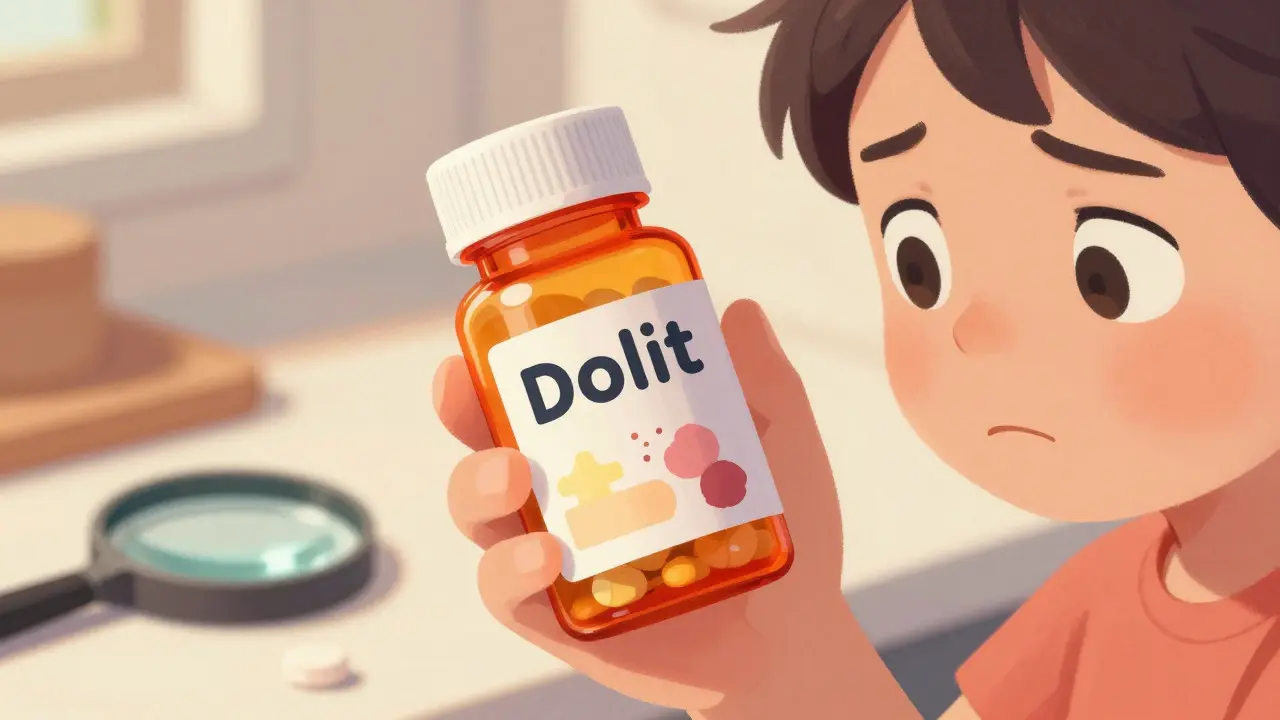
You pick up a new bottle of medication. The price was too good to ignore. But when you open it, the pills look slightly off-maybe the color is wrong, or they crumble in your hand. Is it just a bad batch, or are you holding counterfeit medication that could put your life at risk? This isn't a hypothetical scenario. It’s happening right now, on a massive scale.
Fake drugs aren’t just about losing money; they’re about health and survival. According to the World Health Organization (WHO), substandard and falsified medicines cause hundreds of thousands of deaths annually, particularly from diseases like malaria and pneumonia in developing regions. In developed nations, the threat has shifted toward high-cost specialty drugs and popular treatments for erectile dysfunction, weight loss, and pain management. With the global counterfeit pharmaceutical market estimated at $200 billion annually, knowing how to spot these fakes is no longer optional-it’s essential self-defense.
The Price Trap: When Discounts Are Too Good to Be True
The first and most obvious red flag is often the price. Legitimate pharmaceutical companies operate with tight margins and strict supply chain controls. They rarely discount their products by more than 20% below the standard market rate. If you see a website offering a 50%, 70%, or even 80% discount on brand-name drugs, stop. That is not a sale; it is a trap.
Data from the Drug Enforcement Administration (DEA) supports this intuition. In Operation Press Your Luck, conducted in late 2024, investigators found that counterfeiters rely heavily on aggressive pricing to lure victims. A 2024 analysis by Consumer Reports surveyed over 1,200 adults who bought meds online. The results were stark: websites offering prices 60% below retail had an 87% counterfeit rate. In contrast, sites selling within 20% of the retail price had a negligible 0.3% counterfeit rate. If the deal feels suspicious, it probably is.
- Legitimate Discount: Usually capped at 10-20% via insurance copays or verified coupon programs.
- Counterfeit Signal: Deep discounts (50%+) without requiring insurance verification or prescriptions.
- Red Flag: Prices significantly lower than local pharmacies despite claiming to be "brand name."
Visual Inspection: Packaging and Physical Defects
If the price didn’t raise alarms, the physical product usually will. Counterfeiters are getting better, but they still struggle with precision manufacturing. The FDA’s 2023 database shows that 78% of counterfeit cases are identified through packaging defects alone. You don’t need a lab coat to spot them; you just need a keen eye.
Start with the box and the bottle. Look for spelling errors-they appear in 63% of counterfeit cases. Check for missing or incorrect batch numbers (found in 41% of fakes) and misplaced expiry dates. High-quality printing is expensive. If the text looks pixelated under a magnifying glass, or if the colors seem washed out compared to your previous refill, that’s a major warning sign.
Now, look at the pill itself. Legitimate tablets have precise specifications. They should not vary more than 5% in weight or 2% in diameter. Do they crack when you touch them? Do they have bubbling coatings or look crumbly? These are signs of poor manufacturing quality. Dr. Theresa Michele from the FDA noted that even microscopic differences in embossing patterns can indicate a fake, as legitimate manufacturers use precision tooling that is difficult to replicate.
| Feature | Legitimate Product | Counterfeit Red Flag |
|---|---|---|
| Packaging Print | Crisp, clear, no pixelation | Blurry text, spelling errors, faded colors |
| Batch/Lot Number | Present, matches manufacturer records | Missing, scratched off, or invalid format |
| Tablet Integrity | Smooth, uniform shape, hard shell | Cracked, crumbling, uneven edges |
| Smell/Taste | Mild chemical odor, bitter taste | Strong sweet smell, chalky texture, no taste |
The Online Pharmacy Verification Checklist
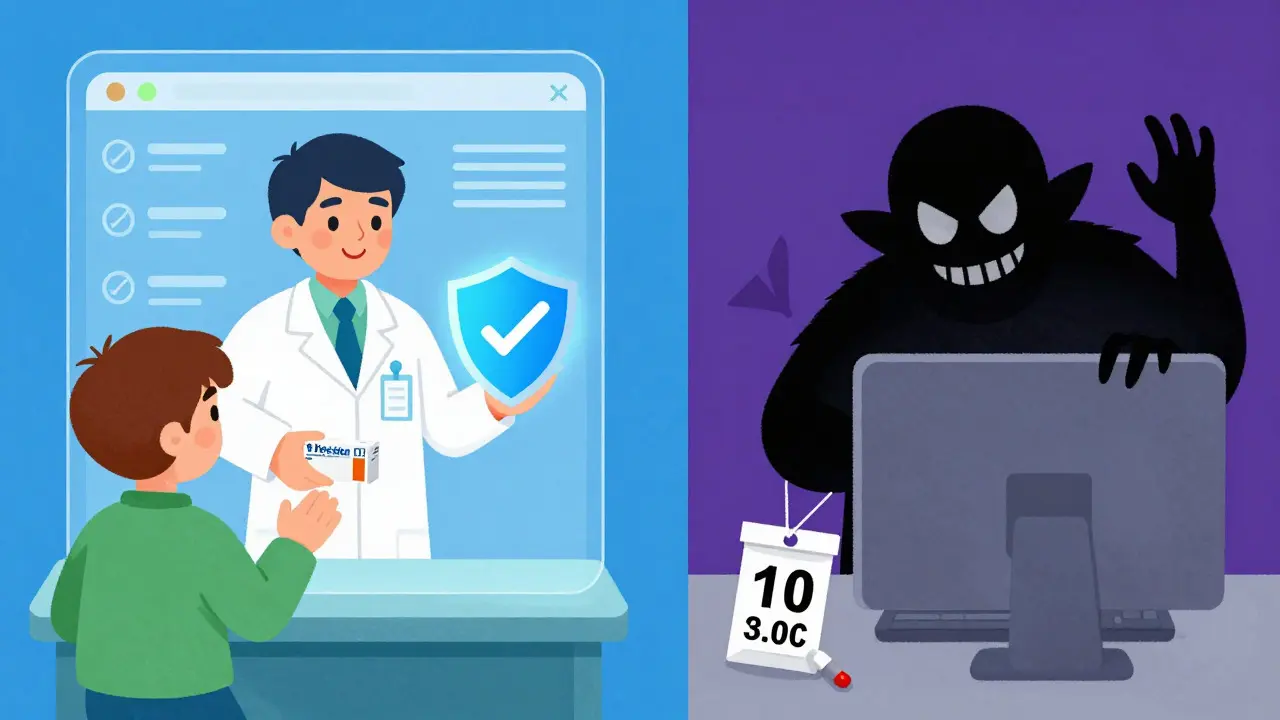
The internet made buying medicine easier, but it also opened the floodgates for fraud. Interpol’s 2024 report identified over 35,000 illegal online pharmacies. How do you tell the real ones from the fakes? It comes down to verification.
First, check the domain. Legitimate online pharmacies in the U.S. often use the .pharmacy domain, which is registered through the National Association of Boards of Pharmacy (NABP). As of early 2025, only about 6,200 sites held this verified status. If a site uses a generic domain like .com or .net but claims to be a major pharmacy, verify it against the NABP’s Verified Internet Pharmacy Practice Sites (VIPPS) list.
Second, look at the prescription requirement. A legitimate pharmacy will always require a valid prescription from a licensed healthcare provider. If a site sells controlled substances or antibiotics without asking for one, it is operating illegally. The FDA notes that 92% of verified counterfeit incidents involve online pharmacies that do not require prescriptions.
- Check the URL: Does it end in .pharmacy? Is it listed on the NABP website?
- Prescription Policy: Do they demand a script? If not, close the tab.
- Contact Info: Do they provide a physical address and phone number? Scammers often hide behind email-only support.
- Privacy Policy: Legitimate sites have clear privacy policies protecting your medical data.
Physical Tests: Solubility and Disintegration
If you already have the medication in hand and suspect it’s fake, you can perform simple at-home tests. While these aren’t definitive laboratory analyses, they can provide strong evidence of tampering or poor quality.
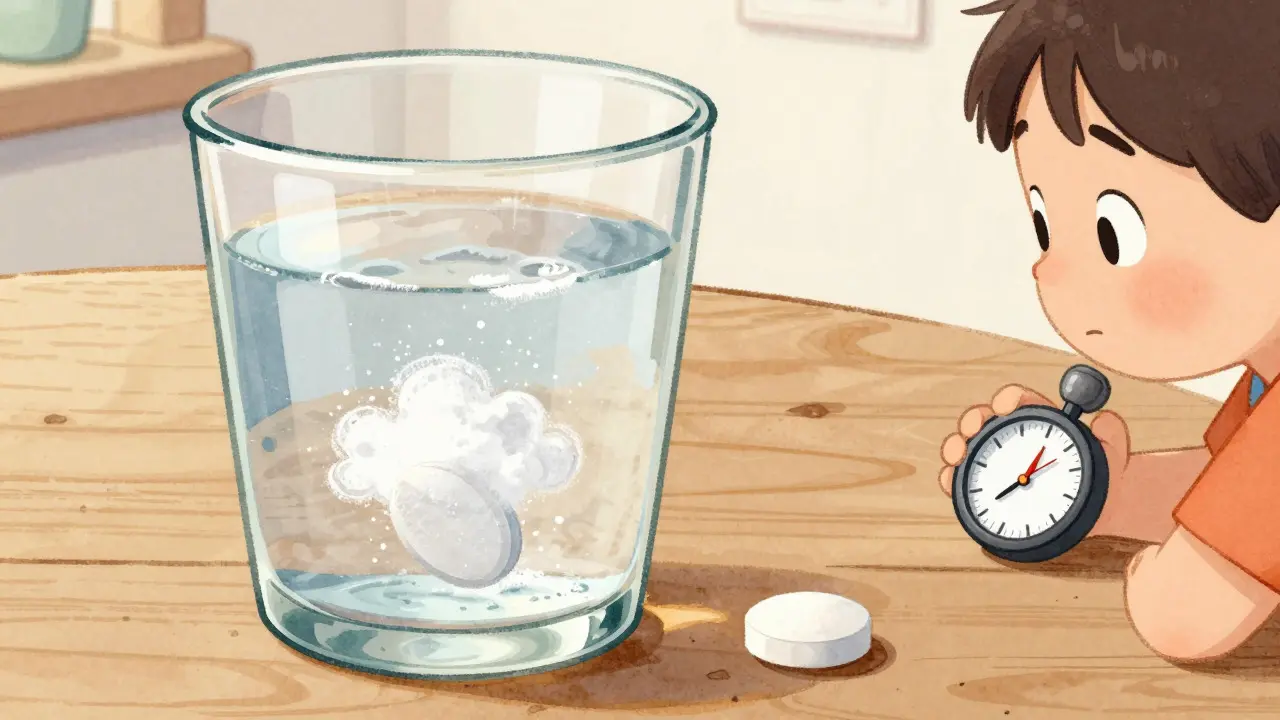
The solubility test is one of the most reliable methods. Take a tablet and place it in a cup of warm water. Agitate it gently. Legitimate tablets are designed to disintegrate slowly, usually taking 30 minutes or more to fully break down. Counterfeit pills, often made with fillers like starch or sugar, may dissolve completely within two minutes. A study published in the *Journal of Pharmaceutical Sciences* found that 98.7% of counterfeit antimalarials failed disintegration testing within 30 minutes, whereas all legitimate products met the standards.
Another clue is the smell and taste. Many patients report that fake medications have a strange sweetness or a chalky aftertaste. In one documented case, patients taking counterfeit metformin experienced severe hypoglycemia because the pills contained glyburide instead. The unexpected side effect was the primary indicator that something was wrong. If your medication makes you feel worse, or causes symptoms you’ve never experienced before, stop taking it immediately and consult your doctor.
Regulatory Tools and Reporting Mechanisms
Governments and manufacturers are fighting back with technology. The Drug Supply Chain Security Act (DSCSA), fully implemented in November 2023, requires electronic tracing of prescription drugs throughout the supply chain. By 2030, full serialization will be mandatory, meaning every package will have a unique identifier that can be scanned to verify its journey from factory to pharmacy.
In the meantime, you can use existing tools. The FDA maintains a National Drug Code Directory that is updated weekly. You can check the NDC code on your bottle to ensure it matches the manufacturer’s records. Additionally, many large manufacturers, like Pfizer, offer online verification portals where you can enter lot numbers. In October 2024, Pfizer’s portal handled nearly 48,000 consumer inquiries, confirming counterfeits in 12.7% of cases.
If you suspect you have a fake drug, report it. The FDA’s MedWatch program allows you to submit reports within 24 hours. This data helps authorities track trends and shut down operations. Don’t assume you’re the only victim. Your report could prevent someone else from getting hurt.
Emerging Threats: Fentanyl and GLP-1 Agonists
The landscape of counterfeit drugs is evolving. Two areas are seeing explosive growth in fakes: opioids and weight-loss drugs. The DEA reported that in 2024, 100% of counterfeit opioid pills seized in certain operations contained fentanyl, sometimes at lethal doses of up to 2.3mg per tablet. These pills are manufactured to match legitimate oxycodone in size, color, and imprint, making visual identification nearly impossible without specialized equipment.
Similarly, the popularity of GLP-1 agonists like Ozempic and Wegovy has attracted counterfeiters. With average monthly costs nearing $1,000, the profit margin is huge. The DEA predicts a 200% increase in counterfeit GLP-1s through 2026. These fakes often lack the active ingredient entirely or contain dangerous contaminants. Because these drugs require cold-chain storage (2-8°C), any product sold without proper temperature documentation should be viewed with extreme skepticism.
Stay vigilant. Trust your instincts. If something feels off about the price, the packaging, or the source, investigate further before you take that first pill. Your health is worth the extra minute of checking.
How can I tell if my online pharmacy is legitimate?
Look for the .pharmacy domain, which is verified by the National Association of Boards of Pharmacy (NABP). Ensure the site requires a valid prescription from a licensed provider and provides a physical address and phone number. Avoid sites that sell controlled substances without a prescription or offer discounts exceeding 20-30%.
What are the most common signs of counterfeit pills?
Common signs include spelling errors on packaging, missing or invalid batch numbers, pills that crumble easily, unusual smells or tastes, and tablets that dissolve too quickly in water. Variations in color, shape, or size compared to previous refills are also major red flags.
Why are counterfeit medications so dangerous?
Counterfeit drugs may contain incorrect ingredients, wrong dosages, or toxic substances like fentanyl. They might lack the active ingredient entirely, rendering them ineffective for treating serious conditions. This can lead to disease progression, severe side effects, or death.
Can I test my medication at home to see if it's fake?
While not definitive, you can perform a solubility test. Place a tablet in warm water and agitate gently. Legitimate pills typically take 30+ minutes to dissolve, while fakes may dissolve in under two minutes. Also, check for physical defects like cracking or crumbling.
Where can I report suspected counterfeit drugs?
You can report suspected counterfeit medications to the FDA via the MedWatch program. You can also contact your local pharmacist or the manufacturer directly using their verification hotlines or online portals.
Are expensive drugs more likely to be counterfeited?
Yes. High-cost specialty pharmaceuticals, such as cancer treatments, biologics, and popular weight-loss drugs like Ozempic, are prime targets due to the significant profit margins. However, common drugs like antibiotics and painkillers are also frequently counterfeited.
What is the DSCSA and how does it help?
The Drug Supply Chain Security Act (DSCSA) mandates electronic tracking of prescription drugs from manufacturer to dispenser. This system aims to prevent counterfeit products from entering the legitimate supply chain by ensuring every package has a verifiable history.
Is it safe to buy medications from international online pharmacies?
Buying from unverified international sites carries high risks. Many operate outside regulatory oversight. Always verify if the site is approved by your country’s health authority (e.g., FDA in the US, MHRA in the UK) and look for recognized accreditation seals like VIPPS.