


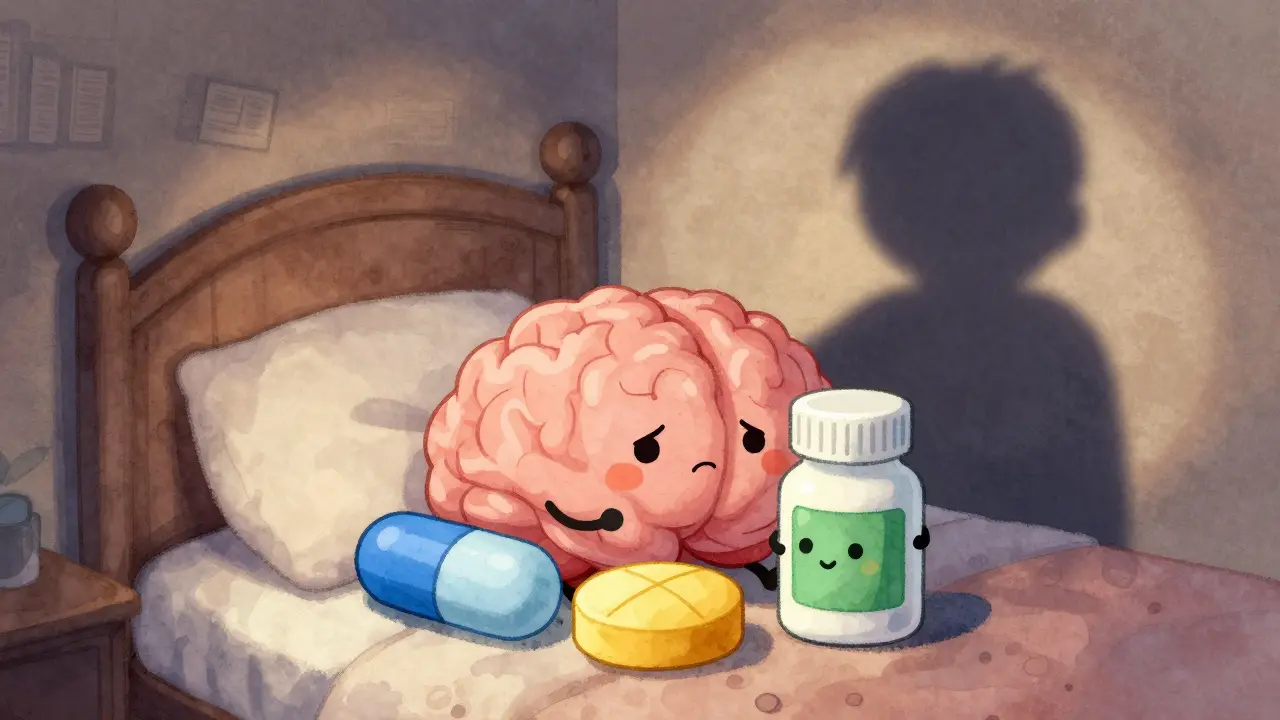
Imagine you are taking a prescription for sleep, another for anxiety, and perhaps an over-the-counter cold remedy. You might think you are just treating different symptoms, but your brain is seeing something very different. When multiple sedating medications mix in your system, they do not simply add up; they multiply their effects. This phenomenon, known as synergistic depression of the central nervous system (CNS), can turn a routine dose into a life-threatening event within minutes.
This is not just theoretical. In 2020, approximately 16% of overdose deaths involving opioids also involved benzodiazepines, according to the Centers for Disease Control and Prevention (CDC). The danger lies in how these drugs interact at a cellular level, often without obvious warning signs until it is too late. Understanding these risks is critical for anyone managing chronic pain, anxiety, or insomnia.
What exactly are sedating medications?
Sedating medications, or CNS depressants, include opioids, benzodiazepines, sleep aids (like zolpidem/Ambien), certain antidepressants, antihistamines, and muscle relaxants. They all work by slowing down brain activity, primarily by enhancing the effect of gamma-aminobutyric acid (GABA), a neurotransmitter that inhibits neural firing.
How Drug Interactions Multiply Risk
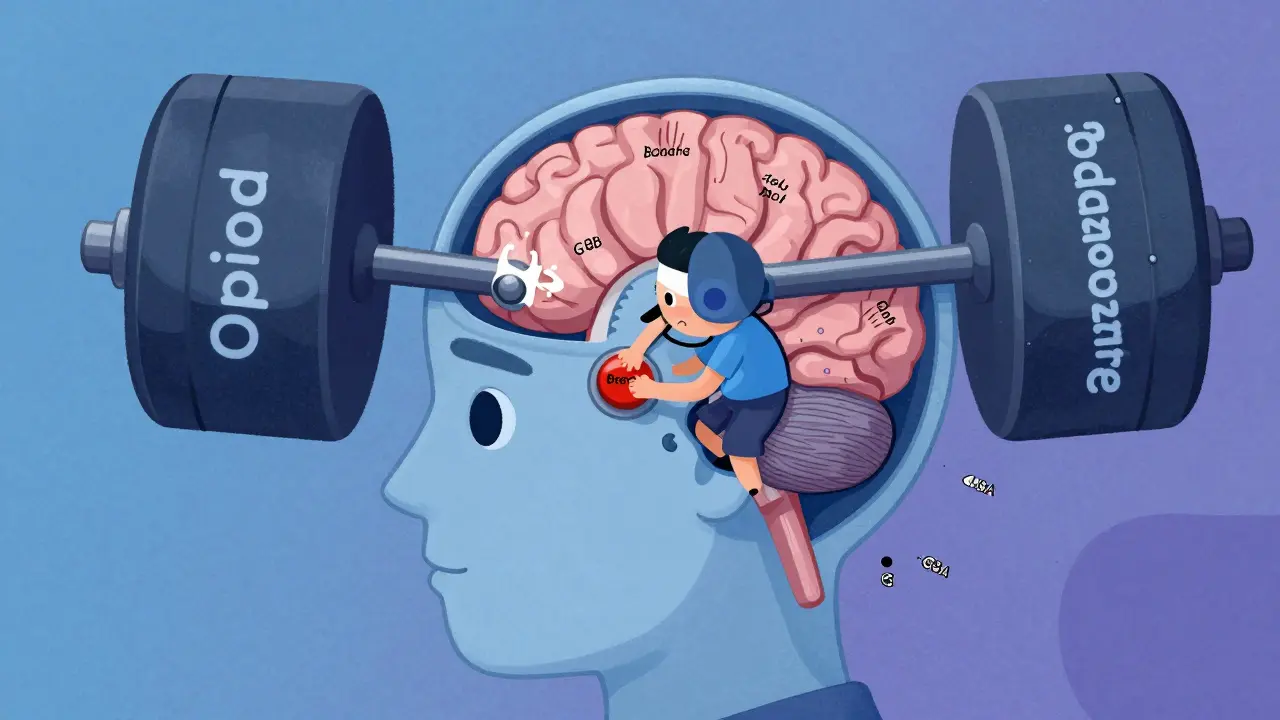
To understand why combining these drugs is so dangerous, we need to look at how they affect your body. Most sedatives target the GABA receptors in your brain. Think of GABA as your brain’s brake pedal. One sedative presses the brake lightly. A second sedative does not just press it a little more; it slams on the brakes while simultaneously cutting the engine’s power.
This creates a synergistic effect, where the combined impact is greater than the sum of individual parts. For instance, research published in JAMA Internal Medicine found that patients taking both opioids and benzodiazepines had a 154% higher risk of overdose compared to those taking opioids alone. The odds ratio was 2.54, meaning the risk more than doubled.
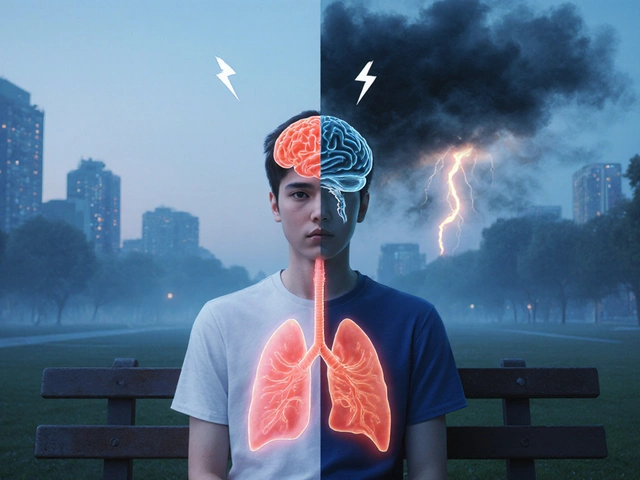
The physiological mechanism is specific. Opioids depress the brainstem’s respiratory centers-the part of your brain that tells your lungs to breathe. Benzodiazepines enhance GABAergic inhibition, which further suppresses this drive. When combined, they can reduce your respiratory rate below 8 breaths per minute, causing oxygen saturation to drop dangerously below 90%. This is not just about feeling sleepy; it is about your body forgetting to breathe.
Dangerous Combinations to Avoid
Not all combinations carry the same level of risk, but several are particularly lethal. It is vital to know which pairs are considered high-risk by medical experts.
- Opioids + Benzodiazepines: This is the most deadly combination. UCLA Health reports that these two account for approximately 30% of all prescription medication-related deaths. The hazard ratio for fatal overdose with current benzodiazepine prescriptions alongside opioids is 3.86.
- Alcohol + Sedatives: Alcohol is a potent CNS depressant. Combining just two standard drinks with therapeutic doses of zolpidem (Ambien) can reduce reaction time by 70%, compared to 40% with either substance alone. This unpredictability makes falls and accidents highly likely.
- SSRIs + MAOIs: While not always "sedating" in the traditional sense, combining Selective Serotonin Reuptake Inhibitors (SSRIs) with Monoamine Oxidase Inhibitors (MAOIs) can cause serotonin syndrome. This condition occurs in 14-16% of such cases and involves excessive serotonergic activity, leading to agitation, high fever, and seizures.
- Antihistamines + Sleep Aids: Over-the-counter allergy meds like diphenhydramine (Benadryl) combined with prescription sleep aids can lead to severe confusion and prolonged sedation, especially in older adults.
| Combination | Primary Risk | Risk Multiplier / Statistic |
|---|---|---|
| Opioids + Benzodiazepines | Respiratory Depression & Death | 154% higher overdose risk (OR 2.54) |
| Alcohol + Zolpidem (Ambien) | Impaired Reaction Time & Falls | 70% reduction in reaction time |
| Corticosteroids + NSAIDs | Gastrointestinal Bleeding | 3.6x higher bleeding risk (OR 3.6) |
| SSRIs + MAOIs | Serotonin Syndrome | 14-16% occurrence rate in mixed cases |
Warning Signs: When to Seek Emergency Help
Recognizing the early signs of adverse drug events can save a life. If you or someone else has taken multiple sedating medications, watch for these specific red flags. These are not minor side effects; they are indicators of systemic failure.
- Respiratory Rate Below 12: Count the breaths per minute. If it drops below 12, and especially if it goes below 8, call emergency services immediately. Shallow breathing or gurgling sounds are critical warnings.
- Unresponsiveness: If the person cannot be woken up by shouting or shaking, this is a medical emergency. Do not wait to see if they "sleep it off."
- Blue-Tinged Lips or Fingertips: This indicates hypoxia, meaning the blood is not carrying enough oxygen. It is a late sign and requires immediate intervention.
- Prolonged Confusion or Blackouts: Users have reported "blackout periods" lasting 6-12 hours when mixing alcohol with sleep meds. If someone appears confused, disoriented, or unable to form memories after taking medication, seek help.
Dr. Janet Woodcock, former FDA Director, emphasized that the combined use of opioids and benzodiazepines "substantially increases the risk of serious adverse outcomes, including death." Ignoring these signs can have fatal consequences.
Who Is Most at Risk?
While anyone can experience dangerous interactions, certain groups face significantly higher risks due to physiological changes or lifestyle factors.
Older Adults: As we age, our bodies metabolize drugs more slowly. The American Geriatrics Society Beers Criteria® lists 53 medication combinations to avoid in older adults, 19 of which involve sedating medications. For seniors, the risk of falls increases by 50% when taking these combos. Dr. George Ashkar from UCLA Health warns that symptoms affecting balance or mental sharpness are particularly dangerous for this demographic.
Patients with "Doctor Shopping": Data from Recovery Village shows that 42% of patients who overdosed on combined sedatives had obtained prescriptions from three or more different physicians within six months. Without a centralized record, doctors may not realize a patient is already taking a conflicting medication elsewhere.
Those Using Alcohol: Even moderate drinking can amplify sedative effects. The unpredictability of alcohol metabolism means that what was safe last night might be dangerous tonight.
Strategies for Safe Medication Management
You do not have to navigate this alone. There are practical steps you can take to minimize risks and ensure your care team is aware of your full regimen.
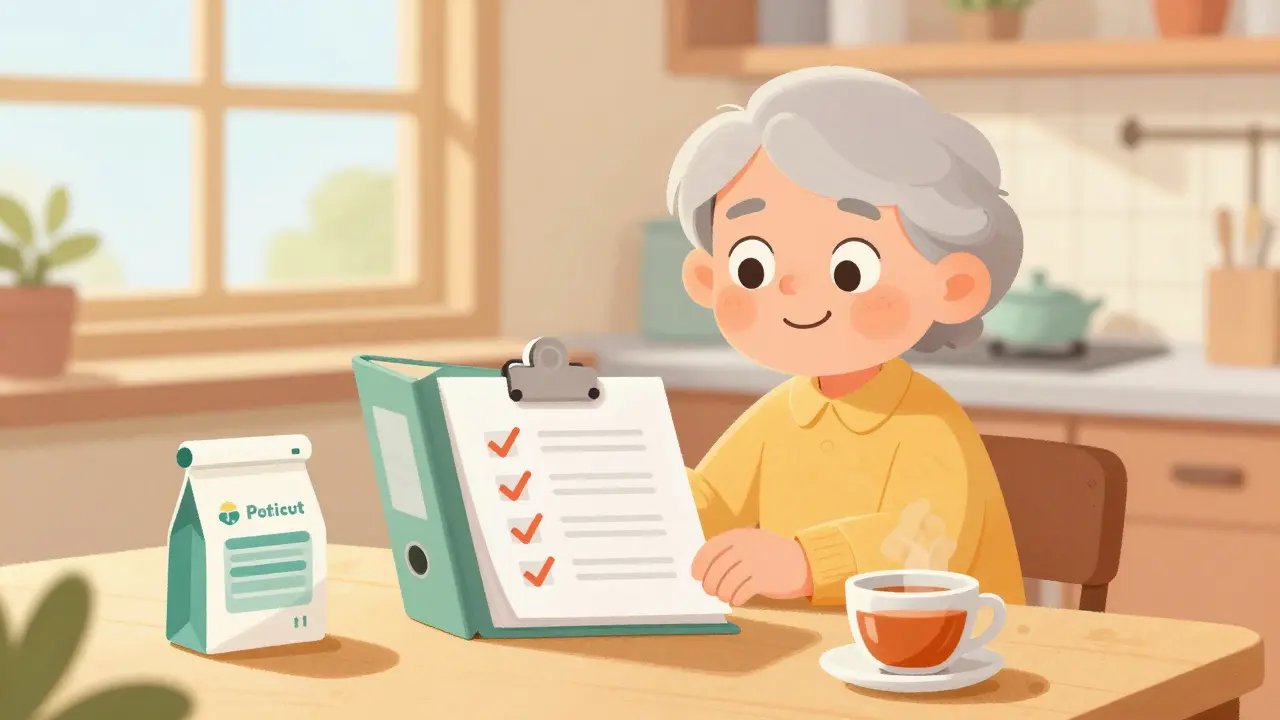
1. Maintain a Master Medication List
Keep an updated list of every substance you take, including prescription drugs, over-the-counter remedies, supplements, and herbal products. Share this list with every healthcare provider you visit. Many adverse events occur because specialists prescribe new meds without knowing what primary care doctors have already prescribed.
2. Request Regular Medication Reviews
If you are over 65 or take three or more sedating medications, ask for a comprehensive medication review every three months. The START (Screening Tool of Older Person's Prescriptions) criteria recommend reassessing regimens within 30 days if new sedatives are added. Use tools like the FDA-approved DETERMINE platform, which uses AI to predict interaction risks with high accuracy.
3. Understand Tapering Protocols
Never stop sedating medications abruptly. Safe tapering typically involves reducing one medication by 10-25% every 1-2 weeks under medical supervision. The Beers Criteria recommends no more than 5mg daily diazepam equivalent for patients over 65. Sudden cessation can lead to withdrawal seizures or rebound anxiety.
4. Utilize Pharmacy Checks
Use a single pharmacy for all your prescriptions. Pharmacists have access to software that flags potential interactions. However, be aware that a 2020 study found only 17.3% of potentially dangerous sedative combinations triggered appropriate alerts in major Electronic Health Record (EHR) systems. Do not rely solely on technology; ask questions.
Regulatory Landscape and Future Trends
The medical community is increasingly aware of these risks. The SUPPORT Act of 2018 mandated that Medicare Part D plans implement opioid management programs that include benzodiazepine interaction screening. Additionally, the CDC’s 2022 Clinical Practice Guideline specifically recommends against concurrent prescribing of opioids and benzodiazepines except in limited circumstances with enhanced monitoring.
Technological advancements are also helping. The Electronic Prescribing for Controlled Substances (EPCS) mandate, implemented in all 50 states by 2023, includes cross-checking for dangerous combinations. Yet, challenges remain. The Government Accountability Office reported in May 2023 that only 28% of primary care providers consistently screen for these interactions. Cost is also a barrier; alternative non-sedating medications can cost $450-$600 monthly versus $15-$30 for many sedatives, creating disparities in access to safer options.
Frequently Asked Questions
Can I drink alcohol if I am taking a sedative?
No. Alcohol is a CNS depressant and will amplify the effects of any sedating medication. Even small amounts can lead to severe respiratory depression, blackouts, or loss of motor control. It is safest to avoid alcohol entirely while taking these drugs.
How long should I wait between taking different sedatives?
There is no universal "safe" waiting period because half-lives vary by drug and individual metabolism. However, for switching between SSRIs and MAOIs, the FDA mandates a 14-day washout period to prevent serotonin syndrome. Always consult your doctor for specific timing advice regarding other combinations.
What is serotonin syndrome?
Serotonin syndrome is a potentially life-threatening condition caused by excessive serotonergic activity. It often results from combining drugs like SSRIs and MAOIs. Symptoms include agitation, confusion, rapid heart rate, high blood pressure, dilated pupils, and muscle rigidity. It requires immediate medical attention.
Why are older adults at higher risk?
Older adults have slower metabolic rates and reduced kidney/liver function, causing drugs to stay in the system longer. They are also more sensitive to the effects of GABA-enhancing drugs, leading to a 50% increased risk of falls and fractures when taking sedative combinations.
Can my pharmacist detect dangerous interactions?
Yes, pharmacists are trained to spot interactions. By using a single pharmacy, you ensure your pharmacist has a complete view of your prescriptions. However, do not assume the software catches everything; verbally confirm with your pharmacist if you are starting a new sedating medication.