

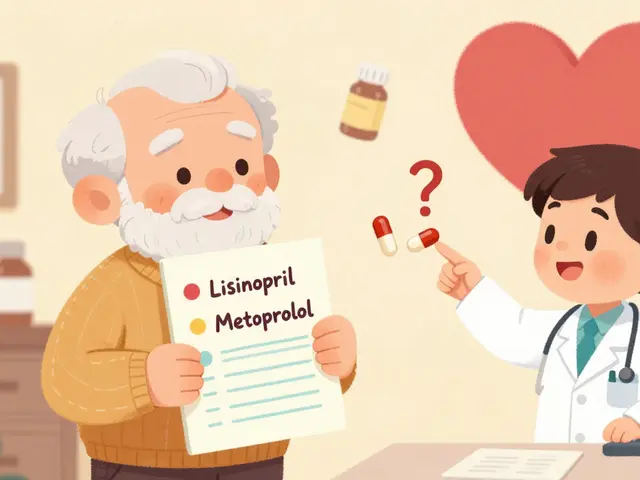


Flying with prescription medications shouldn't be stressful, but the security line often feels like a minefield. You worry about your insulin getting confiscated, your inhaler being flagged, or your cold medicine spilling in a plastic bag. It's enough to make you skip doses before your trip. The good news is that the Transportation Security Administration has clear, stable rules designed to keep you healthy while maintaining safety. Knowing exactly what is allowed and how to pack it saves you time and prevents heartburn at the checkpoint.
TSA allows passengers to bring all forms of FDA-approved medicines through security checkpoints without quantitative restrictions. This means you don't have to limit yourself to a 3-day supply just because you're traveling light. The guidelines, maintained by the U.S. Department of Homeland Security, distinguish medical necessities from general consumer goods. When you understand how these protocols work, you can move through the scanner with confidence rather than fear.Liquid Medications and the 3-1-1 Rule Exemption
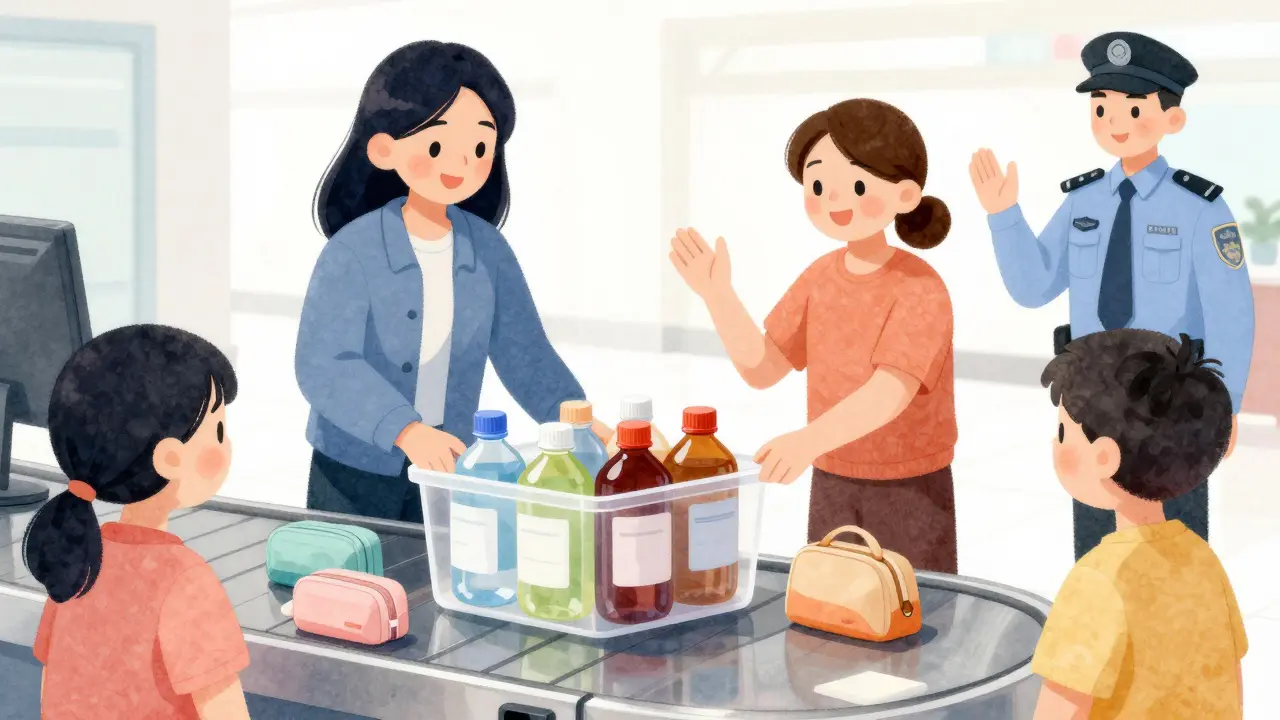
The biggest source of confusion for travelers involves liquids. Most passengers know the 3-1-1 rule: containers must be 3.4 ounces or less, fit in a single quart-sized bag, and one bag per person. However, medically necessary liquid medications are completely exempt from this restriction. You can bring large bottles of cough syrup, saline solutions for contact lenses, or even a gallon of juice mixed with antibiotics for a child without putting them in that small plastic baggie.
While you are exempt from the volume limit, the process at the checkpoint requires a small adjustment. You cannot just dump your liquids into the bin and walk away. The security officer needs to screen them separately. This means removing your liquid medications from your carry-on bag and placing them in a dedicated bin when you reach the X-ray machine. Declare these items immediately upon arrival at the belt. If the bottle looks like standard shampoo, officers will likely inspect it to confirm its contents.
This exemption covers everything from pre-filled insulin pens to oral suspensions. There is no cap on the size of the container, provided it is declared as medication. Some frequent flyers forget this nuance and end up throwing away essential syrups because they tried to sneak them into their toiletry kit. Separating them upfront speeds up the whole process for everyone.
Proper Packaging and Labeling
A common myth suggests you must keep medications in their original pharmacy-labeled boxes to pass security. While highly recommended, TSA does not strictly require the original container for domestic flights. You can transfer pills to smaller travel organizers if you prefer compact packing. However, doing so removes the visual proof of ownership and dosage, which creates risks later.
Original bottles serve two critical purposes during international travel and customs entry. First, the label matches the government-issued identification (ID) you present. Data from airline medical advisory teams shows that roughly 78% of medication-related delays stem from name mismatches between the prescription label and your ID card. Even a minor difference, like a missing middle initial, can trigger a verification delay. Second, foreign customs officers are much stricter than domestic TSA agents. They often demand the original labeling to verify the drug isn't contraband.
To minimize friction, pack your medications in their original blister packs or bottles whenever possible. For long trips where space is tight, carry a photocopy or digital photo of the prescription label in case you run into officials who demand proof beyond the pill itself. Keeping the packaging intact also ensures that any emergency medical personnel at your destination can identify what you take.
Carry-On Versus Checked Baggage Policy
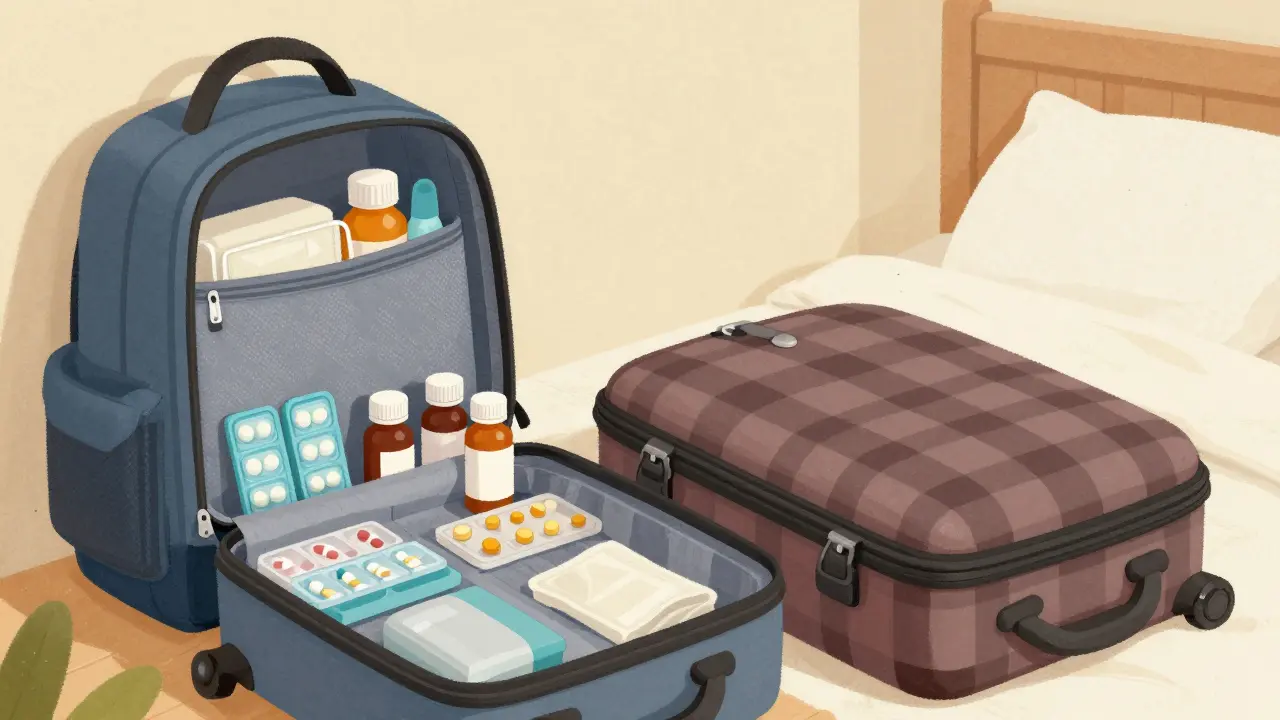
You've likely heard conflicting advice about where to stash your meds. Some airlines suggest checking luggage for bulkier items, but aviation safety experts overwhelmingly advise keeping all medications in your carry-on baggage. There are three primary reasons for this strict recommendation.
- Accessibility: If you get delayed or lose your checked luggage, your life-sustaining drugs are gone. Carrying them keeps them in your immediate control.
- Temperature Stability: Cargo holds are often unpressurized and experience extreme temperatures that can ruin sensitive biologics, vaccines, or insulin. Cabin temperature is regulated.
- Theft Prevention: Unattended luggage is vulnerable. High-demand drugs like opioids are frequently targets for theft in transit hubs.
Airlines like United explicitly state in their policies: "Never place medication in a checked bag, even if you don't need it during the flight." If you have a massive amount of non-perishable vitamins or daily supplements, those can technically go in checked bags, but your daily maintenance regimen belongs in your cabin bag. If you have a large cooler or specialized medical device, notify the staff immediately.
CBD Products and Controlled Substances
This is the trickiest section of the guidelines and where travelers face the most legal risk. Despite many states legalizing marijuana for medicinal use, it remains a controlled substance under federal law. Consequently, transporting medical marijuana is prohibited on any flight departing from or arriving in the United States. This ban applies to both carry-on and checked luggage regardless of where you are flying from.
There is a narrow exception for Cannabidiol (CBD) oil products. You can transport CBD if it contains no more than 0.3% tetrahydrocannabinol (THC) on a dry weight basis. Anything exceeding that threshold is treated as illegal hemp oil or marijuana. The issue arises because labeling isn't always accurate. A GAO report noted that thousands of compliant CBD bottles were confiscated in the last fiscal year simply because officers couldn't verify the THC content via visual inspection.
If you travel with CBD, ensure the manufacturer's certificate of analysis is available on your phone to show proof of compliance. However, even with proof, the decision lies with the individual officer. To play it safe, consider purchasing compliant topical creams at your destination instead of risking confiscation at the border. For Schedule II-V controlled substances like Adderall or Xanax, ensure your prescription matches your ID perfectly, as scrutiny is higher for these specific drug classes.
International Travel Considerations
Passing through TSA gets you on the plane, but landing abroad triggers different regulations handled by Customs and Border Protection (CBP) and the destination country's government. Just because TSA lets you through doesn't mean Japan, Dubai, or Brazil will allow you to keep the pills.
When entering the United States, CBP generally recommends travelers carry no more than a 90-day supply of medication. Bringing a six-month stockpile can raise red flags suggesting you intend to import drugs commercially. If you need longer, specific documentation explaining your medical necessity becomes mandatory. Conversely, when leaving the U.S., you must verify the laws of the country you are visiting. Nations like Thailand and Singapore are particularly strict regarding stimulants and sedatives that are standard prescription drugs here.
Dr. Jane Chen, a leading travel medicine specialist, notes that travelers attempting to cross borders without verifying local regulations face the risk of arrest. Before you book tickets, visit the embassy website of your destination. Download a copy of their restricted medication list. Always carry a letter from your physician explaining your condition and dosage for each drug you possess, signed and dated within the last year.
Screening Special Medical Devices
If you rely on equipment like continuous glucose monitors (CGMs) or insulin pumps, you qualify for special handling procedures. These devices contain electronics that can be damaged by X-rays. You should request a visual inspection of the device and its reservoirs before passing through the body scanner.
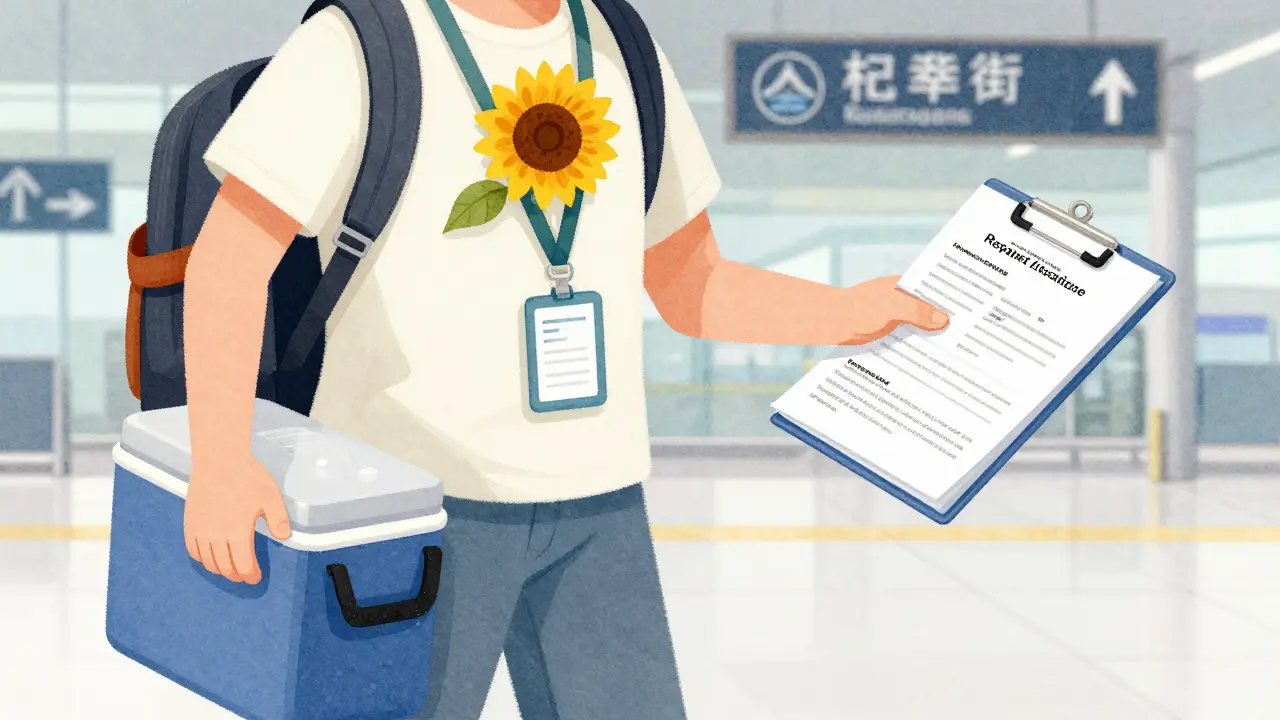
Most airports now participate in the Sunflower Lanyard Program. If you have a hidden disability, such as mobility issues or a medical condition that makes security interactions difficult, wearing a sunflower lanyard discreetly signals staff to offer extra patience and assistance. Additionally, TSA PreCheck members benefit from enhanced processing; approximately 28 million members can keep medications in their bags without removal during standard screening, significantly cutting down wait times.
Can I bring liquid medicine in my carry-on?
Yes, liquid medications are exempt from the standard 3-1-1 liquid rule. You may bring reasonable quantities for your trip, but you must declare them to the officer and separate them from your toiletry bag for screening.
Do I need a doctor's note for pills?
For domestic flights, TSA does not require a doctor's note. However, carrying a prescription or ID-matching label is strongly advised to avoid delays. International travel almost always requires a letter for larger quantities or controlled substances.
Is medical marijuana allowed on planes?
No. Medical marijuana remains illegal under federal law and is prohibited in both carry-on and checked luggage on all flights, regardless of state legalization.
Should I put ice packs in my bag?
Ice packs are allowed only if they are completely frozen. If they are slushy or partially melted, officers may consider them liquids subject to the 3-1-1 rule, which could result in confiscation.
How do I handle international customs?
Always check the specific entry requirements for your destination country. Bring no more than a 90-day supply into the U.S. and carry a physician's letter for all medications entering other countries.
14 Comments
I read through this carefully and wanted to share my own experience helping friends navigate this last year. It is so much less stressful when you pack your meds right. Having everything organized saves everyone at the checkpoint a lot of time too. You really shouldn't worry about being detained as long as you follow these rules. Just keep the documentation handy in case anyone asks for it later. Most people forget to separate the liquids which causes the bottleneck every day. Being proactive makes the whole security line move faster for us all. We should all support each other by staying informed on these regulations. Knowing the difference between TSA and customs is key for international trips specifically.
Ppl alwasys thnk thet the rules r flexible but they arnt. Yu ned t bring the origlnl bottes bcs offcers cnt tell pills fr shooze. Dint trust nyone sng y cn sneak meds in a pila box. They wil stop u and confisckat evrthing if the label does nt match ur ID. Stupid travelers waste time argung abou this instead f preparg propery. Yur health is up t u so take respnsibilty.
Sure, follow the rules until the agent decides your insulin looks suspicious. Then you spend forty minutes arguing while your blood sugar drops. Enjoy your trip back home while you're stuck in limbo at the airport. They love telling people how easy it is while holding your life supply hostage. It works out fine for them since they never actually fly with prescriptions.
Most people overthink the TSA process unnecessarily.
The deep state doesn't want you knowing how the x-ray machine really works on your medicine. They claim it's for safety but they scan biologicals for data points. Why do they need to declare everything separately anyway. It creates a digital footprint of every illness you suffer from constantly. Keep your CBD hidden or you become a statistic in their database forever.
We built the safest airports in the entire world here! 🇺🇸🇺🇸 If they flag something then you were probably trying to smuggle something illegal into America. Stop complaining about our heroes doing their jobs properly 👮♀️ They protect us from the bad people everywhere else. Love USA!
The ontological necessity of maintaining pharmaceutical continuity transcends mere bureaucratic procedure. One must consider the philosophical implications of having one's existence contingent upon external regulatory frameworks. When the individual becomes subordinate to the system the agency of the patient is compromised entirely. We operate under the assumption that the TSA represents the highest authority on mobility yet history shows otherwise.
This is confusing. TSA is mean.
It is really great to see people sharing these tips because many passengers suffer needlessly. I have worked in aviation security for fifteen years before moving to consulting. You will find that agents get tired after hours of scanning bags without breaks. They need visual confirmation that you know what you are carrying. Keep your bottles in clear plastic bags even if not required for liquids. This makes it easier for them to see through without touching your items. Temperature control is a huge factor when flying in winter months especially. Insulin pumps often malfunction if exposed to freezing cold cargo holds. Never take the risk of checking luggage with vital medications inside. Customs officers have different mandates than domestic security personnel. Their primary goal is stopping drug trafficking across borders effectively. A doctor letter helps smooth the process significantly during inspections. Digital copies work sometimes but printed paper is always better legally. Patience goes a long way when dealing with any government official abroad. Just remember safety comes first above all else during travel preparations.
Oh darling, how adorable that someone thinks a generic doctor note actually carries weight. Real professionals know that paperwork is just another form of begging for permission. We live in such quaint times where compliance matters more than capability. But please continue waving those letters around like magic wands for the gatekeepers. It suits the aesthetic of the modern passenger perfectly.
Tell everyone to check the embassy site early. Laws change fast now days. Bring proof always.
In India we face similar challenges when returning from the United States. The customs there are extremely strict regarding psychotropic substances. My family member was detained briefly last year due to missing labels on medication boxes. Understanding local laws is absolutely essential before departure. Everyone should respect the sovereign rules of the destination country fully.
Rules are just illusions designed to make us feel safe while the real danger hides elsewhere. The bottle does not matter as much as the intent of the traveler. Security theater dominates the experience completely today. Nothing truly changes despite all these new protocols introduced annually.
Optimism is the best strategy for any challenging situation involving travel logistics. We can achieve peace of mind by adhering to established guidelines consistently. Please ensure your documents are valid and current prior to departure. Confidence in the system helps maintain order within the terminal environment.