



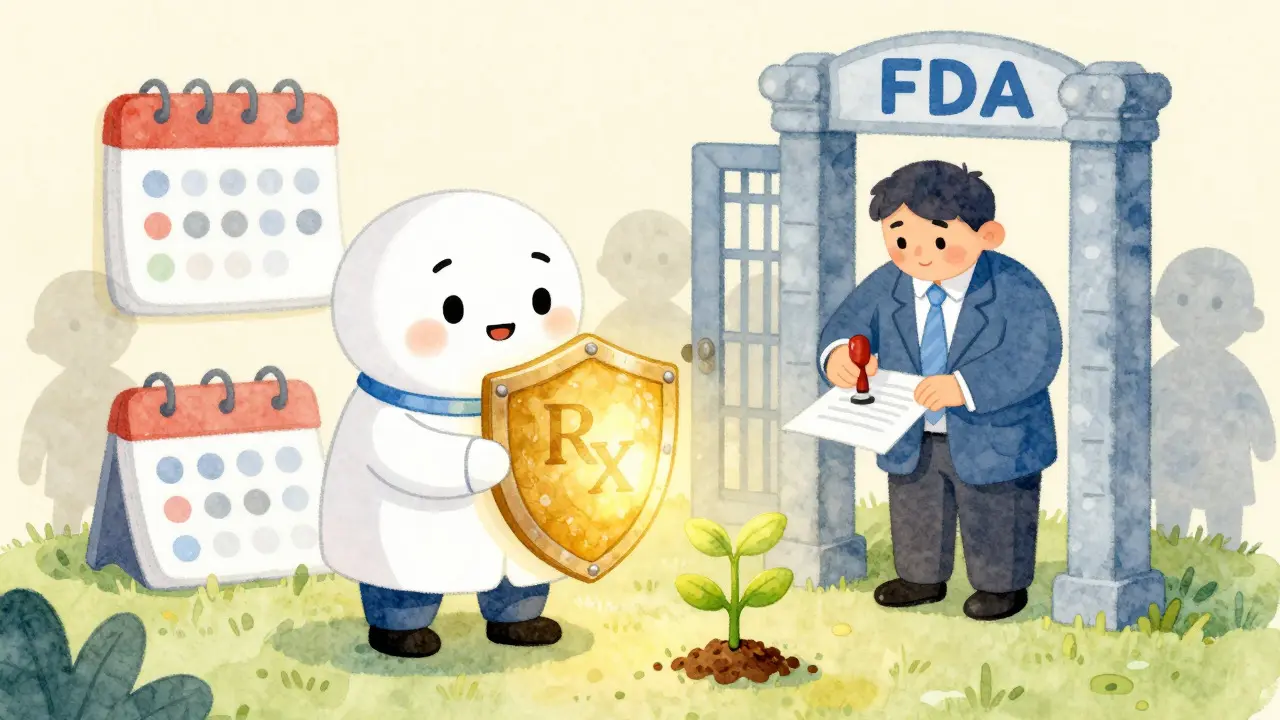
Imagine spending billions of dollars and over a decade developing a life-saving medication, only to have your patent expire before the government even approves it for sale. That was the harsh reality for pharmaceutical companies in the early 1980s. To fix this imbalance, governments created regulatory exclusivity, a non-patent market protection that guarantees innovators a period of sole access to the market once their drug is approved. This mechanism operates independently from traditional intellectual property rights, creating a unique legal shield that prevents generic competitors from entering the market, regardless of patent status.
Unlike patents, which protect specific inventions and require active enforcement through litigation, regulatory exclusivity is automatic. It attaches to the drug product itself upon approval by agencies like the Food and Drug Administration (FDA). This distinction is critical because it ensures that the time spent waiting for regulatory review does not eat away at a company’s commercial window. For developers of complex biologics or rare disease treatments, this protection is often the difference between recouping research costs and facing immediate competition.
The Foundation: Hatch-Waxman and Orphan Drug Acts
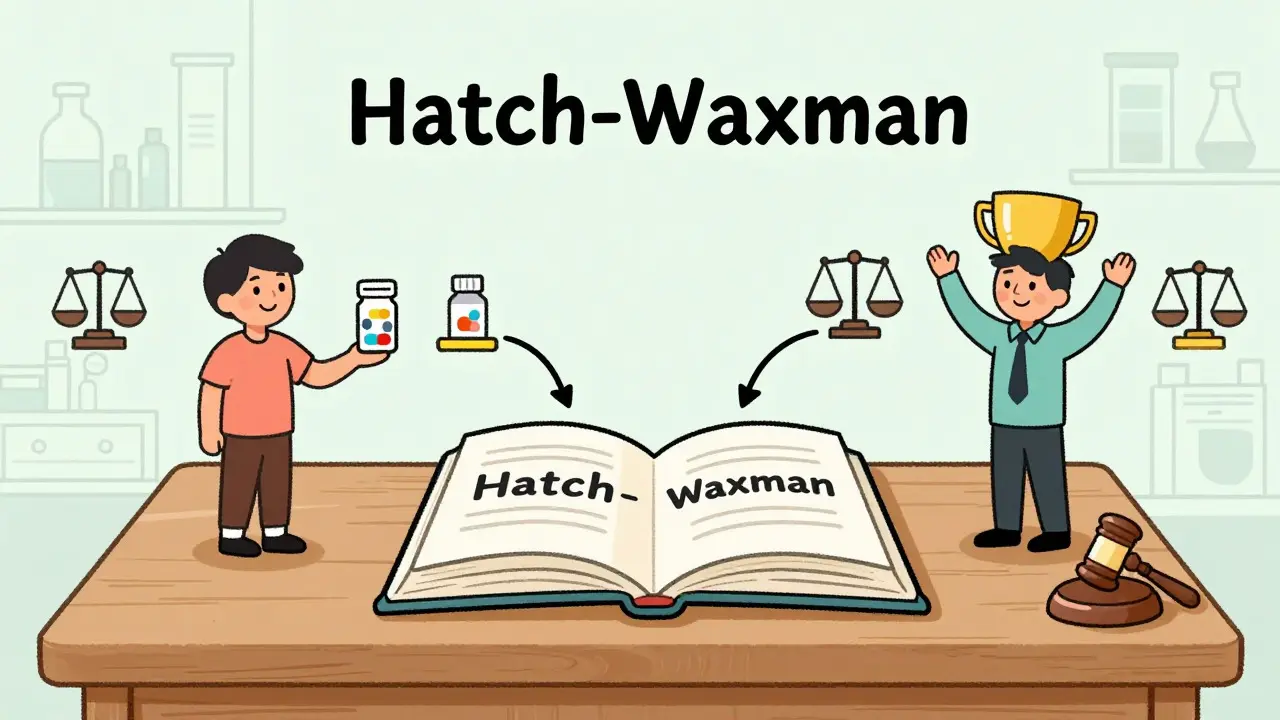
The modern framework for non-patent market protections in pharmaceuticals rests on two pivotal pieces of US legislation: the Drug Price Competition and Patent Term Restoration Act of 1984, commonly known as the Hatch-Waxman Act, and the Orphan Drug Act of 1983. These laws were designed to strike a delicate balance. They created an abbreviated pathway for generic drugs to reach consumers quickly while simultaneously providing new incentives for originator companies to innovate.
Before these acts, the lengthy approval process meant that many drugs had little to no effective patent life remaining when they finally hit the market. The Hatch-Waxman Act solved this by allowing for patent term restoration in some cases, but more importantly, it established statutory periods of exclusivity. During these periods, the FDA is legally prohibited from accepting or approving applications for generic equivalents. This creates a predictable timeline for investors and developers, knowing exactly how long they will have exclusive market access after approval.
The Orphan Drug Act added another layer by offering seven years of exclusivity for drugs treating rare diseases affecting fewer than 200,000 Americans. This incentivized the development of therapies for conditions that might otherwise be ignored due to small market sizes. Together, these statutes form the backbone of the current incentive structure, ensuring that high-risk, high-cost innovations are rewarded with guaranteed market protection.
Types of Regulatory Exclusivity in the US
Not all exclusivity periods are created equal. The duration and scope depend heavily on the type of drug and the nature of the clinical data submitted. Understanding these categories is essential for any stakeholder in the pharmaceutical industry, from R&D managers to generic manufacturers planning their entry strategies.
| Exclusivity Type | Duration | Key Requirements | Impact on Generics/Biosimilars |
|---|---|---|---|
| New Chemical Entity (NCE) | 5 Years | First approval of a drug with no previously approved active moiety | FDA cannot accept ANDAs for 4 years; cannot approve until year 5 ends |
| Biologics (BPCIA) | 12 Years | Licensure under the Biologics License Application (BLA) pathway | No biosimilar reference product designation allowed during this period |
| Orphan Drug | 7 Years | Treatment for a condition affecting fewer than 200,000 US patients | Prevents approval of same drug for same indication, unless clinically superior |
| New Clinical Investigations | 3 Years | Submission of new clinical trials supporting changes to labeling | Delays generic approval if the generic relies on the changed label |
The five-year NCE exclusivity is particularly powerful because it blocks the filing of Abbreviated New Drug Applications (ANDAs) for the first four years. This gives the originator a head start without needing to prove superiority, simply based on being first to market with a new chemical entity. For biologics, the twelve-year period granted under the Biologics Price Competition and Innovation Act (BPCIA) of 2009 reflects the greater complexity and cost of developing these large-molecule drugs. This longer term acknowledges that biosimilar development is more challenging than small-molecule generic replication.
Regulatory Exclusivity vs. Patent Protection
While both mechanisms aim to protect intellectual investment, they function differently in practice. Patents are territorial, require active prosecution, and can be invalidated through court challenges. A patent protects a specific invention-such as a molecule, formulation, or method of use-but does not guarantee market access. You can hold a valid patent but still face regulatory hurdles that delay launch.
In contrast, market exclusivity is enforced by the regulatory agency, not the courts. The FDA simply refuses to approve competing products during the exclusivity window, regardless of whether those products infringe on any patents. This makes exclusivity a more reliable barrier to entry. However, it has limitations. It applies only to the specific drug product and indications approved. If a competitor develops a distinct molecular entity for the same condition, they may bypass exclusivity entirely, provided they do not rely on the originator’s data.
Another key difference is timing. Patents begin ticking from the date of filing, which can be years before clinical trials even start. By the time a drug is approved, much of its patent life may have elapsed. Regulatory exclusivity, however, starts only upon approval. This alignment with the commercial lifecycle ensures that the protection period coincides with actual sales potential. For biologics with long development timelines, this feature is invaluable, as noted by IPKat analysis showing that the twelve-year term compensates for the significant erosion of patent life during development.
Global Perspectives: EU and Japan Frameworks
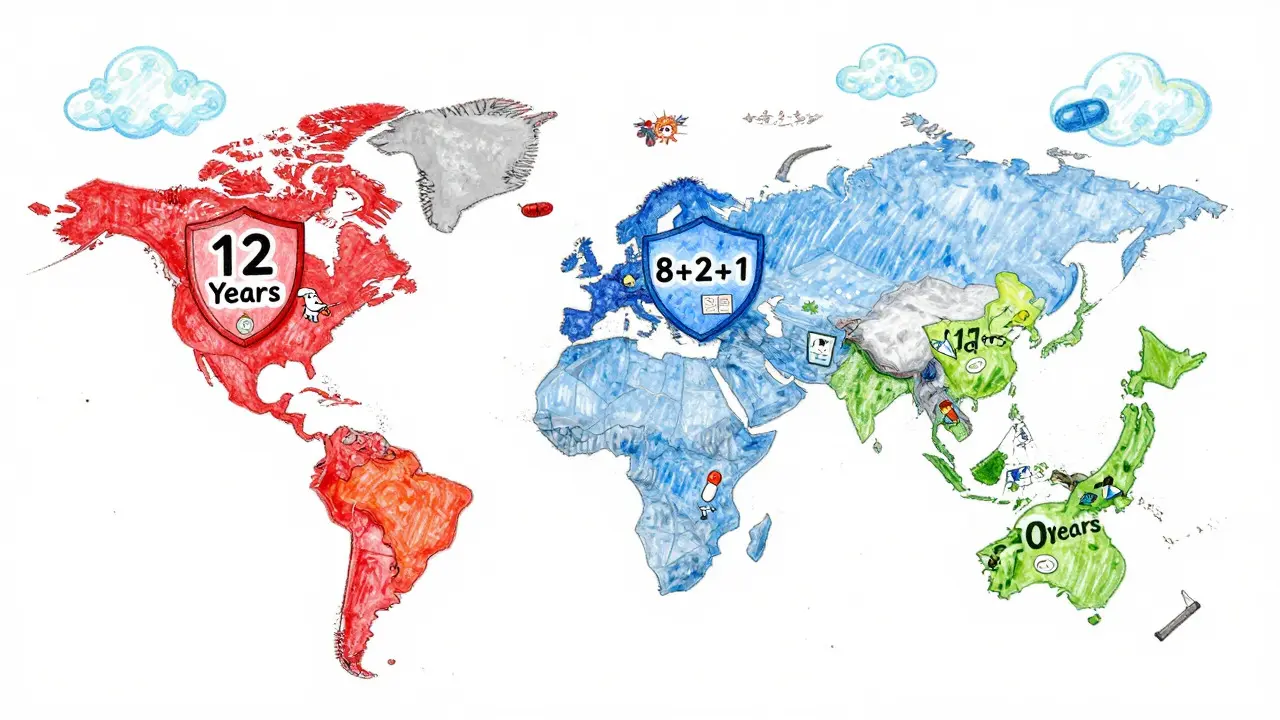
The approach to non-patent protections varies significantly across jurisdictions. In the European Union, the system follows an "8+2+1" rule. Originator companies receive eight years of data exclusivity, during which generic manufacturers cannot reference the original clinical data. This is followed by two years of market exclusivity, where generics can be approved but not marketed. An additional year may be granted if a new therapeutic indication is discovered and approved during the initial ten-year period.
This structure differs from the US model, which focuses on blocking approval rather than just referencing data. The EU’s approach allows for earlier generic preparation but delays market entry. Japan implements a ten-year data exclusivity period for new chemical entities, aiming to balance innovation incentives with timely access to affordable alternatives. These differences create strategic challenges for global pharmaceutical companies, which must navigate multiple regulatory landscapes to maximize their protection portfolios.
Recent proposals in the EU suggest a shift toward reducing data exclusivity from eight to six years to accelerate generic competition. Such changes highlight the ongoing tension between rewarding innovation and controlling healthcare costs. As global health systems face budget pressures, regulators worldwide are reevaluating the length and scope of these non-patent protections.
Economic Impact and Industry Dynamics
The economic implications of regulatory exclusivity are profound. According to IQVIA data, drugs with active exclusivity command prices approximately 3.2 times higher than their generic counterparts. This premium allows originator companies to recover substantial R&D investments, which average over $1 billion per approved drug. The Congressional Research Service notes that these exclusive rights enable companies to charge above-competitive prices, a trade-off society accepts to fuel future medical breakthroughs.
However, critics argue that extended exclusivity periods contribute to unsustainable drug pricing. Public Citizen’s analysis suggests that delays in generic competition beyond what is necessary for innovation incentives burden patients and payers. The debate intensifies around biologics, where the twelve-year US term is seen by some as excessive given advances in manufacturing and development efficiency. Generic manufacturers report frustration with unpredictable listing requirements and complex expiration timelines, citing low satisfaction rates in FDA surveys.
Despite criticisms, the majority of originator companies view exclusivity as essential. An Association for Accessible Medicines survey found that 89% consider it vital for recouping R&D investments. The case of Humira, which generated nearly $20 billion in annual US sales despite patent expirations, illustrates how strategic use of both patents and regulatory exclusivity can extend market dominance well into the 2020s. This dual-layer protection strategy remains a cornerstone of big pharma’s commercial planning.
Implementation Challenges and Strategic Management
Managing regulatory exclusivity requires sophisticated coordination across regulatory affairs, legal, and commercial teams. The learning curve is steep, with specialized training often taking two to three years to master. Companies must meticulously document clinical milestones to qualify for specific exclusivity types. For instance, securing orphan drug status requires proving that the target disease affects fewer than 200,000 Americans at the time of approval-a claim that must withstand scrutiny.
Overlapping exclusivity periods create complex expiration calendars. Excelon IP reports that 73% of major pharmaceutical firms employ dedicated exclusivity managers to track these dates globally. The FDA’s Purple Book database provides weekly updates on biological product licensures and exclusivity statuses, serving as a critical resource for monitoring competitor timelines. However, international data gaps remain a challenge, requiring firms to maintain robust internal tracking systems.
Common pitfalls include miscalculating submission windows for generics or failing to recognize when new clinical investigations trigger additional three-year extensions. Proactive management involves anticipating competitor moves and leveraging exclusivity provisions to delay generic entry strategically. As the landscape evolves, with draft guidance on combination products and proposed legislative changes, staying ahead requires continuous vigilance and adaptation.
Future Outlook and Policy Shifts
Looking ahead, regulatory exclusivity frameworks face increasing pressure to adapt. The FDA’s Drug Competition Action Plan 2024-2026 aims to modernize these systems to better balance innovation with access. Congressional proposals like the Affordable Prescriptions for Patients Act seek to reduce biologics exclusivity from twelve to ten years, reflecting growing political focus on drug affordability. While industry lobbying has stalled immediate changes, the trend toward shorter terms appears inevitable.
European reforms propose overhauling the "8+2+1" model to better incentivize antimicrobial resistance and rare disease research. Meanwhile, Tufts Center for the Study of Drug Development forecasts a decline in average combined patent and exclusivity periods from 12.3 to 10.8 years by 2030. Despite these reductions, experts agree that non-patent protections will remain indispensable. They provide a stable foundation for investment in high-risk areas where traditional patents offer insufficient coverage.
For stakeholders, the key takeaway is adaptability. Success depends on understanding not just current rules, but emerging trends. Whether you’re an innovator seeking maximum protection or a generic developer planning entry, mastering the nuances of regulatory exclusivity is no longer optional-it’s essential for navigating the complex economics of modern medicine.
What is the main difference between regulatory exclusivity and a patent?
Patents protect specific inventions and require active enforcement through lawsuits, while regulatory exclusivity is automatically granted by agencies like the FDA upon drug approval. Exclusivity prevents the approval of generic competitors for a set period, regardless of patent status, making it a more reliable barrier to market entry.
How long does regulatory exclusivity last for biologics in the US?
Biologics licensed under the BPCIA receive 12 years of regulatory exclusivity from the date of first licensure. This period prevents the FDA from approving biosimilar versions of the drug, providing a longer window of market protection compared to small-molecule drugs.
Can generic drugs enter the market during the NCE exclusivity period?
For New Chemical Entities (NCEs), the FDA cannot accept Abbreviated New Drug Applications (ANDAs) for the first four years. Between years four and five, generics can submit applications, but approval is blocked until the full five-year exclusivity period expires.
Why was the Hatch-Waxman Act created?
The Hatch-Waxman Act was enacted to balance two goals: encouraging innovation by providing incentives for new drug development and promoting competition by creating a streamlined pathway for generic drugs. It addressed the issue of patents expiring before drugs received regulatory approval.
Does regulatory exclusivity apply globally?
No, regulatory exclusivity is jurisdiction-specific. The US uses fixed terms like 5 years for NCEs and 12 years for biologics. The EU employs an "8+2+1" rule, while Japan offers 10 years of data exclusivity. Companies must manage these different regimes separately.
How does orphan drug exclusivity work?
Orphan drug exclusivity grants 7 years of market protection for drugs treating rare diseases affecting fewer than 200,000 people in the US. It prevents approval of identical drugs for the same indication, unless the competitor proves clinical superiority.
What is the impact of regulatory exclusivity on drug prices?
Drugs with active exclusivity typically command prices 3.2 times higher than generic equivalents. This premium allows manufacturers to recoup high R&D costs but contributes to debates about drug affordability and access.
Are there efforts to shorten regulatory exclusivity periods?
Yes, policymakers in the US and EU are considering reductions. Proposals include cutting biologics exclusivity from 12 to 10 years in the US and reducing data exclusivity from 8 to 6 years in the EU to accelerate generic competition and lower costs.