





It’s that time of year again. The pollen count is rising, your eyes are itching, and you’re reaching for the nearest box on the shelf. But which one? Do you grab the cheap generic, the brand name you saw in ads, or the one your friend swears by? Choosing the right antihistamine isn’t just about stopping a sneeze; it’s about balancing relief with side effects like drowsiness, cognitive fog, or heart palpitations. With so many options available over-the-counter (OTC), knowing the difference between them can save you from a bad day-or worse, an accident.
Antihistamines work by blocking histamine, a chemical your body releases during an allergic reaction. When allergens like pollen, pet dander, or dust mites enter your system, your immune system triggers histamine release to fight them off. This causes the classic symptoms: runny nose, sneezing, itchy eyes, and hives. By blocking the H1 receptors where histamine binds, these medications stop the signal before it starts. However, not all antihistamines are created equal. They fall into two main generations, each with distinct benefits, risks, and use cases.
First-Generation Antihistamines: The Heavy Hitters
First-generation antihistamines have been around since the 1940s. Drugs like diphenhydramine (Benadryl) and chlorpheniramine (Chlor-Trimeton) belong to this class. These medications are highly effective at stopping allergy symptoms quickly, often within 15 to 30 minutes. However, they come with a significant downside: they cross the blood-brain barrier easily.
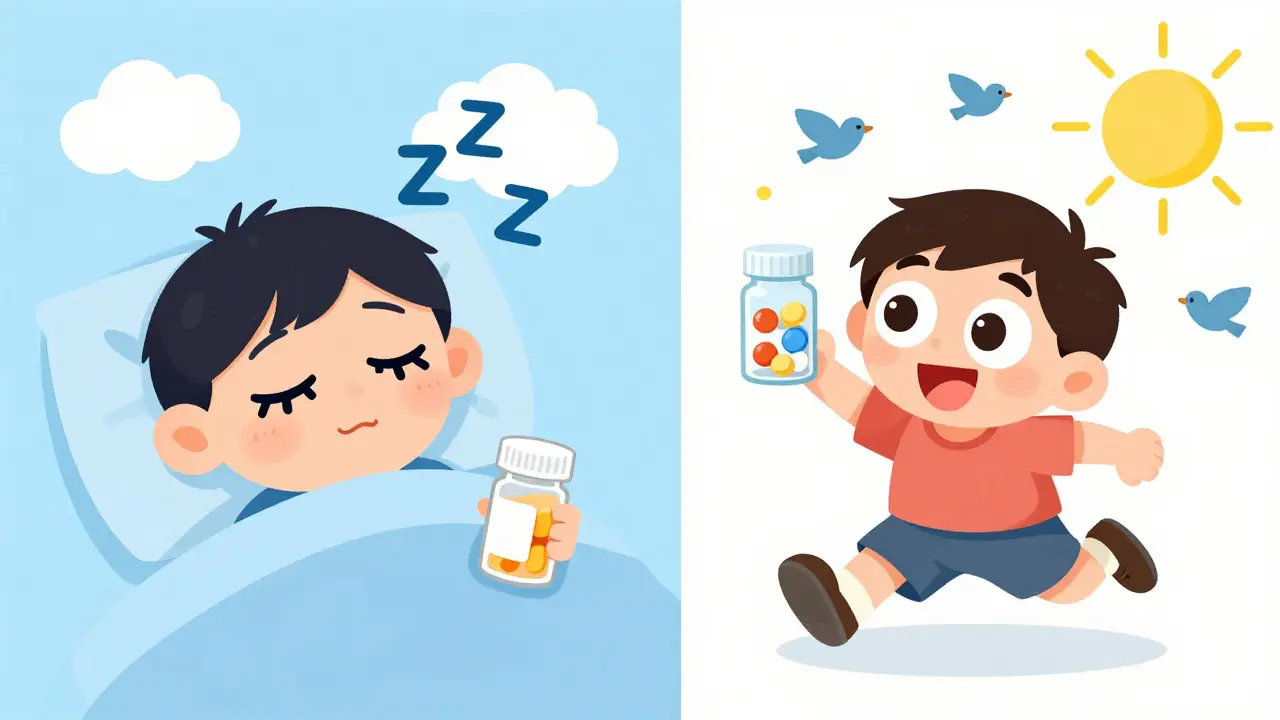
Because they enter the central nervous system, first-generation antihistamines cause sedation in about 50% of users. A 2018 study published in the *Journal of Allergy and Clinical Immunology* highlighted this risk, noting that these drugs can impair driving performance equivalent to having a blood alcohol concentration of 0.10%. That’s why experts generally advise against using them for daily allergy management unless you plan to sleep afterward. They are still useful for acute reactions, such as sudden hives or insect stings, where immediate relief is critical. Some people also use them off-label for insomnia due to their strong sedative effect.
Other common first-generation options include brompheniramine, doxylamine (Unisom), and hydroxyzine. While effective, their short half-life means you may need to take them every 4 to 6 hours, increasing the risk of cumulative side effects like dry mouth, blurred vision, and urinary retention, especially in older adults.
Second- and Third-Generation Antihistamines: The Modern Standard
If you need to stay alert during the day, second- and third-generation antihistamines are your best bet. Developed in the 1990s, these newer drugs-such as cetirizine (Zyrtec), loratadine (Claritin), and fexofenadine (Allegra)-are designed to be less lipophilic. This means they don’t cross the blood-brain barrier as easily, resulting in minimal sedation.
Clinical data supports this distinction. Fexofenadine shows the lowest sedation risk, with only 6% of users reporting drowsiness compared to 14% for cetirizine and up to 18% for first-generation options. Loratadine falls somewhere in between, offering a good balance of efficacy and low side effects. These medications typically start working within an hour and last for 24 hours, allowing for once-daily dosing. This convenience makes them ideal for seasonal allergies, chronic urticaria (hives), and rhinitis.
Desloratadine (Clarinex) and levocetirizine (Xyzal) are considered third-generation derivatives. Levocetirizine is the active enantiomer of cetirizine, meaning it’s more potent per milligram but still carries a slightly higher risk of drowsiness than fexofenadine. Bilastine and rupatadine are other newer agents available in some regions, known for their rapid onset and minimal drug interactions.
| Drug Name | Brand Examples | Sedation Risk | Onset of Action | Duration |
|---|---|---|---|---|
| Diphenhydramine | Benadryl | High | 15-30 mins | 4-6 hours |
| Loratadine | Claritin | Low | 1 hour | 24 hours |
| Cetirizine | Zyrtec | Moderate | 1 hour | 24 hours |
| Fexofenadine | Allegra | Very Low | 1-2 hours | 24 hours |
| Levocetirizine | Xyzal | Moderate-Low | 1 hour | 24 hours |
Side Effects and Safety Concerns
Even non-sedating antihistamines aren’t free from side effects. Dry mouth, headache, and stomach upset are common complaints across all classes. More serious concerns arise with long-term use, particularly in older adults. A 2022 review in *JAMA Internal Medicine* suggested a potential link between chronic use of first-generation antihistamines and increased dementia risk in patients over 75. While causation hasn’t been proven, it reinforces the recommendation to avoid these drugs for daily use in the elderly.
Cetirizine, while effective, has drawn scrutiny for its moderate sedation profile. Some users report feeling “foggy” or tired in the afternoon, even when taking the pill in the morning. If you drive or operate machinery, fexofenadine or loratadine might be safer choices. Additionally, high doses of cetirizine have been associated with cardiovascular effects, prompting the European Medicines Agency to update labeling requirements in 2021.
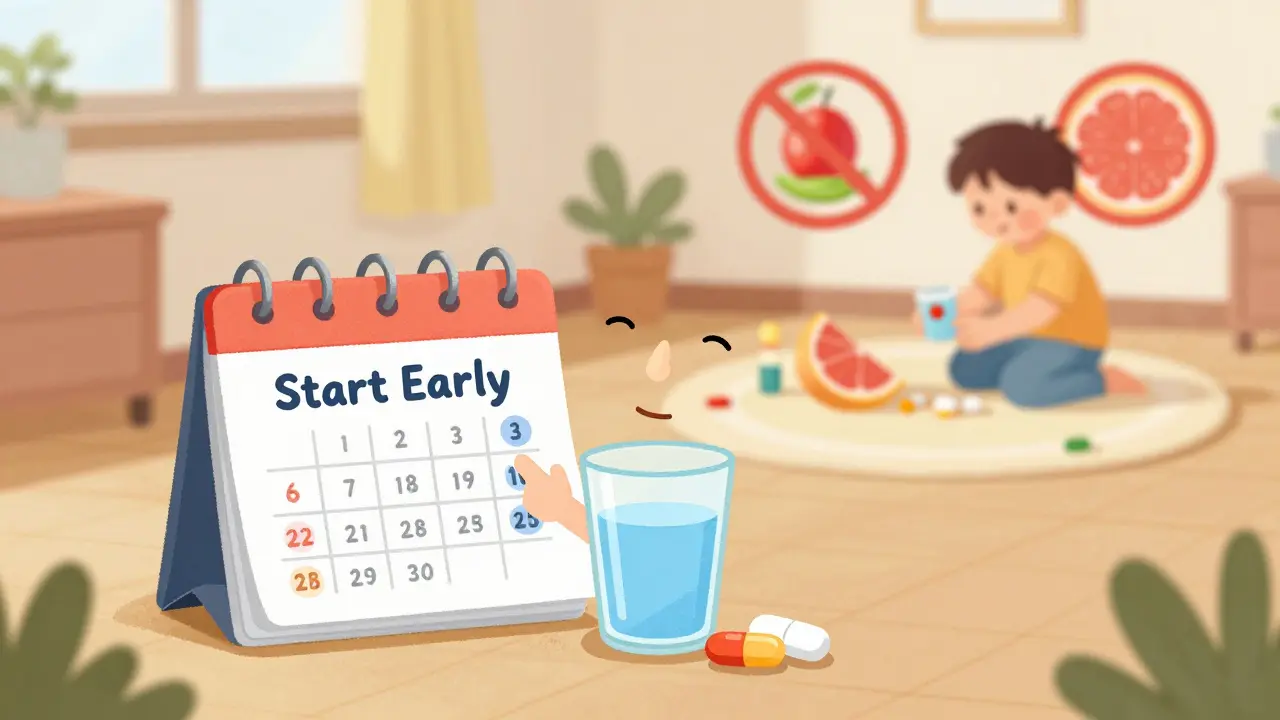
Drug interactions are another key consideration. Grapefruit juice can increase blood levels of certain antihistamines by up to 37%, potentially amplifying side effects. Always check labels for warnings about operating heavy machinery if drowsiness occurs-a requirement mandated by the FDA in 2019 for all OTC antihistamines.
How to Choose the Right Antihistamine for You
Selecting the right medication depends on your lifestyle, symptom severity, and tolerance for side effects. Here’s a practical guide:
- For daytime use without drowsiness: Choose fexofenadine (Allegra) or loratadine (Claritin). These offer reliable relief with minimal impact on alertness.
- For severe itching or hives: Cetirizine (Zyrtec) is often preferred due to its potency, though monitor for drowsiness. Fexofenadine is also FDA-labeled for itch relief.
- For nighttime relief or acute reactions: Diphenhydramine (Benadryl) works fast and helps you sleep, but avoid it if you need to be alert the next day.
- For children under 6: Consult a pediatrician. The American Academy of Pediatrics advises against first-generation antihistamines in young kids due to safety concerns.
Start your medication 1-2 weeks before pollen season begins. Preventive use blocks histamine receptors before they get activated, leading to better control. If one drug doesn’t work, don’t give up. About 30% of patients need to try 2-3 different options to find the right fit. Keep a symptom diary to track what works and what doesn’t.
Common Mistakes to Avoid
Many people make simple errors that reduce effectiveness or increase risk. Taking antihistamines with food can delay absorption, especially for fexofenadine, which should be taken on an empty stomach. Combining multiple antihistamines without medical advice can lead to overdose symptoms like extreme drowsiness, confusion, or heart rhythm issues. Also, don’t assume “natural” means safe. Herbal supplements like butterbur or quercetin may interact with prescription medications and lack rigorous testing.
Another mistake is ignoring underlying conditions. If allergies persist despite consistent antihistamine use, you may have non-allergic rhinitis, sinus infections, or nasal polyps. See an allergist for proper diagnosis. They can recommend immunotherapy or biologic therapies for severe cases where antihistamines alone aren’t enough.
Can I take antihistamines every day?
Yes, second- and third-generation antihistamines are generally safe for daily use. They have been studied extensively and show no significant long-term safety concerns in most populations. However, always follow label instructions and consult your doctor if you have underlying health conditions.
Which antihistamine is least likely to cause drowsiness?
Fexofenadine (Allegra) has the lowest sedation risk among OTC options, with only 6% of users reporting drowsiness in clinical studies. Loratadine (Claritin) is also a good choice for those who need to stay alert.
Are there any natural alternatives to antihistamines?
Some people find relief with saline nasal rinses, honey, or probiotics, but evidence is mixed. Herbal remedies like butterbur may help but can interact with other medications. Always talk to your healthcare provider before trying unproven treatments.
Can antihistamines affect my heart?
Most modern antihistamines are safe for the heart. However, high doses of cetirizine have been linked to rare cardiovascular effects. First-generation antihistamines can cause tachycardia or arrhythmias in sensitive individuals. If you have heart disease, consult your doctor before starting any new medication.
How soon do antihistamines start working?
First-generation antihistamines like diphenhydramine work within 15-30 minutes. Second-generation options like loratadine and cetirizine typically take about an hour. Fexofenadine may take 1-2 hours. For best results, start taking them before exposure to allergens.