

Medication Safety & Dosing Estimator
Therapeutic Index (TI) Risk Check
Enter the Therapeutic Index value of a drug to see its safety classification.
Elderly Dose Adjustment Estimator
Estimate dose reduction needed for patients over 65 due to natural organ function decline.
Imagine taking a pill that cures your condition but also makes you dizzy, nauseous, or worse. Now imagine the opposite: the pill does nothing because the dose is too low. This is the daily reality for millions of people managing chronic conditions. The gap between "effective" and "toxic" is often razor-thin, especially with powerful medications. Finding that sweet spot-where benefits outweigh risks-is not just about following a label; it’s about active, personalized **medication dose adjustment**.
We used to think one size fits all. If the bottle says 500mg, you take 500mg. But modern pharmacology has moved far beyond this blunt approach. Today, we know that your age, kidney function, genetics, and even what you ate for breakfast can change how a drug works in your body. Getting the dose right is the single most important factor in preventing adverse drug events, which remain a leading cause of hospitalization worldwide.
Understanding the Therapeutic Index
To understand why dose adjustments matter, you need to grasp the concept of the Therapeutic Index (TI). The Therapeutic Index is a ratio that compares the amount of a drug that causes toxicity to the amount that provides a therapeutic benefit. Think of it as a safety margin.
Drugs with a high TI (above 10) have a wide safety net. Penicillin is a classic example. You can take slightly more than recommended, and while it might upset your stomach, it won’t kill you. These drugs rarely require precise tweaking.
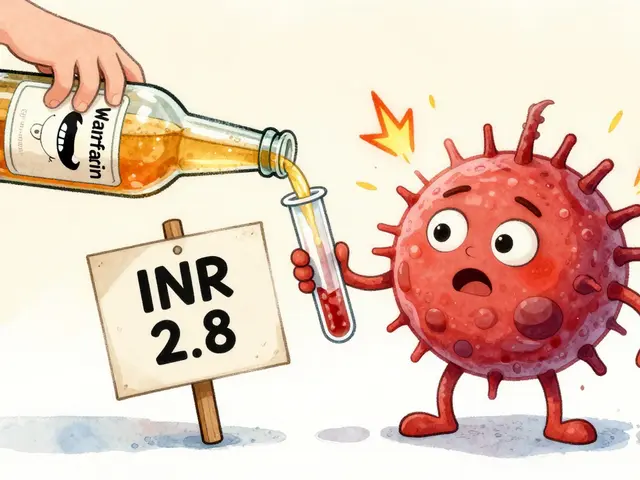
Then there are Narrow Therapeutic Index (NTI) drugs. These have a TI of 2-3 or lower. For these medications, the difference between healing and harming is tiny. Digoxin, used for heart failure, has a TI of roughly 2. A study by Burns (1999) noted that only two and a half times the normal dosage can be fatal in 50% of patients. Warfarin, a blood thinner, and phenytoin, an anti-seizure medication, fall into this dangerous category. With NTI drugs, guesswork is not an option. They demand close monitoring and frequent dose titration.
| Drug Type | Therapeutic Index Range | Monitoring Required | Examples |
|---|---|---|---|
| High TI Drugs | > 10 | Minimal | Penicillin, Ibuprofen |
| Moderate TI Drugs | 3 - 10 | Moderate (based on patient factors) | Most statins, Metformin |
| Narrow TI (NTI) Drugs | < 3 | Intensive (blood levels, INR, etc.) | Warfarin, Digoxin, Phenytoin, Lithium |
Why Standard Doses Often Fail
When a new drug hits the market, its labeled dose usually reflects the average results from Phase III clinical trials. But here’s the catch: clinical trials often exclude people who are very old, very young, pregnant, obese, or those with complex medical histories. This creates a "guesswork" scenario for real-world patients who don’t fit the average profile.
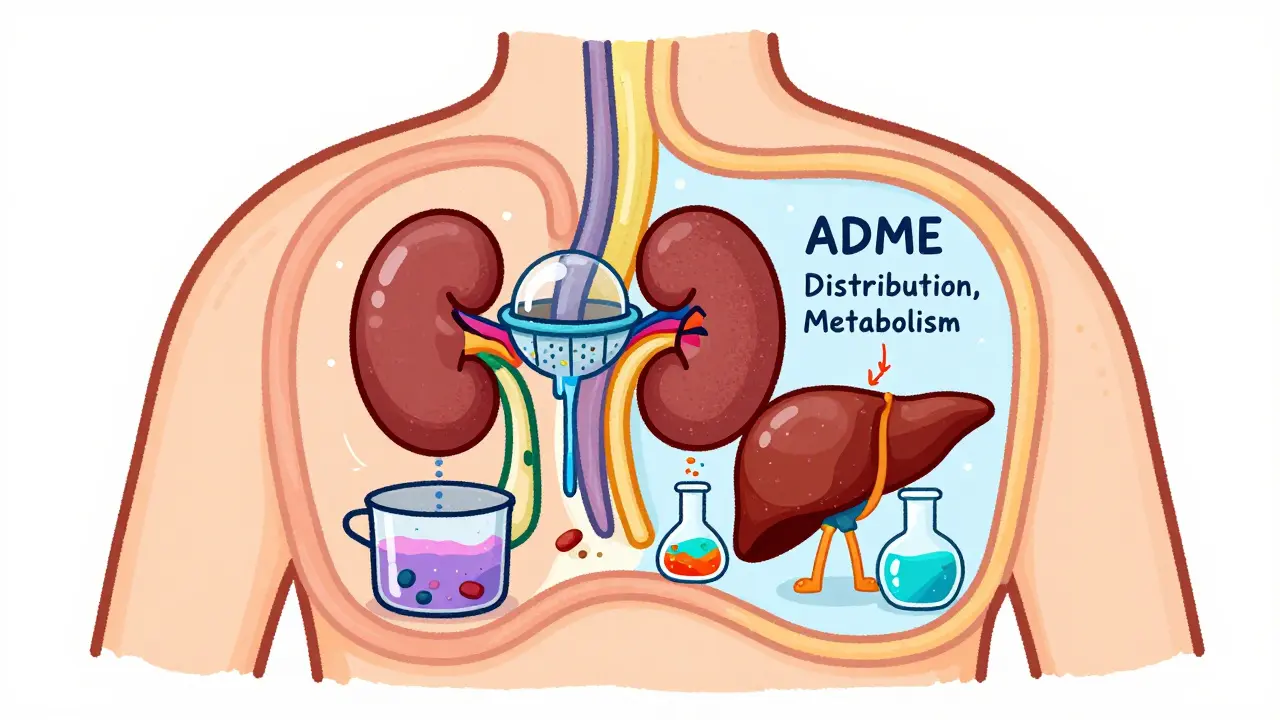
Your body processes drugs through four main stages: Absorption, Distribution, Metabolism, and Excretion (ADME). Any disruption in these stages requires a dose change.
- Renal Function: Your kidneys filter waste and drugs. If your creatinine clearance drops, drugs build up in your system. Doctors use equations like Cockcroft-Gault to calculate exactly how much to reduce the dose.
- Hepatic Function: The liver metabolizes many drugs. Patients with cirrhosis (measured by Child-Pugh scores) may need significantly lower doses because their liver can’t break down the medication fast enough.
- Body Weight: Obesity complicates dosing. Simply using total body weight can lead to overdose. Clinicians often use ideal body weight plus a percentage of excess weight (e.g., 40%) to find the safe middle ground.
- Age: Elderly patients often see a 20-30% reduction in kidney and liver function naturally. A standard adult dose can easily become toxic for a 75-year-old.
The Role of Genetics in Precision Dosing
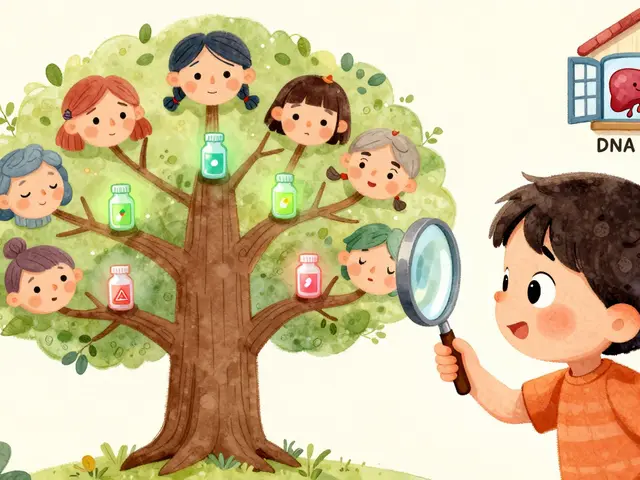
You might wonder why your friend handles a medication perfectly while you experience severe side effects on the exact same dose. The answer often lies in your DNA. Genetic polymorphisms affect how enzymes process drugs. Specifically, the Cytochrome P450 (CYP450) enzyme family plays a huge role.
About 25% of commonly prescribed drugs are metabolized by CYP450 enzymes. Some people are "rapid metabolizers," breaking down drugs so quickly they never reach therapeutic levels. Others are "poor metabolizers," causing drug levels to spike to toxic ranges. This field, known as pharmacogenomics, is moving us toward precision medicine. Instead of trial and error, doctors can test your genes before prescribing. For example, testing for CYP2C19 variants can determine if a patient will respond to clopidogrel (Plavix), a common blood thinner.
Polypharmacy: The Hidden Danger
If you take five or more medications, you are considered to have polypharmacy. This affects 44% of older adults. The risk isn’t just the individual drugs; it’s how they interact. One drug might inhibit the enzyme that breaks down another, effectively doubling the second drug’s dose without you realizing it.
A study in Norwegian hospitals found that drug-related problems were significantly higher with NTI drugs when combined with other medications. Polypharmacy increases the risk of adverse drug events by 300%. This is why deprescribing-removing unnecessary medications-is as important as prescribing. Regularly reviewing your active medication list with a pharmacist can reduce pill burden and prevent dangerous interactions.
Practical Steps for Safe Dose Adjustment
Managing your medication dose isn’t a passive activity. Here is how you can actively participate in finding your optimal balance:
- Track Side Effects: Keep a simple journal. Note when you take your med and any symptoms (dizziness, nausea, fatigue) within 24 hours. This data helps your doctor distinguish between disease progression and drug toxicity.
- Request Therapeutic Drug Monitoring (TDM): If you are on an NTI drug like warfarin, lithium, or valproic acid, ask about TDM. This involves blood tests to measure peak (highest) and trough (lowest) drug levels. For warfarin, this means regular INR checks to stay between 2.0 and 3.0.
- Consult a Clinical Pharmacist: Pharmacists are experts in pharmacokinetics. Studies show that pharmacist-led interventions can reduce medication errors by 35% and hospitalizations by 22% in elderly patients. Don’t hesitate to ask them to review your dose based on your kidney or liver function.
- Be Honest About Lifestyle Changes: Did you start eating grapefruit? It inhibits CYP3A4 enzymes and can dangerously increase levels of statins and some blood pressure meds. Did you gain or lose significant weight? Tell your provider. These changes necessitate dose recalculations.
The Future: AI and Real-World Data
The industry is shifting toward a "third milestone" in drug regulation: precision dosing. While safety was prioritized in 1938 and efficacy in 1962, individualized dosing is the current frontier. The FDA held a pivotal meeting on this in 2019, signaling a major regulatory shift.
New technologies are emerging to help. Artificial intelligence models are now being trained on 20-30 patient-specific variables to predict the perfect dose. Early studies suggest these AI tools improve dose accuracy by 25-40% compared to traditional methods. Companies like InsightRX and DoseMe are developing software that integrates genetic, demographic, and clinical data to recommend personalized regimens.
Furthermore, real-world evidence (RWE) is replacing some of the guesswork. By analyzing data from millions of actual patients-including those excluded from trials-we are learning how to dose pregnant women, the extremely obese, and the very elderly more safely. The goal is clear: move away from "average" dosing to individualized therapy where the benefit clearly outweighs the risk for you.
What should I do if I miss a dose of my medication?
General advice is to take it as soon as you remember, unless it is almost time for your next dose. Never double up to make up for a missed dose, as this can lead to toxicity, especially with Narrow Therapeutic Index (NTI) drugs. Always check the specific instructions on your prescription label or call your pharmacist, as rules vary by medication.
How does kidney disease affect medication dosing?
Kidneys filter drugs from your blood. If kidney function declines (measured by creatinine clearance), drugs can accumulate to toxic levels. Doctors often use the Cockcroft-Gault equation to adjust doses downward. For example, antibiotics like vancomycin require strict dose adjustments in renal impairment to avoid nerve damage or hearing loss.
What is the difference between efficacy and safety in dosing?
Efficacy refers to the drug’s ability to treat the condition (the benefit), while safety refers to the absence of harmful side effects (the risk). Dose adjustment aims to maximize efficacy while keeping safety risks minimal. A dose that is too low lacks efficacy; a dose that is too high compromises safety.
Can food interactions change my medication dose needs?
Yes. Certain foods can alter how drugs are absorbed or metabolized. Grapefruit juice is a well-known inhibitor of CYP3A4 enzymes, potentially increasing drug levels. High-fat meals can delay absorption. Potassium-rich foods can interact with digoxin. Consistency in diet helps maintain stable drug levels, reducing the need for frequent dose changes.
Why do elderly patients often need lower doses?
As we age, our bodies change. Kidney filtration rates drop, liver metabolism slows, and body composition shifts (more fat, less water). These changes mean drugs stay in the system longer and at higher concentrations. Consequently, geriatric patients often require 20-30% dose reductions to achieve the same therapeutic effect without toxicity.