



Millions of people now use cannabis for pain, anxiety, or sleep. But if you are also taking prescription drugs, mixing them can be dangerous. Cannabis doesn't just sit in your body; it actively changes how your liver processes other medicines. This can turn a standard dose into a toxic one or render life-saving drugs ineffective.
The core issue isn't the plant itself, but specific compounds within it-primarily cannabidiol (CBD) and tetrahydrocannabinol (THC). These compounds interfere with the cytochrome P450 (CYP450) enzyme system, which handles about 60% of all clinical medications. When CBD or THC blocks these enzymes, drugs build up in your bloodstream. The result? Unexpected side effects, severe sedation, or even organ damage. Understanding these mechanics is the first step to using cannabis safely alongside your medical regimen.
How Cannabis Changes Your Body's Chemistry
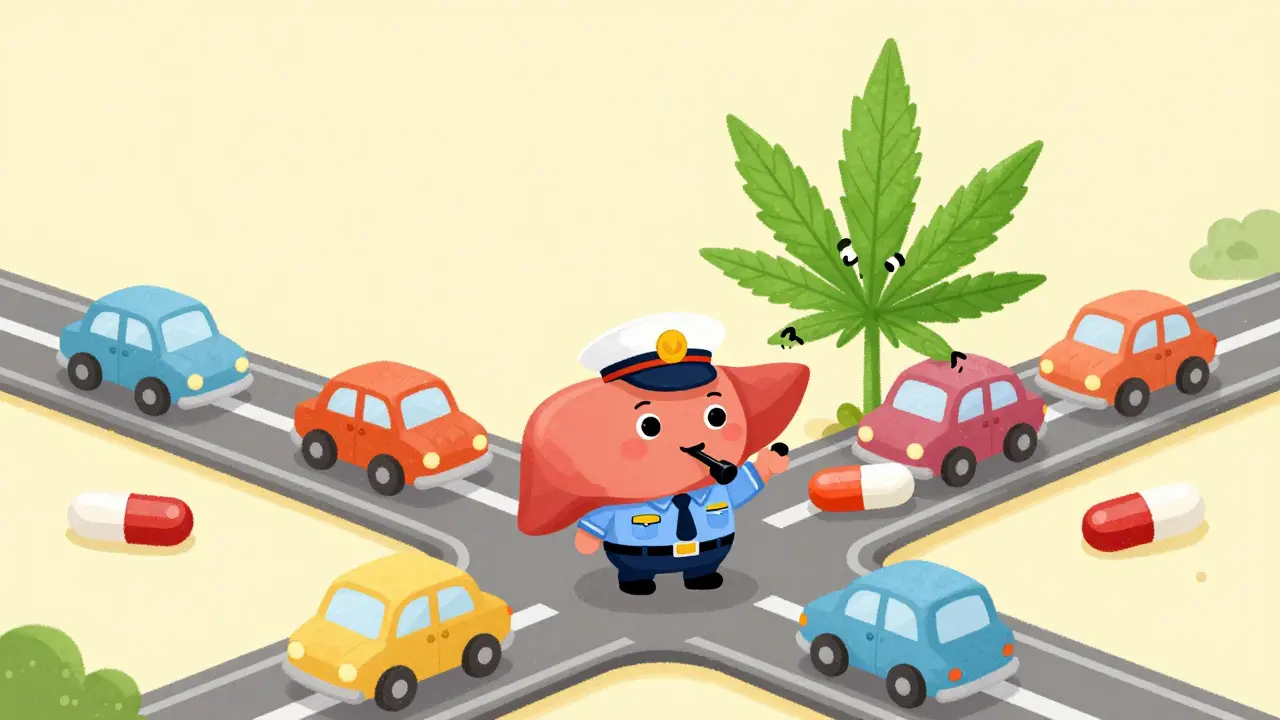
To understand the risk, you need to know how your body breaks down medicine. Your liver uses a family of enzymes called CYP450 to metabolize drugs. Think of these enzymes as traffic cops directing cars (medications) out of your body. Cannabis acts like a roadblock.
CBD is a potent inhibitor of two major enzymes: CYP3A4 and CYP2C19. THC primarily inhibits CYP1A2, CYP2C9, and CYP3A4. When these pathways are blocked, the concentration of other drugs in your blood rises significantly. For example, a study published in *Epilepsia* found that CBD increased serum levels of the seizure medication clobazam by 60% to 500%. In real-world terms, this meant patients became dangerously sedated unless their doctors reduced their clobazam dosage by half.
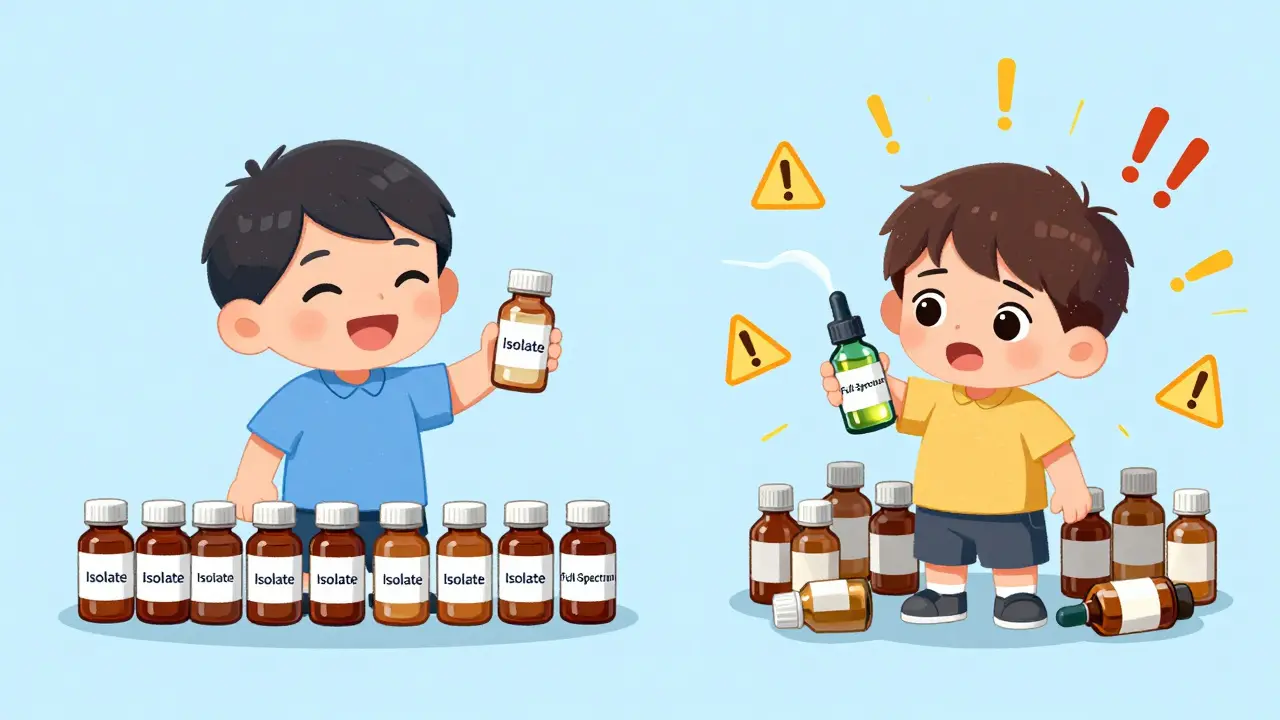
The type of cannabis product matters too. Full-spectrum products, which contain trace amounts of THC alongside CBD, often show greater enzyme inhibition than pure CBD isolates due to the "entourage effect." Research from the *Journal of Cannabis Research* indicates full-spectrum oils can inhibit CYP3A4 activity by 22-37% more than isolates at equivalent doses. Even low doses of CBD (over 20 mg/day) can trigger clinically significant interactions, though sensitive individuals may react to as little as 5-10 mg.
High-Risk Medications: What to Avoid or Monitor Closely
Not all drug interactions are equal. Experts categorize risks into tiers based on severity. Some combinations require absolute caution because they can lead to hospitalization or death.
| Medication Class | Specific Drugs | Interaction Mechanism | Clinical Risk |
|---|---|---|---|
| Blood Thinners | Warfarin | Inhibition of CYP2C9 metabolism | INR increases by 29-48%; high risk of internal bleeding |
| Immunosuppressants | Tacrolimus, Cyclosporine | Inhibition of CYP3A4 | Drug levels spike 300-500%; risk of kidney failure |
| Anti-seizure Meds | Clobazam, Valproate | Inhibition of CYP2C19/CYP3A4 | Excessive sedation; motor impairment |
| CNS Depressants | Benzodiazepines, Opioids | Pharmacodynamic synergy (additive effect) | Respiratory depression; extreme drowsiness |
Warfarin is perhaps the most critical concern. A 2022 systematic review documented cases where cannabis use caused International Normalized Ratio (INR) levels to jump by 2.0 to 4.5 units within 48 hours. This drastically increases the risk of gastrointestinal bleeding. If you take warfarin, do not start cannabis without strict INR monitoring every 3-5 days, rather than the usual weekly check.
Tacrolimus, used by transplant patients to prevent organ rejection, is equally dangerous. Case reports from the Cannabis Clinicians Society show trough levels spiking by 300-500% within three days of starting cannabis. This toxicity can permanently damage the transplanted organ. Transplant recipients should generally avoid cannabis or work under extremely close specialist supervision.
Moderate and Low-Risk Interactions
Some medications carry moderate risks, requiring dose adjustments and careful observation. Benzodiazepines like alprazolam see their blood levels rise by 25-35%, prolonging sedation by several hours. The Pennsylvania Pharmacists Association warns this combination increases fall risk in elderly patients by 47%. Similarly, opioids like morphine clear from the body 20-30% slower when combined with cannabis, raising the risk of respiratory depression.
On the lower end of the spectrum, SSRIs (such as sertraline) and statins (like atorvastatin) show modest increases in blood levels (10-25%). While theoretically concerning, clinical data suggests these rarely cause severe issues. A survey of over 800 SSRI users found that 41% reported no noticeable effects when adding CBD. However, individual sensitivity varies, so monitoring for increased side effects like nausea or jitteriness is still wise.
Administration Routes Matter
How you consume cannabis changes the timing and intensity of interactions. Inhalation (smoking or vaping) delivers THC to your brain within 6-10 minutes. This creates an acute, immediate risk of enhanced sedation if mixed with benzodiazepines or alcohol. The effects peak quickly and fade relatively fast.
Oral ingestion (oils, edibles) works differently. CBD reaches peak concentrations in 2-4 hours and stays in your system for 6-8 hours or longer. This creates a prolonged window of interaction. For drugs like warfarin, this means the risk isn't just immediate; it persists throughout the day. Dr. Sunil Aggarwal from the University of Washington highlights that protease inhibitors for HIV treatment can lose 30-40% of their efficacy when combined with THC, potentially leading to treatment failure. This slow-release nature makes oral forms particularly tricky for narrow-therapeutic-index drugs.
Practical Steps for Safe Use
If you want to use cannabis while on medication, follow this evidence-based protocol:
- Screen Your Products: Know exactly what you are taking. Is it full-spectrum, broad-spectrum, or isolate? What is the exact milligram dosage? Vaping flower has different interaction profiles than a 25mg CBD oil capsule.
- Consult Interaction Databases: Use tools like the University of Washington’s 'Cannabis Drug Interactions' database before starting. It is updated quarterly and provides specific risk scores.
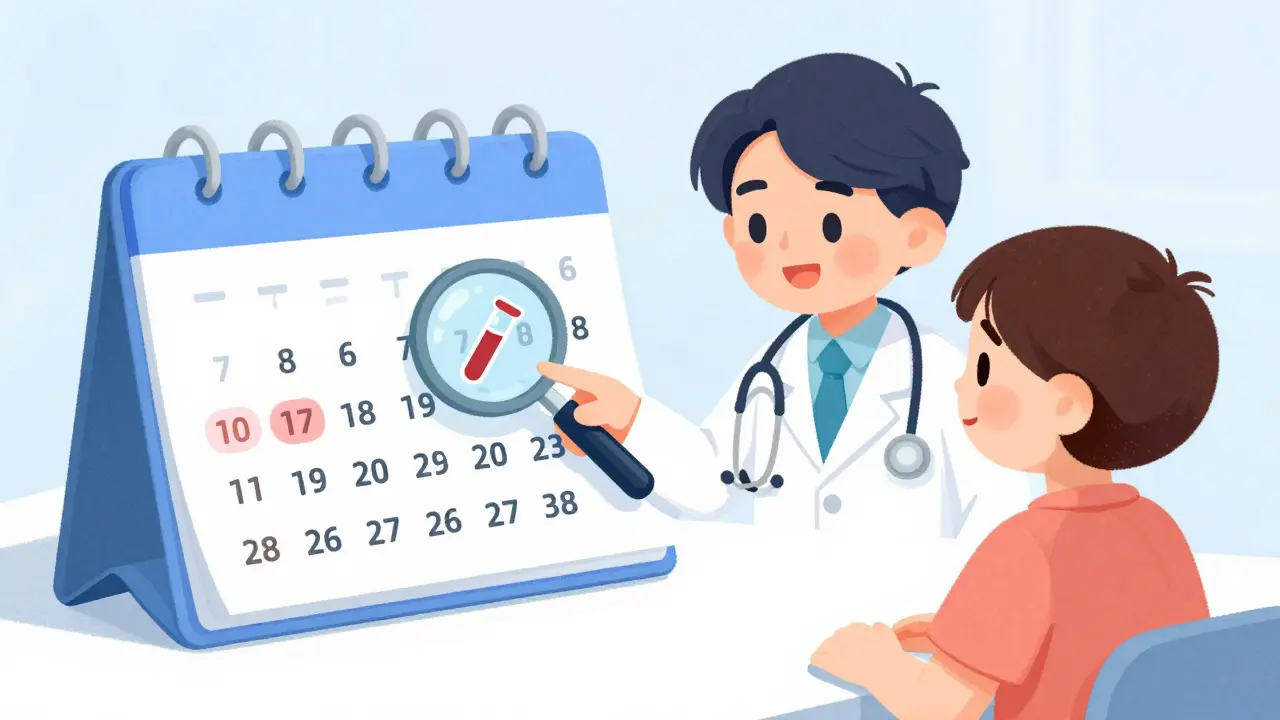
- Establish Baselines: If you are on high-risk meds like warfarin or tacrolimus, get blood tests done *before* you start cannabis. You need a reference point to measure changes against.
- Monitor Aggressively: Check relevant parameters (INR, drug levels, blood pressure) 48-72 hours after starting or changing your cannabis dose. Do not wait for your next routine appointment.
- Adjust Conservatively: If you experience side effects, reduce your cannabis dose by 10-25% or ask your doctor to adjust your prescription. Never assume "more" is better.
Pharmacists play a crucial role here. Unfortunately, 76% of community pharmacists feel inadequately trained to counsel on cannabis interactions (APhA, 2023). Don't hesitate to ask for a clinical pharmacist or seek a second opinion if your provider dismisses your concerns. Bring your cannabis bottles to the pharmacy-seeing the label helps them assess the actual chemical load.
Future Outlook and Unknowns
Research is accelerating. The FDA launched the 'Cannabis Clinical Trials Network' in 2023 to systematically study these interactions. Preliminary results from a $2.3 million NIH-funded study on CBD-warfarin interactions are expected in late 2025, aiming to provide clearer dosing guidelines. By 2027, experts project that evidence-based guidelines will cover 85% of high-risk combinations, up from the current 45%.
However, gaps remain. We know very little about how cannabis interacts with newer diabetes medications like GLP-1 agonists, despite 28% of cannabis users having diabetes. Until then, caution is the only safe strategy. Always prioritize transparency with your healthcare team. Hiding cannabis use can lead to misdiagnosis of side effects as disease progression. Open communication saves lives.
Can I take CBD with blood thinners like Warfarin?
It is highly risky. CBD inhibits the CYP2C9 enzyme that metabolizes warfarin, causing drug levels to spike. This can increase your INR by nearly 50% within days, leading to severe internal bleeding. If you must combine them, you require frequent INR testing (every 3-5 days) and close medical supervision.
Does smoking cannabis affect antidepressants?
The interaction is generally low-to-moderate. SSRIs like sertraline may see a 10-15% increase in blood levels. Most users report no significant side effects, but some may experience increased jitteriness or nausea. Monitor for changes in mood stability or sleep patterns.
Is full-spectrum cannabis more dangerous than CBD isolate?
Yes, typically. Full-spectrum products contain THC and other cannabinoids that contribute to the "entourage effect," which can enhance enzyme inhibition. Studies show full-spectrum oils can inhibit CYP3A4 activity up to 37% more than pure isolates at the same dose, increasing the risk of drug buildup.
How long does it take for cannabis to interact with other drugs?
It depends on the method. Inhalation causes acute interactions within 6-10 minutes, peaking quickly. Oral CBD takes 2-4 hours to reach peak concentration, creating a prolonged interaction window that lasts 6-8 hours or more. This makes oral forms riskier for chronic medication management.
What should I do if I feel overly sedated after mixing cannabis and meds?
Stop consuming cannabis immediately. Rest in a safe position to prevent falls. If you have difficulty breathing, extreme confusion, or cannot wake up, seek emergency medical help. Contact your doctor to discuss potential dose reductions for either your cannabis or your prescription medication.