

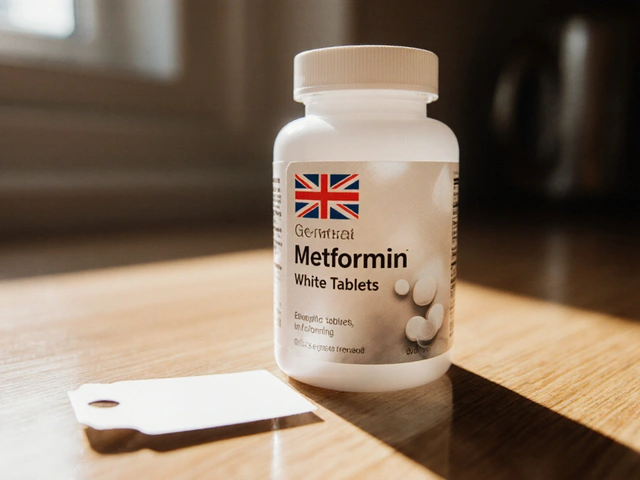



If milk, a latte, or a scoop of ice cream keeps ending in a crampy, gassy tummy-ache, you’re probably wondering whether lactose is the culprit. Here’s the short version: lactose can trigger pain and bloating when your gut doesn’t break it down properly. The good news? You don’t have to ditch all dairy forever, and you can confirm what’s going on without endless guesswork.
TL;DR: The lactose-tummy ache link in plain English
- Lactose is milk sugar. If you don’t make enough lactase (the enzyme that digests it), lactose gets fermented by gut bacteria, making gas and drawing water into the bowel. Cue cramps, bloating, wind, and sometimes diarrhoea.
- Symptoms usually start 30-180 minutes after dairy and depend on dose and what else you ate. Hard cheese and butter are low in lactose; milk and ice cream are higher.
- To check: try a 2-week low-lactose trial, then reintroduce in measured amounts. You can also ask for a hydrogen breath test through the NHS in some areas.
- Don’t confuse it with a milk allergy (which can involve hives, wheezing, or swelling). If you get those, seek urgent help.
- Relief is practical: adjust portions, choose lactose-free dairy, use lactase tablets, and keep your calcium and iodine intake on track.
How lactose triggers pain: what’s going on in your gut
Start with the basics. Lactose is the main sugar in milk from cows, goats, and sheep. Your small intestine normally makes lactase, the enzyme that splits lactose into glucose and galactose so you can absorb it. If lactase is low, undigested lactose drifts into the large intestine. There, resident bacteria feast on it. Fermentation creates hydrogen, methane, and short-chain fatty acids. This gas stretches the gut, which can feel like tight, crampy pressure. Meanwhile, lactose also pulls water into the bowel, which can mean looser stools.
The classic symptom cluster? Bloating that builds like a balloon, lower abdominal cramps, lots of wind, audible gurgling, and sometimes urgent diarrhoea. Nausea happens for some. Pain often starts 30 to 180 minutes after eating dairy and eases once gas passes or a bowel movement happens. The sensation can be sharp or dull, on one side or across the lower belly-tummy-ache is the catch-all most people use.
Why does it hit some people and not others? Most humans globally are “lactase non-persistent,” meaning lactase levels naturally fall after weaning. In the UK, it varies by ancestry. White British people have lower rates than many parts of the world, but lactose intolerance still shows up in GP clinics, and it’s more common in people of East Asian, African, Middle Eastern, and South Asian descent. NHS and British Dietetic Association materials both describe this pattern. There are also “secondary” causes-lactase can dip for a while after a gut infection, with coeliac disease, inflammatory bowel disease, or after small intestinal surgery. Very rarely, there’s a congenital form present from birth.
Here’s the useful part: symptoms are dose-dependent. Many people tolerate small amounts (say, a splash of milk in tea) but react to a large milkshake. Food structure matters too. Milk is high in lactose per serving. Yogurt often causes fewer symptoms because live cultures help break down lactose. Hard and long-aged cheeses are very low in lactose-cheddar, Parmesan, and Emmental are usually fine in modest portions.
To make it practical, think in grams. A typical 250 ml glass of cow’s milk has about 12 grams of lactose. A 30 g slice of cheddar has barely any. A 150 g pot of live yogurt sits somewhere in the middle. Your threshold might be around 6-12 grams in one sitting, but it varies. Eating lactose with a meal slows gut transit a bit and can soften the blow.
That’s the engine behind the tummy-ache. Fermentation makes gas; osmosis pulls water. Your gut’s stretch sensors don’t love either. If you also have IBS, you can be more sensitive to that stretch, so the same amount of gas feels more painful. NICE guidance on IBS notes this sensitivity, and dietitians often use lactose adjustments before broader FODMAP changes.

Is it lactose intolerance, milk allergy, or something else?
Not all milk trouble is the same. Sorting this out saves you months of unneeded restriction-and avoids missing something serious.
- Lactose intolerance: digestive only-bloating, cramps, wind, diarrhoea. Starts within a few hours of lactose. No skin or breathing symptoms. Often dose-related.
- Milk allergy (IgE-mediated): can involve hives, lip/tongue swelling, wheeze, vomiting, and can be dangerous. It can start minutes after dairy, even with tiny amounts. If you’ve had these symptoms, treat it as an allergy and seek urgent medical advice.
- Non-IgE cow’s milk protein allergy (more common in infants): skin and gut symptoms that are delayed. Needs GP/paediatric dietitian input.
- IBS: can overlap-gas and pain after lactose are common if IBS is present, but IBS also reacts to other FODMAPs (like fructans and polyols). If lactose is only part of the story, this may be why.
- Coeliac disease: can reduce lactase when the gut lining is inflamed. If you have ongoing symptoms, iron deficiency, weight loss, or a family history, ask your GP about coeliac blood tests before changing your diet.
- Gut infections and post-infectious changes: after gastroenteritis, lactase can dip temporarily. Symptoms often improve over weeks as the lining heals.
Red flags that point away from simple lactose issues and need a GP appointment: unintentional weight loss, nocturnal diarrhoea (waking from sleep to open bowels), blood in stool, persistent vomiting, fevers, a new change in bowel habit after age 50, or dehydration-especially in children or older adults. UK GPs follow NICE pathways for these signs; don’t wait it out if any apply.
Quick reality check: A2 milk (with only A2 beta-casein) is not a lactose fix. It still contains lactose. Some people say it feels gentler, but if lactose is the problem, A2 won’t remove it. Plant milks naturally don’t contain lactose, but check they’re fortified-calcium and iodine matter in the UK diet.
What to do next: tests, swaps, supplements, and a simple plan
Here’s a structured way to pin it down and feel better without giving up nutrition or joy.
Step 1: Run a focused 2-week trial
- For 14 days, keep lactose low but don’t go extreme. Use lactose-free cow’s milk and yogurt, choose hard cheeses, and limit high-lactose foods like regular milk, soft cheeses, ice cream, and creamy sauces.
- Keep a simple symptom diary: what you ate, time, symptoms (0-10 scale), and timing. Note stress, coffee, spicy food, and artificial sweeteners, so you don’t blame lactose for something else.
- If symptoms clearly ease, move to Step 2. If there’s no change at all, lactose probably isn’t the main driver-consider IBS or other causes and speak with your GP or a registered dietitian.
Step 2: Reintroduce to find your personal threshold
- Choose one lactose source at a time. Day 1: 100 ml milk (about 5 g lactose). Day 2: 200 ml. Day 3: 250 ml. Stop at the first amount that sparks symptoms. That’s your current ceiling.
- Test yogurt on a separate week-live cultures help, so your ceiling might be higher. Test ice cream another week, ideally after a meal.
- Use what you learn. Many people handle small amounts across the day but not a big hit at once.
Step 3: Confirm, if needed
- Hydrogen breath test: Available in some NHS clinics and privately. You drink a lactose solution; if your breath hydrogen rises and symptoms appear, that supports the diagnosis.
- Blood lactose tolerance test: Less common now. Measures your blood glucose after lactose; a flat response suggests malabsorption.
- Infants: Stool acidity and reducing substances tests can help-this is specialist territory. If a baby has poor growth or severe symptoms, see a GP/health visitor.
Step 4: Eat well without the aches
- Pick low-lactose dairy: hard, long-aged cheeses (cheddar, Parmesan, Gruyère) are usually well tolerated. Butter is almost lactose-free. Lactose-free cow’s milk and yogurt are easy UK supermarket finds.
- Portion pairing: have lactose with a meal, not on an empty stomach. Slower transit, fewer fireworks.
- Lactase supplements: Tablets or drops can break down lactose in a meal. Start with the manufacturer’s dose for about 10-13 g lactose (a glass of milk) and adjust to your response. Keep them in your bag for cafés and trips.
- Plant-based milks: Go for fortified options. In the UK, look for calcium (~120 mg/100 ml) and iodine on the label. Pea, soy, and oat milks are common. Taste and protein content vary-soy and pea are higher-protein.
- Mind the nutrients: If you cut back dairy, plan calcium, iodine, riboflavin, and B12. Good non-dairy sources include small bony fish (sardines), eggs, calcium-set tofu, fortified plant milks and yogurts, and some leafy greens. UK iodine can be tricky if you don’t eat dairy or fish-check fortified milks and consider advice from a dietitian if you’re pregnant.
Fast label-reading in UK shops
- “Lactose-free” dairy has the lactose broken down but still gives you dairy protein and calcium.
- “Milk” in the allergen list doesn’t tell you lactose content; it tells you there’s milk protein. Look for specific claims like “lactose-free” or “low lactose.”
- Words that often signal lactose: milk, whey, milk powder, milk solids. Ghee is very low in lactose, but if you’re extremely sensitive, check brand info.
Rule-of-thumb decision guide
- Symptoms after dairy only in the gut, dose-related, no skin or breathing issues → likely lactose intolerance. Try the 2-week plan.
- Symptoms include hives, swelling, wheeze, or faintness → possible milk allergy. Stop dairy and seek medical advice urgently.
- Symptoms happen with lots of foods including wheat, onion, certain fruits → consider IBS/FODMAP patterns and ask a dietitian about a structured approach.
- Red flags (weight loss, blood, persistent night-time symptoms) → contact your GP.
Lactose content at a glance (typical servings)
| Food | Typical lactose per serving |
|---|---|
| Cow’s milk, 250 ml (any fat %) | ~12 g |
| Live yogurt, 150 g | ~4-6 g (often better tolerated) |
| Greek yogurt, 150 g | ~2-4 g |
| Cheddar/Parmesan, 30 g | Trace (<0.5 g) |
| Butter, 10 g | Trace |
| Ice cream, 100 g | ~6-9 g |
| Whey protein (varies) | Low to moderate (check label) |
| Lactose-free milk, 250 ml | ~0 g (lactose pre-broken) |
Numbers vary by brand and process, but the pattern is consistent: milk and ice cream are the big hitters; hard cheese and butter are easy wins.
Checklist: getting comfy fast
- Swap your daily milk to lactose-free or fortified soy for two weeks.
- Keep hard cheese; park soft fresh cheeses for now.
- Keep lactase tablets in your bag for meals out.
- Eat lactose with meals, not on an empty stomach.
- Hit calcium and iodine: check labels for fortification; include fish or eggs if you eat them.
- Note symptom timing in a diary; reintroduce to find your ceiling.
Mini‑FAQ
Can I ever “fix” it? Some secondary cases resolve-after gastroenteritis or when coeliac disease is treated. Primary lactase non-persistence is genetic, but many people expand tolerance by starting low and building up, letting the gut microbiome adapt.
Why can I eat cheese but not drink milk? Aged cheeses have most of the lactose drained with the whey during cheesemaking, then bacteria consume more as the cheese matures. Milk keeps all its lactose.
Is goat’s or sheep’s milk better? They still contain lactose in similar amounts. Some people find them easier, but that’s usually taste, fat structure, or protein differences-not lactose.
What about probiotics? They can help some people with gas and bloating, but effects are strain-specific and modest. Live yogurt is a practical way to test this in food form.
Can kids be lactose intolerant? Yes-especially after tummy bugs. In babies, true primary lactose intolerance is very rare. If a child has poor growth, blood in stool, or severe eczema/wheeze with milk, see your GP.
Troubleshooting by scenario
- Barista drinks set you off: Ask for lactose-free cow’s milk or fortified soy/oat. If you want regular milk, take lactase with the first sip and have food alongside.
- Cheese boards are fine, but pizza hurts: The mozzarella and the milk in the base sauce are higher lactose; try a thin slice, choose mature cheeses, or use lactose-free mozzarella.
- Holiday tummy: After a gut bug, back off lactose for 2-4 weeks, then reintroduce slowly. Consider a temporary lactase supplement.
- Pregnancy or breastfeeding: Don’t self-restrict heavily without checking your calcium and iodine plan. Ask your midwife/GP for a dietitian referral if you’re unsure.
Why this stands up
The mechanism (low lactase → lactose fermentation → gas and water) is described in NHS patient information and gastroenterology texts. NICE guidance recognises symptom overlap with IBS and supports diet-led management. The British Dietetic Association provides practical food lists showing relative lactose amounts in dairy. Large population studies show variable prevalence by ancestry, explained by inherited lactase persistence. If you want a formal test, hydrogen breath testing is the clinical standard in many UK centres.
One last tip: tweak, don’t nuke. Most people don’t need to ban dairies; they need to right-size lactose and use smart swaps. Start with milk changes, keep your favourite cheeses, test your limits, and keep life tasty and comfortable.
Key term used in this guide: lactose intolerance.
17 Comments
LACTOSE INTOLERANCE IS JUST A LIE SPREAD BY BIG DAIRY TO KEEP YOU WEAK! THEY WANT YOU TO THINK YOU NEED THEIR POISON MILK TO SURVIVE. I STOPPED ALL DAIRY AND NOW I CAN RUN MARATHONS WITHOUT A SINGLE GASP. THE SYSTEM IS BROKEN AND YOU’RE ALL BEING MANIPULATED. 🤬
Hey, I get where you're coming from, but maybe we can all just chill for a sec? I used to think lactose was my enemy too, until I tried lactose-free yogurt and realized I didn’t have to give up everything. It’s not about fear, it’s about finding what works for your body. 🌱
While the article presents a clinically grounded overview of lactose intolerance, it is imperative to distinguish between physiological malabsorption and psychosomatic dietary aversions. The diagnostic criteria outlined align with current gastroenterological standards, though individual variability remains a significant confounding factor.
It is my professional opinion that the information presented herein is both accurate and methodologically sound. The distinction between lactose intolerance and milk protein allergy is critical, and the recommended diagnostic pathway adheres to established clinical guidelines. Further research into microbiome adaptation is warranted.
Look, in India we’ve been dealing with this for centuries-most adults are naturally lactase deficient, but we adapted by fermenting, aging, and using ghee. The real issue isn’t lactose-it’s the industrialized way we process milk now. Back home, you’d get raw buffalo milk from the neighbor, let it sit, skim the cream, and make dahi. The bacteria did the work. Now we pour pasteurized cow’s milk straight into coffee and wonder why our guts revolt. It’s not the sugar-it’s the system. Also, probiotics aren’t magic pills-they’re ecosystem managers. If your microbiome is fried from antibiotics and sugar, no lactase tablet will fix that. You gotta heal the gut first. And yes, I’ve seen people go from bloating every morning to eating paneer tikka without issues after 6 months of bone broth, fermented veggies, and zero processed foods. It’s not about cutting out dairy-it’s about reintroducing it with respect.
Biggest win for me? Switching to oat milk in my coffee. Tastes fine, no bloating, and I don’t feel like I’m on a diet. Also, lactase pills before ice cream? Life changer. I used to avoid dessert forever, now I’m back to enjoying it. Thanks for the practical tips!
Interesting how the article avoids mentioning that lactose intolerance prevalence correlates strongly with colonial dietary imposition. In regions where dairy was introduced post-colonialism, intolerance rates skyrocketed. The NHS guidance is technically correct but culturally blind. Also, the hydrogen breath test is unreliable-false positives are common in IBS patients. The real diagnosis is symptom correlation over time, not lab results.
Hey everyone-just wanted to say this is one of the most balanced, helpful posts I’ve seen on this topic. Seriously. Too many people go full keto or vegan because they think they have to ‘eliminate’ everything, but the truth is, most of us just need to tweak. I used to think I was lactose intolerant until I tried aged cheddar and realized I could eat it fine. Now I keep lactase drops in my pocket like a superhero. And yes, calcium from sardines and kale? Totally doable. You don’t have to suffer. You just have to be smart about it. Keep it up, OP.
I appreciate how this guide doesn’t scare people into cutting out all dairy. I’ve had friends who cut out everything and ended up deficient in vitamin D and calcium. It’s good to know you can still enjoy cheese and butter. I’ve been using lactose-free milk for a year now and it’s made such a difference-no more afternoon bloating. Just wish more people knew this was an option.
So you're telling me the entire dairy industry is just fine with people being lactose intolerant because they make a profit off lactase pills and lactose free milk? Classic capitalism. Also A2 milk is a scam. The real truth? They add enzymes to milk in the factory and call it 'lactose free' but the protein is still there so your body still hates it. And why is everyone so obsessed with calcium? Who told you you need it from cows? Plants have calcium. You're being manipulated
I’ve been living with this for years and I’m so glad someone finally broke it down without making it sound like a medical textbook. I used to panic every time I ate anything with ‘whey’ on the label. Now I know that cheddar is basically safe and that I can have a tiny bit of ice cream if I take a pill. The part about eating it with meals? That was a game-changer. I used to eat yogurt alone on an empty stomach and wonder why I was in pain. Now I pair it with granola and berries. Feels like a luxury, not a restriction. Thank you for this.
They don’t want you to know this but lactose intolerance was invented by the WHO to push plant-based milks and make Big Pharma money off lactase supplements. Look at the timeline-right after the vegan boom, suddenly everyone’s ‘intolerant’. Coincidence? I think not. Also, the hydrogen breath test? It’s calibrated to fail 40% of the time. And why is no one talking about glyphosate in milk? That’s what’s really wrecking your gut. The dairy lobby owns the NHS. Wake up.
The diagnostic algorithm presented is broadly consistent with NICE CG61 and the British Dietetic Association’s guidelines on FODMAP management. However, the reliance on self-reported symptom diaries introduces significant recall bias. Furthermore, the suggestion that lactase supplementation is a viable long-term strategy lacks robust longitudinal evidence. Clinical practice should prioritize exclusion diets prior to pharmacological intervention.
Wait so if I eat cheese with my pizza but not the sauce, is that okay? I think I tried that once and still got bloated… maybe I’m just bad at this? Also I always forget to check labels and now I’m scared of everything. 😅
I’ve been on this journey for years and I’m tired of people acting like lactose intolerance is some cute little ‘diet tweak’. I had to miss my cousin’s wedding because I couldn’t eat the cake. My skin broke out. I had panic attacks before dinners. This isn’t ‘just a tummy ache’-it’s a full-body betrayal. And now everyone’s just like ‘oh try almond milk’ like it’s a spa day. It’s not. It’s grief. And I’m done pretending it’s not.
I find it fascinating how the cultural perception of dairy has shifted from ‘essential nutrient’ to ‘potential trigger’ within a single generation. The biochemical mechanism is clear, but the sociological implications are richer: we’ve moved from a food-as-tradition paradigm to a food-as-data paradigm. The rise of lactose-free products isn’t just innovation-it’s a reflection of our collective anxiety around bodily autonomy. And yet, the nutritional adequacy of plant-based alternatives remains unevenly regulated. I’d love to see more longitudinal studies on bone density in lifelong lactose-restricted populations, particularly in regions with low sunlight exposure. The iodine gap in UK diets is particularly concerning-fortified plant milks are not universally available, and many consumers are unaware of this deficiency risk. This article does well to highlight it, but we need policy-level intervention, not just personal hacks.
Hey I just wanted to say I’m lactose intolerant too and I’m so glad you wrote this. I was gonna ask if you’ve tried the new oat milk from Aldi? It’s got calcium and iodine and tastes like heaven. Also, do you think it’s safe to eat gelato if I take the pill? I’m kinda scared to try.